


Thinking you can just sell your Amazon seller account like an old phone? That move could cost you everything. Amazon’s Terms of Service clearly forbid transferring or selling individual seller accounts.
Ignore this rule and you risk permanent suspension for both you and the buyer. But there are legal ways to exit your business and walk away with cash.
Legal Ways to Exit: Entity Sale vs. Asset Sale
If your Amazon store is registered as an LLC or corporation, you can sell the entire legal entity. This keeps the account alive under new ownership after you update banking and tax info with Amazon’s okay.
Alternatively, you can sell assets like your brand registry and product listings. The buyer creates a fresh Seller Central account, and you transfer the rights. This is called an asset sale, and it’s fully policy-compliant.
Selling Your Amazon Account in 2026: What You MUST Know
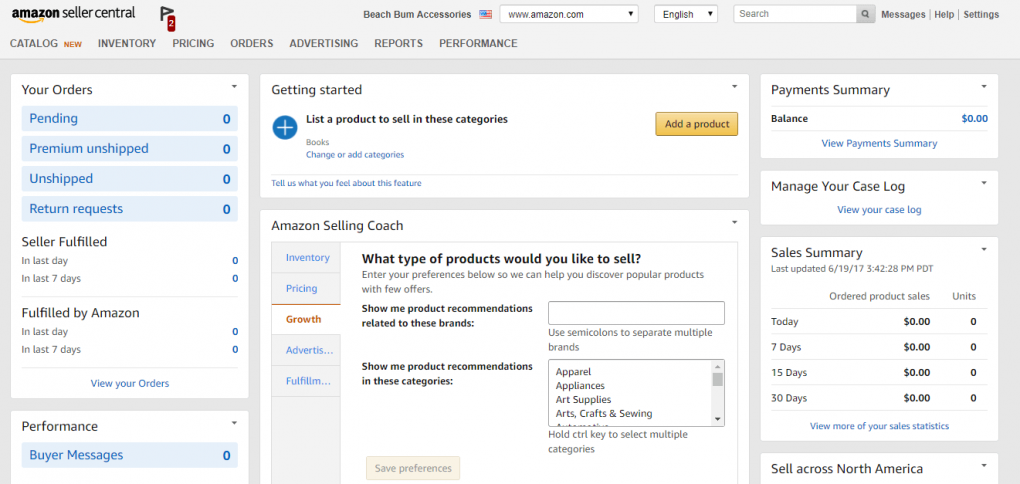
The idea of a quick ‘sell Amazon account’ transaction is a common search. However, Amazon’s rules are very clear. You cannot simply sell your login details. Doing so breaks Amazon’s Terms of Service. This can lead to your account being permanently shut down. It affects both the seller and the buyer. Think of your seller account like a personal license. It is not something you can just hand over.
| Item | Average Cost (2026) | Notes |
| Business Broker Fee | 5-10% of sale price | For structured business sales. |
| Legal Fees (Transfer Agreement) | $1,000 – $5,000+ | Depends on complexity. |
| New Entity Formation (LLC) | $100 – $500 | If selling the business entity. |
| Asset Migration Costs | Variable | May include listing fees or software. |
Transferring Your Amazon Seller Account
Amazon’s policy strictly forbids direct account transfers. Your seller account is tied to you personally. Trying to sell it directly is a violation. This can cause immediate account suspension. Amazon views seller accounts as non-transferable licenses. This is a key rule to remember.
Buying an Amazon Seller Account Legally

Purchasing an Amazon seller account directly is risky. It is against Amazon’s rules. Instead, focus on buying the business behind the account. This means acquiring the legal entity or the assets. A legitimate purchase involves updating account information with Amazon. Never buy or sell just login credentials.
Read also: How to Buy Wholesale on Amazon Without a Business License
Selling Your Amazon FBA Business
If you have a real Amazon FBA business, you can sell it. This is done by selling the legal entity that owns the store. Or, you can sell the business assets. This is a structured process. It ensures compliance with Amazon’s policies. It’s about selling the business, not just the account.
Amazon Account Brokerage Services
For serious business sales, consider using a broker. These professionals help find qualified buyers. They manage the entire sale process. Brokers ensure a smooth and compliant transaction. They often charge a percentage of the sale price. This service is for established businesses.
Amazon Seller Account Transfer Legality
Directly transferring an Amazon seller account is not legal under Amazon’s terms. The account itself is not transferable. What you can transfer are the business assets or the owning entity. Always operate within Amazon’s stated policies. This avoids future legal troubles.
Changing Ownership of Your Amazon Store
Changing ownership is possible when selling the business entity. You must notify Amazon. You will update banking and tax information. Amazon needs to know about the change. This is part of a legitimate business sale. It is not a simple account transfer.
Read also: EverBee Free Trial? It’s Actually a Permanent Free Plan
Selling Your Amazon Brand Registry Account
If you have Amazon Brand Registry, this is an asset. You can transfer Brand Registry roles. This is done to the buyer’s new account. This is part of an asset sale. It is not a transfer of the seller account itself. Protect your brand assets.
Amazon Business Acquisition Process
Acquiring an Amazon business involves buying the legal entity or assets. The buyer will set up a new seller account. Then, assets like Brand Registry are transferred. This process requires careful documentation. Amazon needs to be informed of ownership changes. This ensures a clean transition.
Amazon’s policy is clear: Seller accounts are not for sale. Focus on selling the business or its assets. This is the only compliant method.
Organize your finances. Get clear profit and loss statements. This shows the business’s true value. Buyers need this information. It helps in valuation.
Engage legal counsel. A lawyer drafts the purchase agreement. This protects both buyer and seller. It covers all asset or entity details. Legal help is crucial.
Notify Amazon. Inform Seller Support about the ownership change. They will guide you on updating details. This is vital for a compliant transfer. Follow their instructions precisely.
Close unused accounts. If you simply want to exit, close your account. Go to Seller Central settings. This safeguards your personal data. It’s the safest way to leave.
The Verdict on Selling Amazon Accounts
The market for ‘sell Amazon account’ searches is high. But direct sales are forbidden and risky. In 2026, focus on compliant business sales. Selling the entity or assets is the only way. This protects you and the buyer. Always follow Amazon’s official guidance. Visit sell.amazon.com for official rules. For community insights, check the Seller Central forums.
Read also: How to Buy Amazon Returns: Cheapest Options for 2026
Your 3-Step Action Plan for a Safe Exit
Step 1: Audit Your Business Structure
Check if your Amazon account is registered under a legal entity like an LLC or corporation. This is the only path to a legitimate sale.
If you operate as a sole proprietor, you cannot sell the account itself. You must consider an asset sale instead.
Step 2: Engage Professionals
Hire a business broker who specializes in e-commerce acquisitions. They will vet buyers and manage the escrow process.
Retain a lawyer to draft a binding asset or equity purchase agreement. This protects you from future liability.
Step 3: Notify Amazon and Transfer Properly
For an entity sale, update the beneficial owner and bank details through Seller Support. For an asset sale, transfer brand registry and listings to the buyer’s new account.
Never hand over login credentials or change the account email. This violates policy and puts you at risk.
Frequently Asked Questions
Can I sell my Amazon account if it has no sales history?
No, Amazon’s policy bans the transfer of any seller account, regardless of activity level. Selling a bare account is risky and may lead to permanent suspension.
Instead, close the account through Seller Central to protect your personal information and tax data.
What happens if I sell my account unofficially?
You remain legally responsible for any policy violations or debts incurred by the buyer using your account. Amazon may also ban you from ever selling again.
Additionally, buyers often scam sellers by stealing the account and refusing payment, leaving you with no recourse.
Is it possible to sell just my product listings without selling the account?
Yes, this is called an asset sale. You transfer brand registry, intellectual property, and listing ownership to the buyer’s new account.
This method is policy-compliant and allows you to exit while keeping your personal seller account closed.
You now know the only two legal ways to exit your Amazon business: selling the entity or transferring assets. Both methods protect your future and comply with Amazon’s strict rules.
Start by auditing your account structure today. Then, reach out to a broker and lawyer to begin the process safely.
Imagine your business legacy continuing under new ownership, while you move on to your next venture with peace of mind.
