


Thinking you need a business license to buy wholesale on Amazon is a myth that costs you money. You can access bulk pricing and case packs right now without any special paperwork. Amazon Business accounts are free to create and unlock volume discounts for personal or professional use.
Whether you are stocking a home office or sourcing inventory for resale, the process is simpler than you think. Most shoppers overpay because they never click the ‘Buy in Bulk’ tab. Stop buying retail and start saving up to 30% on everyday essentials.
How to Buy Wholesale on Amazon: Two Paths for Bulk Purchasing
For direct procurement, an Amazon Business account is mandatory. This gives you access to case packs, pallet quantities, and tiered volume discounts. You can also use the Request for Quote (RFQ) tool for orders over 999 units or $10,000.
If you are sourcing to resell via FBA, you need a legal entity like an LLC and an EIN from the IRS. You will contact brand manufacturers or use distributor databases to find authorized dealers. Always check listing permissions in Seller Central to avoid brand gating issues.
| Product | Average Price ($) | Highlight |
| Office Supplies (Pens, Paper) | ‘100-500’ | ‘Low MOQ, high demand’ |
| Cleaning Supplies (Detergents, Wipes) | ‘200-700’ | ‘Consistent need, good for case packs’ |
| Snacks and Beverages (Non-perishable) | ‘300-800’ | ‘Popular items, easy to source in bulk’ |
| Pet Food and Supplies | ‘400-1000’ | ‘Growing market, recurring purchases’ |
| Health and Beauty (Vitamins, Skincare) | ‘500-1200’ | ‘High perceived value, brand-driven’ |
| Home Goods (Kitchenware, Decor) | ‘600-1500’ | ‘Wide variety, seasonal opportunities’ |
| Electronics Accessories (Cables, Chargers) | ‘700-1800’ | ‘Fast-moving, requires careful supplier vetting’ |
| Toys and Games | ‘800-2000’ | ‘Seasonal spikes, licensing considerations’ |
| Apparel and Accessories | ‘1000-2500’ | ‘Requires size/color management, trend-sensitive’ |
| Tools and Hardware | ‘1500-3000+’ | ‘Durable goods, higher initial investment’ |
WHAT REALLY WORKS
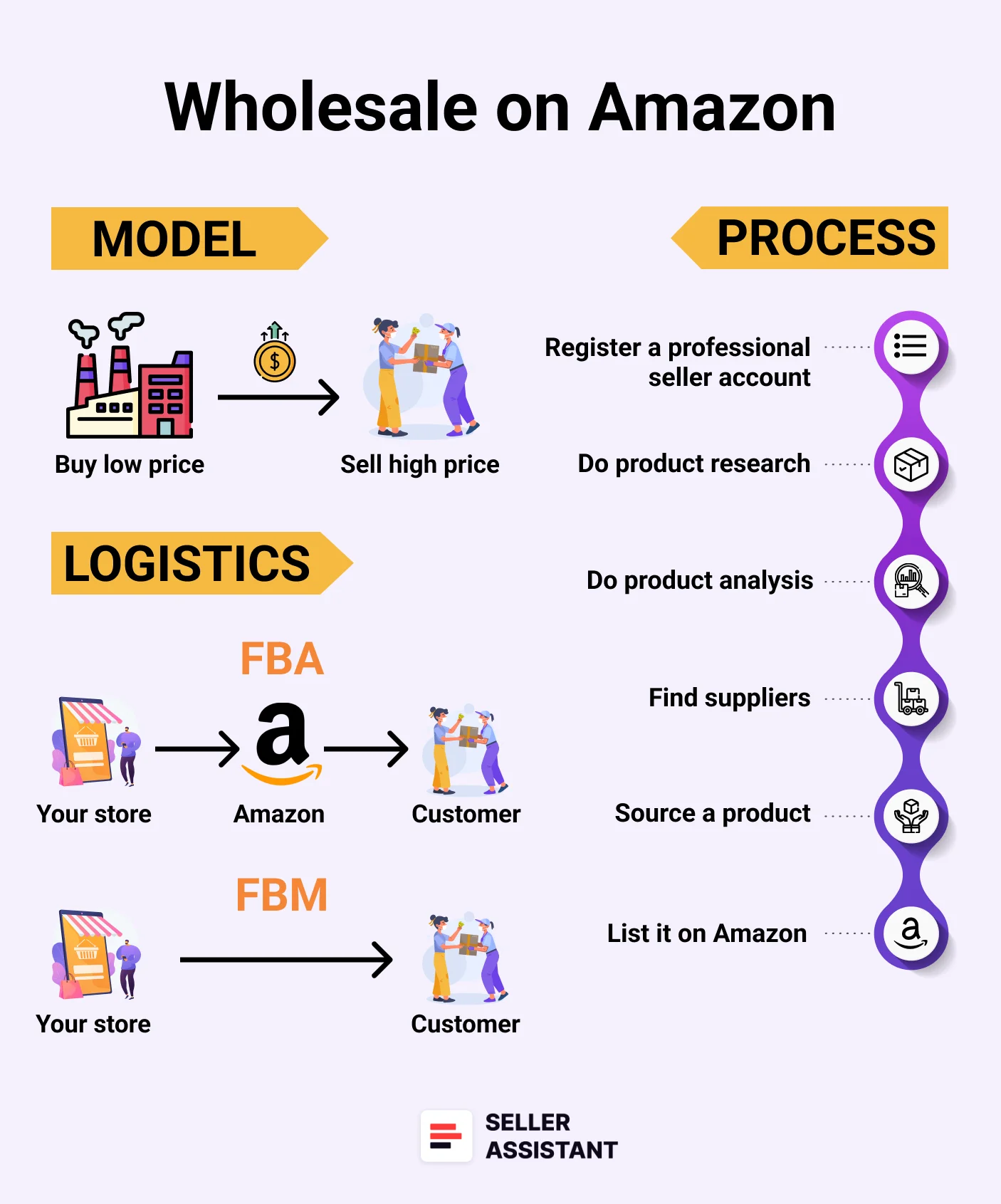
Buying wholesale on Amazon is about smart sourcing. For business operations, an Amazon Business account is key. It unlocks volume discounts and specialized purchasing options. This is for direct use, not resale.
For reselling, you need an LLC or corporation. An EIN and sales tax certificate are vital. This lets you buy tax-exempt from distributors. You then sell on Amazon FBA.
Amazon Bulk Purchases: How to Get Started
To choose the right products for bulk purchasing on Amazon, consider demand and profit margins. Look for items with consistent sales. Avoid overly saturated markets. Always check if you can list the brand before buying.
Read also: 46 Bulk Custom Mouse Pads: Smart Tips to Save Money in 2026
1. Office Supplies (Pens, Paper)
These are everyday items with constant demand. Buying case packs is efficient. You can easily meet Minimum Order Quantities (MOQ) with these.
Average Price: ‘$100-500’
Practical Tip: Look for unbranded or generic options to maximize profit margins on wholesale purchasing amazon.
2. Cleaning Supplies (Detergents, Wipes)
Essential household goods always sell. They are perfect for amazon bulk purchase strategies. They have a good shelf life.
Read also: How to buy an Amazon pallet without losing money in 2026
Average Price: ‘$200-700’
Practical Tip: Focus on eco-friendly or specialized cleaning products for a niche advantage.
3. Snacks and Beverages (Non-perishable)
These are popular for quick sales. You can buy in bulk amazon easily. Ensure they have a long expiration date.
Average Price: ‘$300-800’
Practical Tip: Bundle popular snack items for attractive offers.
4. Pet Food and Supplies
The pet market is booming. Recurring purchases make this a stable choice. Sourcing wholesale inventory amazon for pets is smart.
Average Price: ‘$400-1000’
Practical Tip: Target natural or specialized pet foods to stand out.
5. Health and Beauty (Vitamins, Skincare)
Consumers invest in wellness. These items have high perceived value. This is a key area for fba wholesale strategy.
Average Price: ‘$500-1200’
Practical Tip: Verify brand authorization requirements carefully before committing.
6. Home Goods (Kitchenware, Decor)
These range from practical to decorative. There are many opportunities for volume discounts. Seasonal items can boost sales.
Average Price: ‘$600-1500’
Practical Tip: Focus on kitchen gadgets or trending home decor items.
7. Electronics Accessories (Cables, Chargers)
These are fast-moving consumer goods. You need reliable suppliers for sourcing wholesale inventory amazon. Quality is paramount here.
Average Price: ‘$700-1800’
Practical Tip: Offer bundles of chargers and cables for better value.
8. Toys and Games
Popular during holidays and gift-giving seasons. Understand licensing and safety standards. This is a dynamic part of amazon business wholesale.
Average Price: ‘$800-2000’
Practical Tip: Research trending toys early in the year.
9. Apparel and Accessories
Requires managing sizes, colors, and styles. Stay updated on fashion trends. This is a competitive area for wholesale purchasing amazon.
Average Price: ‘$1000-2500’
Practical Tip: Start with accessories like scarves or hats to simplify inventory.
10. Tools and Hardware
These are durable goods with long-term demand. They require a larger initial investment. Consider specialized tools for a niche.
Average Price: ‘$1500-3000+’
Practical Tip: Focus on high-quality, durable tools that solve specific problems.
WHICH ONE TO BUY TODAY? (VERDICT)
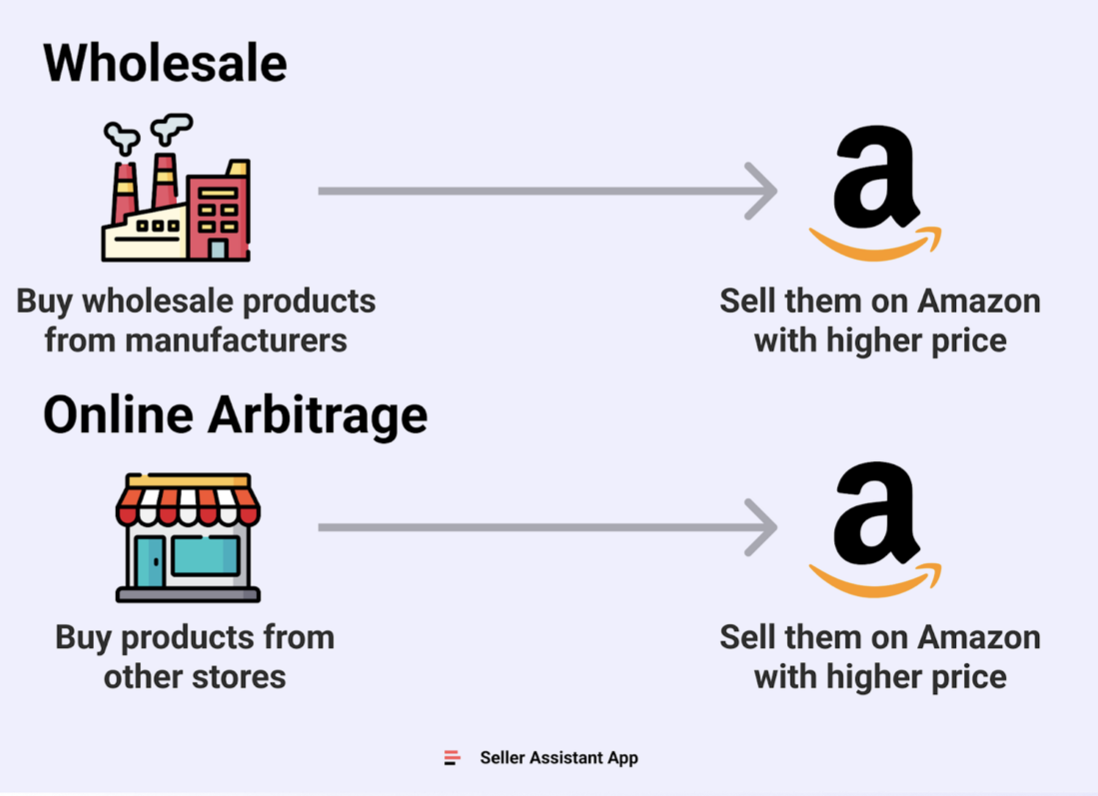
For the best value, consider cleaning supplies or pet food. They offer consistent demand and reasonable entry costs. These are great for starting your amazon bulk purchase journey.
For the best investment, look at health and beauty or electronics accessories. These categories have higher profit potential. They require more research but can yield significant returns with a solid fba wholesale strategy.
Read also: Warehouse pallets for sale: $4 used vs $150 plastic
After You Click ‘Buy’: The Real Work Begins
What to Check the Moment Your Wholesale Order Arrives
Inspect each case for damage before opening. A crushed box often means broken products inside.
Count all units against your packing slip. A discrepancy now saves hours of claims later.
First Use Without Risk
Test one unit from each case before listing or distributing. This catches batch defects early.
For FBA, create a removal order for a sample. Check the condition matches your listing photos.
Common Mistakes and How to Avoid Them
Skipping the inspection step leads to negative reviews and return fees. Always open and verify.
Assuming all units are identical can hurt your brand. Variations in color or size happen.
- Document everything with photos and video for proof.
- Report issues to the supplier within 48 hours.
- Store inventory in a clean, dry area away from direct sunlight.
Frequently Asked Questions
Can I return wholesale items if I change my mind?
No, Amazon wholesale purchases are final sale. Only damaged or incorrect items qualify for return.
Do I need a resale certificate to buy wholesale on Amazon?
Yes, for tax-exempt purchasing you need a valid state sales tax certificate. Without it, you pay full sales tax.
How long does shipping take for wholesale orders?
Standard wholesale shipping takes 5 to 10 business days. Pallet orders may require freight scheduling.
You now have a clear path to buy wholesale on Amazon without guesswork. This method saves money and builds a reliable supply chain.
Next, focus on negotiating better terms with your top suppliers. Volume discounts grow as your relationship strengthens.
Imagine your inventory flowing smoothly, with every unit verified and ready for sale. That efficiency is your competitive edge.
