

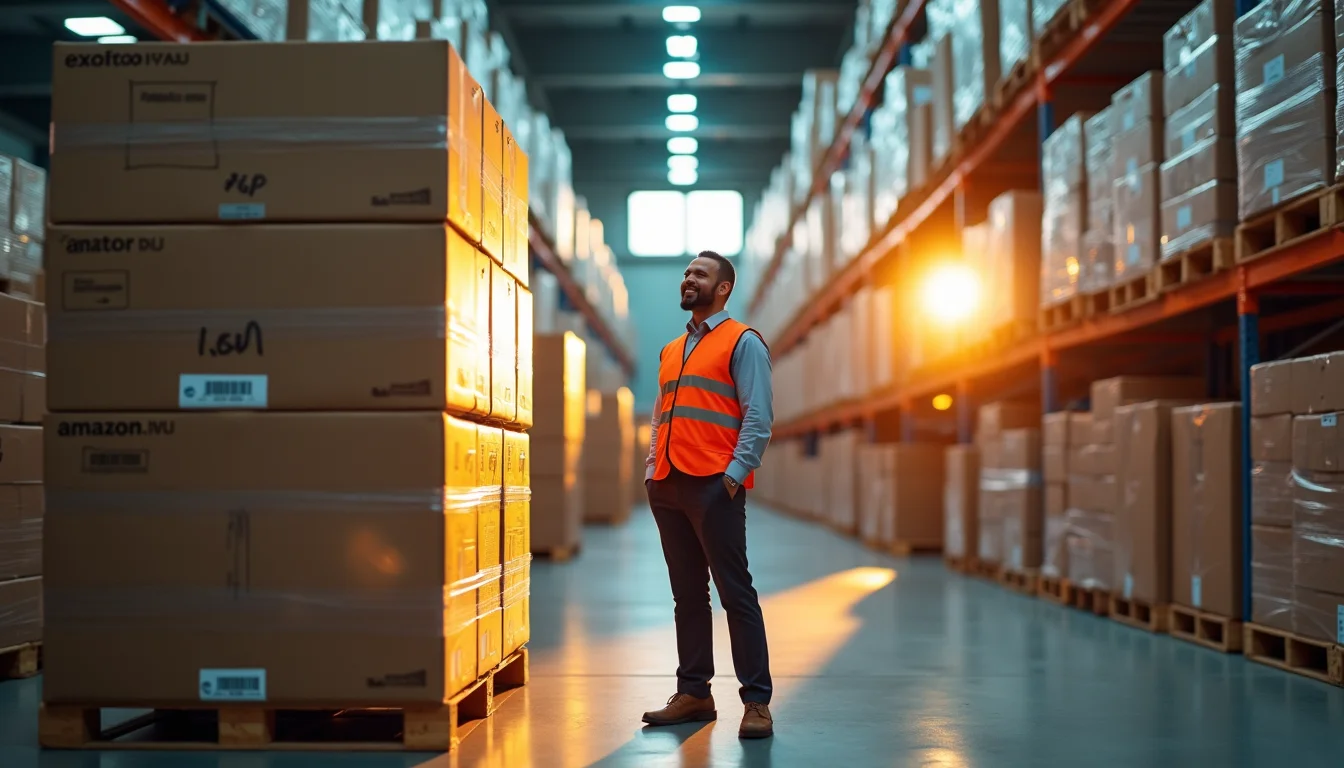
Think you need a business license to score Amazon returns? That is one of the biggest myths out there. The truth is, anyone can buy returned goods, but the way you buy changes everything.
Whether you want a cheap laptop for yourself or pallets to flip for cash, there is a specific path for you. Skip the wrong one, and you will waste time and money.
Where to Buy Amazon Returns in 2026: From Single Items to Bulk Pallets
For personal use, Amazon Resale (formerly Warehouse) is your best bet. It sells open-box, like-new, and used items with Amazon’s return policy. You can find deals on electronics, tools, and home goods at up to 50% off retail.
For refurbished electronics, Amazon Renewed offers tested gear with a 90-day guarantee. If you want to buy returns in bulk, you need a business account and a resale certificate. Amazon’s Bulk Liquidations Store sells pallets as-is, so you get a manifest but no returns.
Another option is B-Stock, an official Amazon auction site for businesses. Third-party liquidators like Direct Liquidation and Liquidation.com let anyone buy pallets, but watch for high freight costs, often over $300 per pallet. Local bin stores are a hands-on way to buy returned items by the pound, with prices dropping daily.
| Product | Average Price ($) | Highlight |
|---|---|---|
| Amazon Warehouse Items | 10-70% off retail | Inspected, graded pre-owned items |
| Amazon Renewed Electronics | 20-50% off retail | Refurbished electronics with guarantee |
| Local Liquidation Bin Stores | $1 – $20 per item (daily price drops) | ‘Fill a bag’ deals, high risk/reward |
| Amazon Customer Returns Pallets (Third-Party) | $100 – $500 per pallet | Mixed condition, requires manifest |
| Amazon Bulk Liquidations Store (Beta) | Varies, often lower than B-Stock | Requires business account, sold as-is |
| B-Stock Amazon Auctions | $200 – $800+ per pallet | Registered businesses, competitive bidding |
| Direct Liquidation Pallets | $150 – $600+ per pallet | Public auctions and fixed price |
| Liquidation.com Pallets | $200 – $700+ per pallet | Large variety, public auctions |
| Amazon Returns for Resale (Mixed Lots) | $50 – $300 per box/lot | Smaller quantities, varied items |
| Amazon Returns Auction (Specific Categories) | Varies widely | Targeted items, competitive bidding |
WHAT REALLY WORKS
Buying Amazon returns can be profitable if you understand the market. It requires research and a willingness to sort through items. Always check the manifest for pallet purchases. This list shows your options from cheapest to most expensive.
For personal use, Amazon Warehouse and Renewed offer good deals with less risk. For reselling, you need to buy in bulk. This means pallets or truckloads. Expect to pay for shipping and to have some unsellable items.
Amazon Liquidation Pallets: What to Expect
When buying amazon liquidation pallets, look for a detailed manifest. This lists the items and their condition. Avoid ‘mystery pallets’ where you don’t know what you’re getting. This helps reduce your risk significantly. Always factor in shipping costs, which can be high.
Read also: Where to Find Legit Ecommerce Websites for Sale (2026)
1. Amazon Warehouse Items
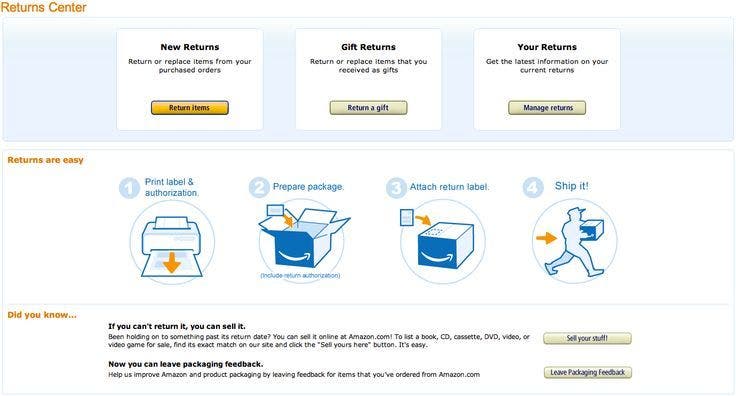
These are customer returns that Amazon inspects and grades. You can find them on Amazon’s site. They are often open-box or lightly used. You get standard Amazon return policies.
Average Price: 10-70% off retail
Practical Tip: Great for personal use or testing the waters. Less risk than bulk buying.
2. Amazon Renewed Electronics
This is for refurbished electronics. Items are tested and certified by Amazon or a third-party seller. They come with a guarantee. It’s a safer bet for electronics.
Read also: How to buy an Amazon pallet without losing money in 2026
Average Price: 20-50% off retail
Practical Tip: Ideal for buying electronics like phones or laptops. You get peace of mind.
3. Local Liquidation Bin Stores
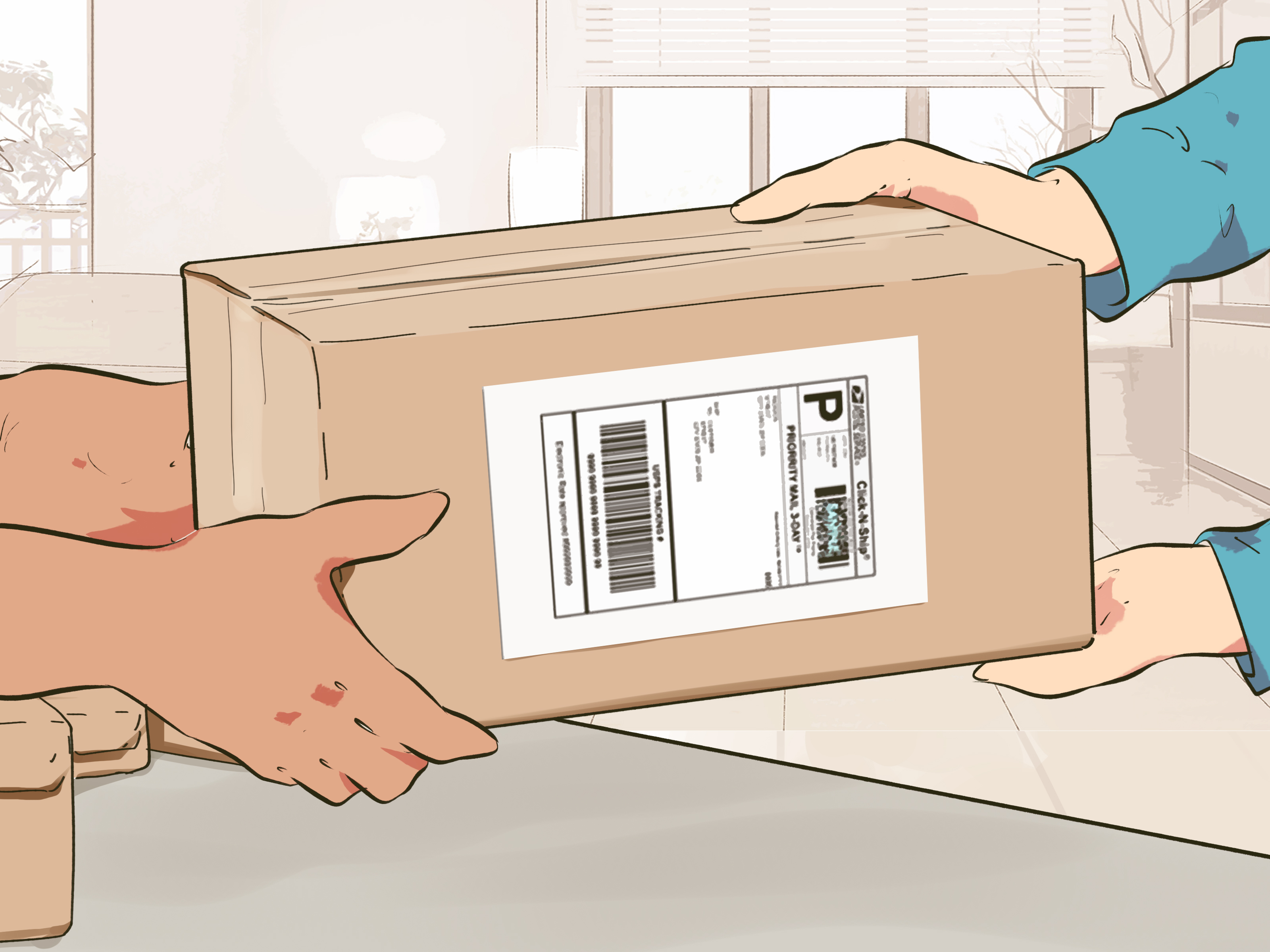
These stores sell items by the bin. Prices drop daily. You can fill a bag for a set price. It’s a treasure hunt with high risk. You might find great deals or junk.
Average Price: $1 – $20 per item (daily price drops)
Practical Tip: Go on discount days. Be prepared to dig and sort through a lot.
4. Amazon Returns for Resale (Mixed Lots)
These are smaller lots of customer returns. They are sold by third-party liquidators. You get a mix of items. It’s good for testing resale ideas without a huge investment.
Average Price: $50 – $300 per box/lot
Practical Tip: Check the item count and condition breakdown if available. Good for starting small.
5. Amazon Customer Returns Pallets (Third-Party)
These are pallets of customer returns sold by liquidators. Condition varies greatly. Always ask for a manifest. Shipping costs are extra and can be high.
Average Price: $100 – $500 per pallet
Practical Tip: Research the liquidator. Look for manifests that detail the contents.
6. Direct Liquidation Pallets
Direct Liquidation sells various types of returned merchandise. You can buy pallets or truckloads. They offer public auctions and fixed-price sales. It’s a common source for amazon liquidation pallets.
Average Price: $150 – $600+ per pallet
Practical Tip: Compare prices across different categories. Check shipping options early.
7. Amazon Bulk Liquidations Store (Beta)
This is Amazon’s own bulk liquidation platform. You need a business account and a resale certificate. Items are sold as-is. It’s a direct channel from Amazon.
Average Price: Varies, often lower than B-Stock
Practical Tip: Ensure your business documents are in order before applying.
8. Liquidation.com Pallets
Liquidation.com offers a wide range of liquidation goods. You can find pallets of customer returns. They operate through public auctions. It’s another major player in the liquidation market.
Average Price: $200 – $700+ per pallet
Practical Tip: Read all auction terms carefully. Understand buyer fees.
9. B-Stock Amazon Auctions
B-Stock is an official Amazon partner for business liquidations. You need to register as a business buyer. Auctions can be competitive. You can find a lot of amazon returns for sale here.
Average Price: $200 – $800+ per pallet
Practical Tip: Set a maximum bid and stick to it. Monitor auction end times.
10. Amazon Returns Auction (Specific Categories)
Some platforms specialize in auctions for specific Amazon return categories. This allows you to target items you know how to sell. It requires more specialized knowledge of product demand.
Average Price: Varies widely
Practical Tip: Focus on categories you understand well. This increases your profit potential.
WHICH ONE TO BUY TODAY?
For the best value for money, start with Amazon Warehouse or Renewed if you want items for yourself. If you aim to profit from amazon returns, consider third-party pallets with good manifests. Direct Liquidation and Liquidation.com often have competitive pricing.
For the best investment, focus on bulk buying through B-Stock or Amazon’s Bulk Liquidations Store if you have a business. These offer larger quantities. However, they require more capital and risk management. Understanding the market for amazon bulk buy returns is key.
Read also: Warehouse pallets for sale: $4 used vs $150 plastic
Smart Steps After Your Purchase
What to Do When the Pallet Arrives
Inspect the manifest immediately before signing the delivery receipt. This document lists every item and confirms you received what was promised.
Unpack everything in a clean, well-lit space and sort items by category. This helps you spot damages or missing parts right away.
Common Mistakes to Avoid
Never assume all items are functional or complete. Even high-grade pallets can have defective merchandise.
Don’t skip testing electronics within the first week. Many return items have hidden issues that only show up after use.
Step-by-Step First Use Checklist
- Check for physical damage and missing accessories.
- Test all electronics with a multimeter or power them on.
- Clean and sanitize every item before listing or using.
- Photograph everything for documentation and resale.
- Grade items honestly to maintain buyer trust.
Frequently Asked Questions
Can I return a pallet if it’s full of junk?
No, bulk liquidation pallets are sold as-is with no returns. That’s why checking the manifest before accepting delivery is critical.
Do I need a resale certificate to buy from Amazon Liquidation?
Yes, Amazon’s Bulk Liquidations Store requires a tax-exempt business account and resale certificate. B-Stock and other partners have similar requirements.
How much can I realistically make reselling Amazon returns?
Profit margins vary widely, but experienced resellers often net 20-50% after costs. Expect a learning curve and some losses from unsellable items.
Buying Amazon returns is a proven way to score bargains or build a resale business, but it demands careful research and realistic expectations. The key is choosing the right channel for your goal and budget.
Start small with Amazon Resale or a local bin store before committing to pallets. This lets you learn the grading system and resale market without big risk.
As return volumes grow in 2026, these channels will only become more accessible. With smart buying and honest selling, you can turn someone else’s return into your next opportunity.
