


You don’t need to spend a fortune to secure your website and all its subdomains. Many business owners overpay for wildcard SSL certificates when cheap options work just as well. The truth is, you can get full wildcard protection for under $40 a year or even for free.
Whether you run an e-commerce store or a blog, keeping your visitors’ data safe shouldn’t break the bank. In this guide, I’ll show you the most affordable wildcard SSL certificates available in 2026 and exactly how to choose the right one for your needs.
Disclaimer: This article is for informational purposes only and does not constitute financial or legal advice. Always verify certificate requirements with your hosting provider.
Affordable Wildcard SSL Certificates That Cover All Your Subdomains
A wildcard SSL certificate lets you secure your main domain plus unlimited subdomains with a single purchase. That means one certificate for shop.yourdomain.com, blog.yourdomain.com, and anything else you add. For small business owners and developers, this is a huge time and money saver.
The most budget-friendly option in 2026 is Let’s Encrypt, which offers free wildcard certificates. You just need to set up DNS-01 verification using a TXT record and automate renewals every 90 days. Tools like Certbot or acme.sh make this process simple, even if you’re not a tech expert.
If you prefer a paid certificate with a longer validity and a warranty, discount resellers like SSLs.com and Namecheap have great deals. For example, a Comodo PositiveSSL Wildcard costs around $39 per year, includes a $50,000 warranty, and issues in under 15 minutes. Another solid pick is Certera Wildcard SSL at $39.99 annually with unlimited subdomain coverage.
The key is to match the certificate to your server setup and renewal ability. Free certificates work best if you can handle automated renewals. Paid ones are better for busy store owners who want a set-it-and-forget-it solution. Either way, you don’t have to pay more than $40 a year for complete wildcard protection.
| Product | Average Price ($) | Highlight |
| SSL For Free Wildcard | 0 | Free wildcard SSL with quick DNS verification. |
| Let’s Encrypt Wildcard | 0 | Free wildcard SSL, automated renewals required. |
| Namecheap Wildcard SSL | 13.99 | Budget wildcard SSL certificate for basic needs. |
| Certera Wildcard SSL | 39.99 | Unlimited subdomain coverage at a fixed annual cost. |
| Comodo PositiveSSL Wildcard (SSLs.com) | 38.53 | Fast Domain Validation (DV) with a $50,000 warranty. |
| Comodo PositiveSSL Wildcard (Namecheap) | 39.99 | Rapid issuance and unlimited server licenses. |
| FastSSL DV Wildcard (CheapSSLSecurity) | 38.95 | Quick validation and a $50,000 warranty. |
| Sectigo Wildcard SSL (The SSL Store) | 79.00 | Trusted CA with strong encryption and warranty. |
| GeoTrust Wildcard SSL (The SSL Store) | 199.00 | EV validation option available for enhanced trust. |
| DigiCert Wildcard SSL (The SSL Store) | 299.00 | Premium wildcard SSL with top-tier security and support. |
WHAT REALLY WORKS
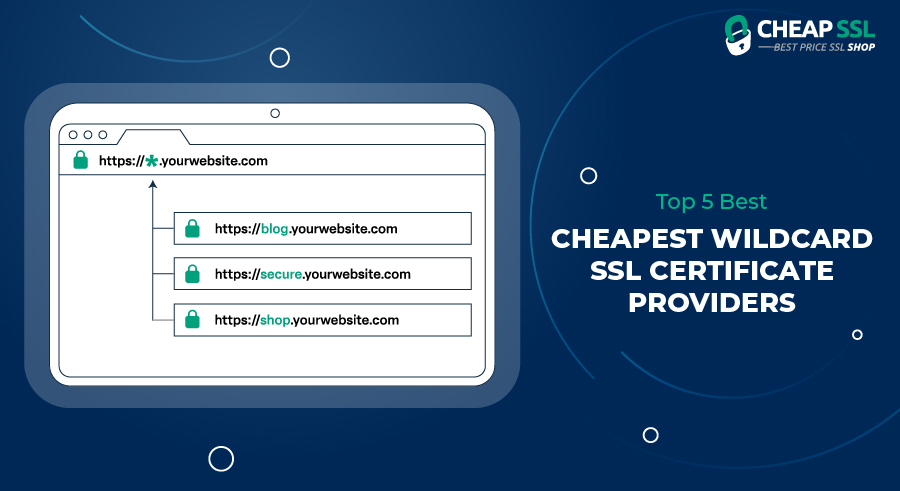
For budget-conscious users, free options like SSL For Free and Let’s Encrypt are excellent starting points. They provide essential wildcard SSL for subdomains. However, remember that free certificates often require frequent manual renewal. This can be a hassle for busy professionals.
Paid options from reputable providers offer more convenience and trust. Look for certificates with longer validity periods and official warranties. These are crucial for business websites. Discount wildcard SSL providers make these accessible.
Affordable Wildcard SSL for Multiple Subdomains
Choosing the right wildcard SSL certificate depends on your needs. Consider the number of subdomains you have. Also, think about the level of validation required. Domain Validation (DV) is fastest and cheapest. Organization Validation (OV) and Extended Validation (EV) offer more trust but cost more. Always check compatibility with your web server.
Read also: Stop Paying for 5 SSLs: GoDaddy SAN Covers 100 Domains
1. SSL For Free Wildcard
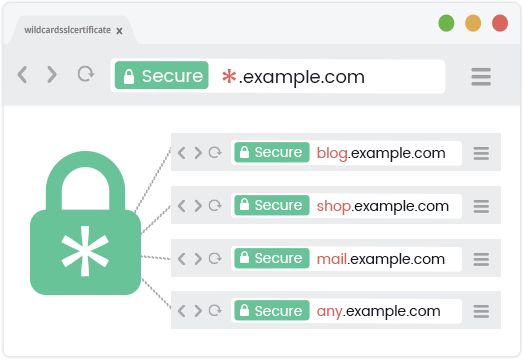
This service offers a completely free wildcard SSL certificate. It’s ideal for testing or personal projects. You get basic encryption for all your subdomains.
Average Price: $0
Practical Tip: Use this for non-critical sites or development environments. Renewal every 90 days is mandatory.
2. Let’s Encrypt Wildcard
Let’s Encrypt is a popular free and open Certificate Authority. It provides automated wildcard SSL certificates. You need to set up automatic renewals.
Read also: Domain Name Purchasing Made Easy: Where to Get the Best Price
Average Price: $0
Practical Tip: Excellent for automated deployments and cloud hosting. Requires technical setup for renewals.
3. Namecheap Wildcard SSL
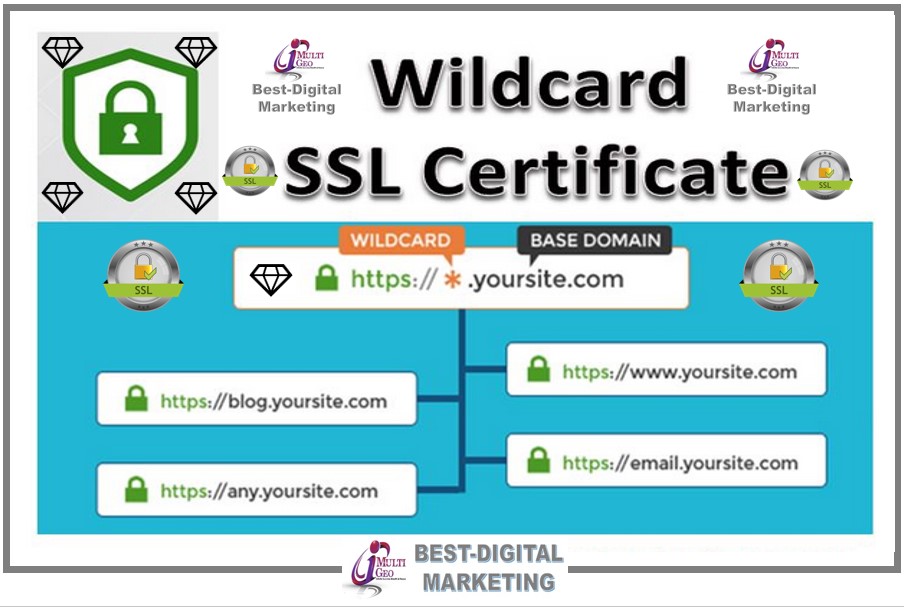
Namecheap offers an affordable wildcard SSL certificate. It’s a good entry-level option for small businesses. It secures unlimited subdomains under one main domain.
Average Price: $13.99
Practical Tip: A solid choice for a low cost wildcard ssl certificate if you need basic protection.
4. FastSSL DV Wildcard (CheapSSLSecurity)
This certificate provides Domain Validation for your wildcard needs. It’s known for fast issuance times. It includes a $50,000 warranty for added security.
Average Price: $38.95
Practical Tip: Get your SSL quickly with this option from a trusted reseller.
5. Comodo PositiveSSL Wildcard (SSLs.com)
SSLs.com offers the Comodo PositiveSSL Wildcard at a competitive price. It’s a Domain Validation certificate. It issues rapidly, often in minutes.
Average Price: $38.53
Practical Tip: Ideal for websites needing quick, affordable wildcard protection.
6. Certera Wildcard SSL
Certera provides unlimited subdomain coverage with its wildcard SSL. It offers a fixed annual cost, making budgeting easier. This is a great value.
Average Price: $39.99
Practical Tip: Secure all your subdomains without worrying about limits.
7. Comodo PositiveSSL Wildcard (Namecheap)
Namecheap also offers the Comodo PositiveSSL Wildcard. It provides rapid issuance and unlimited server licenses. This means you can install it on as many servers as needed.
Average Price: $39.99
Practical Tip: Useful if you manage multiple servers for your main domain.
8. Sectigo Wildcard SSL (The SSL Store)
The SSL Store offers Sectigo Wildcard SSL certificates. Sectigo is a well-known Certificate Authority. This option provides strong encryption and a good warranty.
Average Price: $79.00
Practical Tip: A reliable choice from a major CA for enhanced online trust.
9. GeoTrust Wildcard SSL (The SSL Store)
This GeoTrust certificate offers robust security. It provides options for Extended Validation (EV). EV certificates show your organization’s name in the browser bar.
Average Price: $199.00
Practical Tip: Consider this if you need to display a high level of business validation.
10. DigiCert Wildcard SSL (The SSL Store)
DigiCert is a premium provider of SSL certificates. Their wildcard SSL offers top-tier security and excellent customer support. It’s a significant investment but provides maximum assurance.
Average Price: $299.00
Practical Tip: The best choice for large enterprises or highly sensitive applications.
WHICH ONE TO BUY TODAY?
For the best value on a budget, start with the free options like SSL For Free or Let’s Encrypt if you can manage renewals. If you need a paid certificate, Namecheap’s Wildcard SSL at $13.99 offers incredible affordability. For slightly more, Comodo PositiveSSL Wildcard or FastSSL DV Wildcard provide a good balance of price, speed, and warranty.
The best investment for a business is a certificate that balances cost, security, and ease of management. Sectigo or DigiCert offer premium features and trust. However, for most small to medium businesses, a Domain Validation wildcard from providers like Comodo or FastSSL, purchased through a discount reseller, provides excellent protection without breaking the bank. Always check the warranty amount and validity period.
Read also: Still Available: Short .com Names That Build Trust in 2026
Post-Purchase Checklist: Secure Your Wildcard SSL Now
Step 1: Verify the certificate installation. Use an online SSL checker like SSL Labs to confirm your wildcard cert covers *.yourdomain.com. This ensures all subdomains are protected.
Step 2: Set up automatic renewal. For Let’s Encrypt, configure a cron job to run Certbot or acme.sh every 60 days. For paid certs, enable auto-renewal in your account to avoid expiration.
Step 3: Test the DNS-01 challenge. If you used DNS validation, verify the TXT record was removed after issuance. Leftover records can be a security risk.
Common Mistake: Forgetting to renew on time. Free certs expire every 90 days; set calendar reminders. Paid certs often offer 1-year terms, but mark the expiry date.
What to Avoid: Using a wildcard cert on shared hosting without checking if the host supports it. Some budget hosts block wildcard installations.
Frequently Asked Questions
Can I use a free wildcard SSL on an e-commerce site? Yes, but free certs lack an official warranty. If your business needs liability protection, pay $40/year for a warranty.
How do I install a wildcard cert on cPanel? Most cPanel hosts support wildcard SSLs. Upload the certificate and private key via the SSL/TLS section, then assign it to your domain.
Will a cheap wildcard SSL slow down my site? No. SSL encryption overhead is negligible with modern servers. Any wildcard cert from a trusted CA performs similarly.
Choosing a cheap wildcard SSL certificate is a smart move for any website owner. Free options like Let’s Encrypt work perfectly for automated setups, while paid certs under $50 offer peace of mind with warranties.
Next, test your certificate with a free online scanner to confirm it’s active. Then, set a renewal reminder in your calendar so you never lose coverage.
In 2026, securing your entire domain and all subdomains is easier and cheaper than ever. Your visitors will trust your site, and your data will stay safe.
