


Stop losing customers because your membership cards are a hassle to scan. A barcode that won’t read at checkout is a fast way to annoy loyal members. That’s why getting your barcode membership cards right is critical for keeping people happy.
Whether you run a small boutique or a busy gym, the right card system saves time and money. In 2026, you have more choices than ever, from durable plastic cards to wallet-friendly digital IDs. This article shows you exactly what works and what to avoid.
Plastic vs. Digital: Choosing the Best Barcode Membership Cards for Your Business
Physical cards remain a strong option for many US businesses. Standard CR80 plastic cards with a Code 128 barcode are reliable and durable, lasting years with proper care. Prices range from $0.80 to $3.30 per card depending on volume, and manufacturers like PlasticCardOnline.com recommend a white box around the barcode for best scanning.
Digital membership cards, stored in Apple Wallet or Google Wallet, are gaining ground fast. Platforms like PassKit and ID123 let you create scannable QR codes that update instantly and never wear out. The trade-off is less brand visibility, but the cost is near zero per member and renewal is automatic.
The Enduring Power of Barcode Membership Cards
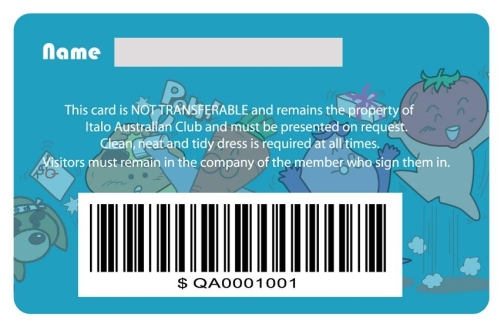
In 2026, barcode membership cards are still a vital tool for businesses. Retailers, gyms, and clubs use them to quickly identify members. This speeds up check-ins and sales transactions at the point of sale. They are a proven method for managing member access and engagement.
These cards use standard barcode types like Code 128. This allows scanners to read member IDs instantly. Many now also use QR codes, which are easily scanned by smartphones. This makes the process even more convenient for everyone involved. Physical cards are typically made of durable PVC plastic, ensuring they last a long time.
| Feature | Description | Typical Cost (per unit) |
| Physical Cards | Durable PVC, custom printing, optional magnetic stripes. | $0.80 – $3.30 |
| Digital IDs | Mobile wallet integration, instant updates, cost-effective. | Varies by platform |
| Key Tags | Compact, convenient, often detachable from main card. | Included in card cost or separate |
Plastic Membership Cards: Durability and Design
Physical membership cards offer a tangible connection to your brand. They are usually made from sturdy PVC plastic, which resists bending, water, and general wear. This ensures your members can use their cards for a long time without damage. Customization allows for vibrant logos and branding, making each card a small piece of your identity.
Read also: Plastic Loyalty Cards That Last Years Without Breaking the Bank
You can add features like signature panels for security or even photos for enhanced verification. The standard CR80 size, like a credit card, is most common. However, other formats like membership key tags are also popular for convenience. The choice depends on how your members will interact with the card.
Custom Barcode Cards for Easy Scanning
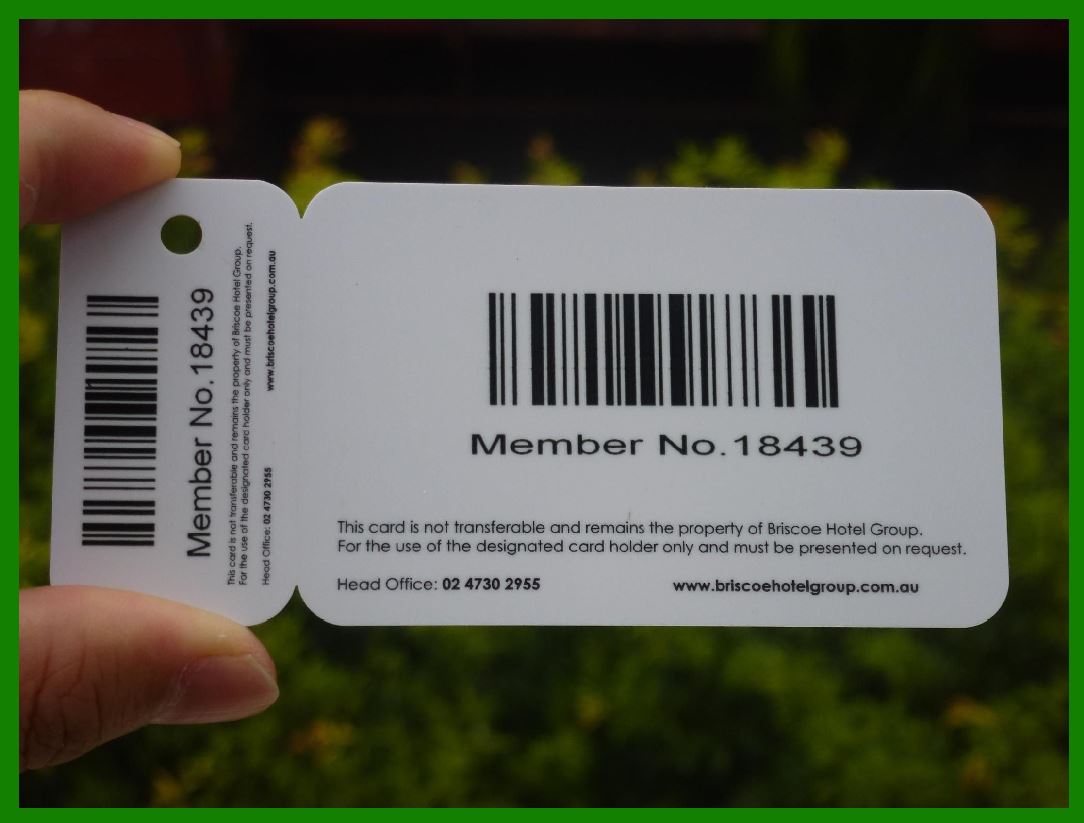
The barcode is the heart of a membership card’s function. It holds the unique member ID that systems read. Clear, well-printed barcodes are essential for fast and accurate scanning at the point of sale membership tracking. Manufacturers often suggest a white space, called a quiet zone, around the barcode.
This quiet zone helps scanners read the barcode data without errors. Using standard symbologies like Code 128 ensures compatibility with most POS systems. This avoids costly hardware upgrades or integration issues. Well-designed custom barcode cards improve operational efficiency significantly.
For optimal scanner performance, always ensure a clear, unobstructed barcode with adequate quiet zones.
Loyalty Cards with Barcodes: Boosting Repeat Visits
Barcode membership cards are excellent tools for loyalty programs. By scanning the barcode at each purchase, businesses can track customer behavior. This data helps identify loyal customers and reward them appropriately. It’s a direct way to encourage repeat business and build stronger customer relationships.
Read also: Membership Card Printer: Which Type Saves You the Most Money?
These cards can offer points, discounts, or exclusive access based on purchase history. Implementing a system that rewards loyalty directly ties into increased sales. It makes customers feel valued and encourages them to return. This is a cost-effective strategy for customer retention.
VIP Membership Cards: Exclusive Perks and Styles
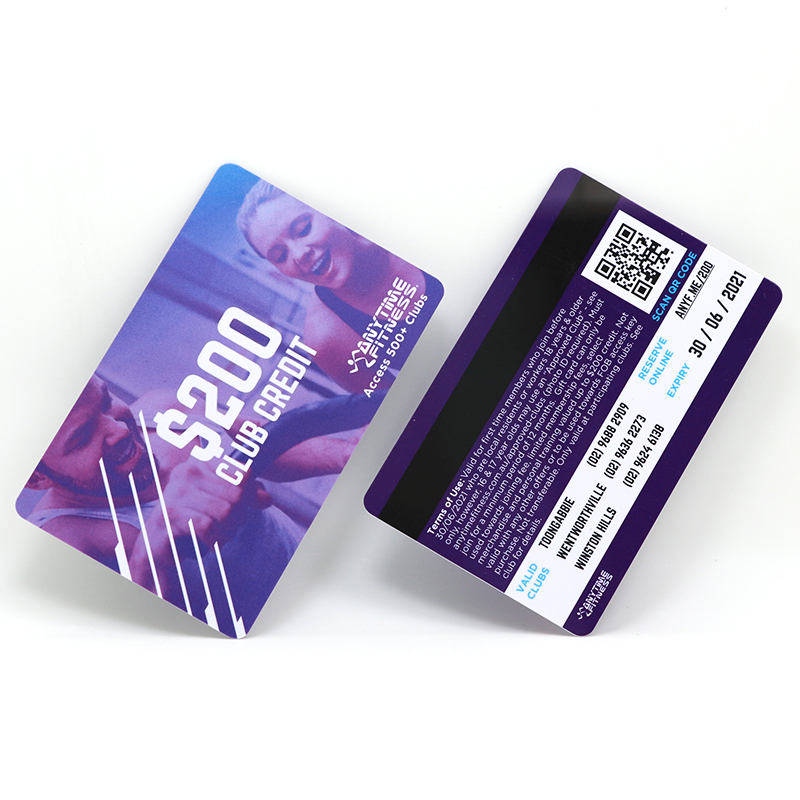
For premium members, VIP membership cards offer a way to provide special recognition. These cards can be designed with premium materials or finishes to signify their elevated status. They often grant access to exclusive benefits, services, or events, making members feel highly valued.
The design of a VIP card should reflect the exclusivity of the membership. This could include metallic inks, special finishes, or unique shapes. It’s about creating a physical symbol of their special status within the organization. This enhances the perceived value of the membership tier.
Digital Membership IDs: Mobile Wallet Integration
The trend in 2026 is a strong move towards digital membership IDs. These are stored directly on a member’s smartphone, often in Apple Wallet or Google Wallet. This eliminates the need for a physical card, reducing costs for the organization and increasing convenience for the member.
Digital IDs can be updated instantly with new offers or information. They can also be set to expire automatically, which is useful for temporary memberships or promotions. Platforms exist to help manage these digital credentials efficiently. This offers a modern and scalable solution for member engagement.
Digital membership IDs stored in mobile wallets are rapidly becoming the standard for convenience and cost savings.
Scannable Membership Cards: Speed and Accuracy
The primary benefit of any membership card with a barcode is speed and accuracy. When a barcode is scanned, the member’s information is retrieved instantly. This reduces waiting times at check-in or checkout counters. It also minimizes the chance of human error in data entry.
This efficiency is crucial for businesses with high customer volume. It improves the overall customer experience. Reliable scannable membership cards are key to smooth operations. They ensure that member data is captured correctly every time.
QR Code Membership Cards: Contactless Check-In
QR codes offer a modern alternative to traditional linear barcodes. They can store more information and are easily scanned by smartphone cameras. This makes them ideal for contactless check-in processes, which gained popularity recently.
Members can simply present their phone with the QR code displayed. The system then scans it quickly and securely. This method is hygienic and efficient, especially in environments where frequent touchpoints are a concern. QR code membership cards provide a flexible and user-friendly option.
Membership Key Tags: Compact and Convenient
Membership key tags are a popular choice for their portability. These small, durable tags can be attached to a keychain, ensuring the member always has their membership information with them.
They function just like a full-sized card, containing a scannable barcode. This makes them incredibly convenient for members who frequently misplace cards or prefer not to carry them. They are often offered as a secondary option alongside a main plastic card.
Membership Card Printing Services
Getting professional membership cards printed is essential for a good first impression. Reputable membership card printing services offer high-quality materials and printing techniques. They can handle everything from design to production, ensuring your cards look professional.
These services often provide options for various materials, finishes, and extra features like magnetic stripes or sequential numbering. Choosing a reliable provider ensures you receive durable, well-designed cards that meet your needs. Look for providers with experience in custom barcode cards.
Barcode ID Cards: Point of Sale Membership Tracking
Barcode ID cards are fundamental for effective point of sale membership tracking. They allow businesses to link transactions directly to specific members in real-time. This capability is crucial for managing customer data, tracking sales, and implementing loyalty programs.
By integrating barcode scanning into your POS system, you gain valuable insights into member purchasing habits. This data can inform marketing strategies and inventory management. It creates a seamless link between the customer and the business’s operational systems.
The Future of Membership Identification in 2026
As an expert, I see barcode membership cards continuing to evolve. While physical cards offer a strong brand presence, the shift towards digital solutions is undeniable. In 2026, hybrid models are becoming increasingly common. These combine the tangibility of a plastic card with the convenience of a digital ID.
Organizations will likely offer members a choice. They can opt for a physical card for its feel and visibility, or a digital version for ease of use and instant access via their phone. The focus will remain on seamless member identification and engagement, regardless of the format. Expect continued innovation in how these cards, both physical and digital, enhance the customer experience and streamline business operations.
Read also: Photo ID Badge Maker Machine: Print Credentials in 30 Seconds
Your 3-Step Action Plan for Barcode Membership Cards
Step 1: Choose Your Card Type
Decide between physical PVC cards, digital wallet passes, or a hybrid combo. Physical cards cost $0.80–$3.30 each and offer tangible brand presence. Digital cards are cheaper and update automatically, but require smartphone access.
Step 2: Design for Scan Success
Always add a white box around the barcode or QR code to ensure scanner reliability. Use Code 128 for alphanumeric IDs or EAN-13 for numeric-only systems. Test scans with your POS hardware before ordering bulk.
Step 3: Implement a Management System
Use platforms like PassKit or MembershipAnywhere to create, distribute, and update digital IDs. For physical cards, work with a manufacturer like PlasticCardOnline.com and include variable data (names, photos). Set up auto-renewal and expiration rules in your software.
What to Avoid
Never print barcodes too close to card edges—scanners may misread. Avoid glossy finishes over the barcode area; matte or white surfaces work best. Don’t rely solely on physical cards for active members—digital backups reduce reprint costs.
Frequently Asked Questions
Can I use a smartphone screen to scan a barcode membership card?
Yes, most modern POS scanners can read QR codes or standard barcodes from a phone screen. Ensure your digital pass uses a high-contrast display and sufficient brightness for reliable scanning.
How durable are physical PVC barcode cards?
PVC cards resist water, bending, and everyday wear for 2–5 years with normal use. Composite plastic options offer even better longevity, especially for key tags that endure keychain friction.
What if a member loses their physical card?
Issue a digital replacement immediately via email or mobile wallet—no reprinting needed. For physical cards, deactivate the lost card in your system and order a new one with a unique barcode.
Choosing the right barcode membership card—physical, digital, or hybrid—directly impacts member satisfaction and operational efficiency. Both options are proven, reliable, and scalable for any organization in 2026.
Next, evaluate your current member management software to see if it supports digital pass creation or bulk physical card orders. Small tweaks now can save hours of administrative work later.
Imagine a future where every member taps their phone or presents a sleek plastic card with your logo. That seamless experience builds loyalty and keeps your brand top of mind.
