


If your inventory counts are always off, you are probably still using a clipboard and a pen. That manual method leads to 1 error for every 300 characters you type, which adds up fast. A warehouse inventory scanner can drop that error rate to less than 1 in 3 million scans.
These rugged devices connect directly to your warehouse management system, so you always know exactly what you have and where it is. No more guessing, no more wasted time hunting for lost items.
Rugged Handheld Scanners vs. Wearable Ring Scanners vs. Smartphone-Based Options
For heavy-duty use, a rugged handheld ‘gun’ like the Zebra DS3678-ER can survive a 10-foot drop to concrete and scan barcodes from up to 70 feet away. That extra range is critical for high-bay warehouses where pallets sit on top shelves.
If you need both hands free for picking, a wearable ring scanner can boost your throughput by up to 30%. These lightweight devices strap to your finger and pair with a mobile computer worn on your waist or arm.
For smaller budgets, smartphone-based scanning apps turn your existing phone into a barcode reader. Just make sure your phone case is rugged enough, because drops happen often on a warehouse floor.
Mastering Warehouse Operations with Inventory Scanners
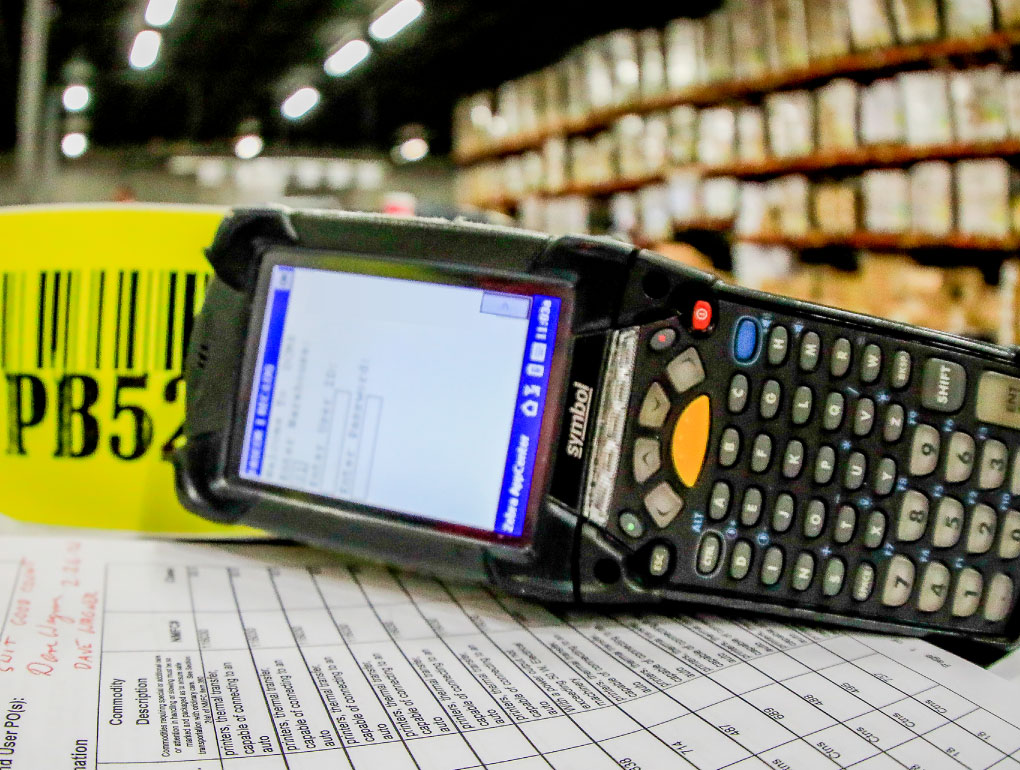
Warehouse inventory scanners, also known as RF scanners, are no longer a luxury but a necessity for efficient logistics in 2026. They drastically cut down on manual data entry mistakes. Imagine going from about one error for every 300 characters typed to less than one error for every three million scans. These devices are key to connecting with your Warehouse Management System (WMS).
This connection automates vital tasks like receiving goods, picking orders, and doing cycle counts. It means you always know exactly what you have in stock, in real time. Modern scanners are built for all kinds of work, from tough industrial units for rough settings to Android devices with many features.
| Feature | Description |
| Error Reduction | From ~1 in 300 chars to <1 in 3M scans |
| Integration | Seamless with WMS for automation |
| Types | Rugged, Android Mobile Computers, Wearable |
| Key Specs | Scan Range, IP Rating, Symbology Support |
| Wearable Benefit | Up to 30% throughput increase |
| Cost-Effective | Smartphone solutions available |
| Durability | IP65+ rating, withstands drops |
| Battery Life | 6700mAh for 12+ hours |
| Data Capacity | 2D barcodes (QR, Data Matrix) |
Rugged Handheld Scanners for Warehouse Use
For warehouses that face tough conditions, rugged handheld scanners are essential. These devices are built to survive drops from up to 10 feet onto concrete. They also offer extended range scanning, reaching up to 70 feet, which is perfect for high-bay storage areas. Their robust design ensures they keep working no matter the environment.
Look for high IP ratings, like IP65 or higher, to protect against dust and moisture. This durability means fewer replacements and less downtime. They are the workhorses of inventory management, designed for constant use.
Wearable Ring Scanners Boost Picking Speed
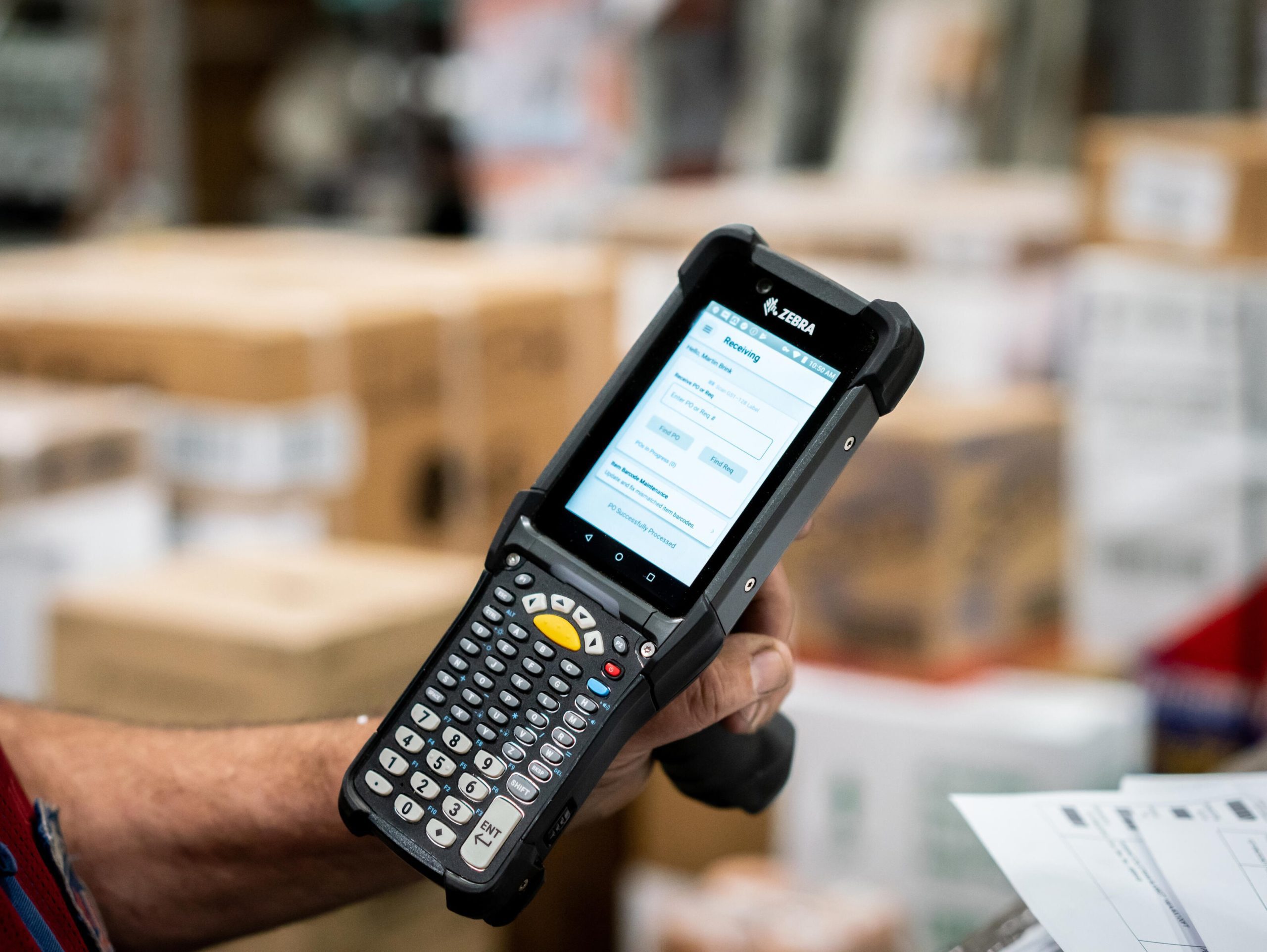
To speed up tasks like picking orders, wearable ring scanners are a game-changer. These small devices fit on a finger, leaving both hands free. This allows workers to grab items and scan them simultaneously. Studies show this can increase picking speed by as much as 30 percent.
The hands-free operation provided by wearable scanners directly translates to faster order fulfillment and reduced labor costs.
They are ideal for environments where workers handle many small items throughout the day. The ease of use and speed improvement make them a smart investment for busy operations.
Smartphone-Based Scanning for Inventory
Small businesses or those on a tighter budget can find value in smartphone-based scanning solutions. By using an app on a standard smartphone, you can turn it into an inventory scanner. This is a very cost-effective way to start automating your inventory processes without buying expensive dedicated hardware.
While not as rugged as industrial scanners, these solutions offer flexibility. They are perfect for businesses that don’t require constant, heavy-duty scanning. You get basic scanning capabilities at a fraction of the cost.
Fixed Mount Scanners for Conveyor Lines
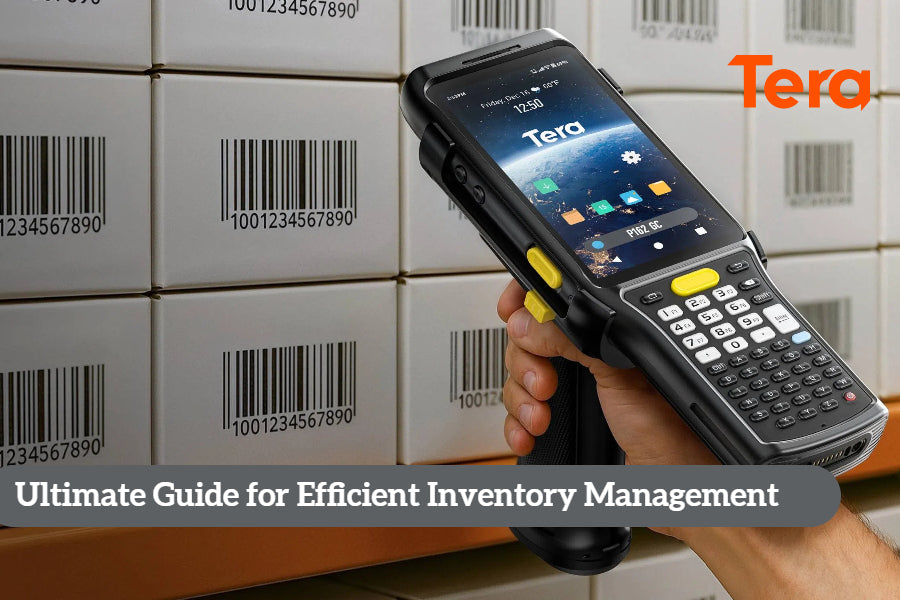
In high-volume operations, fixed mount scanners are mounted on conveyor lines. They automatically scan items as they pass by. This is crucial for sorting and tracking products efficiently without manual intervention. These scanners are designed for continuous operation.
They ensure that every item is captured as it moves through the system. This reduces errors and speeds up the flow of goods. Their placement on conveyors makes them a vital part of automated distribution centers.
Vehicle-Mounted Scanners for Forklift Operators
For operations involving forklifts, vehicle-mounted scanners are a practical solution. These scanners are attached to forklifts, allowing operators to scan inventory while moving pallets. This eliminates the need for operators to dismount, saving significant time.
They are designed to withstand the vibrations and movement associated with forklift operation. This ensures reliable scanning even in dynamic warehouse environments. It streamlines the process of put-away and retrieval.
Barcode Scanner Guns for Heavy-Duty Tasks
When you need to scan barcodes from a distance or in challenging conditions, barcode scanner guns are the answer. These are the classic ‘gun’ shaped scanners, often with extended range capabilities. They are built for durability and ease of use during long scanning sessions.
Their ergonomic design reduces fatigue for workers. The trigger-activated scanning is intuitive. For tasks requiring frequent scanning of items in high racks or across large areas, these are highly effective.
Wireless Inventory Scanners Improve Mobility
The freedom to move around the warehouse without being tethered by cables is a major advantage. Wireless inventory scanners provide this mobility. They connect via Wi-Fi or Bluetooth, allowing staff to scan items anywhere on the premises.
This connectivity is crucial for real-time updates to your inventory system. It allows for more accurate stock counts and faster task completion. Mobility directly boosts worker productivity across all warehouse functions.
2D Imagers vs Laser Scanners in Warehouses
Understanding scanner technology is key. 2D imagers can read advanced barcodes like QR codes and Data Matrix codes. These 2D codes hold more information than traditional 1D barcodes. Laser scanners are typically faster for reading standard 1D barcodes from a distance.
For modern inventory management, 2D imagers are often preferred. They offer greater data capacity and can read barcodes even if they are damaged or poorly printed. This versatility makes them suitable for a wider range of applications.
The Future of Warehouse Scanning in 2026
In 2026, warehouse inventory scanners are more integrated and intelligent than ever. We are seeing a strong trend towards devices running on familiar operating systems like Android. This allows for more complex applications to run directly on the scanner.
The focus on durability and battery life continues, with hot-swappable batteries becoming standard on many mobile computers. Expect to see even more specialized scanners, like advanced wearable devices and AI-powered imagers that can identify items even without a barcode. The push for real-time data and automation will only intensify, making these scanners indispensable tools for any logistics operation.
Your 3-Step Action Plan for Choosing a Warehouse Scanner
Step 1: Match the Scanner to Your Environment
Assess your warehouse conditions first. A dry, tidy facility can use standard devices, but dusty or cold spaces require IP65+ and wide temperature tolerance.
Step 2: Decide Between Standalone or Mobile Computer
If you need to run inventory apps independently, choose an Android mobile computer. If your scanner just sends data to a PC or tablet, a simpler Bluetooth model works.
Step 3: Check Scan Range and Symbology
For high shelves, select an extended-range scanner that reads up to 70 feet. Ensure it supports 2D barcodes like QR codes, which store more data and are becoming standard.
Common Mistakes to Avoid
Ignoring Drop Specifications
Don’t assume all rugged scanners survive the same falls. Look for a 10-foot drop rating to concrete if your team works on ladders or mezzanines.
Overlooking Battery Life
A scanner that dies mid-shift kills productivity. Choose models with hot-swappable batteries if you run multiple shifts.
Forgetting WMS Compatibility
Not all scanners integrate smoothly with your software. Verify with your IT team or vendor before buying.
Frequently Asked Questions
Can I use my smartphone as a warehouse scanner?
Yes, for light-duty use. Apps turn phone cameras into barcode readers, but they lack durability and battery life for full shifts in harsh environments.
What does IP68 mean for a scanner?
IP68 means the device is dust-tight and can survive submersion in water over 3 feet deep for 30 minutes. It’s essential for wet or dusty warehouses.
How often should I replace a warehouse scanner?
Most rugged scanners last 5 to 7 years with proper care. Replace them when battery life drops below 4 hours or the scan engine fails to read consistently.
Choosing the right scanner is a decision that directly impacts your team’s speed and accuracy. A device that matches your environment and workflow will pay for itself in reduced errors and faster operations.
Start by evaluating your daily tasks and warehouse layout. Then compare the top models from Zebra, Honeywell, and Munbyn to find your perfect fit.
Imagine your team gliding through aisles, scanning effortlessly with hands-free wearables. Real-time inventory updates flow to your system, and every pick is error-free.
