


Tired of fumbling for keys or worrying about lost ones? An RFID key card system lets you unlock doors with a simple tap, no physical contact needed. It’s a smarter, more secure way to control access that’s becoming standard in hotels, offices, and apartments.
Forget the old magnetic stripe cards that wear out or get demagnetized. RFID cards use radio waves to communicate with the reader, making them faster and more durable. Plus, they can be easily deactivated if lost, giving you peace of mind.
How an RFID Access Control System Works
An RFID key card system consists of three main parts: the credential (card or fob), the reader, and the control panel. When you tap your card near the reader, it powers up the chip inside using electromagnetic induction. The card then sends a unique ID number to the reader.
The reader passes that ID to the control panel, which checks it against a list of authorized users. If the ID matches, the control panel sends a signal to unlock the door. This whole process happens in less than a second, so you get quick, hands-free entry.
Most modern systems use high-frequency (13.56 MHz) technology, such as MIFARE or DESFire, which offer strong encryption to prevent cloning. For example, HID Global and Avigilon are top brands that provide enterprise-grade hardware with advanced security features. In 2026, these encrypted systems are the gold standard for protecting your property.
The Power of RFID Key Card Systems: Seamless Access for Today’s World

RFID key card systems represent a major leap in how we control access. They use radio waves, not physical contact, to let people in. This means no more swiping or fumbling with old-style cards. Just a simple tap or wave is all it takes.
These systems are smart and secure. They read information from your card or fob and instantly check if you’re allowed in. This makes them perfect for everything from hotels to busy offices, offering both convenience and peace of mind. They are a cornerstone of modern RFID access control.
| Feature | Description | Security Level | Typical Use |
| Low Frequency (125 kHz) | Basic proximity, unencrypted | Low | Simple office entry, residential gates |
| High Frequency (13.56 MHz) | NFC/Smart Card, encrypted | High | Hotels, corporate offices, secure areas |
| Ultra-High Frequency (UHF) | Long range (meters) | Varies | Vehicle access, asset tracking |
RFID Access Control: How It Works
At its core, an RFID access control system uses radio frequency identification. A reader sends out radio waves, which power a small chip and antenna inside your key card or fob. This chip contains a unique ID number.
Read also: Card Reader Access Control Systems: Which Type Actually Protects You?
The reader picks up this ID and sends it to a central control panel. This panel checks the ID against a list of authorized users. If it matches, the panel tells an electronic lock to open, granting you access. It’s a quick and efficient process.
The security of your RFID system depends heavily on the frequency used. High-frequency systems offer much better protection against unauthorized copying.
Hotel RFID Key Card Benefits
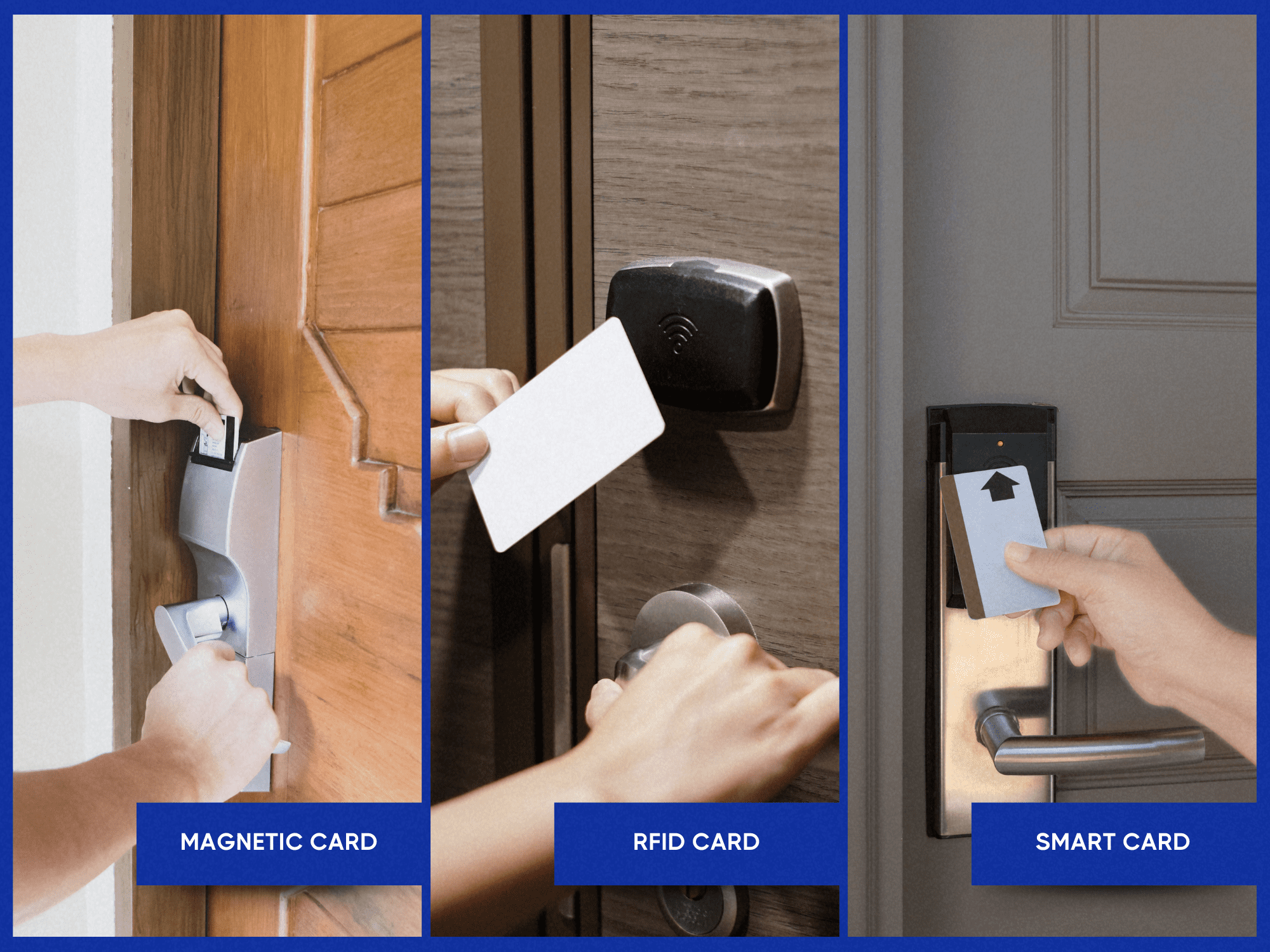
For hotels, an RFID key card system is a game-changer. It provides a much better guest experience. Guests can simply tap their card to open their room door, no swiping needed.
These systems also boost security. Each card has a unique code, and hotel staff can easily change access permissions. This means if a card is lost, it can be deactivated instantly, preventing unauthorized entry. It’s a key part of a secure hotel RFID key card setup.
Contactless Key Card vs. Magnetic Stripe
The difference is significant. Magnetic stripe cards require a physical swipe, and the data is easily damaged or copied. They are prone to wear and tear.
Read also: Plastic Loyalty Cards That Last Years Without Breaking the Bank
Contactless key card systems, like RFID, simply need to be brought near a reader. This contactless interaction is faster and more reliable. The data is also harder to copy, especially with encrypted high-frequency cards.
Proximity Card Access for Offices
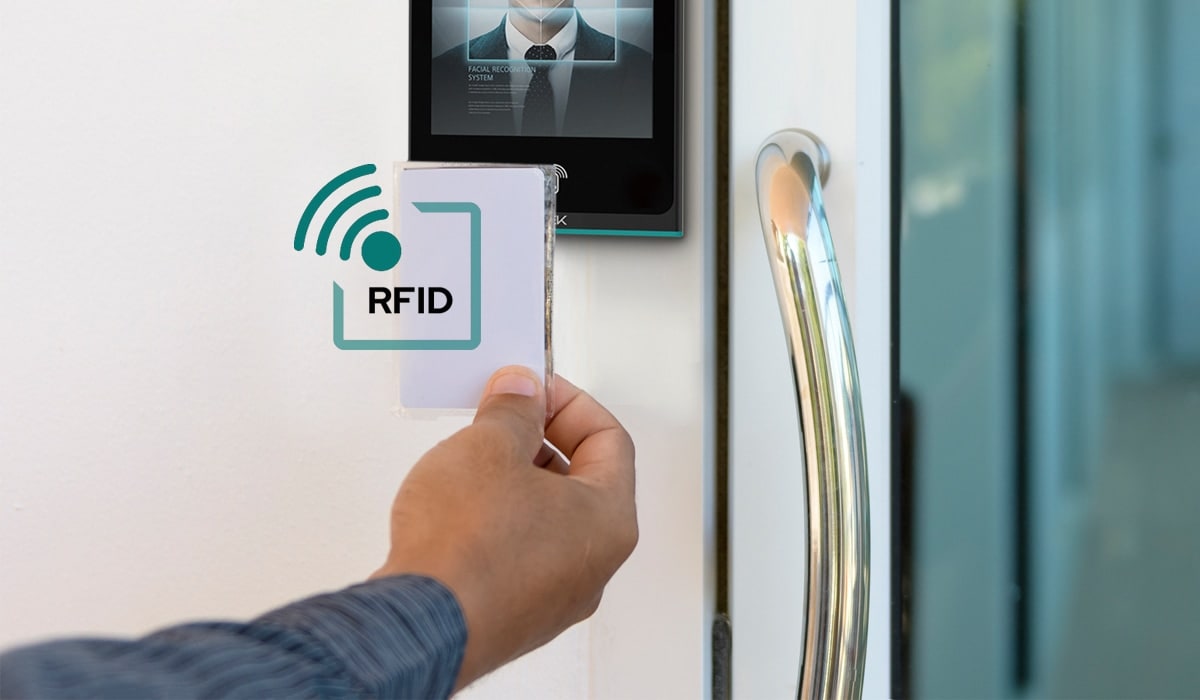
Offices benefit greatly from proximity card access. It streamlines entry for employees, making the morning rush smoother. No more waiting in line to swipe a card.
These systems also enhance security. You can easily track who enters and when. For businesses, this level of control is vital for maintaining a safe working environment. It’s a smart move for any office looking to upgrade its security.
Implementing an RFID door lock system requires careful planning. Ensure your chosen hardware and credentials are compatible for smooth operation.
RFID Door Lock System Installation
Installing an RFID door lock system involves a few key steps. First, you need to mount the RFID reader near the door. Then, connect it to a control panel, which manages the access permissions.
Finally, you install an electronic lock, like an electric strike or magnetic lock, on the door itself. This lock is wired to the control panel. The entire setup ensures that only authorized individuals can open the door.
Smart Card Entry System Security
Smart card entry systems offer robust security. They use high-frequency technology, often with strong encryption. This makes it very difficult for unauthorized individuals to clone or hack the cards.
The unique identifiers on these cards are hard to duplicate. This level of security is essential for protecting sensitive areas or valuable assets. It’s why many businesses choose smart card entry systems.
RFID Reader for Doors: Types and Range
RFID readers for doors come in various types, mainly defined by their operating frequency. Low-frequency readers (125 kHz) have a short read range, typically a few inches. They are simpler and less secure.
High-frequency readers (13.56 MHz) offer a slightly longer range and much better security due to encryption capabilities. UHF readers (860–960 MHz) provide the longest range, allowing access from several feet away, ideal for gates and vehicle access.
When selecting RFID credentials, consider the environment. Cards are common, but fobs and wristbands can be more durable or convenient for specific uses.
RFID Credentials: Cards, Fobs, and Tags
RFID credentials are the physical items that hold your access information. The most common are plastic cards, similar to credit cards. They are easy to distribute and use.
However, you can also find RFID fobs, which are small keychains, or tags that can be attached to items. These options offer flexibility depending on user preference and the specific application, like an RFID gate access system.
The Future is Contactless: RFID’s Enduring Role in 2026
In 2026, RFID key card systems remain a vital part of access control. Their durability, ease of use, and strong security features, especially with encrypted smart cards, keep them ahead. They offer a reliable way to manage who gets in where.
While mobile access using smartphones is growing, RFID systems are not disappearing. They offer a proven, secure, and user-friendly solution that many businesses and institutions still rely on. Expect to see continued innovation in this space, making access even more seamless.
Read also: Membership Card Printer: Which Type Saves You the Most Money?
Your 3-Step Action Plan for RFID Key Card Systems
Step 1: Assess Your Security Needs
Determine the required security level for your application. Low-frequency (125 kHz) systems are affordable but vulnerable to cloning, while high-frequency (13.56 MHz) systems with encryption offer robust protection.
Step 2: Choose Compatible Hardware
Select a reader and control panel that support your chosen credential type. Ensure the form factor matches your door type, whether electric strike, magnetic lock, or smart lock.
Step 3: Source Credentials and Test
Order RFID cards or fobs in bulk from a reputable supplier. Test the system with multiple credentials to verify read range and reliability before full deployment.
Frequently Asked Questions
Can I use my smartphone as an RFID credential?
Yes, if your reader supports NFC (13.56 MHz) and you use a compatible app or mobile credential service. This allows you to unlock doors with a tap of your phone.
How do I prevent RFID card cloning?
Use high-frequency (13.56 MHz) credentials with encryption, such as MIFARE DESFire. Avoid low-frequency (125 kHz) cards, as they transmit unencrypted data that can be easily copied.
What is the typical read range for RFID key cards?
Low-frequency systems read at 1-2 inches, high-frequency at 1-4 inches, and UHF systems can read from several feet. Choose based on whether you want proximity or touchless convenience.
RFID key card systems remain a reliable and secure choice for access control in 2026, especially when you opt for encrypted high-frequency credentials. They offer a balance of convenience, durability, and cost-effectiveness that suits both residential and commercial needs.
To take the next step, evaluate your current access control setup and identify areas where contactless entry would improve security or user experience. Contact a professional integrator to design a system tailored to your property.
As technology evolves, expect RFID to integrate seamlessly with mobile credentials and smart building platforms, creating a truly frictionless entry experience. The future of access is contactless, secure, and effortlessly integrated into your daily routine.
