


Getting blocked or hit with endless CAPTCHAs while trying to manage accounts or scrape data? That frustrating loop costs you time and money. Residential SOCKS5 proxies fix this by routing your traffic through real home IPs, making you look like a regular user to any website.
Unlike HTTP proxies that only handle web traffic, SOCKS5 works at the network transport layer. That means it supports any app or protocol—email, torrents, streaming, VoIP—without slowing you down. It’s a single, powerful tool for bypassing bans and staying anonymous.
What Makes Residential SOCKS5 Proxies Different from Regular Proxies
The key difference is trust. Residential IPs come from real ISPs like Comcast or AT&T, assigned to actual homes. Websites flag datacenter IPs instantly, but residential IPs have high trust scores, so you rarely hit CAPTCHAs or bans. For example, providers like Oxylabs offer static residential SOCKS5 for fixed IPs, ideal for managing e-commerce accounts, while rotating residential SOCKS5 from IPRoyal cycles IPs automatically for large-scale scraping.
Another advantage is speed. SOCKS5 proxies have minimal encryption overhead compared to VPNs, so you get faster connections for tasks like live streaming or P2P torrenting. They also support UDP and TCP, making them universal for any network tool. Plus, you can target specific locations—country, state, even city—to mimic local users and access geo-blocked content.
Unlocking the Internet’s True Potential with Residential SOCKS5 Proxies
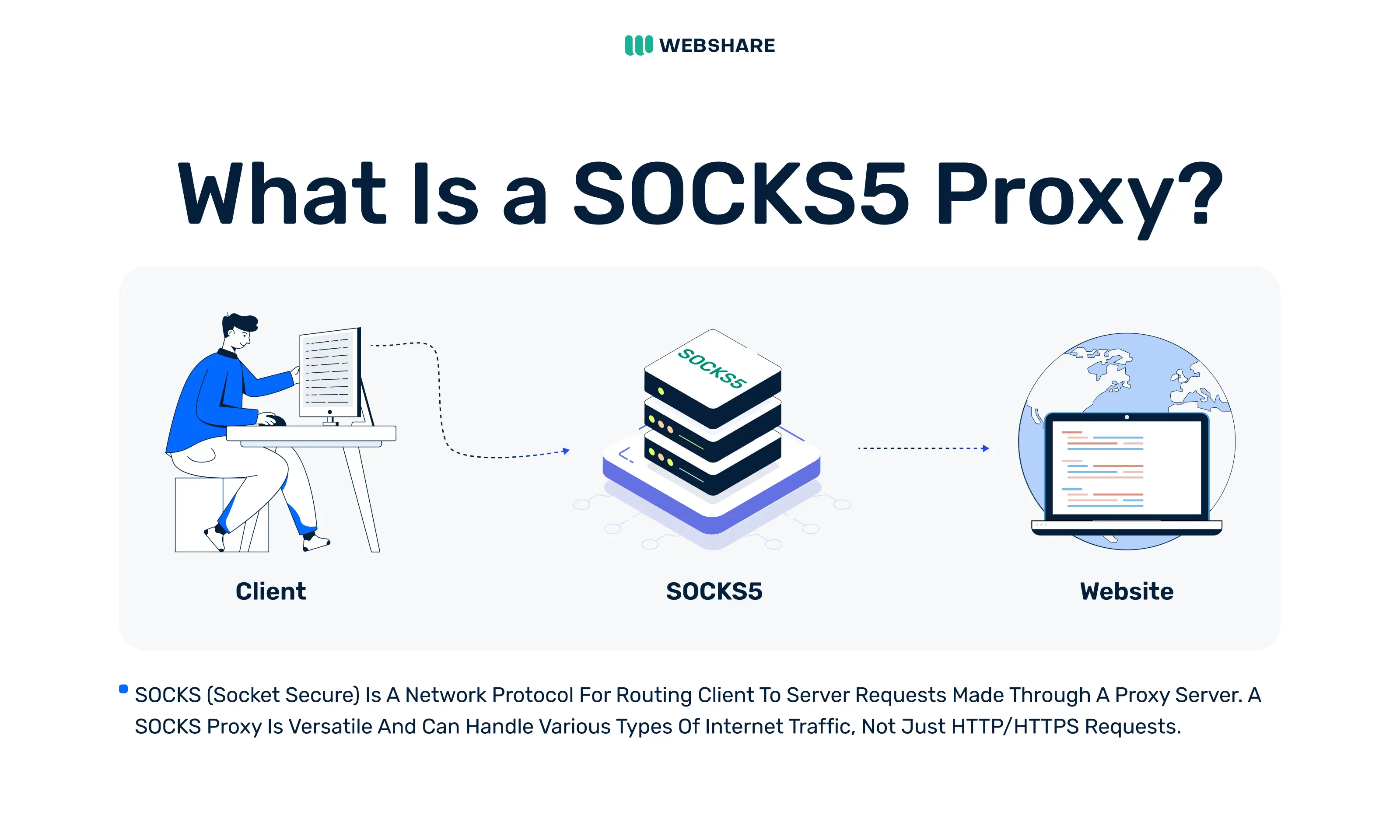
In 2026, navigating the digital world demands more than just a connection; it requires sophisticated tools for privacy and access. Residential SOCKS5 proxies offer a powerful solution by routing your internet traffic through genuine IP addresses assigned to real homes by Internet Service Providers. This method provides a high level of anonymity and trust, making your online activities appear as if they originate from a typical user.
Unlike simpler proxy types, the SOCKS5 protocol operates at a deeper network level. This allows it to handle virtually any type of internet traffic, from web browsing to file transfers and even voice calls. Its flexibility and robust performance make it an essential tool for professionals and businesses alike who need reliable and masked online access.
| Feature | Description |
| Protocol | SOCKS5 |
| IP Type | Residential (ISP Assigned) |
| Layer | Network Transport Layer |
| Traffic Support | HTTP, HTTPS, FTP, SMTP, POP3, UDP, TCP |
| Speed | High (minimal encryption overhead) |
| Trust Score | High (due to real residential IPs) |
| Use Cases | Web Scraping, Data Harvesting, Market Research, Account Management, P2P, Streaming |
| Risk Reduction | Website Bans, CAPTCHAs |
What Is a Residential SOCKS5 Proxy
A Residential SOCKS5 proxy acts as an intermediary for your internet connection. It uses an IP address that belongs to a real home user, making your online presence indistinguishable from that of a regular person. This is crucial for tasks where anonymity and authenticity are paramount, helping you avoid detection and restrictions.
Read also: Rotating datacenter proxies: never get blocked again for scraping
The SOCKS5 protocol is key here. It’s designed to be versatile, supporting a wide range of applications and network protocols. This means it can handle almost any kind of data you send or receive online, providing a seamless experience across different services and platforms.
Rotating vs Static Residential SOCKS5 Proxies
When choosing residential proxies, you’ll encounter two main types: static and rotating. Static Residential (ISP) Proxies provide you with a single, consistent residential IP address. These are excellent for maintaining a stable online identity, ideal for managing e-commerce or social media accounts where frequent IP changes could trigger security alerts.
Static IPs offer predictability for long-term tasks. They are often hosted in data centers but announced via consumer ISPs, ensuring 24/7 uptime and reliability for critical business operations.
On the other hand, Rotating Residential Proxies automatically switch to a new IP address at set intervals or after each task. This is invaluable for large-scale web scraping or data harvesting, as it prevents your activity from being linked to a single IP, significantly reducing the chances of being blocked or flagged.
SOCKS5 Proxy Protocol and How It Works
The SOCKS5 protocol is a powerful tool because it works at the network transport layer. This means it can handle any type of traffic, including HTTP, HTTPS, FTP, and even UDP and TCP. It does not rely on specific application protocols, offering universal application support.
Read also: Proxy-Sale Is Now Geonix: Why 20M IPs Matter for Your Tasks
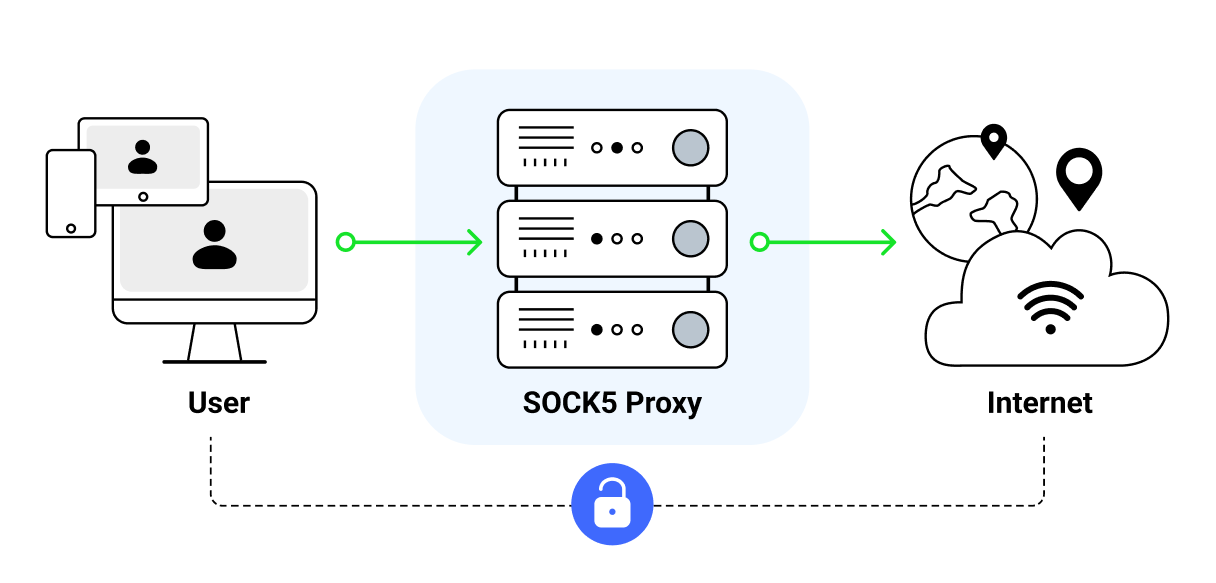
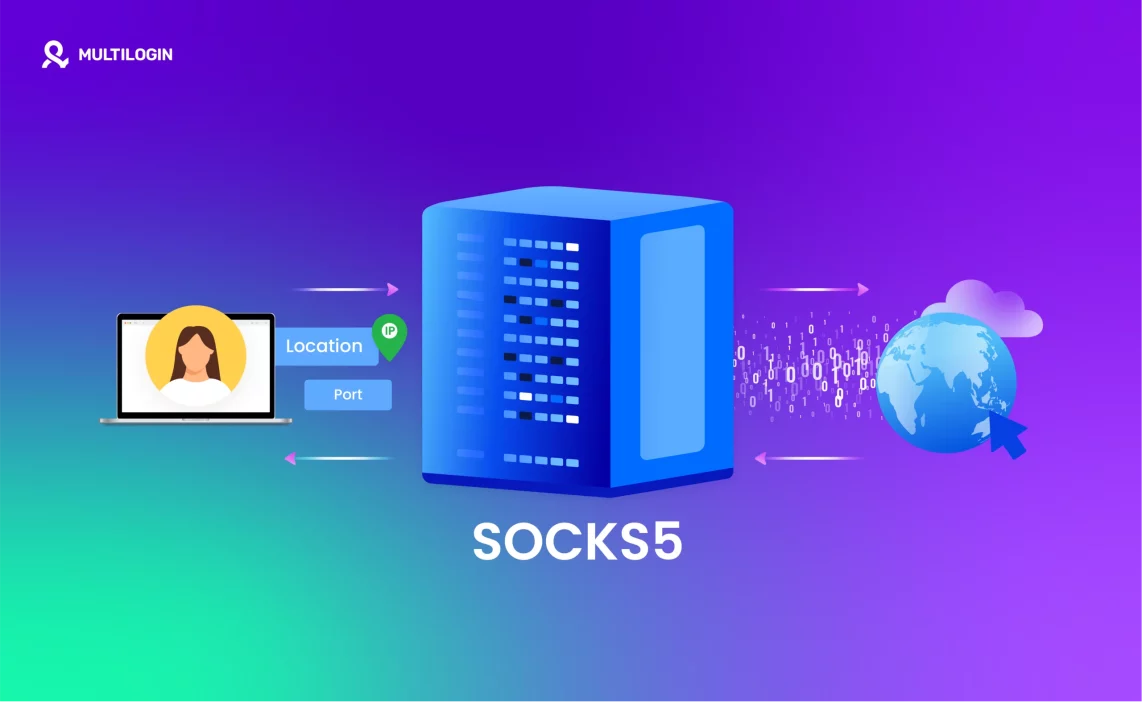
When you use a SOCKS5 proxy, your request goes to the proxy server first. The server then forwards your request to the target website or service using its own residential IP address. The response travels back through the proxy server before reaching you, effectively masking your original IP address and providing robust identity masking.
Top Use Cases for Residential SOCKS5 Proxies
Residential SOCKS5 proxies are indispensable for a variety of demanding online tasks. Their ability to mimic real users makes them perfect for web scraping and automated data harvesting, allowing you to collect information without raising red flags.
They are also vital for managing multiple online accounts, such as those for e-commerce or social media platforms. By using different residential IP addresses, you can maintain separate profiles without triggering account security measures. Furthermore, they enhance experiences with P2P torrenting, live streaming, and VoIP services due to their speed and reliability.
SOCKS5 vs HTTP Proxies for Web Scraping
For tasks like web scraping, the choice between SOCKS5 and HTTP proxies is significant. HTTP proxies are simpler and work at the application layer, primarily handling web traffic (HTTP/HTTPS). They are often faster for basic web requests but lack the versatility of SOCKS5.
SOCKS5 proxies, however, operate at a lower network level. This protocol agnostic proxy capability means they can handle any type of internet traffic, not just web requests. This makes them superior for complex scraping tasks that might involve different protocols or require more robust connection handling, offering better performance and fewer compatibility issues.
How to Choose a Residential SOCKS5 Provider
Selecting the right provider is crucial for effective proxy use. Consider factors like the quality and origin of the IP addresses, the speed and reliability of the service, and the availability of features like geo-targeting. Some providers offer ethically sourced IPs, which is an important consideration for long-term, compliant operations.
In 2026, top providers like Oxylabs, IPRoyal, and Webshare offer different strengths. Oxylabs is known for enterprise-grade solutions, while IPRoyal provides budget-friendly options. Evaluate your specific needs, such as the volume of data you require and the geographic locations you need to target, to make the best choice.
Setting Up SOCKS5 Proxies in Anti-Detect Browsers
Integrating SOCKS5 proxies into anti-detect browsers is a common practice for maintaining multiple, distinct online identities. These browsers are designed to prevent websites from tracking users across sessions or profiles.
The setup typically involves navigating to the browser’s proxy settings and entering the details of your SOCKS5 proxy. This usually includes the proxy server’s IP address, port number, and authentication credentials if required. Ensuring the proxy is correctly configured is vital for the browser to route all traffic through the masked IP.
SOCKS5 Proxy Authentication Methods
Residential SOCKS5 proxies often come with different authentication methods to secure access. The most common are IP whitelisting and username/password authentication. IP whitelisting allows access only from pre-approved IP addresses, which is useful if you have a static IP for your connection.
Username and password authentication provides a more flexible security layer. You receive unique login credentials from your provider, which you then use to connect to the proxy server. This method is essential for shared proxy pools or when accessing proxies from various locations or devices.
The Future of Online Access: Expert Verdict for 2026
Residential SOCKS5 proxies are not just a trend; they are a fundamental tool for the modern internet user in 2026. Their ability to provide high anonymity, bypass restrictions, and support diverse applications makes them indispensable for professionals engaged in data collection, online marketing, and secure account management.
As the internet becomes more complex and regulated, the demand for reliable and sophisticated proxy solutions will only grow. The versatility and performance of SOCKS5, combined with the trust of residential IPs, position these proxies as a leading technology for ensuring seamless and secure online operations for years to come.
Read also: Tired of Getting Blocked? Proxy Rotation Keeps Your Scraping Running
Your 3-Step Action Plan for Residential SOCKS5
Step 1: Choose Your Proxy Type
- For long-term account management, pick static residential (ISP) proxies.
- For large-scale data harvesting, rotating proxies are your best bet.
Step 2: Select a Reliable Provider
- Compare Oxylabs for enterprise, IPRoyal for budget, and Webshare for customization.
- Read recent reviews and test with a small plan before committing.
Step 3: Configure and Test
- Generate your SOCKS5 endpoint and authenticate via IP whitelist or user/pass.
- Test the proxy with a simple cURL command before deploying in your scraper.
Frequently Asked Questions
Are residential SOCKS5 proxies legal?
Yes, using them is legal as long as you comply with website terms of service.
However, prohibited activities like hacking or fraud remain illegal regardless of proxy use.
What is the difference between SOCKS5 and HTTP proxies?
SOCKS5 works at a lower network layer, supporting all protocols including UDP.
HTTP proxies only handle web traffic and often introduce more latency.
Can I use SOCKS5 for streaming or gaming?
Yes, SOCKS5 is excellent for streaming and gaming due to low overhead and UDP support.
But ensure your provider offers sufficient bandwidth and low ping for real-time applications.
Residential SOCKS5 proxies remain the gold standard for anonymity and access in 2026.
Their blend of speed, trust, and versatility outperforms most alternatives for advanced tasks.
Now it’s time to pick a provider that matches your scale and budget.
Start with a small test plan and scale up as you validate performance.
Imagine a future where every online move is seamless, secure, and invisible.
That future is built on the quiet power of a well-chosen proxy.
