


Getting your IP blocked mid-scrape is frustrating and wastes time. Proxy rotation solves that by swapping your IP address automatically with each request or at set intervals. It keeps your data collection running smoothly without triggering rate limits or getting banned.
Many people think any proxy will do, but that is not true. Residential IPs from providers like Bright Data or Oxylabs look like real users and are much harder to detect. Datacenter proxies are cheaper but get blocked fast. Choosing the right type is key to staying under the radar in 2026.
How Proxy Rotation Works with Backconnect Gateways and IP Pools
A backconnect gateway server sits between your scraper and the target site. It pulls a fresh IP from a large pool for each connection, so your requests seem to come from many different locations. This method is called request-based rotation and is the most effective for avoiding IP blocks and rate limiting.
Time-based rotation changes your IP after a set period, like every 5 minutes. This works well for tasks that need a sticky session, such as keeping a login active. However, if a site detects rapid requests from one IP, you can still get banned. Mixing both strategies gives you the best protection.
The Power of Proxy Rotation: Unlocking Data Access
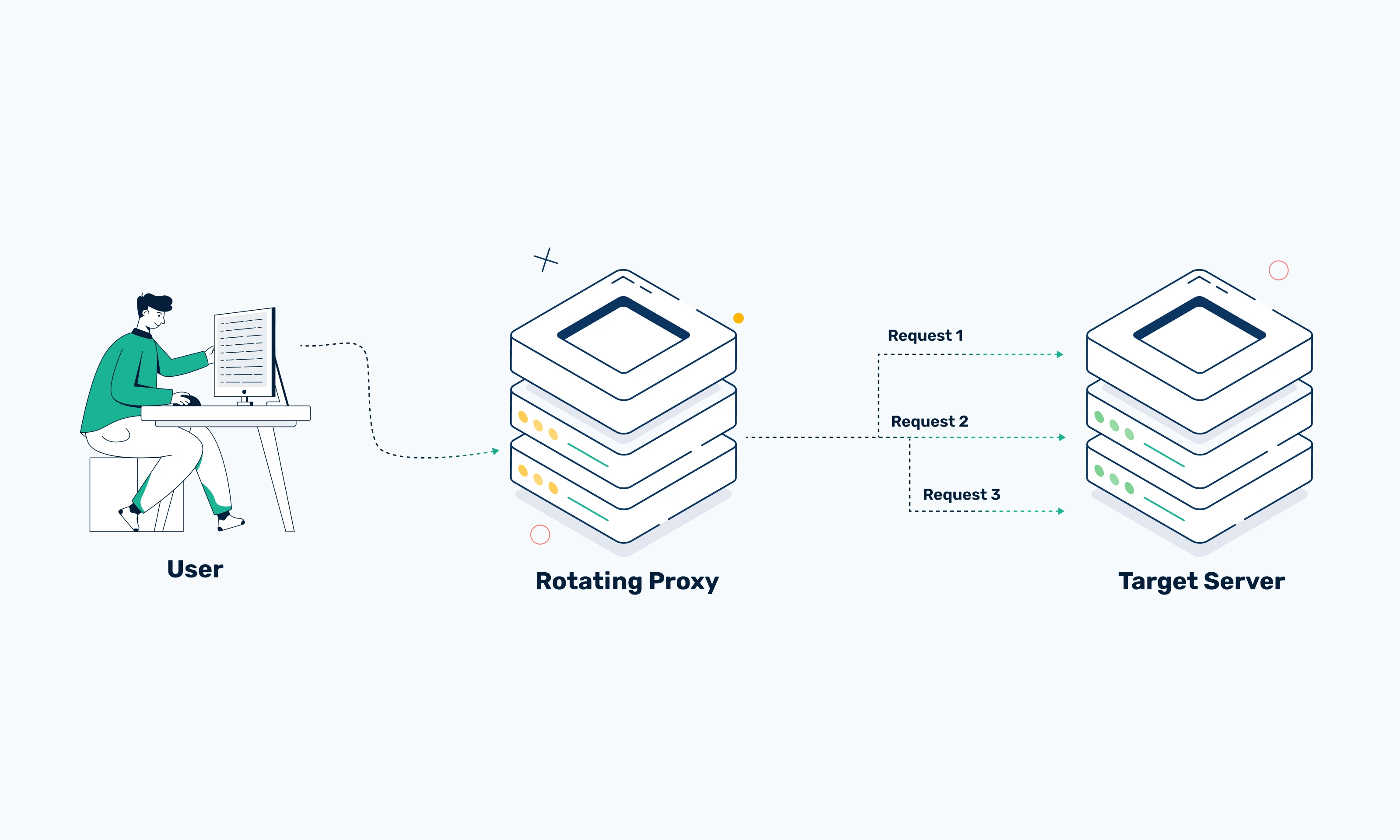
In today’s digital world, accessing information efficiently and anonymously is key. Proxy rotation is a smart technique that helps you do just that. It means your internet connection can use many different IP addresses instead of just one. This is super important for automated tasks, like gathering lots of data from websites.
Think of it like having a different disguise for every time you visit a store. Websites see a new person each time, making it hard for them to track you or stop your activity. This method is essential for tasks like large-scale web scraping and market research, ensuring your data collection runs smoothly without getting blocked.
| Feature | Description | Use Case |
|---|---|---|
| Dynamic IP Change | Automatically switches your IP address for each request or after a set time. | Bypassing rate limits, preventing IP blocks. |
| Diverse IP Sources | Uses datacenter, residential, and mobile IPs. | Mimicking real users, accessing geo-restricted content. |
| Session Management | Sticky sessions maintain a consistent IP for a single task. | Logging into websites, completing multi-step processes. |
Backconnect Gateway for Proxy Rotation
A backconnect gateway server is the brain behind effective proxy rotation. It acts as a central point that manages a large pool of IP addresses. When your task needs to connect to a website, the gateway picks an available IP from its pool and routes your request through it. This sophisticated setup ensures that your automated activities appear to come from many different sources, making them much harder to detect and block.
Read also: socks5. proxies. buy. smart: the 2026 comparison you need
This dynamic routing is crucial for avoiding the attention of anti-bot systems. By constantly changing the IP address, the gateway prevents target websites from identifying and flagging a single source of traffic. It’s a fundamental component for any serious data extraction operation that needs to remain undetected.
Rotating Residential IP Addresses
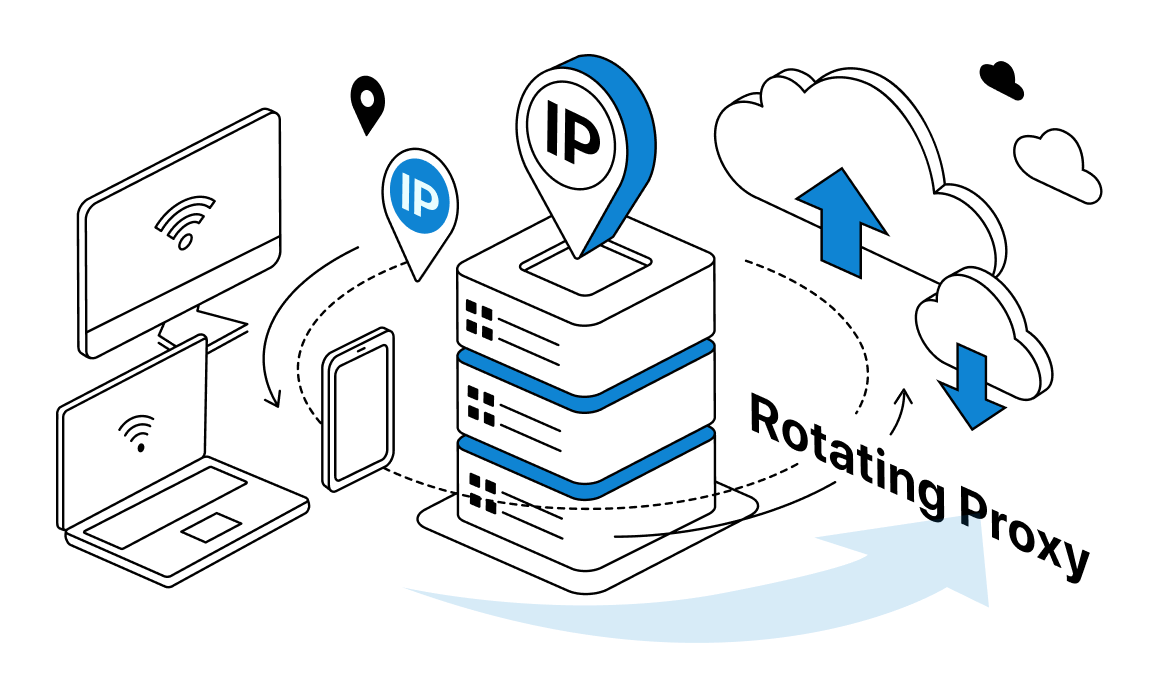
Using residential IP proxies is one of the most effective ways to rotate your IP address. These IPs come from actual home internet connections, just like yours. Websites see these IPs as regular users, making them less likely to trigger security measures. This high level of legitimacy is invaluable for tasks where anonymity and trust are paramount.
The advantage of residential IPs is their authenticity. Unlike datacenter IPs, which can be easily identified as coming from servers, residential IPs blend in with normal internet traffic. This makes them ideal for bypassing strict restrictions and accessing content that might otherwise be unavailable due to geographical limitations or advanced anti-bot solutions.
The authenticity of residential IPs provides a significant advantage in bypassing stringent website restrictions and avoiding detection.
Avoiding IP Blocks with Proxy Rotation
Websites often implement measures to block IP addresses that send too many requests too quickly. This is known as rate limiting. Proxy rotation is your best defense against this. By distributing your requests across a vast proxy pool, you avoid hitting these limits with any single IP address. This prevents your entire operation from being shut down by IP blocks.
Read also: Residential SOCKS5 Proxies: Why They Beat Datacenter Ones
When one IP gets flagged or blocked, the rotation system automatically switches to a new, clean IP. This ensures your automated tasks continue uninterrupted. It’s a vital strategy for maintaining consistent access to online data sources, especially when performing large-scale web scraping or market research.
Request-Based vs Time-Based Rotation
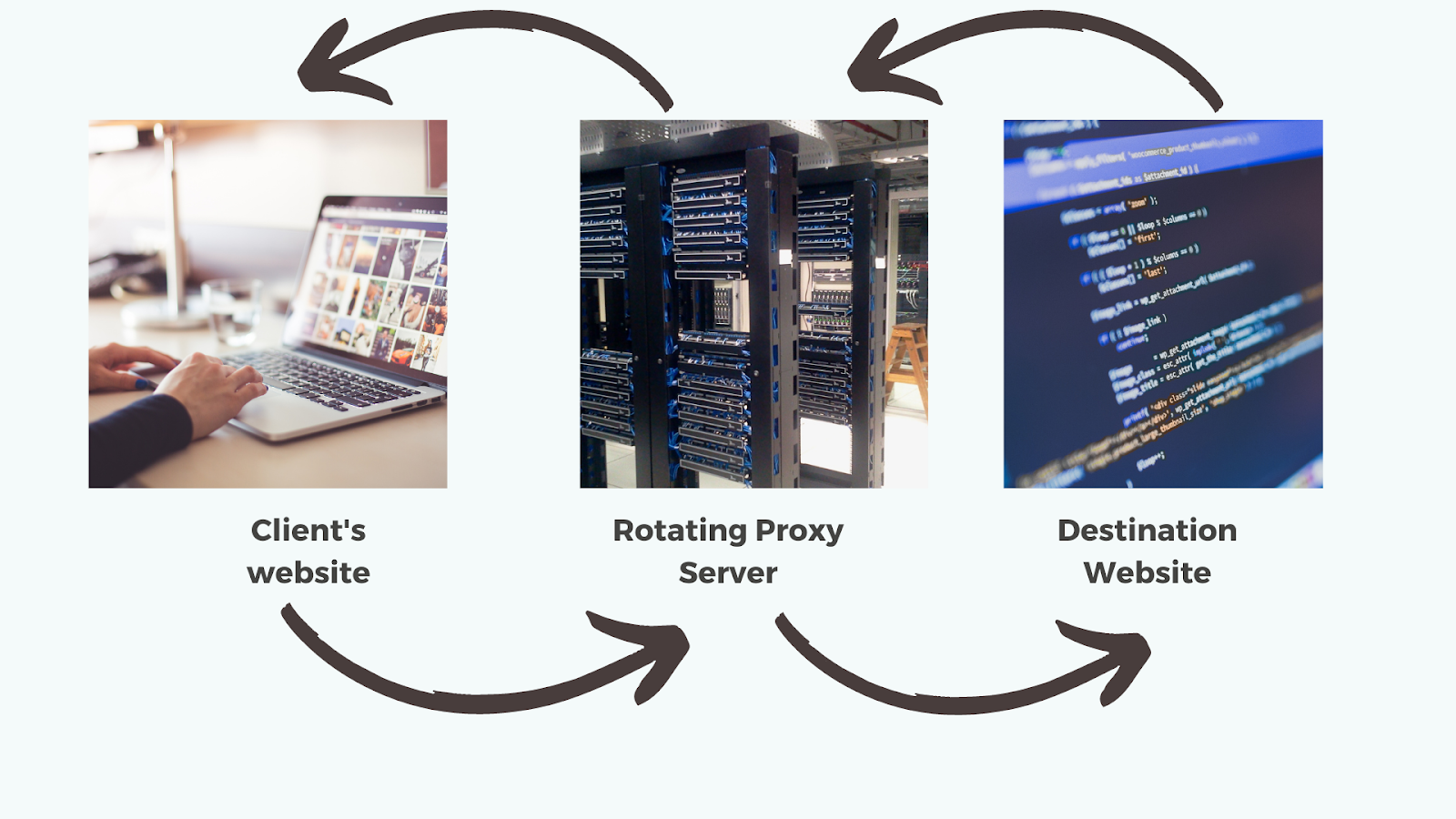
There are two main ways proxy rotation happens. Request-based rotation assigns a new IP address for every single request you make. This offers maximum anonymity but can sometimes disrupt sessions if a website needs you to stay on the same IP. Time-based rotation, on the other hand, changes your IP address after a specific period, like every 5 minutes.
Choosing between these depends on your specific needs. If your task requires absolute anonymity for each step, request-based is better. If you need a stable connection for a longer duration but still want to change IPs periodically, time-based rotation is the way to go. Understanding these differences helps you optimize your proxy management strategy.
Building a Proxy Pool with Diverse IPs
A robust proxy rotation strategy relies on a diverse proxy pool. This means having a mix of different types of IP addresses. Datacenter IPs are fast and cheap, good for general tasks. Residential IPs offer high legitimacy for sensitive operations. Mobile IPs, coming from cellular networks, are often seen as the most trustworthy.
Combining these IP types in your pool gives you flexibility. You can use datacenter IPs for bulk tasks and switch to residential or mobile IPs when you encounter stricter security. This varied approach ensures you can handle a wide range of websites and bypass various anti-bot solutions effectively.
A diverse proxy pool is the backbone of successful, uninterrupted data collection.
Self-Hosted Proxy Rotator Setup
For those who want more control and potentially lower costs, setting up your own proxy rotator is an option. This involves using software or scripts to manage your own list of proxy servers. Tools like the Rota engine on GitHub can help you build a custom solution. You are responsible for acquiring and maintaining the proxies in your pool.
This approach requires technical knowledge. You need to understand how to set up servers, manage proxy lists, and implement rotation logic. However, it offers the highest degree of customization and can be more cost-effective for very large-scale operations compared to using a managed service. It’s a path for those comfortable with server management and coding.
Python Script for Proxy Rotation
Developers often integrate proxy rotation directly into their applications using code. A common method is to write a Python proxy script. This script manages a list of proxies, tests their availability, and selects an appropriate proxy for each request. Libraries can simplify this process, but custom logic often provides the best results.
By scripting proxy rotation, you gain fine-grained control over how and when your IP addresses change. You can build complex rules based on website responses or task requirements. This programmatic approach is essential for automating data extraction tasks that require dynamic IP switching and sophisticated error handling.
Sticky Sessions in Proxy Rotation
Sometimes, you need to maintain the same IP address for a series of related actions. This is where sticky sessions come in. Instead of rotating the IP for every single request, sticky sessions keep the IP consistent for the duration of a specific task, like logging into a website or completing a purchase. This is crucial for preserving session data and ensuring tasks don’t fail due to unexpected IP changes.
While the core idea of proxy rotation is to change IPs, sticky sessions offer a vital exception for tasks that require session continuity. They allow you to benefit from the anonymity of rotation while ensuring that critical, multi-step processes complete successfully. It’s a balance between dynamic access and stable connection.
The Future of Proxy Rotation in 2026
As of 2026, proxy rotation is more critical than ever. Websites are constantly improving their anti-bot measures, making simple scraping methods obsolete. Advanced detection techniques mean that using a diverse and well-managed proxy pool, especially with residential and mobile IPs, is no longer optional but a necessity for serious online data work.
The trend is towards more sophisticated solutions, both from providers and for self-hosted setups. Expect to see continued innovation in IP sourcing and evasion techniques. For anyone involved in automated data collection, understanding and implementing robust proxy rotation strategies is key to staying ahead and ensuring continuous access to the information you need.
Read also: Best ip royal proxy for cheap web scraping in 2026
Your Quick Action Plan for Proxy Rotation
Step 1: Define Your Rotation Strategy
Choose between request-based or time-based rotation based on your target website’s behavior.
For scraping e-commerce sites, use sticky sessions to maintain cart state.
Step 2: Select Your Proxy Type
Datacenter proxies are cheap but often blocked; residential proxies offer better stealth.
Mobile proxies are the most reliable for avoiding detection but cost more.
Step 3: Implement with the Right Tool
Use a provider like Bright Data for turnkey solutions or self-host Rota for full control.
If you code, integrate rotation via Python requests with a proxy pool.
Common Mistakes to Avoid
- Using only datacenter IPs for high-security targets.
- Setting too fast rotation that triggers behavioral analysis.
- Ignoring IP diversity across geographies.
Frequently Asked Questions
Does proxy rotation guarantee I won’t get blocked?
No, but it significantly reduces the risk by distributing requests across many IPs.
Advanced anti-bot systems can still detect patterns like request timing.
Can I use free proxy lists for rotation?
Free proxies are unreliable, slow, and often already blacklisted.
They also pose security risks as they may log your traffic.
How many proxies do I need for effective rotation?
For small projects, 50-100 IPs suffice; enterprise scraping may need thousands.
The key is diversity in IP range and geography, not just quantity.
Proxy rotation is not optional for serious data collection; it is the standard.
Choosing the right mix of IPs and rotation logic keeps your operations running smoothly.
Start small with a residential proxy trial to test your rotation strategy.
Then scale up as you see which settings work best for your targets.
The future of web scraping demands even smarter rotation that mimics human behavior.
Stay ahead by continuously updating your proxy pools and rotation algorithms.
