


You just got your notary commission, and now you need a stamp and journal. But buying the wrong one can get your documents rejected. Don’t waste money on supplies that don’t meet your state’s rules.
A notary stamp and journal are your two most important tools. The stamp seals your authority, and the journal records every act you perform. Get them right from the start, and you’ll save time and avoid legal headaches.
Why You Need a State-Compliant Notary Stamp and Journal Bundle
Not every notary stamp works in every state. In 2026, states like California and Texas require your stamp to show your full name, commission number, and expiration date. A self-inking stamp is the most popular choice because it gives thousands of clean impressions before needing a refill.
Your notary journal must record each transaction in detail: the date, time, document type, names of signers, and type of notarization. A good bundle, like those from the National Notary Association (NNA), costs between $50 and $80 and includes both a compliant stamp and a logbook. This saves you from buying separate items that might not match your state’s rules.
| Product | Average Price ($) | Highlight |
|---|---|---|
| Basic Notary Stamp | 20 | Self-inking, quick to use. |
| Standard Notary Journal | 25 | Hardcover, 200 pages. |
| Notary Stamp and Journal Bundle | 50 | State compliant kit. |
| Custom Notary Stamp and Record Book | 65 | Personalized with your details. |
| State Compliant Notary Kit | 70 | Includes seal and logbook. |
| Notary Public Seal and Logbook | 75 | Meets official requirements. |
| Official Notary Stamp and Journal Set | 80 | All-in-one solution. |
| Premium Notary Kit (CA Compliant) | 95 | California specific requirements. |
| Notary Signing Agent Kit | 110 | Includes specialized tools. |
| Notary Association Membership + Supplies | 150 | Includes insurance and resources. |
WHAT REALLY WORKS
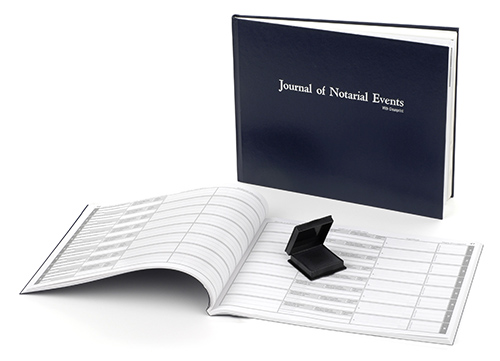
A notary stamp and journal are vital for official record-keeping. Your stamp must clearly show your name, commission number, and expiration date. This ensures every notarization is legally valid and traceable.
Journals must be tamper-proof and allow detailed entries. This protects you and the public. Using compliant tools prevents legal issues and upholds your professional integrity.
Notary Stamp and Journal Bundle for Efficiency
When choosing a notary stamp and journal bundle, always check state compliance first. Ensure the stamp has all required information. The journal should have enough pages for your expected volume of work. Look for durable materials for both items.
1. Basic Notary Stamp
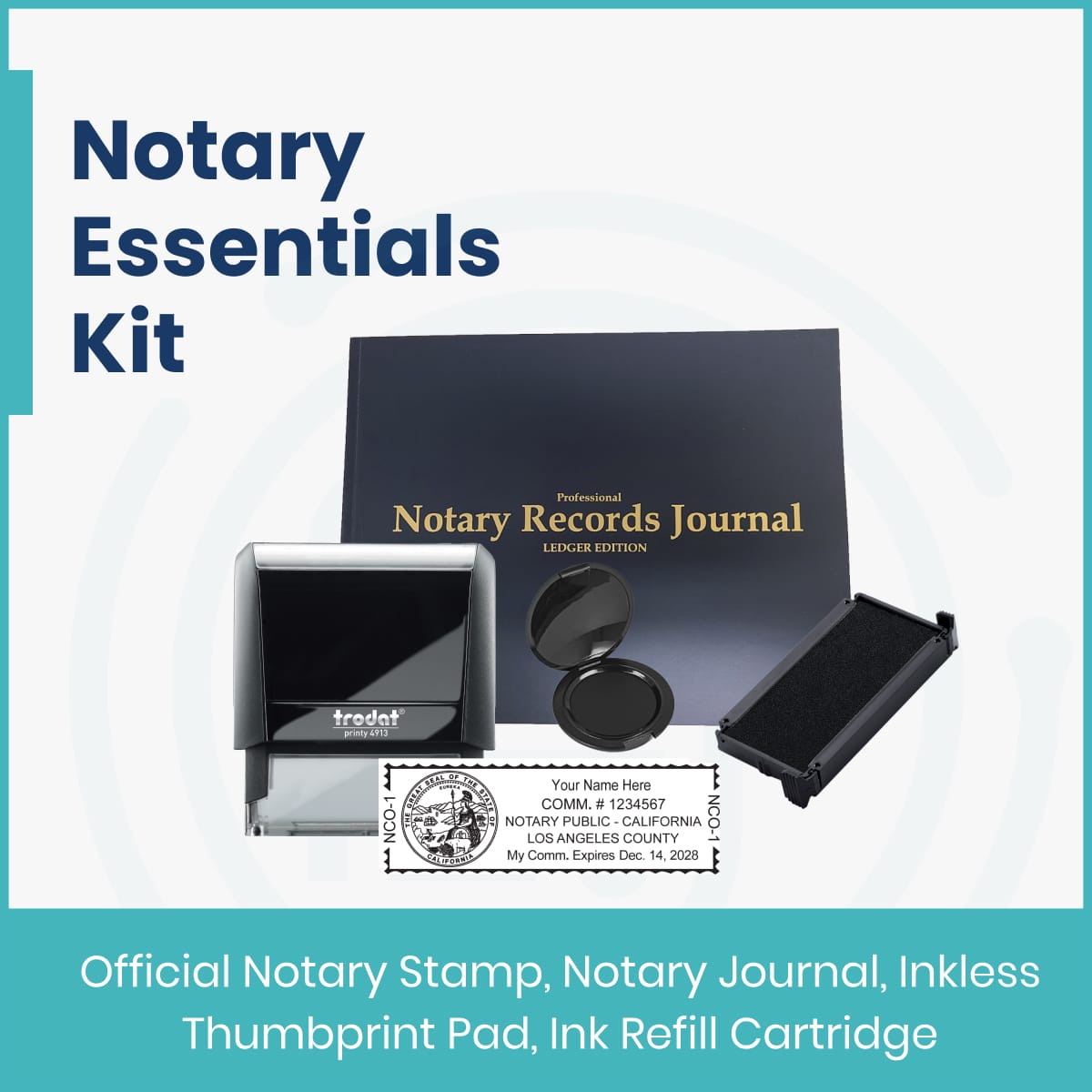
A simple self-inking notary stamp is a workhorse. It provides thousands of clear impressions. This makes your notarizations fast and efficient.
Average Price: 20
Practical Tip: Keep an extra ink pad handy for heavy use.
2. Standard Notary Journal
A hardcover notary journal offers durability. Its 200 pages can record many transactions. This is a solid choice for most notaries.
Average Price: 25
Practical Tip: Use a consistent pen to avoid smudging.
3. Notary Stamp and Journal Bundle
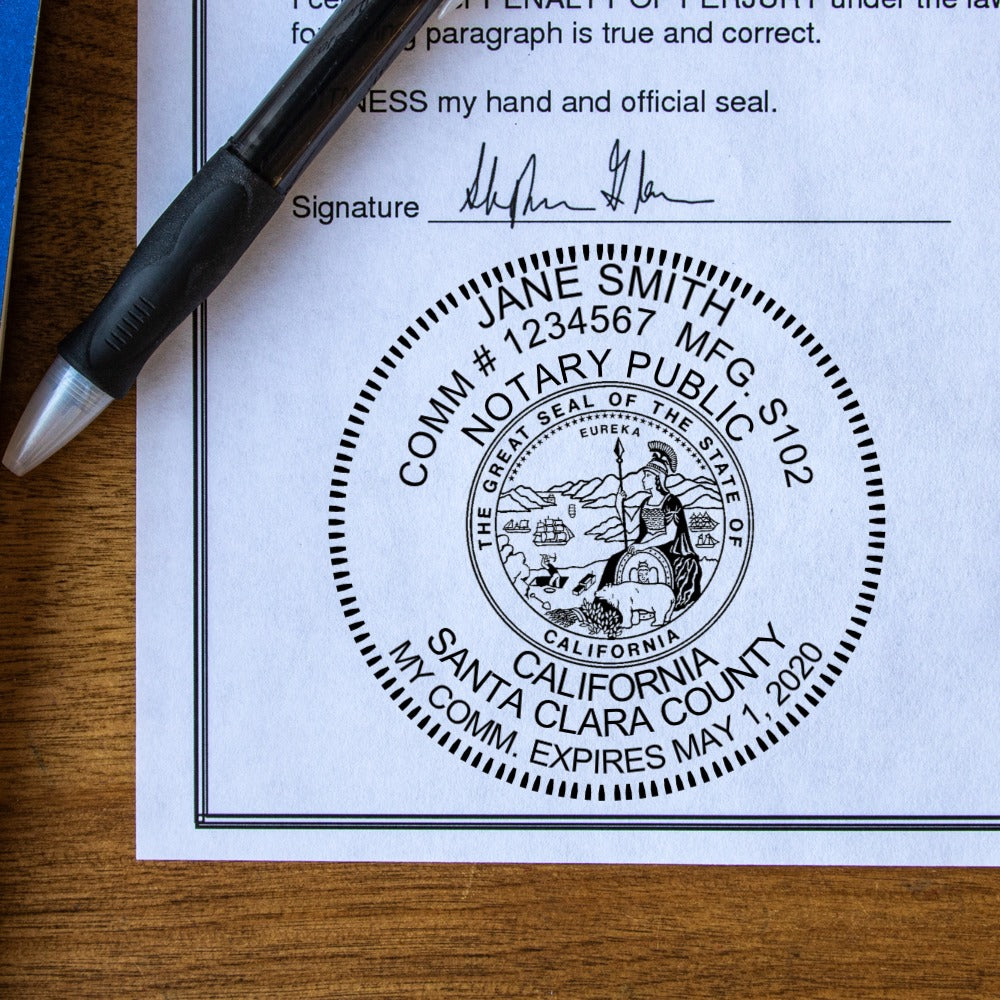
This bundle offers a state-compliant notary stamp and journal. It’s a convenient way to get started. It saves time and ensures you have essential tools.
Average Price: 50
Practical Tip: Verify the bundle matches your specific state’s rules.
4. Custom Notary Stamp and Record Book
Get your notary stamp personalized with your exact details. The accompanying record book ensures all your acts are logged. This provides a professional and accurate system.
Average Price: 65
Practical Tip: Double-check all personalized text for accuracy before ordering.
5. State Compliant Notary Kit
This kit includes a compliant notary seal and logbook. It’s designed to meet specific state requirements. You get essential tools in one package.
Average Price: 70
Practical Tip: Confirm it includes a seal that meets your state’s size and content rules.
6. Notary Public Seal and Logbook
This set ensures you meet official recording standards. The notary public seal is a critical identifier. The logbook provides a secure place for all your records.
Average Price: 75
Practical Tip: Store your logbook in a safe place when not in use.
7. Official Notary Stamp and Journal Set
This is an all-in-one solution for notaries. It includes a high-quality stamp and a comprehensive journal. It simplifies supply management.
Average Price: 80
Practical Tip: Use the journal to track not only notarizations but also travel time if applicable.
8. Premium Notary Kit (CA Compliant)
This kit is specifically for California notaries. It meets all unique state regulations. It ensures you are fully compliant in California.
Average Price: 95
Practical Tip: If you serve clients in California, this kit is a must-have.
9. Notary Signing Agent Kit
This kit goes beyond basic notary needs. It includes tools often required for loan signings. It’s for notaries handling specific real estate documents.
Average Price: 110
Practical Tip: Ensure this kit includes a scanner and other document handling tools.
10. Notary Association Membership + Supplies
This option provides more than just supplies. It often includes vital insurance and educational resources. It’s an investment in your notary career.
Average Price: 150
Practical Tip: Review the benefits carefully; the insurance alone can be worth the cost.
WHICH ONE TO BUY TODAY?
For the best value, the ‘Notary Stamp and Journal Bundle’ around $50 is a great starting point. It provides the essential, state-compliant tools without breaking the bank. This is ideal for new notaries or those needing to refresh their basic supplies affordably.
For the best investment, consider a ‘Notary Association Membership + Supplies’ package. While more expensive initially, the included insurance and resources offer long-term protection and professional development. This is crucial for notaries who want to expand their services and minimize risks.
Your Notary Kit Has Arrived: The First 10 Minutes
Open the box and inspect the stamp immediately. Check that your full name, commission number, and expiration date are engraved exactly as on your state certificate.
Test the stamp on a piece of scrap paper. The impression must be clear, legible, and not smudge when you touch it.
Flip through the journal to verify the page count and binding. A sturdy spiral or sewn binding prevents pages from falling out over time.
Look for a tamper‑evident feature on the journal. Many states require that pages cannot be removed without leaving a visible mark.
Store the stamp in a cool, dry place away from direct sunlight. Heat can dry out the ink pad and reduce the number of impressions.
Keep the re‑inking bottle that came with your self‑inking stamp. You will need it after about 5,000 impressions.
Fill out the first journal entry as a test run. Record the date, time, document type, and your own signature to confirm the layout works.
Double‑check the stamp placement on the journal page. Some states require the stamp to be placed in a specific area near the notary signature.
If the stamp is adjustable, set the correct inking level. Too much ink causes bleeding; too little leaves a faint mark.
Label your stamp with a small sticker containing your phone number. If you ever misplace it at a signing, the finder can return it.
Check your state’s notary handbook for any recent rule changes. Requirements can update every year, and your new kit should match the latest standards.
Test the journal’s pen slot or elastic band. A built‑in pen holder keeps your writing tool attached and prevents lost entries.
Examine the stamp casing for cracks or loose parts. A damaged casing can cause uneven impressions and ink leaks.
Practice stamping on different paper types. Thick documents may need a firmer press to get a crisp image.
Confirm that the journal has sequential page numbers. Missing or repeated numbers can raise red flags during an audit.
Set a reminder to re‑ink your stamp every three months. Regular maintenance extends the life of the stamp and keeps impressions professional.
Keep your commission certificate and journal together. Many signings require you to show both before you can notarize.
If your kit came with a carrying case, use it. A padded case protects the stamp and journal from dents and scratches.
Write your commission number on the inside cover of the journal. This makes it easy to identify if the journal is ever separated from your stamp.
Finally, register your stamp with the manufacturer. Some brands offer a warranty that covers defects in materials or workmanship.
Frequently Asked Questions
Can I use a stamp from one state in another state?
No, a notary stamp is valid only in the state that issued your commission. You must obtain a separate stamp and journal for each state where you are commissioned.
How long does a self‑inking stamp last?
A high‑quality self‑inking stamp typically delivers 5,000 to 10,000 impressions before needing a refill. The stamp pad itself can be replaced, extending the stamp’s life for years.
Do I need to keep a notary journal if my state does not require it?
Even if your state does not mandate a journal, keeping one is a best practice. It provides a personal record that can protect you in legal disputes and help you track your notarial acts.
Choosing a compliant notary journal and stamp kit is an investment in your professional credibility. The right tools save you time and protect you from costly errors.
Now that your supplies are ready, schedule a practice session with a friend or colleague. Simulate a real notarization to build confidence and check your workflow.
In the near future, digital notarization will become even more common. Your physical journal and stamp remain essential, but staying informed about e‑notary options will keep you ahead.
