


Ever typed a domain name into your browser and wondered who owns it? Or maybe you’re trying to find an available name for your new business, but every search feels like a dead end. You’re not alone—most people waste time on outdated tools that hide the real data.
The good news is that in 2026, finding domain registration info is faster and more transparent than ever. Whether you need to check ownership, see if a name is free, or understand what WHOIS privacy means, the right tools put the power back in your hands.
How to Check Domain Ownership and Find Available Names
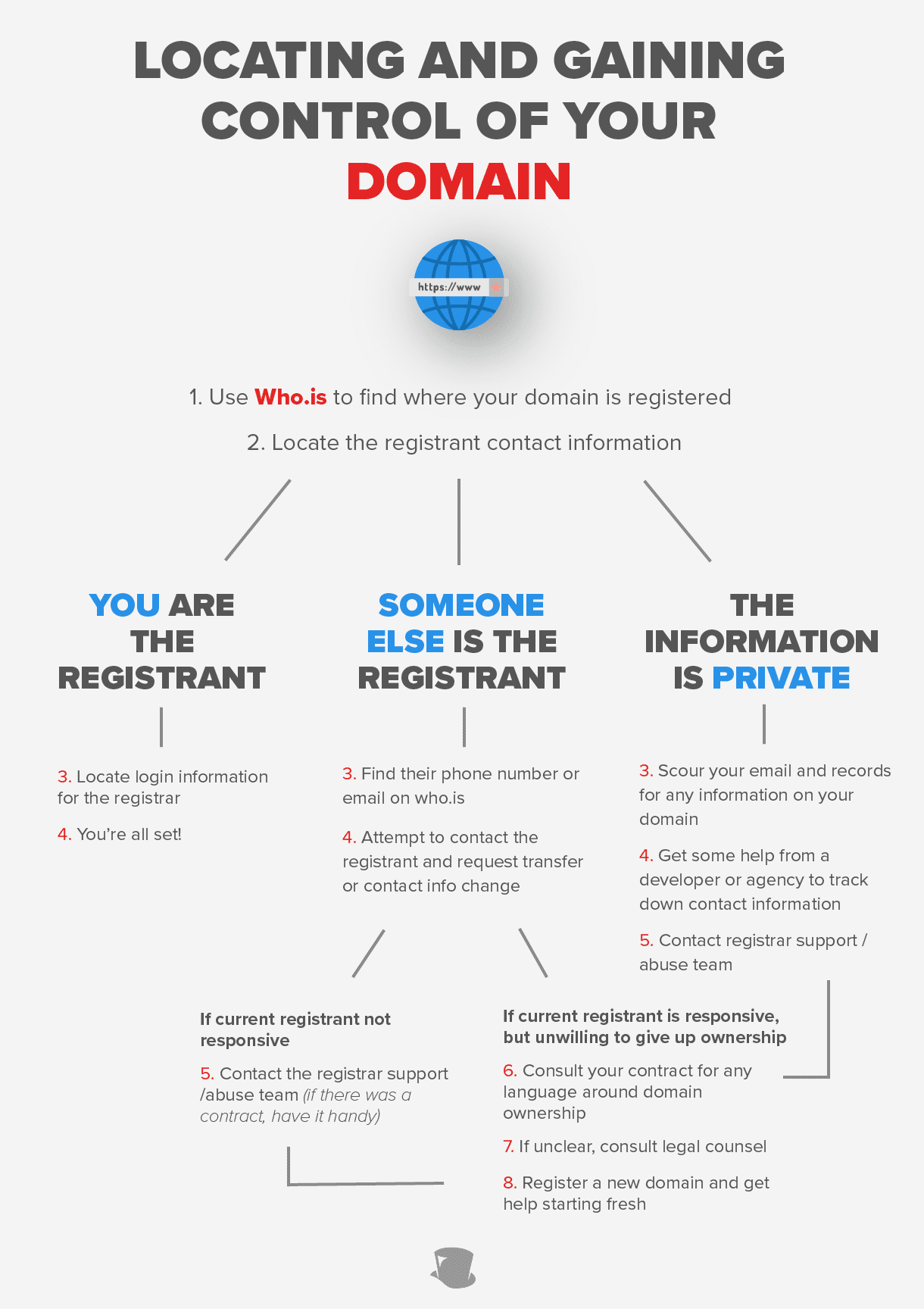
To find out who owns a domain, use an official WHOIS lookup tool like ICANN Lookup, Who.is, or MxToolbox. These services pull data directly from the global registry, showing the registrar, registration date, and expiration date. Many domains now have privacy protection, so you might see the registrar’s info instead of the owner’s personal details.
When you want to register a new domain, start with a domain name checker from a reputable registrar like GoDaddy, Namecheap, or Cloudflare Registrar. Simply type your desired name and choose a TLD—.com, .org, .net, or newer ones like .io or .co. Prices vary widely: basic .com domains cost around $10 to $15 per year, but premium TLDs or aftermarket domains can be much higher.
Always compare renewal rates and check for hidden fees. Some registrars offer free WHOIS privacy, while others charge extra. For the best deal, use a registrar that sells domains at cost, like Cloudflare, and avoid multi-year commitments until you’re sure the name works for you.
Your Domain Name: The Digital Front Door
In 2026, securing your online identity starts with a domain name. Think of it as your business’s address on the internet. Finding the right one and understanding its registration is crucial for any online venture. This process involves specialized tools that help you check domain availability and even discover ownership details of existing sites.
Whether you’re launching a new business or looking to understand a competitor’s online presence, mastering domain registration is key. We’ll guide you through the essential steps, from searching for available names to understanding the costs and protections involved. This knowledge empowers you to make smart decisions for your digital future.
| Action | Tools/Services | Notes |
| Find Domain Ownership | WHOIS Lookup Tools (e.g., Who.is) | Queries global registries for registration data. |
| Check Domain Availability | Domain Registrars (GoDaddy, Namecheap) | Search for desired domain names across various TLDs. |
| Register New Domain | Domain Registrars | Facilitates purchase for 1-10 years. |
| Official Data Lookup | ICANN Lookup | Direct access to official registration data. |
Check Domain Availability Instantly
Before you can register a domain name, you must confirm it’s available. Leading domain registrars provide instant checkers on their websites. Simply type in your desired name, and they will show you if it’s taken or ready for purchase. This is the very first step in building your online presence.
Read also: How to Buy a Domain Without Getting Ripped Off in 2026
These tools are incredibly fast, often returning results in seconds. They also suggest alternatives if your first choice is unavailable, helping you find a suitable name. This immediate feedback is vital for quick decision-making in today’s fast-paced digital world.
WHOIS Lookup: Find Domain Ownership

Understanding who owns a website is often a key step for various reasons, from market research to legal inquiries. A WHOIS lookup tool queries a global database to reveal registration information. This includes the registrar, technical contacts, and sometimes registrant details, though privacy services often mask personal information.
The WHOIS database is maintained under policies set by ICANN, ensuring a level of transparency for domain name registrations worldwide.
For official and direct access to this data, the ICANN Lookup tool is authoritative. Third-party sites like Who.is also offer user-friendly interfaces for this essential task, making it easier to find domain ownership details.
Domain Registration Cost Breakdown
The domain registration cost can vary significantly. Prices depend on the registrar, the chosen Top-Level Domain (TLD), and any additional services like privacy protection. Many registrars offer competitive pricing, especially for the first year, but it’s crucial to check renewal rates.
Read also: Search Domain Names Like a Pro: How to Find the Perfect One
Some registrars, like Cloudflare Registrar, aim to offer registration at cost, which can be a significant saving over time. Always compare pricing across different providers before committing. Remember to factor in the cost of renewal, which happens annually or for longer terms.
Register a Domain Name in Minutes
Registering a domain name is a straightforward process. Once you’ve found an available name, you select your desired registration period, typically from one to ten years. You then proceed to checkout, providing necessary contact and payment information.
Major registrars like GoDaddy and Namecheap streamline this process. They often offer bundled services, but be mindful of what you truly need to keep costs down.
Transfer Your Domain to a New Registrar
You are not locked into a single registrar forever. If you find better pricing or services elsewhere, you can transfer your domain registration. This process usually involves unlocking your domain at the current registrar and obtaining an authorization code to initiate the transfer at the new one.
Most transfers take a few days to complete. It’s important to ensure your domain is not nearing its expiration date, as some registrars have policies against transferring domains too close to renewal. Planning this move can save you money and improve your domain management experience.
Domain Privacy Protection Explained
When you register a domain name, your personal contact information is typically made public through the WHOIS database. Domain privacy protection, often called WHOIS privacy or domain anonymization, replaces your personal details with those of a proxy service.
This service shields your private information from public view, reducing spam and unwanted solicitations.
Most reputable registrars offer this as an add-on service. While it comes with an additional cost, it’s a valuable investment for individuals and businesses concerned about privacy and data security.
Understand TLD Availability Options
TLDs, or Top-Level Domains, are the suffixes at the end of web addresses, like .com, .org, or .net. Beyond these common ones, hundreds of new gTLDs (generic TLDs) are now available, offering more specific choices like .tech, .shop, or .blog.
The availability of a TLD can influence your brand’s perception and memorability. While .com remains the most recognized, exploring other TLDs can sometimes yield more available name options. Consider your target audience and brand identity when choosing a TLD.
How to Find a Domain Expiration Date
Knowing your domain expiration date is critical to avoid losing your website. This date is listed in your domain registrar’s account dashboard. You can also find it by performing a WHOIS lookup, which will show the registration and expiration dates.
Most registrars send out renewal reminders via email. However, it’s wise to manually track this date yourself or enable auto-renewal to prevent accidental lapses. Losing a domain can mean losing your online presence and valuable traffic.
The Future of Domain Registration in 2026
In 2026, the domain registration landscape continues to evolve with a focus on user experience and security. We see increased transparency in pricing, with more registrars offering registration at cost, benefiting consumers. AI-powered tools are becoming more common, assisting users in finding the perfect domain name and even predicting market trends.
Domain privacy protection is no longer a niche service but a standard expectation, safeguarding users from data misuse. As the internet grows, the fundamental principles of unique domain identification, managed by ICANN and registrars, remain vital. Mastering these tools and understanding the process ensures a strong and secure online foundation for everyone.
Read also: Bluehost Domains: What Renewal Really Costs You
Your 3-Step Action Plan for Domain Registration
Step 1: Check Availability
Use a registrar like Namecheap or GoDaddy to type your desired domain name into their search bar. The tool immediately shows if the .com, .org, or other TLDs are available.
Step 2: Compare Pricing
Don’t just buy the first option. Compare renewal rates across registrars because initial discounts often hide higher long-term costs. Look for transparent pricing from providers like Cloudflare.
Step 3: Secure Privacy
Always add WHOIS privacy protection to keep your personal contact info hidden from public databases. Most registrars offer this for free or a small fee during checkout.
Frequently Asked Questions
Can I register a domain name for just one year?
Yes, almost all registrars offer 1-year registration terms. You can renew annually, but locking in multi-year deals sometimes saves money.
What if my desired domain is already taken?
Try different TLDs like .net or .io, or add a word like ‘shop’ or ‘hub’. WHOIS lookup can also show if the owner is selling it.
Is WHOIS privacy really necessary?
Yes, because without it, your full name, address, and phone number are publicly visible. Privacy services anonymize that data for free or a low cost.
Choosing the right domain name and registrar sets the foundation for your online presence. By following this guide, you avoid common pitfalls and secure a name that truly represents you.
Now, take that first step: search for your perfect domain today. Once you have it, pair it with reliable hosting to launch your site with confidence.
In 2026, the digital landscape rewards those who act fast and smart. Your domain is your digital front door—make it memorable, secure, and yours.
