


Is your website crawling because neighbors on shared hosting hog resources? Dedicated server rental gives you the whole machine, no sharing, no slowdowns. You get raw power and total control for high-traffic sites or demanding apps.
Forget noisy neighbors stealing your CPU cycles. With a bare metal server, it’s just you and your workload, delivering consistent speed and reliability. This is the foundation for serious online businesses in 2026.
Why Rent a Dedicated Server Instead of Using Cloud or VPS?
Dedicated servers, also called bare metal or single-tenant servers, give you exclusive access to physical hardware. Unlike VPS or cloud, there’s no hypervisor layer stealing performance, so you get every bit of CPU, RAM, and NVMe speed. This matters for gaming servers, big data processing, or enterprise workloads where low latency is critical.
Top providers like OVHcloud start at $79/mo with liquid-cooling and anti-DDoS, while Contabo offers AMD EPYC CPUs with unmetered bandwidth from $68.91/mo. Namecheap and IONOS provide budget-friendly options around $70-$78/mo for small businesses. For US East Coast low latency, DedicatedNOW and PureVoltage have managed solutions in New Jersey and New York.
Managed server rentals include OS updates, backups, and security monitoring, perfect if you lack an IT team. Unmanaged rentals give full root access for experienced admins wanting maximum control. Your choice depends on your team’s skill and need for hands-on configuration.
Dedicated Server Rental: Your Private Digital Powerhouse
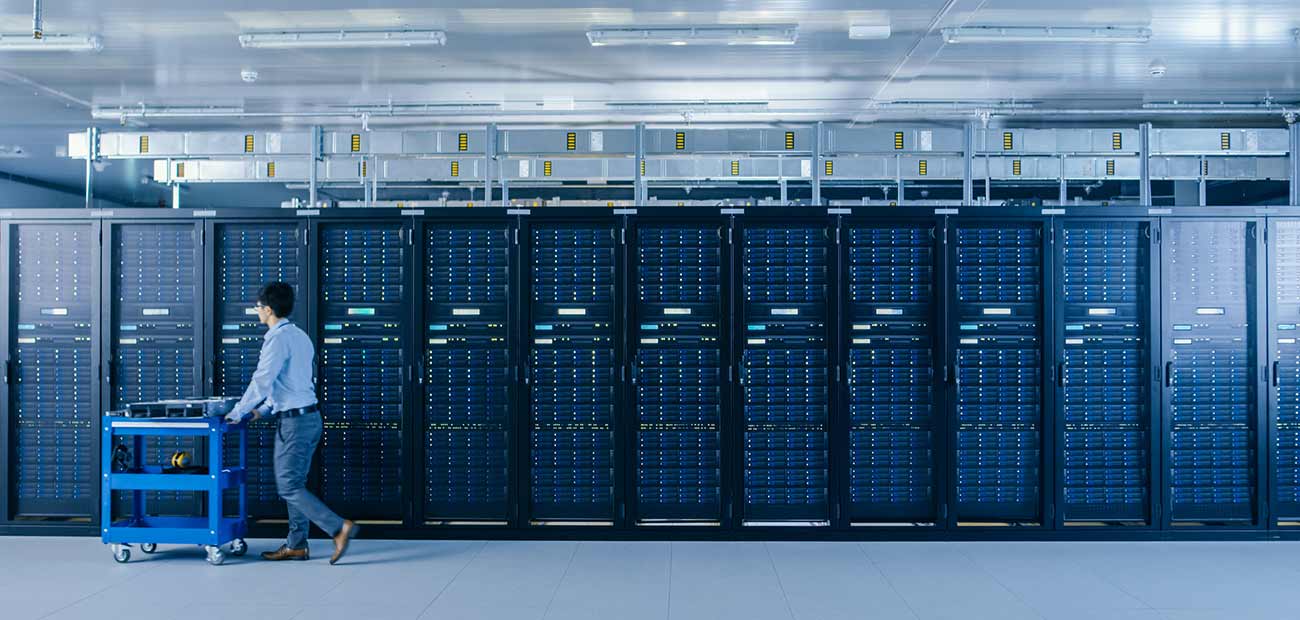
In 2026, dedicated server rental, also known as bare metal servers, means you get a whole physical computer just for your business. This gives you top-notch performance and control, unlike when you share resources with others. It’s perfect for busy websites, demanding apps, or tasks like machine learning where you need all the power to yourself.
Think of it as having your own dedicated lane on the digital highway. No other traffic slows you down. This isolation is key for security and consistent speed, making it a smart choice for businesses that can’t afford performance dips or security risks. Providers like OVHcloud and Leaseweb offer a range of options to fit different needs and budgets.
| Provider | Starting Price (Approx. 2026) | Key Features |
|---|---|---|
| OVHcloud | $79/mo | Gaming, Big Data, Anti-DDoS, Liquid Cooling |
| Namecheap | $78.32/mo | Budget-friendly entry-level |
| IONOS | $70/mo | Predictable fixed billing |
| Contabo | $68.91/mo | Unmetered data, AMD EPYC CPUs |
| Leaseweb | Custom | Month-to-month, Intel Scalable |
| InterServer | $229/mo | 28-core instant-buy (NYC Metro) |
Bare Metal Servers: Performance Without Virtualization
Bare metal servers provide direct access to the physical hardware. This means no virtualization layer is in between you and the raw compute power. For applications that demand every ounce of performance, like high-frequency trading or complex data analysis, this direct connection is invaluable. It eliminates the overhead associated with virtual machines, ensuring your tasks run as fast as the hardware allows.
Read also: Rent Hosting Server for Less Than $5 – Here’s How
This level of performance is critical for demanding workloads. You avoid the ‘noisy neighbor’ effect common in shared environments, where another user’s activity can impact your server’s speed. With bare metal, your server’s resources are exclusively yours, guaranteeing consistent and predictable performance for your critical operations.
Root Access Benefits for Custom Server Configurations
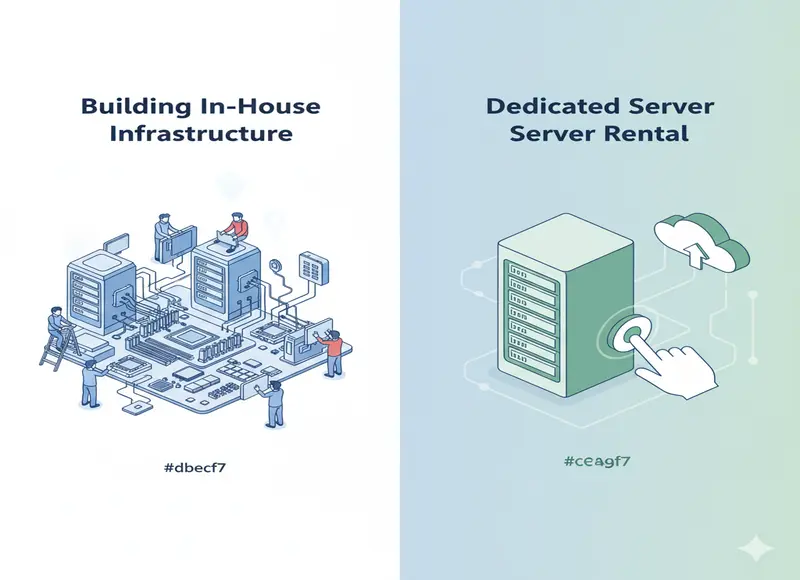
When you rent a dedicated server, you typically get root access. This is like having the master keys to your server. It allows you to install any operating system you want, configure software precisely to your needs, and fine-tune every aspect of the server’s performance. For businesses with unique software requirements or those aiming for peak optimization, this level of control is essential.
With root access, you are not limited by pre-configured software stacks. You can install specific Linux distributions like Ubuntu Server or Rocky Linux, or choose Windows Server editions. You can also manage security settings, including setting up your own firewall, and perform advanced troubleshooting. This autonomy is a significant advantage for experienced systems administrators.
Managed vs Unmanaged Dedicated Hosting
The choice between managed and unmanaged dedicated hosting depends on your team’s expertise. Unmanaged dedicated servers offer the most control and are typically more affordable. You are responsible for all server maintenance, including OS updates, security patches, and software installations. This is ideal for IT professionals who want complete command over their infrastructure.
Managed dedicated servers, on the other hand, come with support from the provider. They handle tasks like OS updates, security monitoring, and backups. This service is perfect for businesses that lack a dedicated IT team or want to offload routine maintenance. While more expensive, managed services provide peace of mind and allow your team to focus on core business functions rather than server upkeep.
High-Performance Computing with AMD EPYC and Intel Scalable
Modern dedicated servers leverage powerful processors to handle intensive tasks. CPUs like AMD EPYC and Intel Scalable processors are designed for demanding workloads. These processors offer a high core count and advanced features, making them suitable for everything from large-scale data processing to complex simulations. Their architecture is optimized for parallel processing, which is crucial for many modern applications.
Choosing a server with the right CPU is vital for performance optimization. For example, AMD EPYC processors are known for their high core density and excellent memory bandwidth, while Intel Scalable processors offer a balance of performance and power efficiency. Understanding these differences helps in selecting hardware that best matches your specific computing needs and ensures efficient high-performance computing.
Low Latency Gaming Servers: Hardware and Network
For online gaming, low latency is non-negotiable. Dedicated servers provide the consistent performance needed to minimize lag. Providers often offer specific configurations optimized for gaming, including fast network connections and powerful hardware. The goal is to ensure every player has a smooth and responsive experience, which directly impacts gameplay.
Achieving low latency involves both the server’s hardware and its network connection. Fast bandwidth and a high-speed network port, often 1Gbps or more, are critical. Proximity to your target audience’s geographic location also plays a huge role. Providers with data centers in key regions, like the US East Coast, can significantly reduce ping times for gamers in those areas.
Anti-DDoS Protection for Enterprise Workloads
Distributed Denial of Service (DDoS) attacks can cripple businesses by overwhelming servers with traffic. Many dedicated server providers now offer robust anti-DDoS protection as a standard feature, especially for enterprise-grade solutions. This protection helps to filter out malicious traffic before it reaches your server, ensuring your services remain available to legitimate users.
Enterprise workloads, which often handle sensitive data or critical business operations, require strong security measures. Built-in DDoS mitigation services can safeguard against disruptions, protecting revenue and reputation. Providers like OVHcloud are known for their advanced DDoS scrubbing capabilities, which are essential for maintaining uptime and security for mission-critical applications.
NVMe Drives and Liquid Cooling for Maximum Speed
Storage speed is a major performance bottleneck. NVMe drives are significantly faster than traditional SSDs, offering lower latency and higher input/output operations per second (IOPS). This translates to faster application loading times, quicker data access, and overall snappier performance for your applications and websites. They are becoming the standard for high-performance servers.
Beyond storage, advanced cooling solutions like liquid cooling are available for high-density or overclocked servers. Liquid cooling is more efficient at dissipating heat than air cooling, allowing components to run at optimal speeds for longer periods without overheating. This technology is crucial for maintaining peak performance in demanding environments and pushing the limits of hardware.
Scalability Options for Growing Web Traffic
As your business grows and your web traffic increases, your server needs will change. Dedicated server rentals offer scalability, allowing you to upgrade components like RAM or storage, or even migrate to a more powerful server configuration. This flexibility ensures your infrastructure can keep pace with your business demands without requiring a complete overhaul.
Many providers offer easy upgrade paths. You can often increase RAM, add more storage, or switch to a server with more powerful CPUs with minimal downtime. This ability to scale resources up or down as needed is a key advantage of renting dedicated hardware, providing a cost-effective way to manage evolving infrastructure costs.
The Future of Dedicated Server Rental in 2026
In 2026, dedicated server rental remains a cornerstone for businesses needing top performance, security, and control. While cloud computing offers flexibility, bare metal servers provide an unmatched level of dedicated power for specialized tasks. We are seeing a trend towards more specialized hardware configurations, advanced cooling, and integrated security features becoming standard.
The market will continue to see providers offering competitive pricing and specialized solutions for niches like gaming and AI. The distinction between managed and unmanaged services will become even clearer, allowing businesses to choose the exact level of support they need. For any operation that demands raw power and isolation, dedicated server rental is not just an option; it’s a necessity for staying ahead.
Your 3-Step Action Plan for Dedicated Server Rental
Ready to choose your dedicated server? Follow this quick guide to get started today.
Step 1: Define Your Non-Negotiables
List your must-haves: required OS, minimum RAM (32GB or more), and storage type (NVMe SSDs are standard). This narrows your options instantly.
Step 2: Compare Managed vs. Unmanaged
If you lack a full-time sysadmin, choose a managed plan for OS updates and security monitoring. For full control and lower cost, pick unmanaged and handle everything yourself.
Step 3: Check Provider Location and Support
For low latency on the US East Coast, select a provider with data centers in New York or New Jersey. Verify 24/7 support and contract flexibility before committing.
Frequently Asked Questions
What is the difference between a dedicated server and a VPS?
A dedicated server gives you an entire physical machine with no shared resources. A VPS partitions a single server into multiple virtual environments, so performance can vary.
How much does a dedicated server cost for a small business in 2026?
Expect to pay between $100 and $200 per month for a reliable entry-level dedicated server. Higher specs or managed services can push costs above $300 monthly.
Can I upgrade my dedicated server later?
Most providers allow upgrades to RAM, storage, or CPU, but some may require hardware changes. Always confirm the upgrade policy and potential downtime before signing.
Choosing a dedicated server rental gives your business raw power, security, and full control over your infrastructure. With the right provider and plan, you eliminate slowdowns from noisy neighbors and scale with confidence.
Start by listing your performance needs and budget, then compare managed versus unmanaged options. This step ensures you pick a solution that fits your team’s skills and growth plans.
Imagine your website loading instantly, your applications running without lag, and your data safe on isolated hardware. That is the reality a well-chosen dedicated server delivers in 2026.
