


Stop paying for separate SSL certificates for every subdomain. A wildcard SSL certificate secures your main domain and all its subdomains with one purchase, saving you time and money. If you run a business with multiple subdomains like blog.yoursite.com or shop.yoursite.com, a wildcard certificate is the smartest security investment you can make.
But not all wildcard certificates are created equal. Prices vary wildly, from free options with manual renewals to premium certificates costing over a thousand dollars. Choosing the wrong one can leave you overpaying or struggling with complex setups. Let’s cut through the confusion and find the right wildcard certificate for your needs.
What to Look for When You Buy a Wildcard SSL Certificate
When shopping for a wildcard SSL certificate, the first decision is the validation level. Domain Validation (DV) wildcard certificates are the most common and affordable, with prices starting around $35 per year from providers like SSL2BUY. These are issued within minutes after you prove you own the domain, usually via email or DNS record.
For higher trust, consider an Organization Validation (OV) wildcard certificate. These require business identity verification and are available from brands like Sectigo, often through resellers, at prices starting around $460 for a multi-year term. Extended Validation (EV) is not offered for wildcards, so OV is the top tier for wildcard security.
Technical setup is straightforward: you generate a Certificate Signing Request (CSR) with a Common Name like *.yourdomain.com. If you want a free option, Let’s Encrypt provides wildcard certificates, but they require automated renewal every 90 days using a DNS challenge. For most users, a paid certificate with multi-year terms and simple installation is worth the cost.
| Product | Average Price ($) | Highlight |
| Let’s Encrypt Wildcard | Free | Requires automated renewal every 90 days. |
| SSL2BUY PrimeSSL DV Wildcard | 35 | Basic domain validation, fast issuance. |
| Namecheap Comodo Wildcard | 39.99 | Trusted brand, good for basic subdomains. |
| Certera RapidSSL Wildcard | 69.99 | Standard DV wildcard, reliable. |
| DigiCert Wildcard SSL | 150-200 (Estimate) | High trust, strong encryption, good support. |
| Entrust Wildcard SSL | 150-200 (Estimate) | Reputable CA, robust security features. |
| GlobalSign Wildcard SSL | 150-200 (Estimate) | Global reach, strong validation options. |
| Sectigo Wildcard SSL (via Reseller) | 460 (Multi-year) | Higher validation, strong brand recognition. |
| Comodo PremiumSSL Wildcard | 500-700 (Estimate) | OV validation, enhanced trust. |
| GoDaddy Wildcard SSL (3-year) | 1043 | Includes support, long-term value. |
WHAT REALLY WORKS
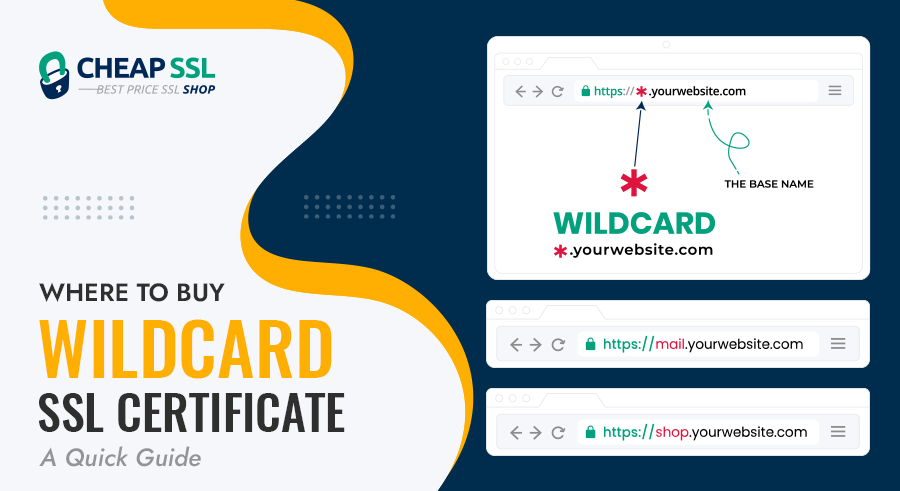
Wildcard SSL certificates are essential for securing a main website and all its direct subdomains like ‘shop.yourdomain.com’ or ‘blog.yourdomain.com’. They use a single certificate for all these addresses. This simplifies management significantly. You avoid buying and installing individual certificates for each subdomain. The key technical requirement is generating a Certificate Signing Request (CSR). The Common Name (CN) in the CSR must start with an asterisk, like ‘*.yourdomain.com’. This tells the Certificate Authority (CA) it’s for a wildcard.
The main difference between certificates lies in the validation level. Domain Validation (DV) is the quickest and cheapest. It only checks if you own the domain. Organization Validation (OV) requires verifying your business identity. This takes longer but builds more trust. Extended Validation (EV) is not typically offered for wildcard certificates. Always check the validation process and what it entails before buying.
How to Buy a Wildcard SSL Certificate
When you buy a wildcard SSL certificate, consider your website’s needs. For basic protection of multiple subdomains, a Domain Validation (DV) wildcard certificate is often sufficient and the most affordable. If you need to show your business is legitimate, look for an Organization Validation (OV) certificate, though these are less common for wildcards. Compare prices from different providers and resellers. Remember to check the certificate’s validity period and renewal terms. Ensure the provider offers good customer support, especially if you are new to CSR generation or installation.
1. Let’s Encrypt Wildcard
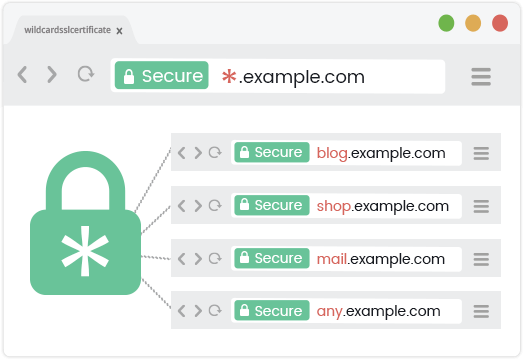
This is a free option for securing your domain and its subdomains. It’s managed by a non-profit organization. It offers basic encryption. You get a wildcard ssl for subdomains without any cost.
Average Price: Free
Practical Tip: You must set up automated renewals every 90 days using the DNS challenge method. This is crucial for continuous security.
2. SSL2BUY PrimeSSL DV Wildcard
This is one of the cheapest ways to get wildcard protection. It uses Domain Validation (DV). Issuance is usually very fast, often within minutes.
Average Price: $35
Practical Tip: Ideal for small businesses or personal sites needing basic subdomain security quickly.
3. Namecheap Comodo Wildcard
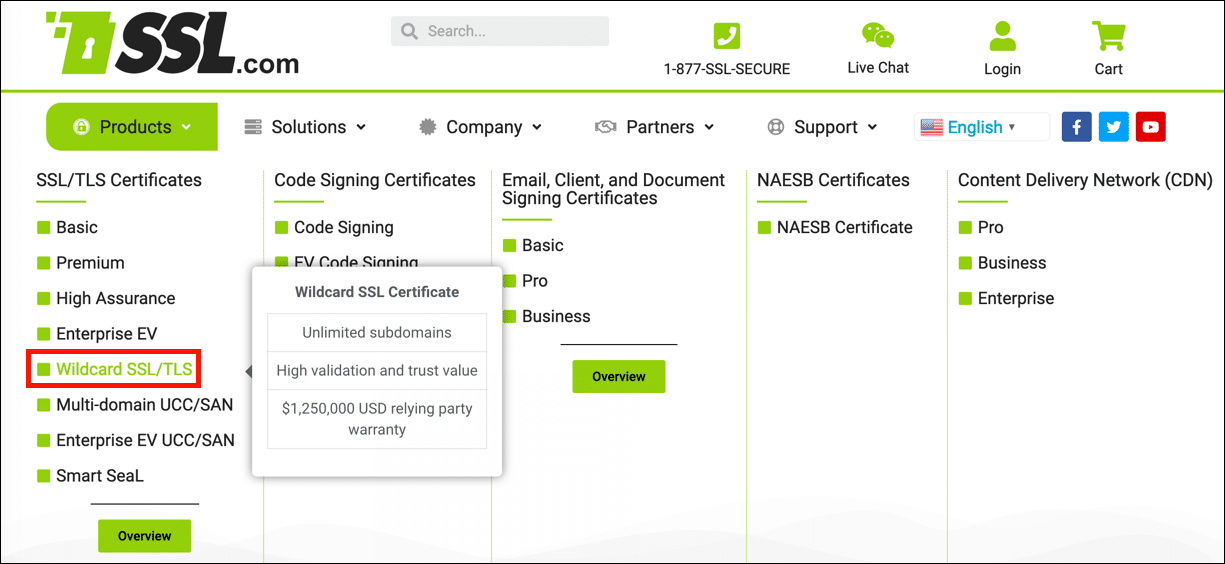
Namecheap offers a wildcard certificate from Comodo. It provides good security for your main domain and its subdomains. It’s a well-known brand in the domain space.
Average Price: $39.99
Practical Tip: A solid choice if you already use Namecheap for domain registration.
4. Certera RapidSSL Wildcard
This certificate offers standard encryption and domain validation. It’s a reliable option for securing multiple subdomains. RapidSSL is known for quick validation.
Average Price: $69.99
Practical Tip: Good for e-commerce sites that need to secure customer data across subdomains.
5. DigiCert Wildcard SSL
DigiCert is a top-tier Certificate Authority. Their wildcard certificates offer strong encryption and high trust. They are known for excellent customer support.
Average Price: $150-200 (Estimate)
Practical Tip: Recommended for businesses that handle sensitive data and need maximum trust.
6. Entrust Wildcard SSL
Entrust provides robust security solutions. Their wildcard certificates ensure strong protection for your entire domain structure. They are a reputable name in cybersecurity.
Average Price: $150-200 (Estimate)
Practical Tip: Suitable for larger organizations requiring reliable security across many subdomains.
7. GlobalSign Wildcard SSL
GlobalSign offers comprehensive security. Their wildcard certificates are suitable for global businesses. They provide strong validation and encryption.
Average Price: $150-200 (Estimate)
Practical Tip: Excellent for companies with an international online presence and multiple subdomains.
8. Sectigo Wildcard SSL (via Reseller)
Sectigo is a major CA. Buying through a reseller can offer better pricing for multi-year plans. This option provides advanced validation and brand recognition.
Average Price: $460 (Multi-year)
Practical Tip: Consider this for long-term security needs where brand trust is important.
9. Comodo PremiumSSL Wildcard
This certificate often comes with Organization Validation (OV). It offers a higher level of trust than DV certificates. It verifies your business details.
Average Price: $500-700 (Estimate)
Practical Tip: Use this if you want to display enhanced trust indicators for your business.
10. GoDaddy Wildcard SSL (3-year)
GoDaddy offers a bundled package with support. This 3-year plan provides long-term security. It’s a convenient option for many users.
Average Price: $1043
Practical Tip: A good investment for businesses wanting a hassle-free, long-term security solution from a major provider.
WHICH ONE TO BUY TODAY?
For the best value, the SSL2BUY PrimeSSL DV Wildcard at $35 is hard to beat. It provides essential wildcard ssl for subdomains security at a very low price. If you are comfortable with managing renewals, Let’s Encrypt offers a free wildcard certificate. These are excellent starting points for most users.
For a significant investment in trust and security, consider the GoDaddy Wildcard SSL or Sectigo options. They offer higher validation and brand recognition. These are best for businesses where customer trust is paramount. Always ensure the certificate meets your specific needs for subdomain coverage and validation level.
Your Wildcard Certificate Arrived: What Now?
Immediate Post-Purchase Checklist
First, download the certificate file from your provider. Then verify the file extension is .crt or .pem.
Check the certificate details in your browser. Confirm the Common Name shows *.yourdomain.com exactly.
Test the certificate on your main domain and one subdomain. Use an online SSL checker tool for a free scan.
Common Mistakes to Avoid
Do not install the certificate without a valid private key. The key must match the CSR you used.
Never skip the intermediate certificate bundle. Most browsers will show errors without it.
Do not forget to renew before expiration. Set a calendar reminder 30 days in advance.
Step-by-Step Installation Guide
Copy the certificate and private key to your server. Place them in a secure directory.
Configure your web server (Apache, Nginx, IIS) to use the certificate. Update the virtual host or bindings.
Restart the web server service. Then visit your site via https to confirm the padlock icon appears.
Frequently Asked Questions
Can I use a wildcard certificate for multiple domains like example.com and test.com?
No, a wildcard certificate only covers one domain and its subdomains, such as *.example.com. You need separate certificates for different root domains.
How do I generate a CSR for a wildcard certificate?
Use your server’s key generation tool and set the Common Name to *.yourdomain.com. Keep the private key secure and never share it.
Is Let’s Encrypt wildcard certificate reliable for business?
Yes, it is technically sound but requires automated renewal every 90 days. Businesses with limited technical staff may prefer a paid certificate with longer term and support.
The wildcard SSL certificate remains the most practical solution for securing your domain and all its subdomains. Its cost-effectiveness and ease of management make it essential for growing online presences. Now that you have your certificate, install it immediately to protect your visitors and boost your SEO ranking. Test every subdomain to ensure full coverage and no security gaps. Imagine your website displaying that secure padlock on every page, building trust with every click. That is the future you are building today.
