


You’ve been thinking about getting online for your business or side hustle, but the question ‘who can build me a website’ feels overwhelming. You don’t need a degree in coding to make it happen, and in 2026, you have more options than ever.
The truth is, you can either build it yourself with a simple tool or hire someone to do the heavy lifting. The key is knowing which path fits your budget, your time, and what you actually need from your site.
DIY Website Builders vs. Hiring a Pro: What’s Right for You?
For most small businesses and personal projects, a DIY website builder like Wix or Squarespace is the fastest and most affordable route. These platforms now include AI tools that can generate a whole site from a few questions, costing as little as $15 a month.
If you need something more custom — like a membership site, a custom store, or a very specific design — you should look at hiring a freelance web developer on Upwork or Fiverr. Rates range from $15 to $100 an hour, and a simple site might cost $500 to $2,000.
Full-service agencies are the priciest option, starting at $5,000 and going up to $20,000 or more. They handle everything from design to launch, but only go this route if your site needs to be complex or you have a bigger budget.
Building Your Website in 2026: Your Options Explained
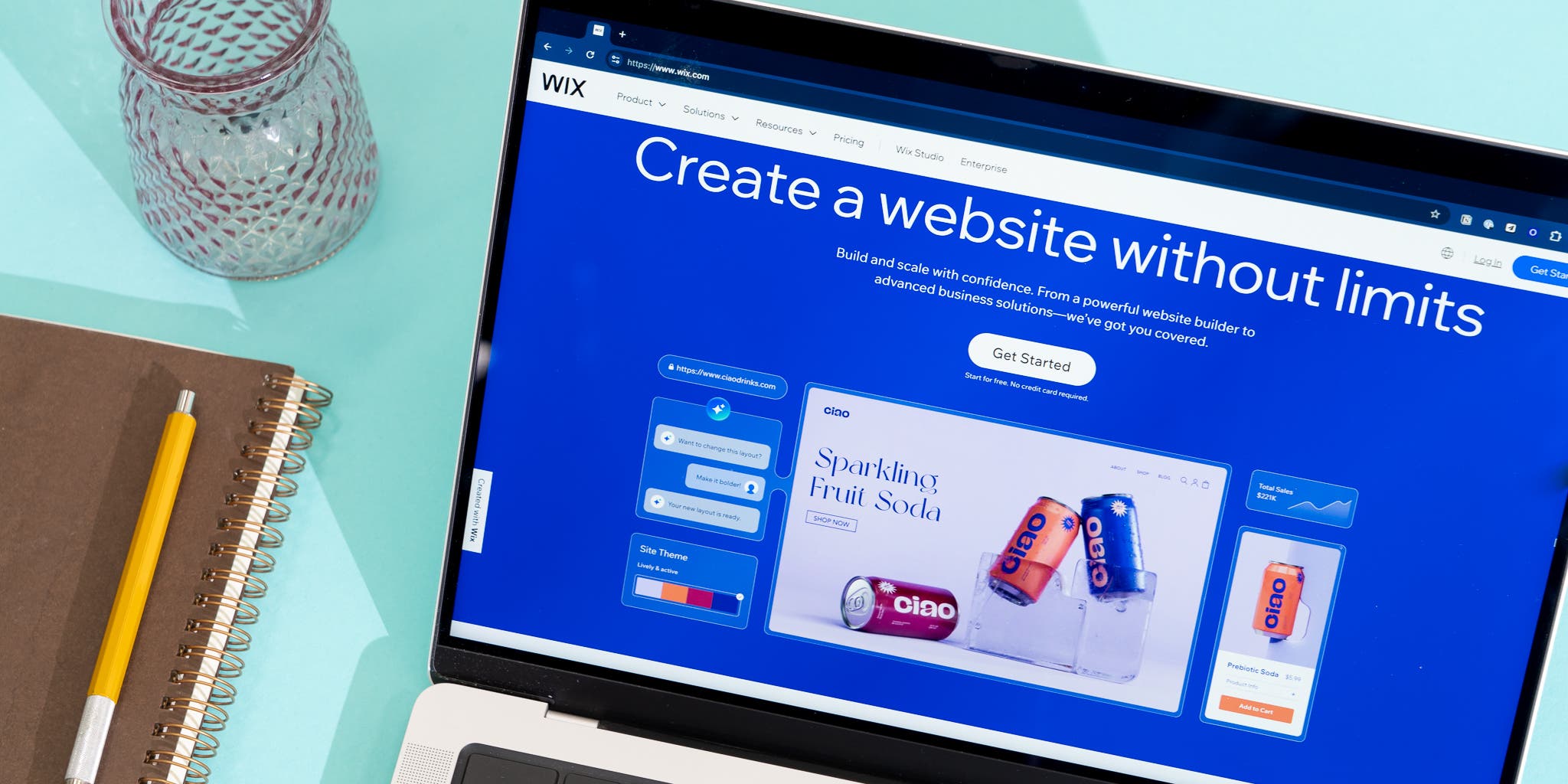
In 2026, creating a website means choosing between building it yourself or hiring help. Both paths have clear benefits depending on your budget and needs. This guide breaks down your choices.
| Option | Typical Cost | Best For |
| DIY Website Builders | $0 – $30/month | Low budget, quick launch, basic needs |
| Freelance Developer | $15 – $100/hour | Specific features, moderate complexity |
| Web Development Agency | $500 – $20,000+ (project) | Complex projects, full service |
Hire a Web Designer for Your Business
A professional web designer understands how to make your business look good online. They focus on user experience and visual appeal. This is key for making a strong first impression. Many small business owners find this investment worthwhile. It helps attract and keep customers.
Cost to Build a Website in 2025
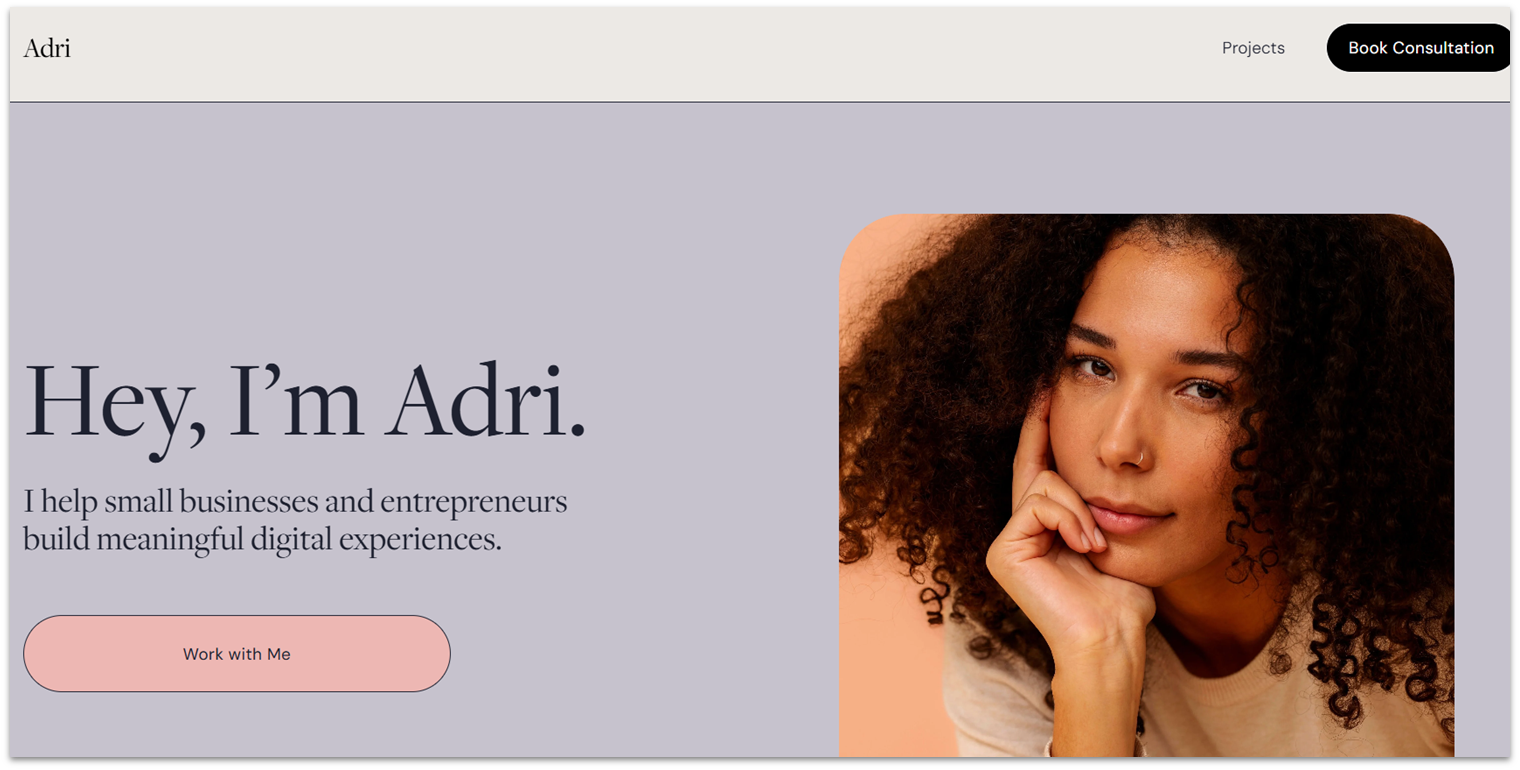
Website costs vary greatly. A simple DIY site can cost under $30 a month. A custom-built site can run into thousands of dollars. The final price depends on features and complexity. This is why understanding your needs first is vital.
Read also: Need a Website Built? Here’s What Actually Works in 2026
Freelance Web Developer vs Agency
Freelancers offer flexibility and can be more affordable. You hire them for specific tasks. Agencies provide a full team and project management. They handle everything from design to launch. Agencies are usually more expensive but offer a complete package. Choosing depends on your project’s size and your budget.
Small Business Website Builder Options

For small businesses, website builders are often the best starting point. Platforms like Wix and Squarespace offer easy-to-use tools. They let you create professional-looking sites without coding. GoDaddy’s builder is also very fast for getting online quickly. These tools are designed for users with limited technical skills. Many offer AI assistance to speed up the process. For very basic needs, Google Sites is a free option.
AI Website Builder for Fast Launch
AI website builders are changing how quickly sites go live. Tools like Wix AI and GoDaddy’s Airo AI use artificial intelligence. They can generate a website draft in minutes. You provide basic information, and the AI builds the structure. This is perfect for urgent projects. It significantly cuts down initial setup time. You can then customize the AI-generated site.
Custom Website Design for Unique Brands
If your brand has very specific needs or a unique vision, consider custom design. This means hiring professionals to build from scratch. It allows for complete control over every detail. This approach is best for complex features or a highly distinct online presence. Expect higher costs and longer development times. This is for brands that need to stand out completely.
Read also: Xerox C7120 Review: Why This A3 Color MFP Saves Your Office Time
How Much Does a Website Cost Breakdown
The cost involves several factors. Domain names cost about $10-$20 per year. Website hosting can range from free to $50 per month. Website builders are typically $15-$30 monthly. Hiring a freelance web developer might cost $15-$100 per hour. An agency’s hourly rate is often $50-$300. Project costs can start at $500 and go up significantly. Always get detailed quotes.
Best Website Platform for Your Needs
The best platform depends on your goals. For ease of use and speed, AI builders are great. For design flexibility, Squarespace is a strong choice. For a balance of features and cost, Wix is popular. If budget is the main concern, Hostinger or Google Sites are options. Evaluate your technical comfort and desired features. Visit GoDaddy’s website builder for quick options. Explore Squarespace for premium designs.
Your Website Future: Expert Verdict
In 2026, the power to build a website is more accessible than ever. AI tools are making DIY faster and easier. However, for a truly unique or complex online presence, professional help remains invaluable. Assess your budget and technical skills honestly. Then, choose the path that best serves your business goals. Don’t be afraid to start simple and grow.
Read also: LogMeIn Rescue Trial: Fix Devices in Under 20 Seconds Free
Your 3-Step Action Plan for Today
Step 1: Define Your Needs and Budget
Write down what your website must do. List must-have features like an online store or a contact form.
Set a firm monthly budget. Remember, DIY builders cost $15-$30 monthly, while professional help starts at $500.
Step 2: Choose Your Path
If you need a simple site fast, pick a DIY builder like Wix or Squarespace. For custom work, hire a freelancer on Upwork or Fiverr.
Consider your time and skill. DIY takes hours of learning; hiring pros saves time but costs more.
Step 3: Start Small and Scale
Launch a basic version first. You can always add features later as your business grows.
Avoid overcomplicating at the start. A clean, functional site beats a half-finished masterpiece every time.
Frequently Asked Questions
Can I build a website myself if I have no coding experience?
Yes, absolutely. Modern DIY builders use drag-and-drop or AI tools that require zero technical skills.
Platforms like Wix and Squarespace are designed for beginners. You can have a live site in a few hours.
How much should I budget for a professional website?
Freelancers typically charge $15 to $100 per hour. A full agency project can range from $500 to over $20,000.
Your final cost depends on complexity. A simple brochure site is cheaper than a custom e-commerce store.
What if I need a website with a custom database or advanced features?
For complex needs, hiring a professional developer is the smart move. DIY builders have limits on customization.
Look for a freelance developer with experience in your specific requirements. Always check their portfolio and reviews.
Choosing the right path for your website is a decision that balances cost, time, and complexity. Whether you go DIY or hire a pro, the best choice is the one that gets you online and serving your audience.
Start with the action plan above today. Your next step is to explore one DIY builder or post a job for a freelancer.
In 2026, a stunning website is within everyone’s reach. The digital door to your business is waiting to be opened.
