


You paid for a domain that had no traffic, no history, and no SEO power. That is a waste of money. Used domains give you a shortcut: they already have backlinks, authority, and search engine trust.
These domains were owned before but got dropped or expired. When you buy one, you inherit its existing link profile and ranking potential. This can save months of building from scratch.
Why Used Domains Can Boost Your SEO Instantly
Used domains, also called expired or aftermarket domains, are previously registered names that become available again. They often come with a backlink profile and domain authority already established.
You can find them on sites like GoDaddy Auctions, Namecheap Market, or ExpiredDomains.net. But be careful: not all used domains are good. Some have spammy links or past penalties.
Always check the domain’s history using the Wayback Machine and a link audit tool. Look for clean, relevant backlinks. This vetting step is crucial to avoid inheriting problems.
Used Domains in 2026: Your SEO Shortcut
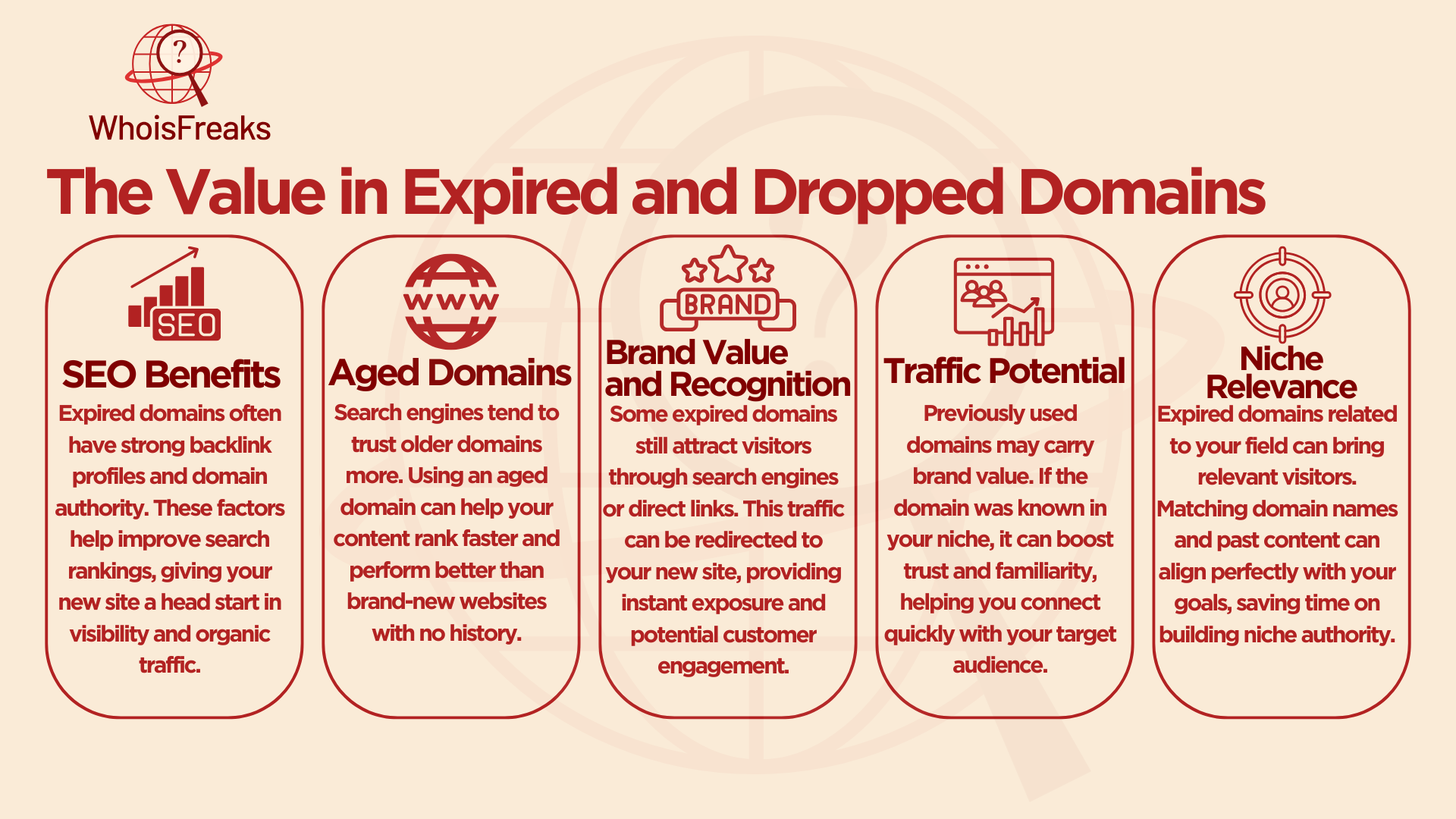
Acquiring used domains, also called expired or aftermarket domains, is still smart for SEO. These are web addresses that were not renewed. They can help you start with good search engine scores. This means you skip the slow beginning phase. You get a boost from their past credibility. Domains become available for many reasons. Sometimes owners forget to pay the renewal fee. Other times, a business closes or rebrands. Investors also sell domains they bought earlier.
| Domain Type | Typical Cost Range (USD) | Key Benefit |
| Expired Domains (After Renewal) | $10 – $20/year | Low entry cost, potential for good metrics. |
| Aftermarket Domains (Direct Purchase) | $100 – $10,000+ | Often pre-vetted, established authority. |
| Auction Domains | Variable (Bidding) | Chance to get high-value domains at good prices. |
| Premium Domains | $1,000 – $100,000+ | High authority, brandable, ready for business. |
Expired Domains and Their SEO Value
Expired domains are web addresses that have expired. They are back in the public market. The main reason people want them is for their SEO history. This can include things like domain authority and backlinks. Having these existing metrics helps your website rank faster. It’s why buying an expired domain can save you time and effort.
Aged Domains for Faster Rankings

Aged domains have been around for a while. They often have a history of content and links. This history helps search engines trust them more. Search engines like Google may rank aged domains quicker. This is because they are not seen as brand new. They have a proven track record of existence.
Read also: Domains verkaufen: Turn unused web addresses into cash now
Domain Flipping: Profit from Aftermarket Sales
Domain flipping means buying domains and selling them for profit. The aftermarket is where you find these domains. You look for domains that are undervalued. Then you sell them to someone who needs them. It’s a business where timing and knowing domain value are key. Investors often use this strategy to make money.
How to Vet a Domain with History Check
Always check a domain’s past before buying. Use tools like the Wayback Machine to see old content. This helps you avoid domains with bad history. You do not want to inherit problems. Checking the domain history is a crucial step. It protects your investment and SEO efforts.
Backlink Profile Audit for Used Domains
A backlink profile shows who links to a domain. For used domains, this is very important. You need to check for spammy or toxic links. These bad links can hurt your website’s ranking. Specialized software can help you analyze these links. A clean backlink profile is essential for good SEO.
Domain Auctions: Bidding Strategies
Domain auctions happen on sites like GoDaddy Auctions. You can bid on domains that are in their last days. Competitive bidding can get you good deals. However, you must set a budget beforehand. Do not get caught up in bidding wars. Know the domain’s true value to you.
Read also: Domain Name Search Instant: Stop Wasting Time on Dead Ends
Dropped Domains and Backordering Tactics
Dropped domains are those that have just expired. Services like Dynadot allow backordering. You place an order for a domain you want. The service tries to grab it the moment it drops. This is a way to catch domains before others do. It requires quick action and good timing.
Avoiding Abandoned Project Domains
Some domains come from abandoned projects. These might have old, irrelevant content. Or they could have been used for spam. You must check the domain’s past usage carefully. Avoid domains that were part of shady schemes. You want a clean start for your new website.
The Future of Used Domains
Used domains will continue to be valuable for SEO. They offer a way to gain authority quickly. Always do your homework before buying. Check the domain’s history and links thoroughly. Look for domains that align with your goals. A well-chosen used domain can be a powerful asset. Visit ExpiredDomains.net for listings. Also, check out GoDaddy Auctions for bidding opportunities.
Read also: Why your startup needs a .inc domain (and how to get one)
Your 3-Step Action Plan for Buying Used Domains
Step 1: Define Your Criteria
Identify what metrics matter most for your project. Focus on domain authority, backlink quality, and niche relevance.
Set a budget and stick to it. Remember that premium domains can cost thousands, but hidden gems exist under $100.
Step 2: Source and Vet
Use aggregators like ExpiredDomains.net to find domains dropping daily. Filter by metrics such as DA, backlinks, and age.
Always check the Wayback Machine for past content. Avoid domains with spammy or irrelevant histories.
Step 3: Analyze the Backlink Profile
Run the domain through a backlink checker like Ahrefs or Majestic. Look for natural links from relevant sites.
Beware of toxic links from link farms or penalized networks. Disavow them before pointing the domain to your site.
Frequently Asked Questions
Can a used domain hurt my current site’s rankings?
Yes, if it carries a Google penalty or toxic backlinks. Always vet thoroughly before redirecting or using the domain.
Perform a manual review of the domain’s search results for manual actions. Use Google Search Console to check after acquisition.
How much should I spend on a used domain?
Prices range from $10 for low-quality domains to $10,000+ for premium assets. Set a budget based on your SEO goals and ROI expectations.
For most small projects, $50–$200 can secure a solid domain with aged authority. Avoid overpaying for vanity metrics.
What is the best marketplace for beginners?
GoDaddy Auctions is user-friendly and offers many affordable options. ExpiredDomains.net is great for free filtering and discovery.
Start with low-risk bids under $50 to learn the process. Use the platform’s built-in metrics to guide your choices.
Buying a used domain is a shortcut to credibility, not a magic bullet. With proper vetting, you can acquire a powerful asset that accelerates your SEO journey.
Start with one domain today using the steps above. Monitor its performance and adjust your strategy as you learn.
Imagine your new domain as a digital property with built-in foot traffic. That is the power of a well-chosen used domain.
