


Getting blocked while trying to scrape data is frustrating. Your IP gets flagged, and suddenly you are locked out of the information you need. Residential proxies solve this by routing your traffic through real home IP addresses, making you look like an actual user.
These proxies use IPs assigned by internet providers to physical devices like laptops and phones. This makes them much harder to detect compared to datacenter proxies. In 2026, they are essential for web scraping, ad verification, and accessing geo-blocked content without getting banned.
Why Home IP Proxies Beat Datacenter Proxies for Web Scraping
Datacenter proxies come from server farms and are easy for websites to spot. Residential proxies, also known as ISP proxies or real IP proxies, come from actual home networks. This difference is huge for avoiding blocks.
Bright Data offers over 400 million residential IPs with advanced targeting, while Oxylabs provides city-level granularity. IPRoyal has non-expiring bandwidth, and Webshare is great for static IPs. Pricing is usually per gigabyte, so you pay for what you use.
Rotating proxies change your IP with each request, perfect for large-scale scraping. Static residential proxies keep the same IP for tasks like managing long-term logins. Choose based on whether you need anonymity or consistency.
The Power of Residential Proxies in 2026
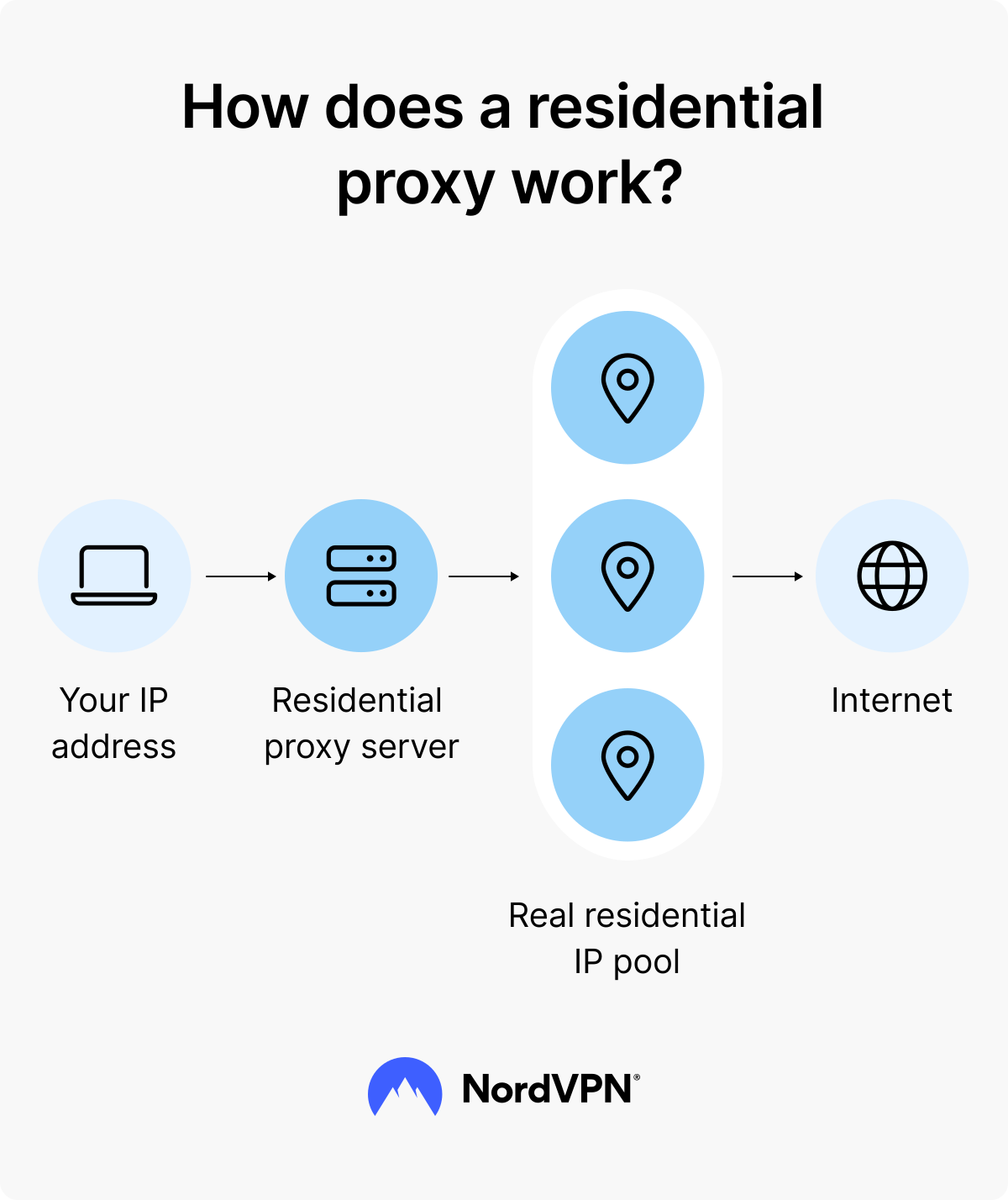
Residential proxies are the backbone of advanced online operations today. They act as go-betweens, routing your internet traffic through genuine IP addresses. These IPs belong to real home devices, assigned by your local Internet Service Provider. This makes your online activity look like it’s coming from a regular person’s home.
Unlike datacenter proxies, which are easily flagged because they come from server farms, residential proxies mimic authentic user behavior. This is crucial for getting past tough anti-bot systems. They use a pool of IPs from devices like computers and phones that have agreed to share their connection. When you use one, your request goes through a proxy server that gives you a real home IP address, hiding where you truly are.
| Feature | Description |
| Type | Intermediary service using real home IP addresses. |
| Benefit | Emulates authentic user behavior, bypasses anti-bot measures. |
| Technology | Leverages opted-in consumer devices connected to residential networks. |
| Categories | Rotating (dynamic IPs) and Static (stable IPs). |
| Use Cases | Web scraping, ad verification, geo-targeting, SEO monitoring. |
| Pricing | Primarily bandwidth consumption (per Gigabyte). |
ISP Proxies and Home IP Addresses
ISP proxies are a specialized type of residential proxy. They use IP addresses directly from Internet Service Providers. This offers a high level of trust and stability for your connection. Think of them as the most authentic home IP addresses available. They are ideal when you need your online presence to be unquestionable.
These proxies are essential for tasks that require a consistent and reliable digital identity. Many services are now stricter about identifying traffic sources. Using an ISP proxy makes your traffic blend in seamlessly with normal home internet users. This significantly reduces the risk of being blocked or flagged as suspicious.
Real IP Proxies for Web Scraping
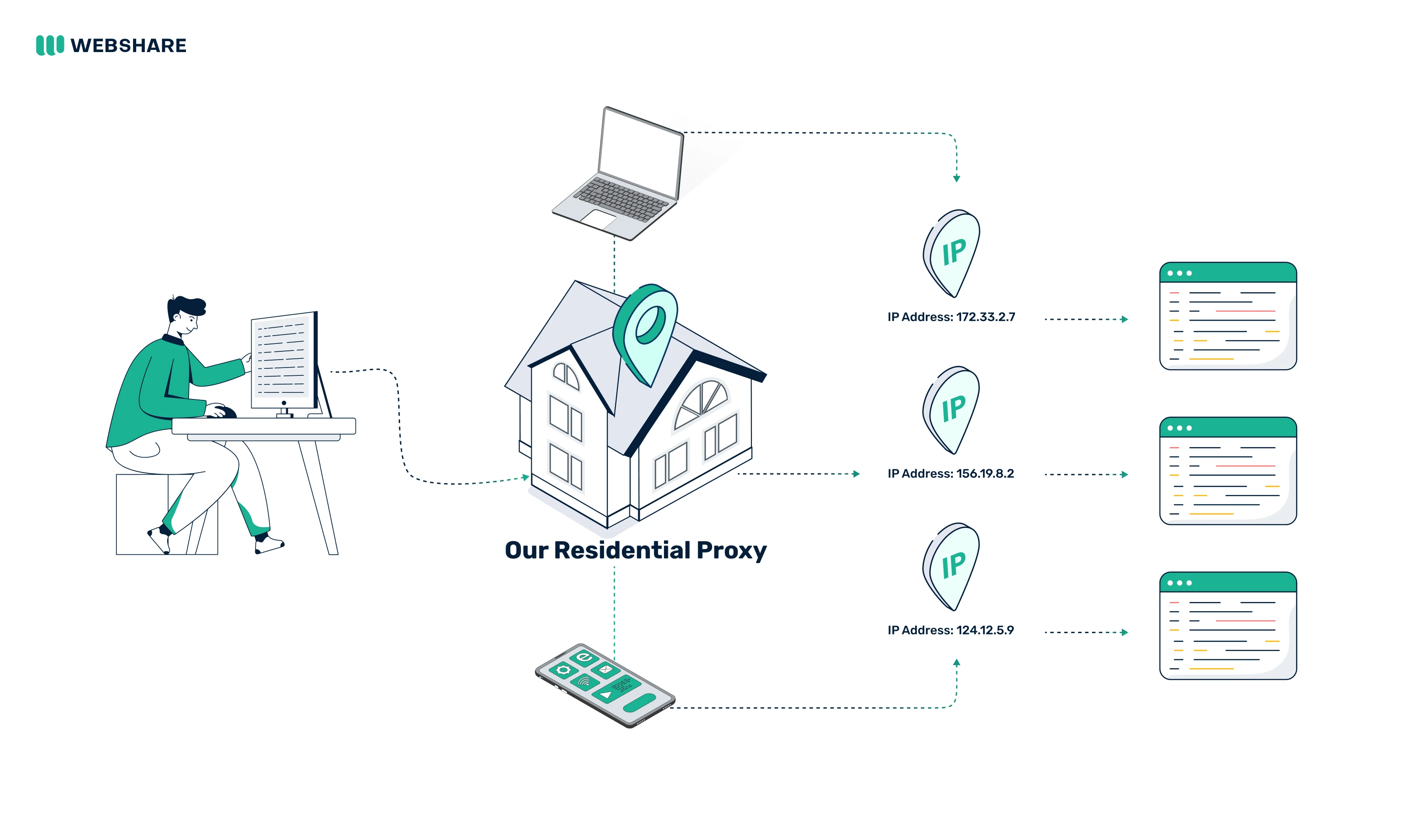
For effective web scraping, using real IP proxies is non-negotiable in 2026. Websites deploy sophisticated systems to detect and block automated bots. These systems can easily identify traffic coming from known datacenter IP ranges. Residential proxies, with their genuine ISP-assigned IPs, are much harder to detect.
This allows you to gather large amounts of data without interruption. Whether you’re doing market research or competitive analysis, reliable data is key. Real IP proxies ensure your scraping efforts are successful and sustainable. They are a vital tool for any serious data extraction project.
IP Address Rotation in Proxy Networks
IP address rotation is a core feature of many residential proxy services. It means your IP address changes frequently, sometimes with every request or session. This dynamic nature is incredibly useful for high-volume tasks.
It helps prevent your IP from being banned or limited by websites. For activities like managing multiple accounts or extensive data collection, rotation is essential. It ensures that your activity appears to come from many different users, not just one. This is a fundamental aspect of advanced proxy networks.
The ability to rotate IP addresses is what makes residential proxies so powerful for circumventing restrictions and maintaining anonymity in large-scale operations.
Anonymous Proxies vs Datacenter Proxies
Understanding the difference between anonymous proxies and datacenter proxies is crucial. Datacenter proxies originate from servers in data centers. They are fast and often cheaper, but easily identifiable. Websites can quickly detect and block them because they don’t represent real users.
Anonymous proxies, especially residential ones, mask your true IP address effectively. They make your online traffic look like it’s coming from a regular home user. This is vital for tasks where anonymity and avoiding detection are paramount. The distinction is key to choosing the right tool for your needs.
Residential Proxies for Geo-Targeting
Residential proxies are excellent for geo-targeting. They allow you to access content or test websites as if you were in a specific country or city. This is because they use IP addresses from real residential locations around the world.
Businesses use this capability for market research and testing localized advertising campaigns. It ensures that your online content and services appear correctly to users in different regions. Accessing region-locked data or services becomes straightforward with the right residential proxy.
Static Residential Proxies for Social Media
While rotating IPs are common, static residential proxies offer a stable, unchanging IP address. These are particularly useful for tasks requiring a consistent online identity. Maintaining long-term login sessions on social media platforms is a prime example.
If you manage multiple social media accounts, static IPs can help prevent them from being flagged. They provide the reliability needed for consistent access without triggering security alerts. This stability is key for maintaining your online presence across various platforms.
Rotating Residential Proxies for E-Commerce
For e-commerce operations, rotating residential proxies are indispensable. They enable large-scale web scraping for price monitoring and competitor analysis. By changing IPs, you can gather extensive product data without being blocked.
This also aids in managing multiple customer accounts or running targeted marketing campaigns. The dynamic nature of rotating IPs ensures that your automated tasks proceed smoothly. It’s a powerful tool for staying competitive in the online retail space.
Bandwidth and Speed in Residential Proxy Networks
When selecting a residential proxy service, consider bandwidth and speed. Most providers charge based on the amount of data you use, typically per Gigabyte. Higher bandwidth usage means higher costs, but it’s necessary for extensive data collection.
Speed is also critical. Slow proxy connections can significantly impact the efficiency of your tasks. Providers like Oxylabs emphasize high-speed networks. Choosing a provider that balances cost with reliable performance is essential for your operations.
The Expert Verdict: Residential Proxies in 2026
Residential proxies are more critical than ever in 2026. Their ability to mimic real users makes them essential for navigating the increasingly complex online landscape. The technology continues to evolve, offering more granular targeting and better performance.
For businesses and individuals engaged in web scraping, market research, or secure online access, investing in a quality residential proxy service is a strategic necessity. They provide the authenticity and anonymity required to succeed online today.
Your 3-Step Action Plan for Residential Proxies
Step 1: Define Your Use Case and Required IP Type
Are you scraping large volumes of data or managing multiple accounts? For high anonymity and rotation, choose rotating residential proxies; for consistent identity, opt for static ISP proxies.
Step 2: Select a Provider Based on Your Budget and Needs
Compare pricing per GB, IP pool size, and targeting options. Bright Data offers the largest pool with advanced features, while Webshare provides affordable static IPs for smaller budgets.
Step 3: Test and Optimize Your Setup
Start with a small plan to evaluate speed and reliability. Use proxy management tools to fine-tune rotation rates and geo-targeting for your specific tasks.
Frequently Asked Questions
Are residential proxies legal?
Yes, they are legal when used for legitimate purposes like web scraping public data or ad verification. However, always comply with the target website’s terms of service and local laws.
How do I choose between rotating and static residential proxies?
Rotating proxies are best for high-volume, anonymous tasks where IP changes are beneficial. Static proxies are ideal for tasks requiring a consistent identity, such as managing long-term accounts or accessing geo-restricted financial data.
Why are residential proxies more expensive than datacenter proxies?
Residential proxies use genuine IPs from real devices, which are harder to obtain and maintain. This higher trust level and lower detection risk justify the premium pricing.
Residential proxies are not just a tool; they are the backbone of modern internet operations requiring authenticity and scale. By choosing the right type and provider, you build a foundation for reliable data access and automation.
Now, take the first step: define your primary use case and test a plan from a recommended provider. Small experiments lead to powerful workflows that keep your operations ahead of anti-bot defenses.
Imagine a digital landscape where your data collection flows seamlessly, undetected and efficient. With the right residential proxy setup, that vision becomes your everyday reality.
