


Thinking about buying or selling a boat? The term ‘marina broker’ can be confusing because it actually covers two very different jobs. Most people assume it’s just about selling boats, but the real money and expertise often lie in buying and selling the marina itself.
Whether you are a first-time boat buyer or a seasoned investor, understanding who does what can save you thousands of dollars. Let’s clear up the confusion so you can work with the right professional from the start.
Two Types of Marina Brokers: Which One Do You Need?
The first type of marina broker is the yacht broker, who helps people buy and sell individual boats and yachts. They market the vessel, arrange sea trials, and handle the paperwork, typically earning a 10% commission on the sale price. Many yacht brokers work out of marinas, so they can also help you find a slip for your new boat.
The second type is the marina real estate broker, who focuses on buying and selling entire marina properties. Firms like Marina Brokerage Advisors specialize in valuing waterfront facilities and connecting sellers with investors. This is a high-stakes business involving commercial real estate, operational assets, and permits.
Key players in the yacht brokerage world include SI Yachts, Denison Yachting, and MarineMax Manhattan. If you are looking to sell a vessel, expect to pay a commission split if both buyer’s and seller’s brokers are involved. Always ask upfront who represents whom.
‘
The Dual Role of the Marina Broker in 2026

In today’s maritime market, the term ‘marina broker’ has evolved. It now clearly splits into two specialized roles. One focuses on selling boats and yachts, while the other handles the complex sales of marina properties themselves. Understanding this distinction is key for anyone navigating the world of marine commerce.
Whether you’re buying a personal vessel or investing in waterfront infrastructure, these brokers are your essential guides. They bring market knowledge and transaction expertise to ensure smooth and successful deals. Their specialized skills are invaluable in this dynamic industry.
| Broker Type | Focus | Key Services | Typical Commission |
|---|---|---|---|
| Yacht/Boat Broker | Individual Vessels | Marketing, Buyer Qualification, Sea Trials, Surveys, Closing | ~10% of Sale Price |
| Marina Real Estate Broker | Marina Properties & Businesses | Valuation, Marketing Assets, Advisory for Acquisition/Divestment | Varies (Consulting/Percentage) |
Boat Broker Services for Marina Sales
A boat broker is your go-to professional for buying or selling individual watercraft. They act much like real estate agents, managing the entire sales process for boats and yachts. Their expertise ensures your vessel is marketed effectively to qualified buyers, increasing the chances of a swift and profitable sale.
These brokers handle everything from creating compelling listings to coordinating crucial steps like sea trials and professional surveys. They also expertly navigate the legal and financial complexities of closing the deal. For sellers, this means less stress and a higher likelihood of achieving their desired sale price.
Yacht Broker Commission Structures Explained

The standard commission for a yacht broker typically hovers around 10% of the final sale price. This percentage compensates them for their extensive marketing efforts, negotiation skills, and transaction management. It is important to note that this commission may be split if both the buyer and seller are represented by different brokers.
Understanding this commission structure upfront is vital for both buyers and sellers. It allows for clear financial planning and sets expectations for the broker’s compensation. Many brokers maintain strong ties with marinas, which can further streamline the process for clients looking to view or acquire a slip.
Commercial Marina Property Acquisition Tips
Acquiring a commercial marina property is a significant investment. It requires a specialized broker who understands not just real estate, but also the operational intricacies of a marina business. These brokers focus on the intrinsic value of dockage, amenities, and the overall business operations.
When looking to acquire a marina, work with a broker who can provide accurate property valuations and develop strategic marketing campaigns. They will guide you through due diligence, helping you assess the financial health and potential of the business. This ensures your investment aligns with your long-term goals.
Maritime Real Estate: Buying a Marina
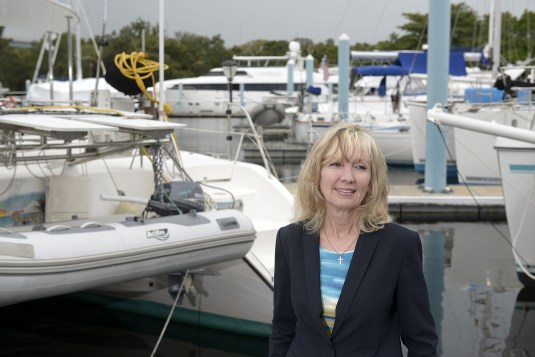
The purchase of a marina is a complex transaction within the realm of maritime real estate. It involves more than just the physical property; it includes the business itself, its permits, and its established customer base. A dedicated marina real estate broker is essential for navigating these multifaceted aspects.
These professionals offer expert advisory services, helping owners divest or investors acquire these valuable waterfront facilities. They understand the unique market dynamics and can identify opportunities that might otherwise be missed. Their guidance is critical for a successful marina acquisition.
Boat Dealer vs. Yacht Broker: Key Differences
While both deal with boats, a boat dealer and a yacht broker serve different functions. A dealer typically owns inventory and sells new or used boats directly, often operating from a dealership lot. They make their profit on the margin between their purchase price and sale price.
A yacht broker, on the other hand, acts as an intermediary, facilitating the sale between a buyer and a seller. They do not typically own the inventory but earn a commission based on the sale price. This allows them to focus on marketing and negotiating the best deal for their client, whether they represent the buyer or the seller.
Yacht Brokerage Services for Luxury Vessels
For those seeking high-end luxury vessels, specialized yacht brokerage services are indispensable. These brokers possess deep knowledge of the superyacht market, including specific models, build quality, and market values. They cater to a discerning clientele with unique needs and expectations.
Their services extend beyond simple sales. They often assist with yacht management, crew placement, and even post-purchase refits. The goal is to provide a seamless and exclusive experience for owners of multi-million dollar yachts, ensuring every detail is meticulously handled.
Marina Broker: How to Sell Your Slip
Selling an individual boat slip within a marina can be a niche transaction. While not all marina brokers handle this, some specialize in facilitating the sale of dockage rights or leased slips. This often involves working within the specific rules and regulations of the marina association.
A broker experienced in this area can help you understand the market value of your slip, market it to potential buyers, and manage the transfer process. This can be more complex than a standard boat sale, requiring an understanding of marina ownership structures and transfer fees.
Boat Sales Commission: What to Expect
When engaging a broker for boat sales, understanding the commission structure is paramount. As mentioned, the typical commission is around 10% of the final sale price, a standard in the industry. This fee covers the broker’s comprehensive services, from listing to closing.
It is wise to discuss and confirm the commission rate and payment terms in writing before proceeding. This transparency ensures a clear understanding and avoids potential disputes later. For buyers, working with a broker can often lead to a better-negotiated price, making the commission a worthwhile investment.
The Future of Marina Brokerage in 2026
The marina broker landscape in 2026 is clearly defined and highly specialized. The separation between yacht/boat brokers and marina real estate brokers offers greater expertise and efficiency for clients. This specialization allows for deeper market insight and more tailored services.
We anticipate continued growth in both sectors. The demand for recreational boating remains strong, driving the need for skilled yacht and boat brokers. Simultaneously, strategic investments in waterfront infrastructure will keep the marina real estate market active. Expect these roles to become even more refined, offering unparalleled value to buyers and sellers alike.
Your Quick Guide to Working with a Marina Broker
Step 1: Know Your Goal
Decide if you need a yacht broker to buy or sell a boat, or a marina real estate broker for a property transaction. This choice determines who you call first.
Step 2: Vet Your Broker
Check their credentials, experience, and reputation. Ask for references and verify their license and insurance coverage.
Step 3: Understand the Costs
For yacht brokers, expect a commission around 10% of the sale price. Marina real estate brokers charge a percentage of the property value, typically 5-6%.
Frequently Asked Questions
Do I need a broker to sell my boat?
No, but a broker can save you time and money by marketing your vessel and negotiating the best price. They also handle the complex paperwork and legal requirements.
How do I find a reputable marina real estate broker?
Look for firms specializing in waterfront properties, like Marina Brokerage Advisors. Check their track record with recent sales and client testimonials.
What’s the difference between a yacht broker and a dealer?
A broker works on commission and represents buyers or sellers, while a dealer buys inventory to resell. Brokers typically offer more personalized service and a wider selection of boats.
Choosing the right marina broker can turn a complex transaction into a smooth, profitable experience. Their expertise protects your investment and navigates the hidden pitfalls of maritime deals.
Start your search today by listing your specific needs and interviewing three top candidates. Your next step is to request a consultation and see who aligns with your vision.
Imagine owning the perfect waterfront asset that appreciates in value while offering endless recreation. The 2026 market rewards those who act with informed confidence.
