


Think your business is safe because you have a few smoke detectors? That is a dangerous mistake. A commercial fire alarm system is not just about detecting smoke; it is a code-mandated life safety network that can save your business from total loss.
In the US, NFPA 72 standards require a properly installed and monitored system for most businesses. Without one, you risk fines, insurance denial, and liability if a fire occurs.
Choosing Between Conventional, Addressable, and Wireless Fire Alarm Systems
For small businesses, a conventional fire alarm system is often the most cost-effective option, grouping devices into zones. But if you need to know exactly which detector went off, an addressable fire alarm system pinpoints the exact location, saving precious time.
For buildings where running wires is tough, wireless fire alarm systems offer easier installation, though equipment costs are higher. A hybrid fire alarm system combines both, giving flexibility. Brands like Fire-Lite and Potter are non-proprietary, meaning easier maintenance and cheaper parts.
The Essential Fire Alarm System for Your Business
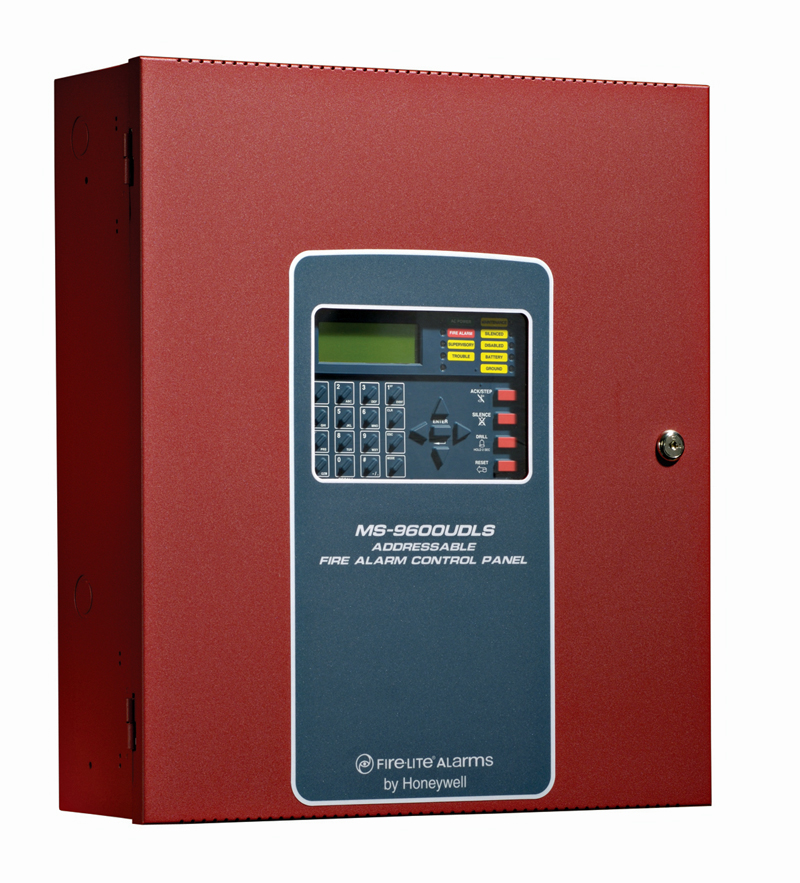
A commercial fire alarm system is a vital, legally required network. It protects lives and property by detecting fires early. This system alerts everyone inside and calls emergency services automatically. Adhering to standards like NFPA 72 is crucial, often meaning 24/7 monitoring for quick fire department response.
Selecting the right system depends on your building’s size and how complex it is. From smaller shops needing cost-effective solutions to large complexes requiring precise alerts, there’s a system designed for you. Proper installation and maintenance are key to safety and avoiding liability.
| Feature | Description | Best For |
|---|---|---|
| Conventional Systems | Groups devices into zones; cost-effective. | Small businesses. |
| Addressable Systems | Pinpoints exact event location; efficient. | Mid-to-large facilities. |
| Wireless Systems | Easy installation, less disruption; higher equipment cost. | Flexible installations. |
| Monitoring | Connects to a central station for 24/7 alerts. | All businesses requiring rapid response. |
Conventional Fire Alarm Systems for Small Businesses
Conventional systems are a practical choice for smaller businesses. They divide your building into zones, making it easier to manage. When a device triggers, you know which zone has the issue. This keeps costs down while providing essential protection.
While effective, these systems require manual identification of the exact device within the alerted zone. This means a quick response from staff is needed to pinpoint the fire’s origin. They are a solid entry point for businesses with simpler layouts.
Addressable Fire Alarm Systems for Large Facilities
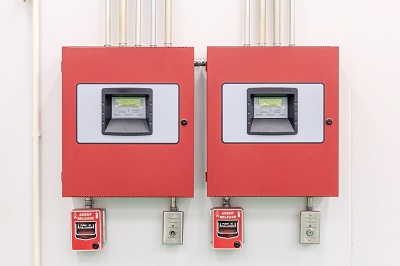
For mid-to-large businesses, addressable systems offer superior control. Each device on the network has a unique address. This allows the Fire Alarm Control Panel (FACP) to identify the exact device that has activated. This precision is invaluable in larger, more complex buildings.
Addressable systems provide faster response times by eliminating guesswork. They are ideal for facilities where every second counts, like manufacturing plants or large office buildings.
Wireless Fire Alarm Systems for Flexible Installations
Wireless fire alarm systems offer significant advantages in installation ease. They reduce the need for extensive wiring, minimizing disruption to your business operations. This is especially beneficial for older buildings or those where running wires is difficult or costly.
While the initial equipment cost might be higher, the reduced installation time and labor can make them competitive. They provide flexibility and are easily expandable as your business grows or changes.
Hybrid Fire Alarm Systems: Combining Wired and Wireless
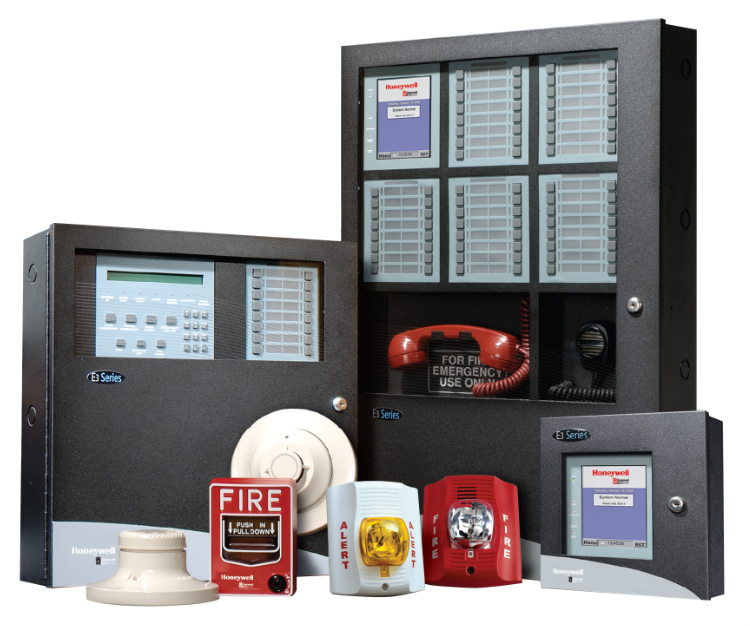
Hybrid systems offer the best of both worlds. They integrate both wired and wireless components. This allows businesses to leverage existing wiring while adding wireless devices where needed. It’s a versatile solution for many commercial spaces.
This approach is particularly useful for businesses looking to upgrade their systems incrementally. You can cover areas with difficult wiring access using wireless devices and maintain wired connections in other parts of the building.
Choosing Between Conventional and Addressable Systems
The decision between conventional and addressable systems hinges on your building’s size and your budget. Conventional systems are simpler and more affordable for small spaces. Addressable systems offer advanced features and precise location identification for larger, more complex environments.
Consider the long-term benefits of addressable systems, such as easier maintenance and faster incident response. While they have a higher upfront cost, their efficiency can save time and potentially lives during an emergency.
Benefits of Wireless Fire Alarm Systems for Offices
Wireless systems are a game-changer for office environments. They allow for quick deployment without the mess and expense of running cables through walls and ceilings. This means less downtime for your business during installation.
The flexibility of wireless devices also means they can be easily relocated if your office layout changes. This adaptability makes them a smart investment for dynamic workplaces.
Hybrid Fire Alarm Systems for Retrofitting Older Buildings
Retrofitting older buildings with modern fire safety technology can be challenging. Hybrid fire alarm systems provide an elegant solution. They allow you to integrate new wireless devices with existing wired infrastructure.
This approach avoids the extensive and costly renovations often required for full rewiring. You can enhance safety significantly by strategically placing wireless detectors and alarms where wiring is impractical.
Cost Comparison: Conventional vs Addressable Systems
Conventional fire alarm systems are generally less expensive upfront. Their simpler design and fewer components contribute to lower initial costs, making them attractive for small businesses on a tight budget.
Addressable systems typically have a higher initial investment due to their advanced technology and individual device addressing capabilities. However, their enhanced functionality, faster troubleshooting, and more precise alerts can lead to lower long-term operational costs and improved safety outcomes.
The Future of Business Fire Alarm Systems in 2026
In 2026, the trend for commercial fire alarm systems points towards increased integration and intelligence. We are seeing a move towards more sophisticated addressable and wireless solutions. These systems offer enhanced data reporting and remote management capabilities.
Expect to see greater adoption of smart technologies, including AI-driven analytics for predictive maintenance and faster threat detection. The focus remains on robust, code-compliant systems that offer reliability and peace of mind for business owners across the nation. Investing in a system that meets current standards and anticipates future needs is paramount.
Your 3-Step Action Plan for a Reliable Fire Alarm System
Step 1: Assess Your Building’s Needs
Start by determining the size and layout of your business. A conventional system works for small spaces under 5,000 square feet, while addressable systems suit larger facilities.
Step 2: Choose the Right Control Panel
Select a non-proprietary FACP from trusted brands like Fire-Lite or Potter. This ensures easy maintenance and parts availability from multiple vendors.
Step 3: Hire a Licensed Professional Installer
Only a certified technician can ensure NFPA 72 compliance and proper system testing. Avoid DIY installations to prevent liability and inspection failures.
Frequently Asked Questions
Do I need 24/7 monitoring for my business fire alarm?
Most local codes require it for automatic fire department dispatch. Monitoring adds about $25-$50 per month but can reduce insurance premiums.
How often should I test my fire alarm system?
NFPA 72 mandates weekly visual inspections and annual full system testing. You should also replace smoke detectors every 10 years.
Can I combine fire and burglar alarms into one panel?
Yes, but only with a listed combination panel like the Honeywell VISTA-32FBPT. Separate systems are often simpler and reduce false alarm risks.
Choosing the right fire alarm system is a critical investment in safety and compliance. Trusting professional installation and regular maintenance ensures your business meets all legal requirements.
Next, schedule a site survey with a licensed contractor to get a tailored quote. They will help you select the best panel and devices for your budget.
Imagine a system that not only protects lives but also integrates with modern building management. The future of fire safety is smart, responsive, and seamless.
