

If you are looking to launch your own food delivery business, you have probably realized that building an app from scratch costs a fortune and takes months. A DoorDash clone script is the shortcut that lets you skip the expensive development phase and start earning sooner.
These pre-built software packages come with all the essential features like customer apps, driver apps, restaurant dashboards, and an admin panel. You can customize the branding, add your own logo, and have a working platform in as little as seven days.
Why a White Label Food Delivery Solution Beats Custom Development
A white label food delivery solution like a DoorDash clone script gives you a proven business model without the high cost and long timeline of custom coding. Top providers such as Yo!Yumm and Appdupe offer ready-made platforms that include real-time tracking, multiple payment options, and commission management.
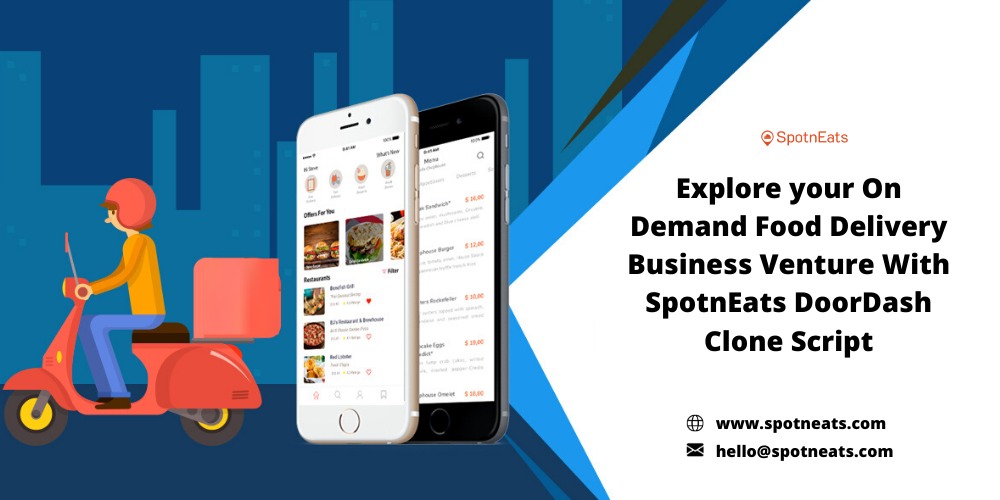
These scripts are built on scalable technology stacks so your platform can handle thousands of orders during peak hours. For instance, Yo!Yumm uses AI-driven dispatch algorithms to optimize delivery routes, while SpotnEats focuses on a simple interface for quick deployment.
When you buy a clone script, you are not just getting code; you are getting a complete ecosystem that has been tested and refined. This means fewer bugs and faster updates compared to starting from zero.
Launching Your Food Delivery Empire: The DoorDash Clone Script Advantage
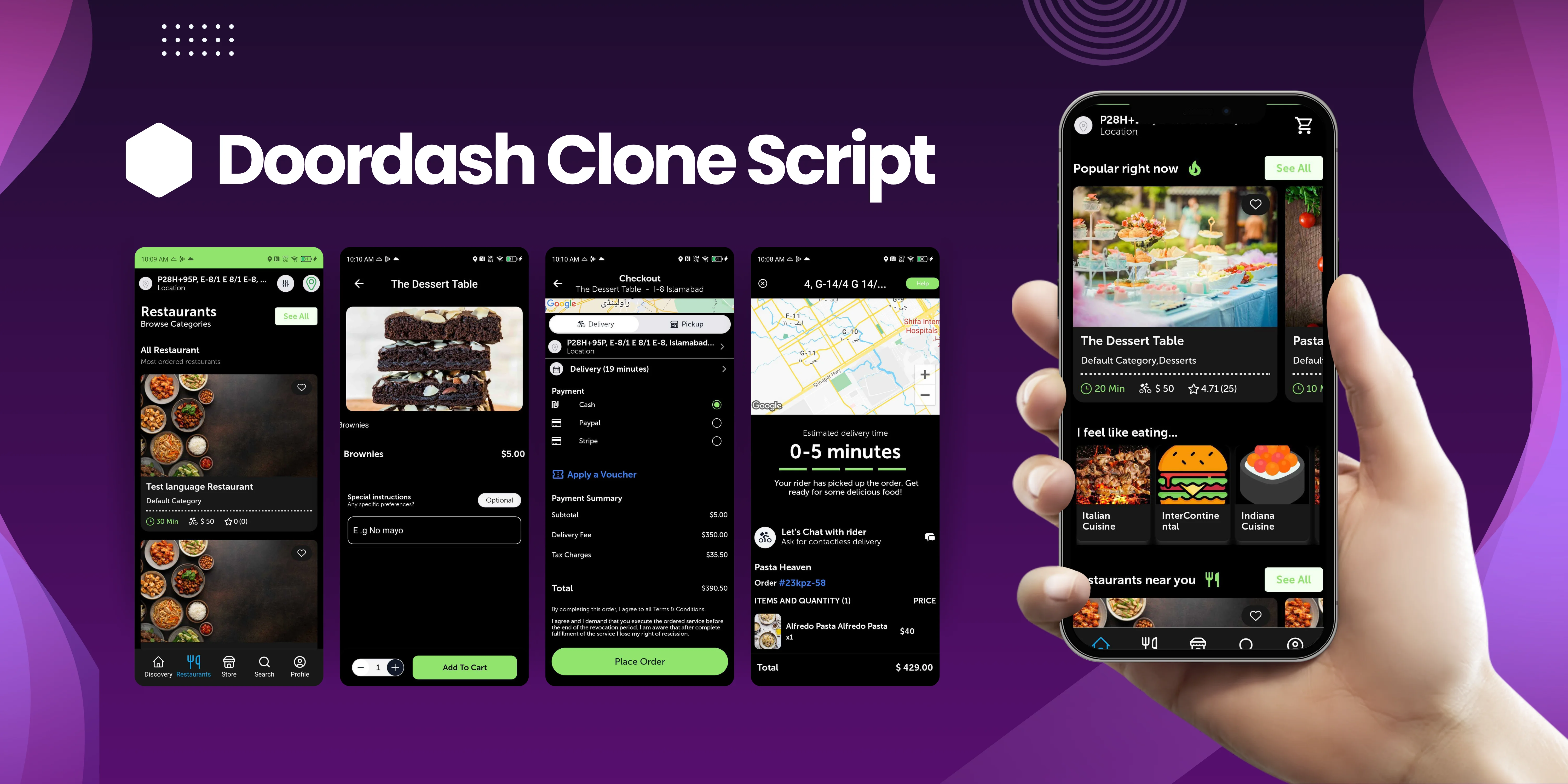
In 2026, the market for DoorDash clone scripts remains a powerful tool for aspiring entrepreneurs. These pre-built solutions dramatically cut down the time and cost of creating your own food delivery platform. Instead of months of custom coding, you can launch a feature-rich app much faster. This approach democratizes the on-demand delivery software industry, making it accessible to more people.
A typical DoorDash clone script is a comprehensive, white-label solution. It includes everything you need: an app for customers to order, an app for delivery drivers, a dashboard for restaurants, and an admin panel for you. This all-in-one package is designed for rapid deployment and significant customization. It is the smart way to enter the competitive food delivery business startup kit market.
| Feature | Description |
| Customer App | Browse menus, order, track deliveries in real-time. |
| Delivery Partner App | Manage requests, use GPS, track earnings. |
| Restaurant Dashboard | Update menus, process orders, track sales. |
| Admin Panel | Oversee operations, manage users, set commissions. |
Food Delivery App Script: Core Features
At its heart, a food delivery app script provides the essential tools for a functional platform. This includes user registration and profile management, intuitive menu browsing with search and filtering, a seamless ordering process, and secure payment gateway integration. Real-time order status updates keep customers informed, while push notifications ensure timely communication. These core features are the foundation of any successful on-demand delivery platform software.
Beyond the basics, advanced scripts offer features like order customization options, loyalty programs, and customer reviews. The goal is to replicate the user experience of established giants like DoorDash. A well-built script ensures that your food ordering system clone is both user-friendly and robust, capable of handling significant traffic.
UberEats Clone Script: Scalable Architecture
When choosing an UberEats clone script, scalability is paramount. In 2026, peak demand can surge unexpectedly, and your platform must handle it without crashing. Leading providers use robust, cloud-based architectures designed to scale automatically. This means your business can grow without worrying about technical limitations holding you back.
A scalable architecture is non-negotiable for long-term success in the food delivery market. It ensures a smooth customer experience even during busy periods.
Look for scripts built with microservices or similar technologies that allow individual components to be scaled independently. This flexibility is key to managing costs and performance effectively. It also simplifies future updates and feature additions to your food delivery business startup kit.
White Label Food Delivery Solution: Branding Options
A white label food delivery solution allows you to completely rebrand the software as your own. This is crucial for building your unique brand identity in a crowded market. You can customize logos, color schemes, and even the overall look and feel to match your vision. This level of customization is a major advantage over starting from scratch.
Most providers offer extensive branding options, allowing you to create a professional and consistent user experience. This is vital for customer trust and recognition. Your platform should look and feel like a unique service, not a generic clone.
On-Demand Delivery Platform Software: Real-Time Tracking
Real-time tracking is a non-negotiable feature for any modern on-demand delivery platform software. Customers expect to see exactly where their order is, from the restaurant to their doorstep. This feature significantly enhances customer satisfaction and reduces support inquiries.
The technology typically relies on GPS integration within the delivery partner’s app. This data is then relayed to the customer’s app via the admin panel. Ensuring accurate and reliable tracking is essential for operational efficiency and customer confidence. It’s a core component of a modern food ordering system clone.
Restaurant Delivery App Builder: Customization Tips
If you’re considering a restaurant delivery app builder, focus on customization that benefits both merchants and customers. For restaurants, easy menu management, order notification systems, and sales analytics are key. They need to update offerings and track performance with minimal effort.
For customers, intuitive navigation, clear product displays, and simple checkout processes are vital. A good builder allows you to tailor these aspects. Consider adding features like special instructions for orders or dietary filters. These small touches can make a big difference in user experience.
Food Ordering System Clone: Payment Integration
Seamless and secure payment integration is critical for any food ordering system clone. Customers need to trust that their financial information is safe. Most clone scripts come with pre-integrated support for popular payment gateways like Stripe, PayPal, and Square.
Ensure the chosen script supports multiple payment methods, including credit cards, debit cards, and potentially digital wallets. The checkout process should be quick and straightforward to minimize cart abandonment. Robust security protocols are essential to protect sensitive transaction data.
Delivery Management Software: Route Optimization
Effective delivery management software relies heavily on route optimization. This feature helps your delivery partners save time and fuel by finding the most efficient paths. It can significantly reduce delivery times and operational costs.
Advanced scripts use AI-powered algorithms to calculate optimal routes, considering traffic conditions and multiple delivery points. This not only improves efficiency but also enhances the customer experience by ensuring faster deliveries. It’s a smart investment for any delivery business.
Food Delivery Business Startup Kit: Launch Checklist
When using a food delivery business startup kit, a clear launch checklist is essential. First, finalize your branding and customize the white-label solution. Next, set up your restaurant partnerships and onboard them onto the platform. Train your delivery partners on using the app and delivery protocols.
Thoroughly test all app functionalities, from ordering to payment processing and tracking. Plan your marketing strategy to attract initial customers. Ensure your admin panel is configured correctly for managing operations and finances. A systematic approach prevents common launch errors.
Frequent Errors to Avoid:
- Inadequate testing of the payment gateway.
- Poorly trained delivery partners leading to customer complaints.
- Failing to customize the branding, making the app look generic.
- Not planning for peak order volumes, causing system slowdowns.
- Ignoring customer feedback after launch.
By following a structured checklist and being aware of potential pitfalls, you can ensure a smoother launch. This proactive approach is key to building a sustainable business.
Impact and Verdict
The Future of Food Delivery Platforms in 2026: Expert Verdict
In 2026, the DoorDash clone script market is more relevant than ever. These solutions offer an unparalleled combination of speed, affordability, and functionality for entrepreneurs. The trend towards AI integration, such as intelligent dispatch and personalized recommendations, is rapidly maturing within these scripts.
While custom development still has its place for highly specialized needs, the vast majority of new entrants will continue to leverage clone scripts. Providers like Yo!Yumm and Appdupe are pushing the boundaries with advanced features, making it easier to launch competitive, scalable platforms. The future is bright for those who choose these smart, pre-built solutions to enter the dynamic on-demand delivery space.
Your 3-Step Action Plan to Launch a DoorDash Clone
Step 1: Define Your Niche and Business Model
Don’t try to compete with DoorDash on every corner. Focus on a specific cuisine, neighborhood, or delivery type like groceries or alcohol.
Decide your revenue model: commission per order, flat subscription fees for restaurants, or delivery charges. This clarity will guide your script selection.
Step 2: Choose the Right Script Provider
Compare top providers like Yo!Yumm, Appdupe, or SpotnEats based on your budget and feature needs. Request demos and read recent user reviews.
Avoid the cheapest option without checking scalability and support. A script that crashes during peak hours will kill your business.
Step 3: Customize and Test Before Launch
Brand the app with your logo, colors, and unique value proposition. Add features like scheduled orders or loyalty programs to stand out.
Run a beta test with 10-20 real users to catch bugs and gather feedback. Fix issues before the public launch to ensure a smooth experience.
Frequently Asked Questions
How much does a DoorDash clone script cost in 2026?
Prices range from $1,500 for basic templates on CodeCanyon to $15,000+ for enterprise solutions from providers like Yo!Yumm. Most include a one-time fee plus monthly maintenance costs.
Be wary of hidden charges for additional features, third-party API keys, or ongoing support. Always ask for a full pricing breakdown upfront.
Can I customize the script to match my brand?
Yes, all reputable providers offer white-label solutions with full branding control. You can change colors, logos, fonts, and even add custom modules.
However, deep customizations like changing the core logic may require developer assistance. Check if the provider offers customization services or if you need your own team.
How long does it take to launch a DoorDash clone?
With a ready-made script, you can launch in 1 to 4 weeks, depending on customization and testing. Some providers claim deployment in as little as 7 days.
Rushing the launch can lead to bugs and poor user experience. Allocate at least 2 weeks for thorough testing and refinement.
Choosing a DoorDash clone script is a smart, proven shortcut to entering the on-demand delivery market. With the right provider and a clear niche, you can build a profitable platform without the six-figure development costs.
Now it’s time to take action: research your top three script providers, request demos, and compare features side by side. Your future customers are waiting for a delivery service that understands their needs.
Imagine a platform where your community orders from local favorites with a tap, and drivers earn on their schedule. That vision is achievable in weeks, not years, with a quality clone script.
