


You see a domain name for just a dollar and think it’s a steal. But that $1 price tag hides a trap: renewal fees that can jump to $15 or even $50 a year. Many women starting a side hustle or small business get burned by these cheap offers.
The truth is, ‘dollar domain’ deals are a marketing loss leader to get you in the door. Registrars like GoDaddy, Namecheap, and IONOS use them to hook new customers. After the first year, you pay full price — and often much more than you expected.
How Dollar Domain Deals Really Work in 2026
In 2026, these promotions are still everywhere. You’ll see them for TLDs like .online, .site, .store, .xyz, .icu, and .cyou. A few times a year, even .com domains drop to $1 for new accounts, but only during limited sales events.
Here’s the catch: the deal is usually for one domain per new customer. And you can’t transfer that domain to another registrar for the first 60 days. That lock-in ensures the registrar makes back their money on your renewal.
Common registrars with these offers include IONOS, Namecheap, GoDaddy, Hostinger, and Gandi. They often push upsells like domain privacy or email hosting, bumping your total at checkout. Always read the fine print before clicking ‘buy.’
2026: The Dollar Domain Reality Check
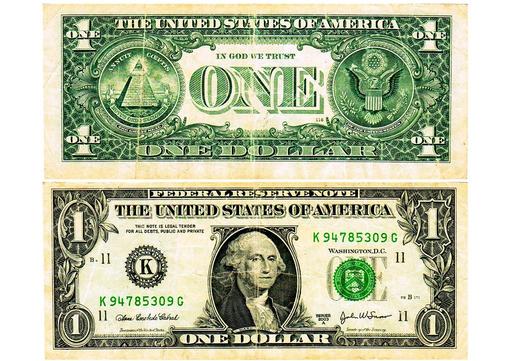
Domain registrars still use dollar domain deals. They want to get new customers. These offers give you a domain for about $1.00 the first year. But renewal prices go up a lot. They can be $15 to $50 each year. This depends on the domain ending and the company. Newer endings like .online or .site are common. Sometimes .com domains get a discount too. This is for new customers only. It is usually for a short time. Key companies like IONOS, Namecheap, GoDaddy, and Hostinger offer these. Gandi sometimes does too. These deals are usually for one domain per new account. They might add other services. Domain privacy or email can increase the cost. You usually cannot transfer the domain for 60 days. This stops people from buying and selling quickly. The company applies a temporary discount. Later, you pay their normal, higher price. This is a way to get customers. They hope you stay with them long-term.
| Offer Type | First Year Cost | Typical Renewal Cost | Common TLDs | Registrars |
| Dollar Domain | ~$1.00 | $15 – $50+ | .online, .site, .store, .xyz | IONOS, Namecheap, GoDaddy, Hostinger |
| Discounted .com/.net/.org | ~$1.00 | $15 – $50+ | .com, .net, .org | GoDaddy, Namecheap (Limited) |
Money Matters.
Getting a domain for $1 is appealing. It makes starting a website feel cheaper. This is a common tactic for domain name promotions. It lowers the barrier to entry for many. You can get cheap domain registration easily. This is a great way to start if you are on a tight budget. The low-cost domain names are attractive.
Understand the Catch.

Renewal prices are much higher. This is the main point to remember. The $1 price is only for the first year. After that, you pay the regular rate. This rate can be $15 to $50 or more. It is important to know this before you buy. These are introductory domain pricing tactics.
Read also: Where to Find a Website Domain for Sale in 2026: Best Marketplaces
Premium vs. Other TLDs.
You see dollar domain offers more on newer endings. Think .online, .site, or .store. These are not as established as .com. Sometimes, .com, .net, or .org get discounts. These are rare and short-lived. Low-cost domain names often use less common endings.
Deals This Month.
Check IONOS, Namecheap, and GoDaddy. Hostinger also has frequent deals. Look for their specific promotions. Namecheap often advertises 99 cent domain names. These deals change often. Visit their sites directly for current offers. You can find good domain name deals.
Introductory Pricing Explained.
The $1 price is a temporary discount. It applies only to the first billing period. Registrars use this to acquire new customers. They hope you will keep the domain for years. This is a standard customer acquisition model. The initial loss is covered by future renewals.
Discounted TLDs: What to Pick.
Extensions like .xyz, .icu, and .cyou are often cheap. .online and .site are also common. These are newer and less recognized. They are good for specific projects. But .com is still the most trusted. Choose based on your website’s purpose. Discounted TLDs can work well for startups.
First Year Savings.
To save money, focus on the first year. Use the $1 domain for testing. Or for a short-term project. Be aware of automatic add-ons. Domain privacy or professional email can increase costs. Maximize savings by unchecking extras you do not need. These are first year domain offers for a reason.
Renewal Costs Loom.
This is where the real cost appears. After the first year, expect higher prices. For .com, it might be $20. For .xyz, it could be $15. Always check the renewal rate before buying. This avoids sticker shock later. Understand the costs after cheap domain promotions end.
Transfer Restrictions.
You cannot move your domain right away. Most registrars block transfers for 60 days. This prevents quick resale. It ensures you commit to the registrar for a bit. This is a standard rule for these offers. It is part of the terms and conditions.
The Verdict: Smart Savings in 2026
Dollar domain deals are still useful. Use them wisely for new projects. Always check the renewal price. Understand the TLD you are choosing. For a serious business, a .com is often best. But for testing or a personal blog, a cheap domain registration works. Keep an eye on Namecheap’s promotions for 99 cent domain names. Visit Namecheap for current deals. Also, check IONOS for their offers. Plan for the renewal cost. Do not let it surprise you later. This is how you make these deals work for you.
Your Dollar Domain Action Plan
Step 1: Pick the Right TLD
Stick with .com, .net, or .org if you want a professional brand.
These classic extensions hold value and are easier to transfer later.
Step 2: Read the Fine Print
Look for the renewal price before you buy.
Most dollar domains jump to $15–$50 per year after the first term.
Step 3: Avoid Unnecessary Add-Ons
Uncheck privacy protection and email if they aren’t required.
You can always add these services later at the same or lower cost.
Frequently Asked Questions
Can I transfer my dollar domain to another registrar?
No, you must wait 60 days after registration before transferring.
This rule prevents immediate domain flipping at the low price.
Is domain privacy included with dollar domains?
Usually not; it’s an upsell that may cost $5–$10 extra per year.
Without privacy, your personal contact info is publicly visible in WHOIS.
Can I register multiple dollar domains on one account?
Most registrars limit the deal to one domain per new customer.
You can create separate accounts, but that’s against terms of service.
Dollar domains are a smart entry point, but only if you plan for the renewal.
Treat them as a trial run, not a permanent home for your brand.
Now review your options and choose a registrar with transparent pricing.
A single dollar today should not cost you fifty dollars next year.
Imagine your website growing on a solid domain that you truly own.
That future starts with a smart decision right now.
