

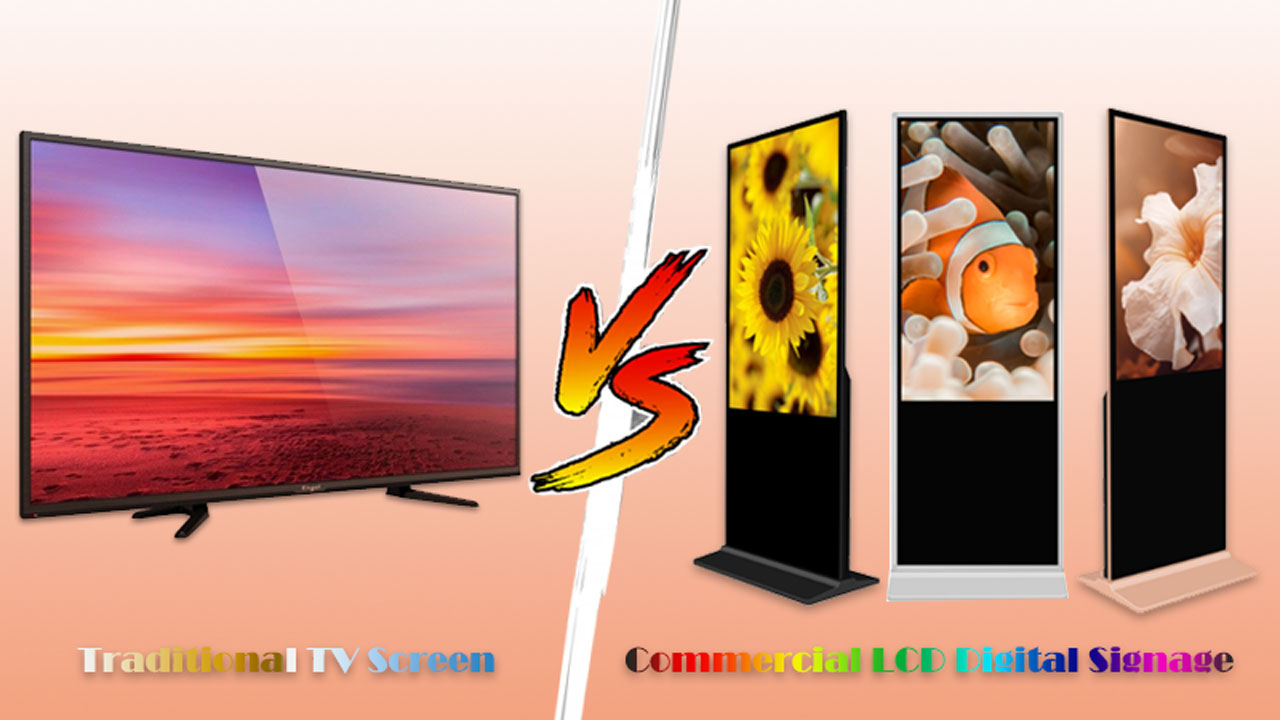
You bought a cheap TV for your store’s ad screen, but it died within months. Consumer TVs just aren’t built to run 16 hours a day, every day, in a commercial setting. That’s a costly mistake many small business owners make.
A real ‘display TV for advertising’ is a commercial-grade digital sign. It’s designed for continuous operation, high brightness, and features like public mode lockout to keep your ads running without interruption. Choosing the wrong screen wastes money and frustrates customers.
Why Your Business Needs a Commercial Advertising Screen, Not a Home TV
Commercial displays are built for 24/7 operation, with internal fans and tougher components to handle heat. Consumer TVs typically fail after about 6 months of constant use because they’re not rated for it. A proper digital signage display also offers much higher brightness, measured in nits, to stay visible in bright retail lighting or even direct sunlight.
For indoor use, look for a minimum of 500 nits; for window-facing or outdoor spots, you need 2,500 nits or more. Many commercial screens also support portrait mode natively, which is perfect for vertical ads and menu boards. Integrated content management systems (CMS) let you update ads remotely via Wi-Fi or cellular, saving you trips to the screen.
Digital Signage Displays for Retail
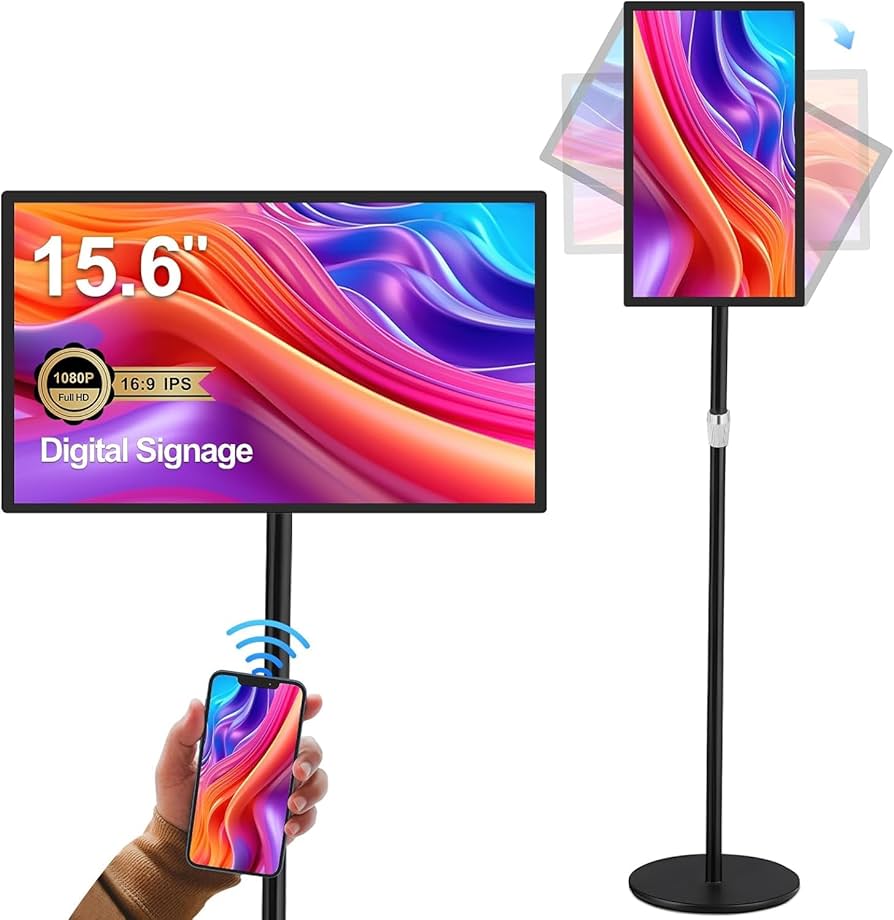
Digital signage displays bring life to retail spaces. They capture attention and guide customers through the store.
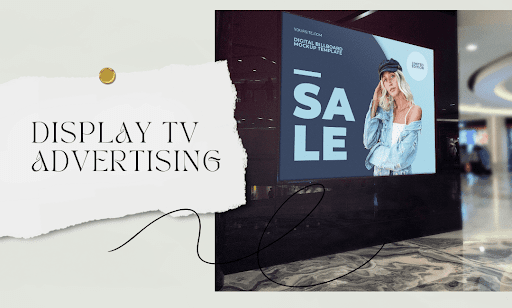
Sleek Retail Kiosks
These kiosks offer an interactive experience for shoppers. They often feature touchscreens for product information and wayfinding. Look for models with public mode lockout to prevent tampering.
Window-Facing Commercial Advertising Screens
These screens are designed to be seen from outside, even in bright sunlight. They use high-brightness displays to combat glare. Ensure they support 24/7 operation for maximum advertising impact.
Read also: 45 LED Video Sign Ideas That Won’t Fade in Sunlight
Digital Menu Boards for Quick Service
Digital menu boards update specials instantly and improve order accuracy. They are essential for fast-paced food environments. Consider models with portrait mode support for dynamic content.
Integrated Digital Signage Displays
These are built directly into store fixtures for a seamless look. They provide information without cluttering the space. Content management systems (CMS) allow easy updates remotely.
High-Brightness Outdoor Advertising TVs
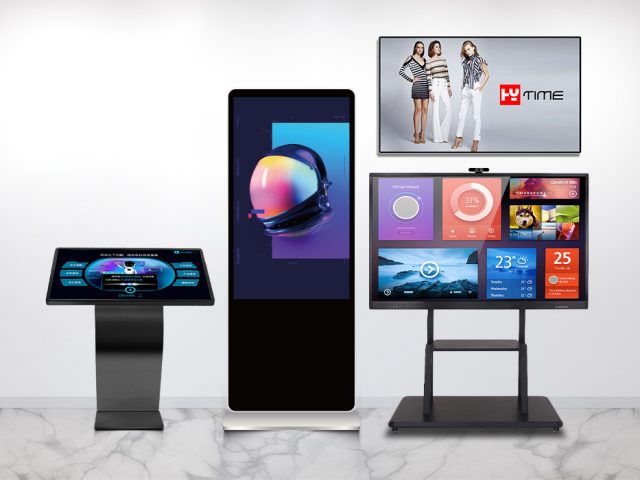
Outdoor advertising TVs must cut through sunlight and weather. High-brightness displays are key for visibility. These screens are built tough for continuous outdoor use.
Weatherproof Outdoor Advertising TVs
These units are designed to withstand rain, dust, and extreme temperatures. They use specialized coatings and sealed enclosures. Look for 24/7 operation ratings for year-round advertising.
A common requirement is a brightness level of 2,500 nits or more. This ensures your message is visible even in direct sun. Furthermore, they often include anti-glare glass for better viewing.
Window-Facing High-Brightness Displays
Positioned in storefront windows, these displays grab attention from passersby. They need exceptional brightness to overcome ambient light. Consider commercial advertising screens designed for this specific challenge.
These displays often feature advanced cooling systems. This is crucial for maintaining performance in direct sunlight. They are a type of digital signage display built for demanding environments.
Portable Digital Banner Stands
These stands offer flexibility for events or temporary promotions. They are easy to move and set up. Many come with built-in media players for simple content loading.
They provide a dynamic advertising solution without permanent installation. Monsterdisplays.com offers various options for these stands. This is a practical choice for mobile businesses.
LED Video Wall Systems for Outdoor Venues
For large-scale impact, LED video walls are unmatched. They create a massive visual presence. These systems are highly customizable for unique spaces.
They offer incredible brightness and color vibrancy. Furthermore, LED video wall systems can be configured in virtually any size or shape. This makes them ideal for stadiums or public plazas.
Interactive Digital Displays for Engagement
Interactive digital displays turn passive viewers into active participants. They boost engagement and information retention. These screens offer a more dynamic customer experience.
Touchscreen Kiosks for Information
These kiosks allow users to browse products or find directions. They are common in malls and public spaces. Interactive digital displays like these enhance customer service.
The touch interface needs to be responsive and durable. Public mode lockout is essential to prevent unauthorized changes. Content management systems (CMS) help manage the interactive content.
Digital Menu Boards with Touch
Some digital menu boards allow customers to customize orders. This streamlines the ordering process. It offers a modern and efficient experience.
These are a specialized type of interactive digital display. They can reduce wait times and errors. Furthermore, they provide a platform for upselling promotions.
Gesture-Controlled Displays
These advanced displays respond to hand movements without touch. They offer a futuristic and hygienic interaction method. This is ideal for high-traffic areas.
Gesture control adds an element of novelty. It can make advertising more memorable. However, ensure the technology is reliable for consistent performance.
Augmented Reality Integration
Pairing displays with AR apps creates immersive experiences. Customers can visualize products in their space. This bridges the digital and physical worlds.
This technology enhances product exploration. It offers a unique way to engage consumers. It is a sophisticated application of interactive digital displays.
4K UHD Commercial Monitors for Clarity
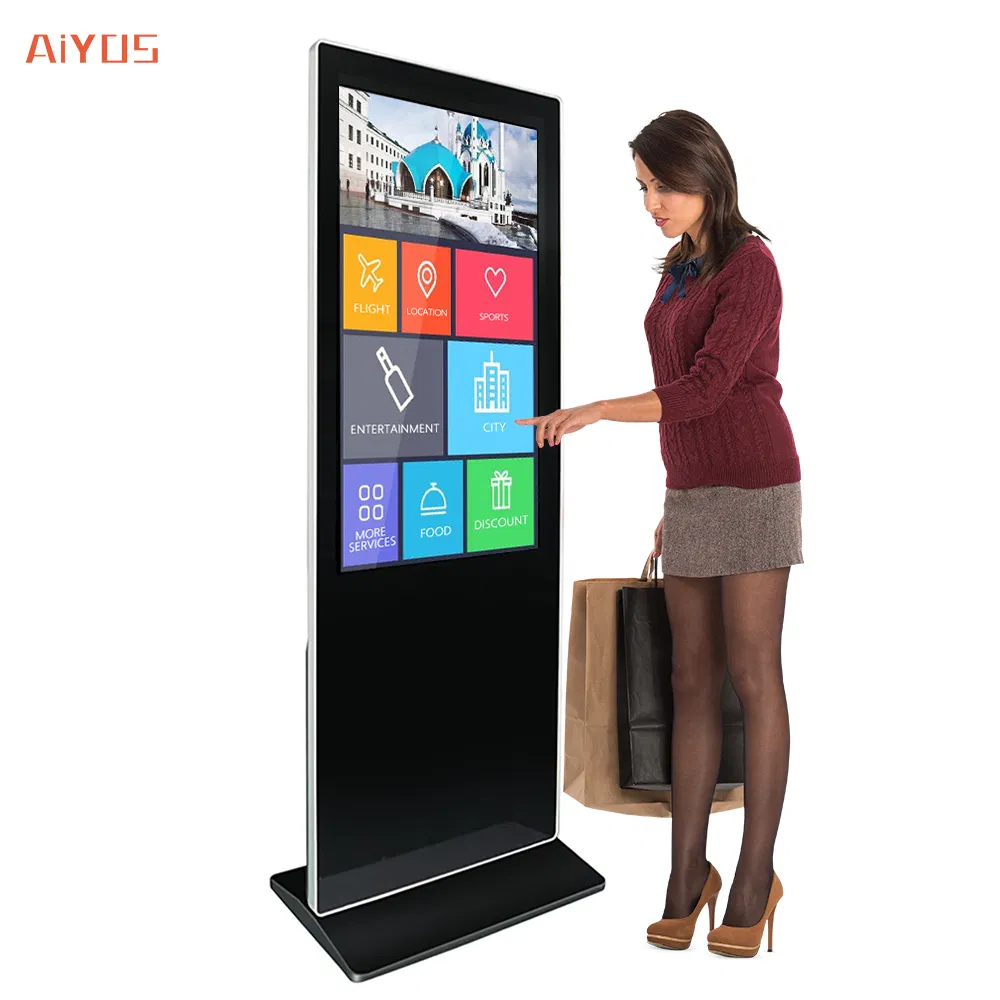
4K UHD commercial monitors deliver stunning visual detail. They make advertisements look sharp and professional. This level of clarity is crucial for impactful messaging.
High-Resolution Digital Signage Displays
These monitors offer four times the pixels of Full HD. This means incredibly sharp text and images. They are perfect for detailed product close-ups.
The clarity enhances the perceived value of products. Furthermore, 4K UHD commercial monitors ensure your brand looks premium. Sharpusa.com offers a range of professional displays.
Large Format 4K UHD Commercial Monitors
For big impact, large screens are essential. These monitors bring advertisements to life at scale. They are ideal for lobbies or public areas.
The immersive experience draws viewers in. Ensure the display is rated for 16/7 or 24/7 operation. This guarantees reliability for continuous advertising.
Portrait Mode 4K UHD Monitors
Some commercial advertising screens support vertical orientation. This is perfect for certain ad layouts or information. It offers design flexibility.
Using portrait mode can fit more content vertically. It is a key feature for versatile digital signage displays. Check specifications for panel safety in this orientation.
Content Management System Integration
These monitors often work with CMS platforms. This allows for easy content scheduling and deployment. It simplifies managing multiple screens.
Remote updates are a major benefit. Content management systems (CMS) streamline campaign changes. This saves time and resources.
24/7 Operation Displays for Reliability
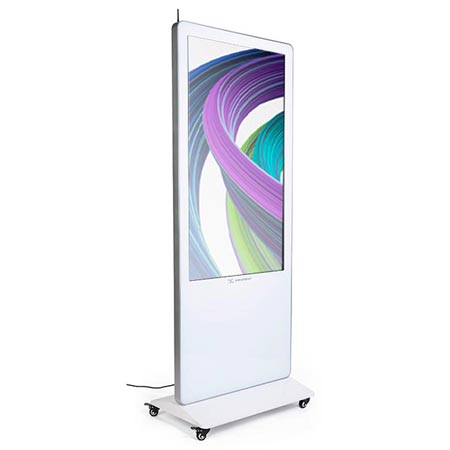
Reliability is paramount for advertising that never stops. 24/7 operation displays are built for constant use. They prevent costly downtime and missed opportunities.
Commercial Grade Durability
Unlike consumer TVs, these displays are robust. They handle continuous power and heat. This is a key difference for professional use.
The internal components are designed for longevity. This ensures consistent performance over time. Business.sharpusa.com provides insights into these differences.
Continuous Use Digital Signage
These screens are rated for non-stop operation. They are essential for businesses open around the clock. This includes retail, transportation hubs, and entertainment venues.
The extended operational life is a significant advantage. Furthermore, 24/7 operation displays reduce replacement costs. They are a sound investment for consistent advertising.
High Uptime Performance
Minimize service interruptions with reliable hardware. These displays are engineered for maximum uptime. This keeps your advertising always visible.
The risk of failure is significantly lower. This is critical for maintaining brand presence. Eye-In.com discusses the importance of choosing the right display.
Built for Demanding Environments
These displays withstand the rigors of commercial settings. They are designed for long hours of use. This ensures your message is always seen.
They are a type of digital signage display built to last. Consequently, they offer peace of mind for advertisers. They are essential for mission-critical applications.
LED Video Wall Systems for Impact
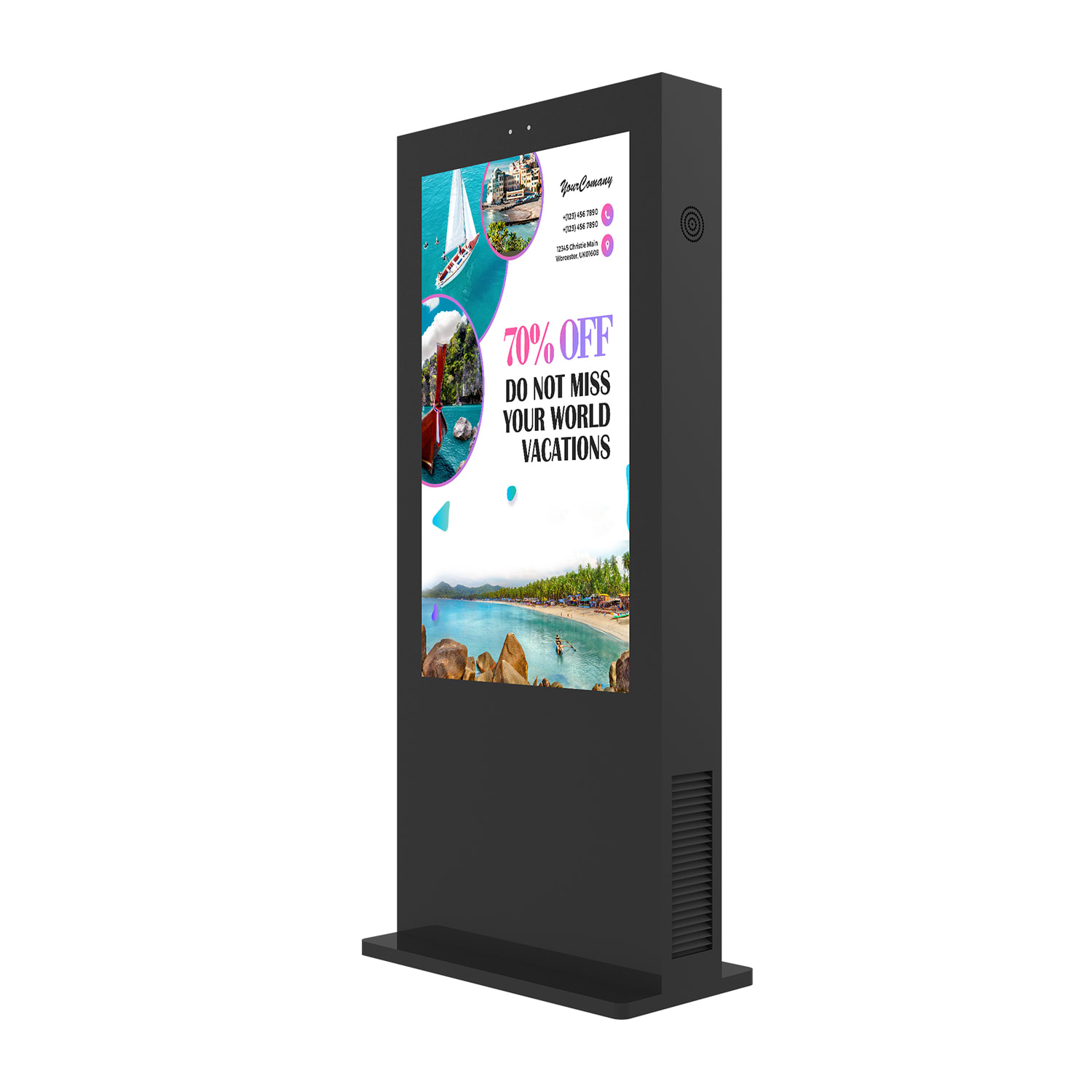
LED video wall systems create a dramatic visual focal point. They offer unparalleled brightness and scale. These systems are ideal for making a big impression.
Seamless Large-Scale Displays
Individual LED modules combine to form one large screen. This creates a smooth, continuous image. It is perfect for high-traffic areas.
The visual impact is immense. Furthermore, LED video wall systems can be customized to fit any space. They are a powerful advertising tool.
High-Brightness Outdoor LED Walls
These systems are designed to be visible in any light condition. They offer exceptional brightness for outdoor venues. This ensures your message cuts through glare.
They are built to withstand environmental factors. This makes them suitable for stadiums or public squares. Their scale commands attention.
Indoor LED Video Walls for Retail
In retail, these walls can showcase products dynamically. They create an engaging shopping atmosphere. This draws customers in and keeps them interested.
The vibrant colors and sharp images are captivating. Content management systems (CMS) are vital for updating content. This allows for timely promotions.
Modular Design Flexibility
LED video wall systems can be configured in various shapes and sizes. This allows for creative installations. They adapt to unique architectural spaces.
The modular nature simplifies installation and maintenance. This flexibility makes them a versatile choice. They are a modern solution for impactful advertising.
Portrait Mode Support for Digital Signage
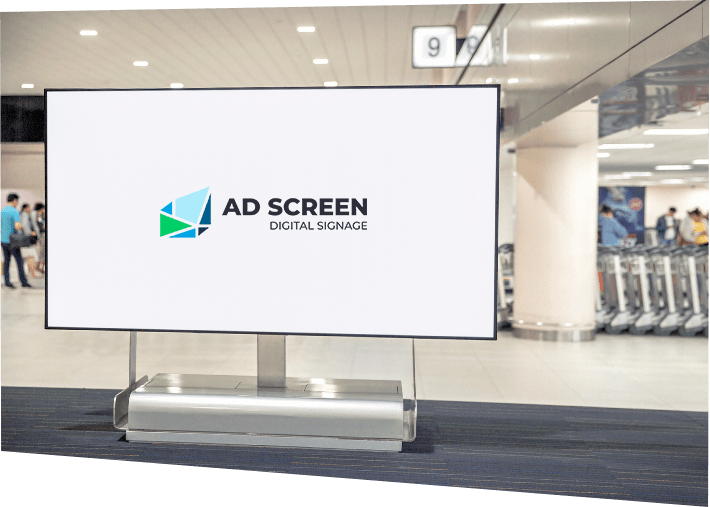
Portrait mode support allows for vertical content display. This orientation is often more engaging for certain ads. It offers creative flexibility for designers.
Vertical Advertising Layouts
Many digital signage displays now support portrait orientation. This is ideal for mobile-first content or tall graphics. It fits naturally in many advertising formats.
This orientation can better capture attention. It is a common requirement for digital menu boards. Ensure the panel is designed for this use to prevent damage.
Space-Saving Digital Signage
In narrow spaces, portrait mode can be more effective. It fits well in corridors or tight retail aisles. This maximizes visibility without taking up much room.
It allows for more information to be displayed vertically. This is a key advantage for content density. It is a practical solution for limited areas.
Flexible Content Placement
Portrait mode allows for different content strategies. You can showcase tall products or sequential information. This adds variety to your advertising.
It is a feature found on many commercial advertising screens. This versatility is valuable for dynamic campaigns. It enhances the overall effectiveness.
Optimizing for Mobile Viewing
Content designed for mobile often works well vertically. This orientation mirrors how people hold their phones. It creates a familiar viewing experience.
This approach can increase viewer connection. It is a smart strategy for digital signage displays. Bannerbuzz.com offers solutions that support this.
Content Management Systems for Easy Updates
Content Management Systems (CMS) are crucial for modern advertising. They allow you to control your messages remotely. This simplifies campaign management significantly.
Remote Content Scheduling
With a CMS, you can schedule ads to play at specific times. This is perfect for daily specials or timed promotions. It ensures the right message is shown at the right moment.
This feature saves considerable time and effort. Furthermore, content management systems (CMS) allow for quick changes. This is vital in fast-paced markets.
Centralized Control of Multiple Screens
Manage all your digital signage displays from one place. This is essential for businesses with many locations. It ensures brand consistency across all screens.
A robust CMS simplifies complex deployments. It streamlines the process of updating content everywhere. This is a core benefit of digital signage.
Dynamic Content Integration
Some CMS platforms can pull live data. This includes weather, news feeds, or social media. It makes your advertising more relevant and engaging.
Dynamic content keeps viewers interested. It offers a more interactive experience. This is a powerful feature of modern digital signage displays.
User-Friendly Interfaces
Look for a CMS that is easy to navigate. You should be able to upload and schedule content without technical expertise. This empowers your marketing team.
A simple interface reduces the learning curve. Consequently, you can deploy campaigns faster. This makes your advertising more agile.
Style and Reference Gallery
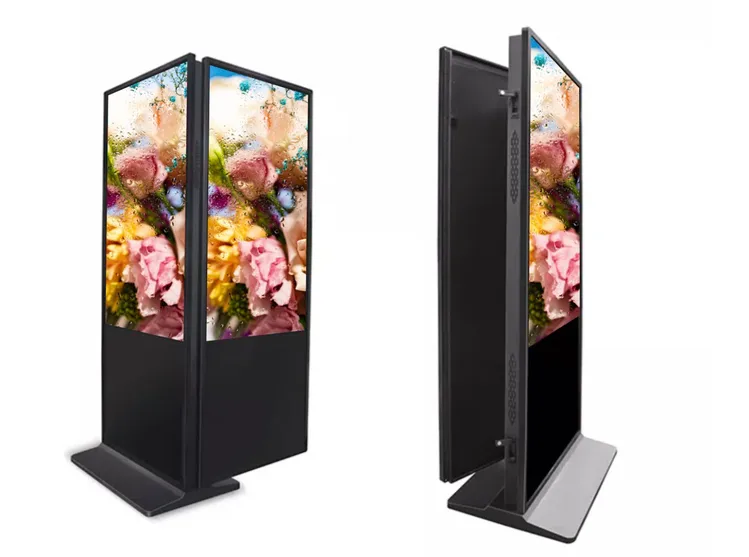
Fanless cooling means silent operation. No distracting hum in quiet lobbies.
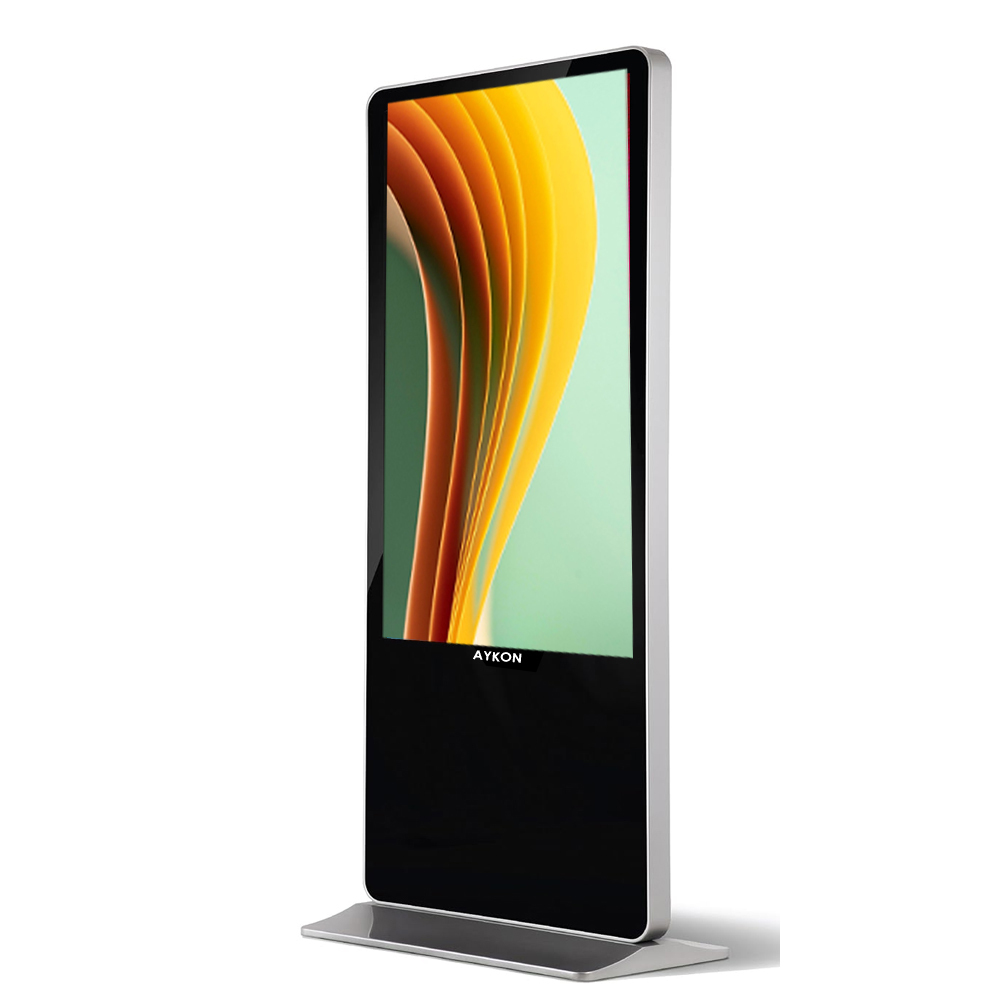
Auto-brightness adjusts to ambient light. The screen stays visible without blinding at night.
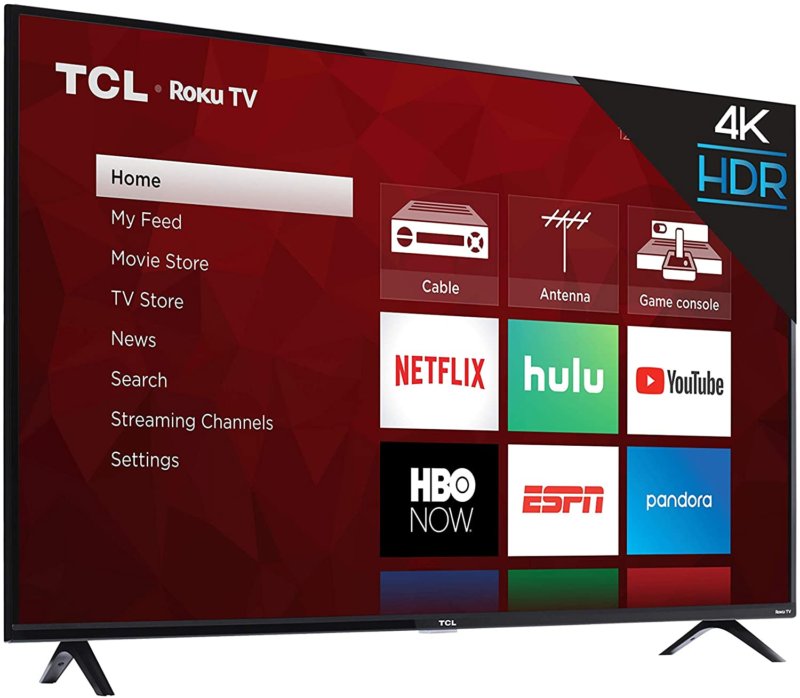
4K resolution on large screens keeps details crisp. Even small text is legible from across the room.
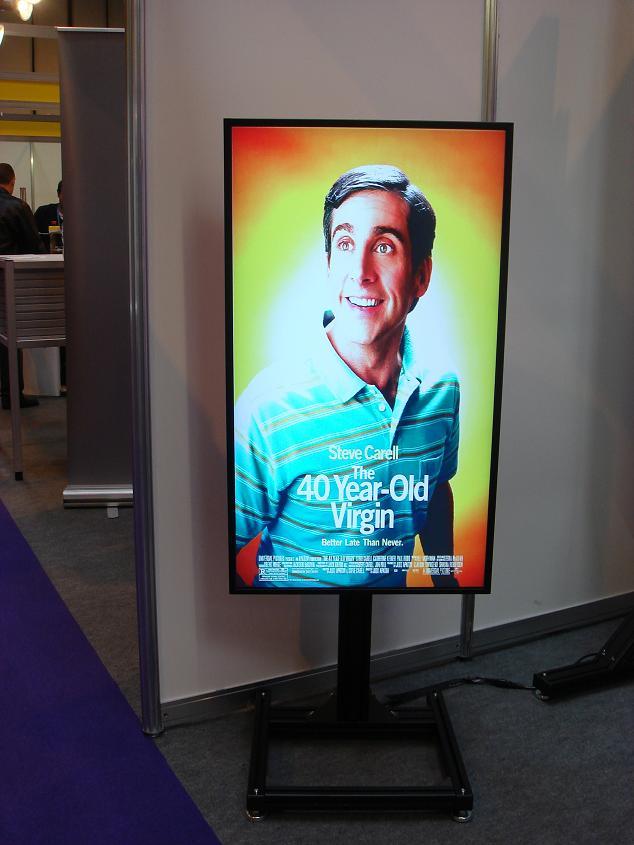
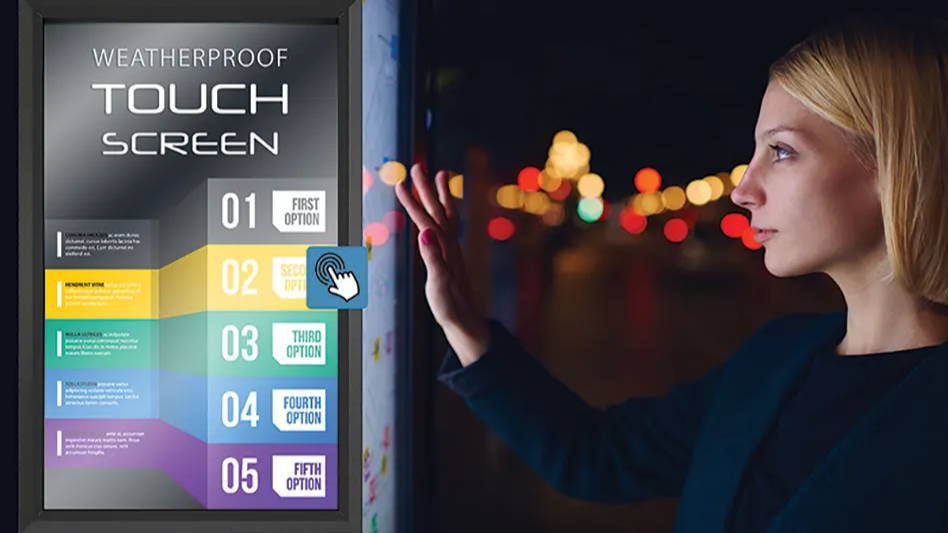
Touchscreen models let customers interact directly. They tap to learn more about your offer.
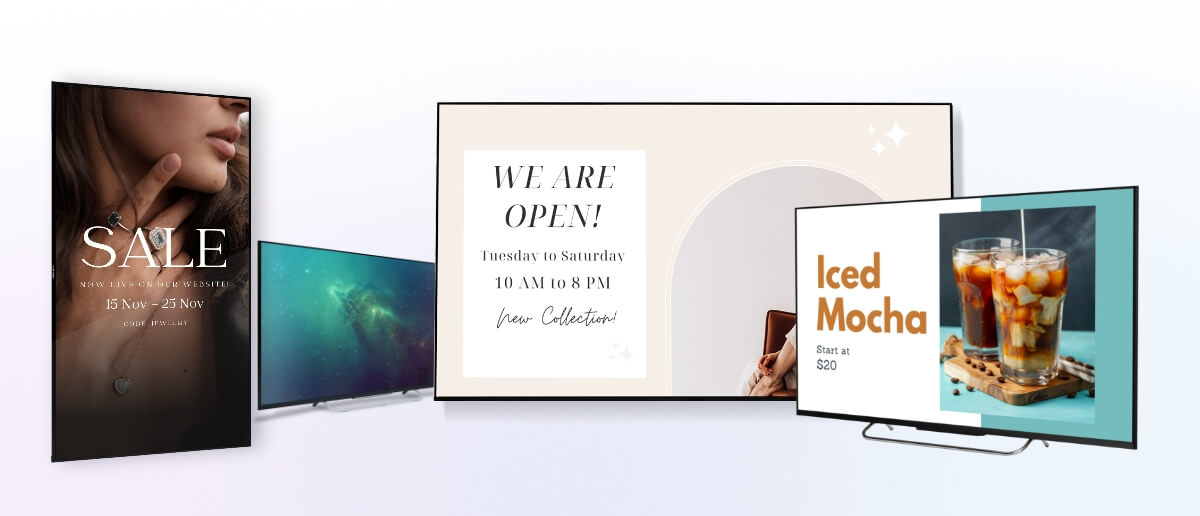
Scheduling software shows different ads by time of day. Morning coffee specials, evening dinner deals.
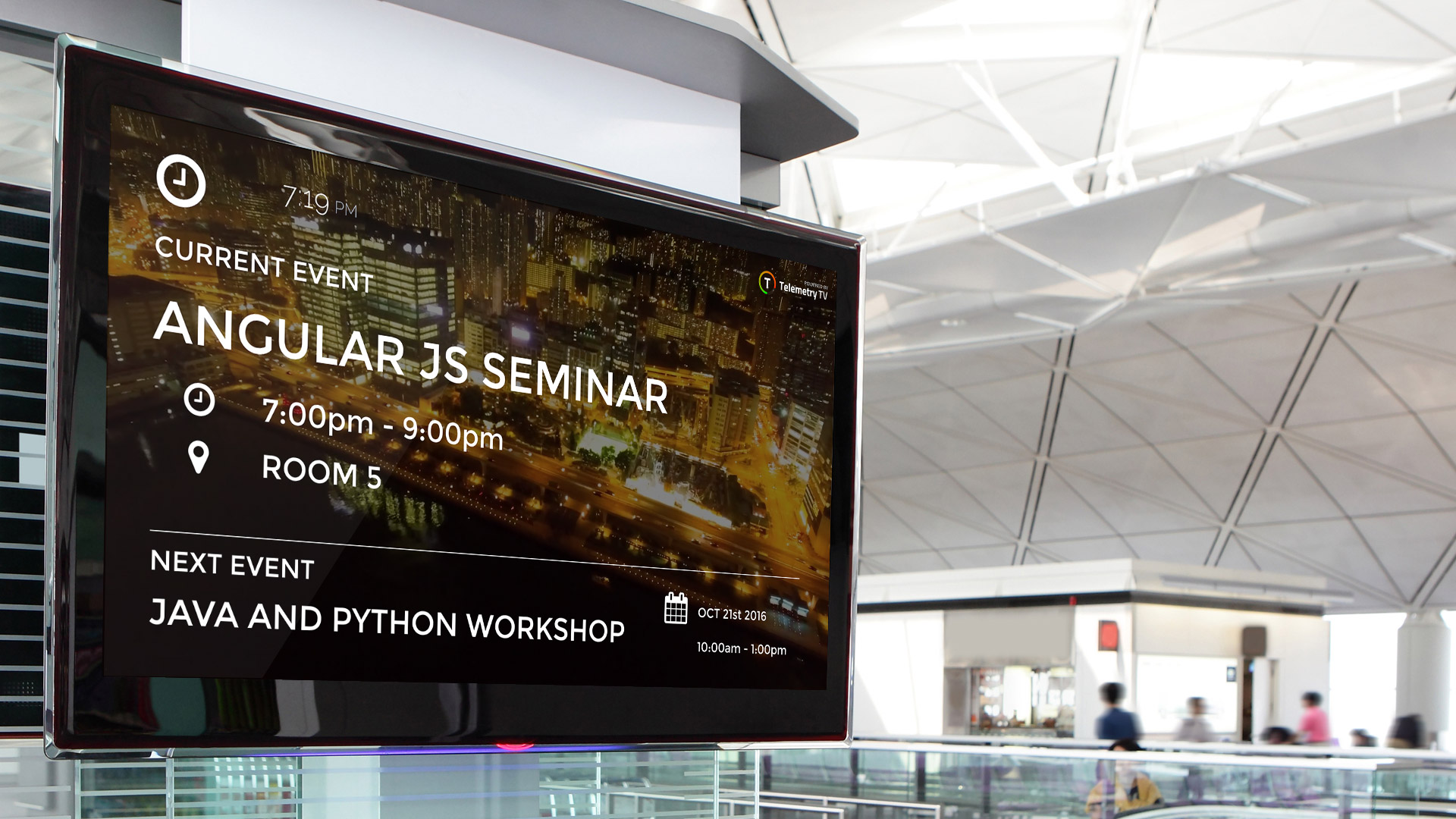
VESA mounting makes installation fast and secure. Your display stays put on any wall or stand.
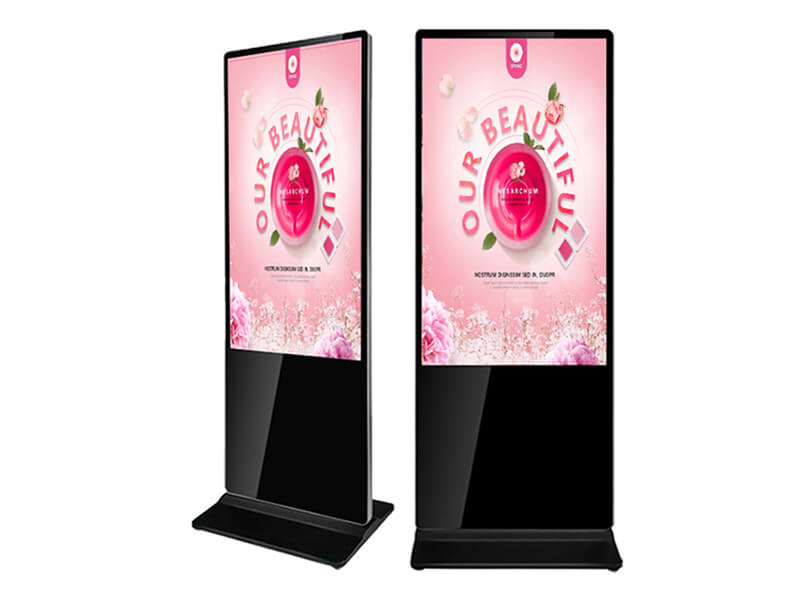
Energy-saving modes cut power when no one is watching. You save money without losing impact.
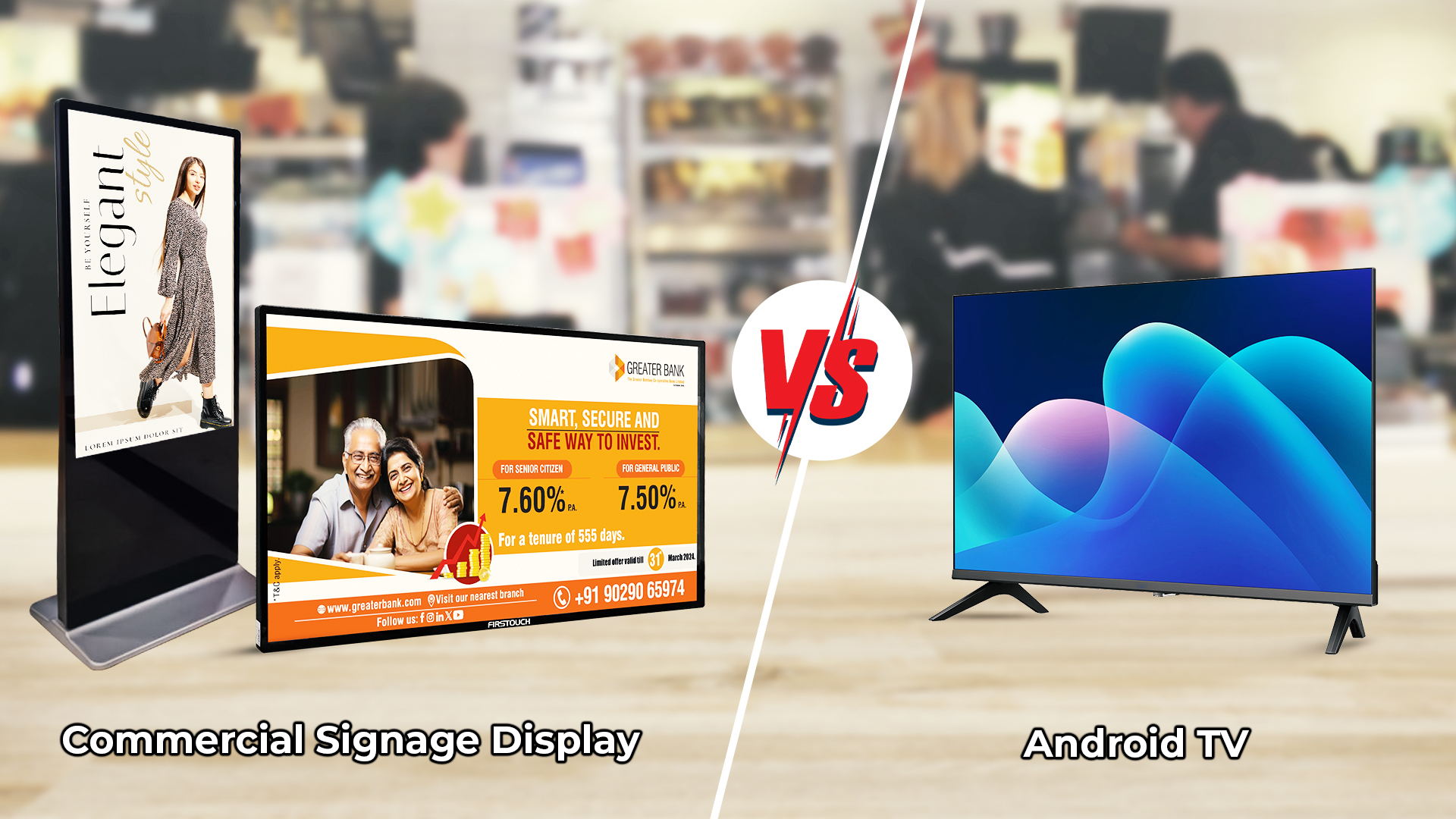
A bright 2500-nit screen cuts through window glare. Your ad stays readable even at high noon.
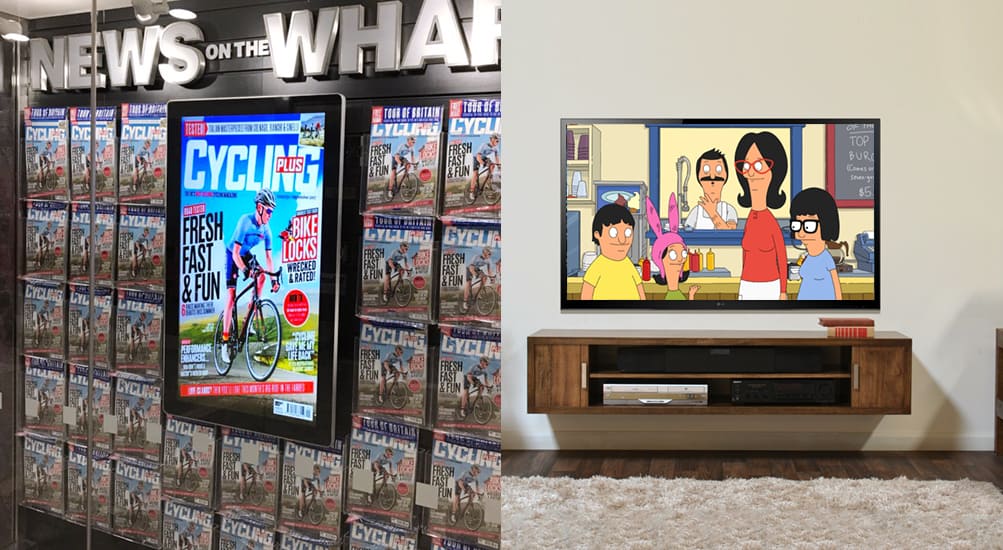
Portrait orientation fits social media-style ads perfectly. It uses vertical space that landscape cannot.
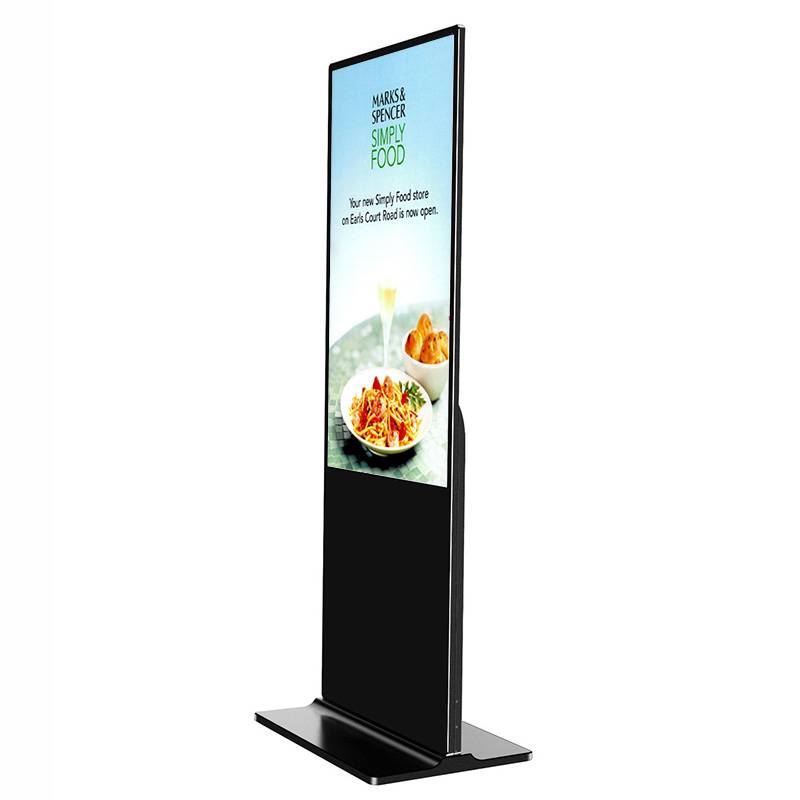
Built-in media players eliminate extra boxes. Your setup stays clean and simple.

Remote content updates save you hours of manual work. Change an ad from your phone in seconds.
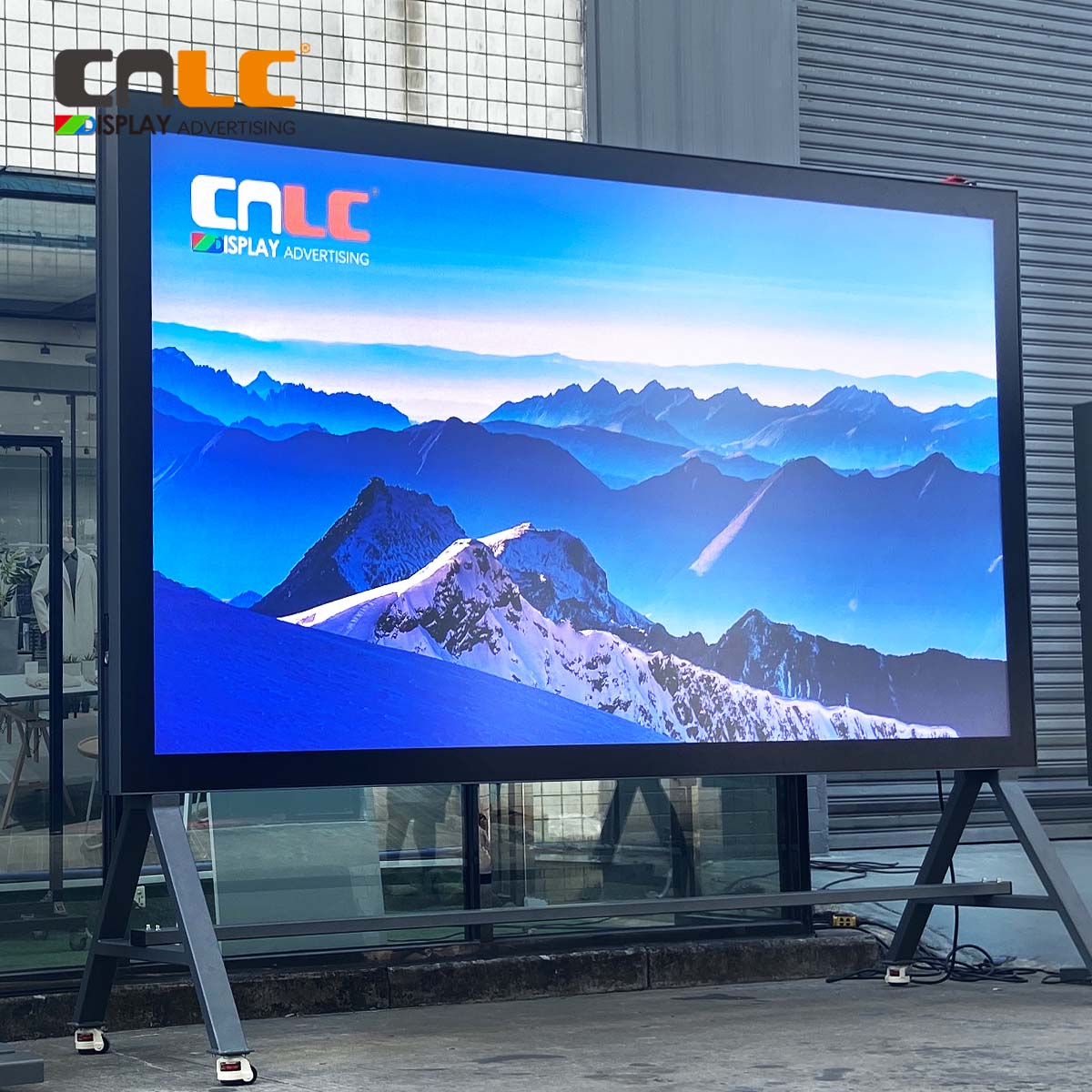
Weatherproof outdoor displays resist rain and heat. They keep running through any storm.
Ultra-slim bezels make multiple screens look like one seamless canvas. Your message spans wider.
Your Blueprint for a Flawless Advertising Display
Step-by-Step: Choosing and Setting Up Your Display
First, measure your space and note the ambient lighting. For a storefront window, you need at least 2500 nits; for an indoor lobby, 500 nits will do.
Next, verify the display is rated for 24/7 operation and has a built-in media player or supports an external one. This ensures it won’t overheat or fail mid-campaign.
Finally, set up your content management system (CMS) to schedule and update ads remotely. Test the orientation (portrait vs. landscape) before mounting to match your ad designs.
What to Avoid in Execution
Never use a consumer TV for commercial advertising. It lacks the cooling and brightness needed and will likely fail within a few months.
Avoid placing a standard brightness display in direct sunlight or near bright windows. The image will wash out and become unreadable, wasting your ad spend.
Do not skip the ‘public mode’ lockout feature. Without it, customers or staff can accidentally change settings, disrupting your display.
Maintenance Tips for Long Life
Clean the screen weekly with a microfiber cloth and approved cleaner to prevent dust buildup that reduces brightness. Check ventilation vents monthly to ensure airflow isn’t blocked.
Update the CMS software and firmware quarterly to patch security vulnerabilities and add new features. Test your content once a week to catch any playback errors early.
Frequently Asked Questions
Can I use a regular TV for my store’s advertising?
No, regular TVs are not built for continuous operation. They overheat and fail quickly under commercial use, often within months.
What brightness do I need for a window display?
For a window facing direct sunlight, you need at least 2500 nits. For shaded windows, 1500 nits is a minimum.
How do I update ads on the display?
Most commercial displays include a content management system that lets you upload and schedule ads remotely via Wi-Fi or a cellular connection.
Choosing a commercial-grade display TV for advertising is not an expense—it is an investment in your brand’s visibility. The right screen will run reliably for years, paying for itself through consistent customer engagement.
Now that you know the specs and setup steps, start by measuring your space and checking the light levels. Your next move is to compare models with the brightness and durability you need.
Imagine your ad glowing with perfect clarity, grabbing attention every single day. That is the power of a display built for the job, not a TV meant for a living room.
