


That faded, peeling chemical waste sign on your old container might be costing you more than you think. A single missing or illegible label can trigger an OSHA fine of up to $13,653 per violation in 2026. Don’t let a cheap piece of plastic put your whole operation at risk.
Most people think any yellow sticker will do, but that’s a dangerous myth. The wrong sign can mislead workers, cause improper disposal, and even lead to environmental fines. Getting it right is simpler than you imagine, and this article will show you exactly what to look for.
Why Your Chemical Waste Sign Must Meet OSHA and EPA Standards
Your chemical waste disposal signs do more than just label a drum; they are a legal requirement under OSHA’s Hazard Communication Standard and EPA’s RCRA regulations. These rules demand that every container show the waste’s chemical identity, hazard pictograms, and a signal word like ‘Danger’ or ‘Warning.’ A compliant label also needs the accumulation start date and your department name.
If you handle hazardous waste labels for lab solvents or biohazard waste signs for medical sharps, the stakes are even higher. The EPA requires that regulated medical waste signs be fluorescent orange or red and display the universal biohazard symbol. Using a generic safety warning sign instead can lead to citations and dangerous mix-ups.
Chemical Waste Signs: Bold Colors for Safety
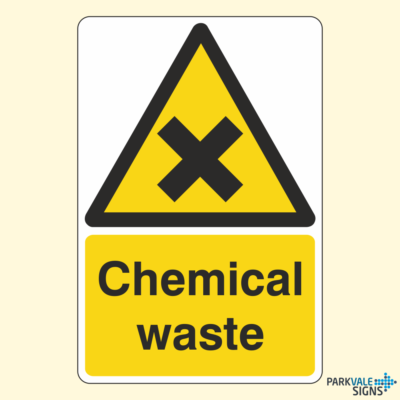
Clear identification of hazardous materials is crucial for workplace safety. Bold colors on these signs grab attention instantly, communicating potential dangers effectively.
High-Contrast Orange and Yellow
These bright colors are standard for hazard communication. They stand out against most backgrounds, making them easy to spot in busy environments. Consequently, they are vital for general hazard warnings.
Red for Immediate Danger
Red signifies urgent or critical hazards. It is often used for emergency stop buttons or areas requiring immediate attention. This color is a powerful visual cue for serious risks.
ANSI Z535 Standards
These standards dictate color usage for safety. Following them ensures consistency and immediate understanding across different facilities. Adherence to these standards is a key part of effective lab safety signs.
Fluorescent Options
For low-light conditions, fluorescent materials enhance visibility. They absorb ambient light and re-emit it, making the sign more noticeable. This is particularly useful in storage areas.
Hazardous Waste Labels: The Role of GHS Pictograms
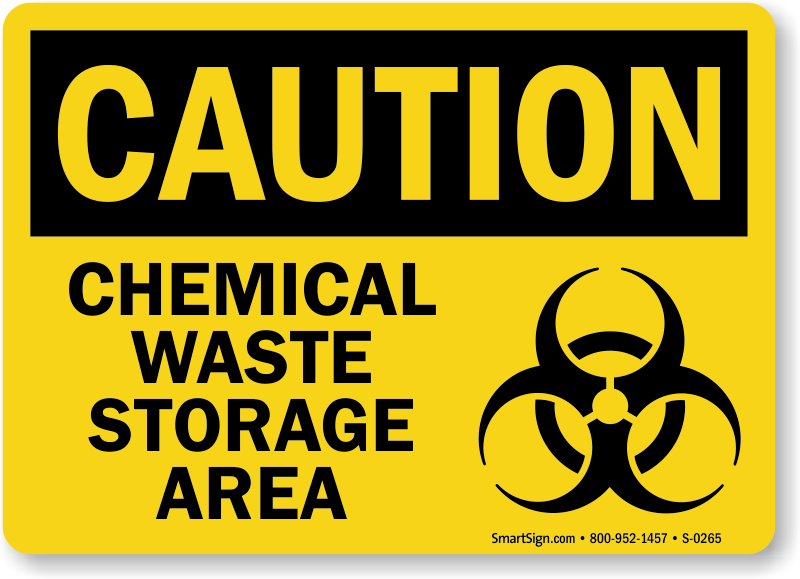
Proper labeling prevents mix-ups and informs handlers about specific risks. The Globally Harmonized System (GHS) provides standardized pictograms for universal understanding. These hazardous waste labels are essential for compliance.
Flame Pictogram
This symbol indicates flammable materials. It warns users to keep the substance away from heat and ignition sources. Proper chemical storage labels often feature this.
Skull and Crossbones
This universally recognized symbol denotes acute toxicity. It signals that the substance can be harmful or fatal if ingested, inhaled, or absorbed through the skin. These are critical for regulated medical waste signs.
Exclamation Mark
This pictogram represents less severe hazards. It can indicate skin or eye irritation, respiratory sensitization, or acute toxicity. These are common on many waste container labels.
Health Hazard Symbol
This symbol identifies substances that can cause long-term health effects. Examples include carcinogens or reproductive toxins. Its presence on GHS labels for chemical waste is mandatory.
Corrosion Symbol
This symbol warns of corrosive substances. It indicates that the material can damage skin, eyes, or equipment. These are important for chemical waste disposal signs.
Lab Safety Signs: Clean and Minimalist Designs
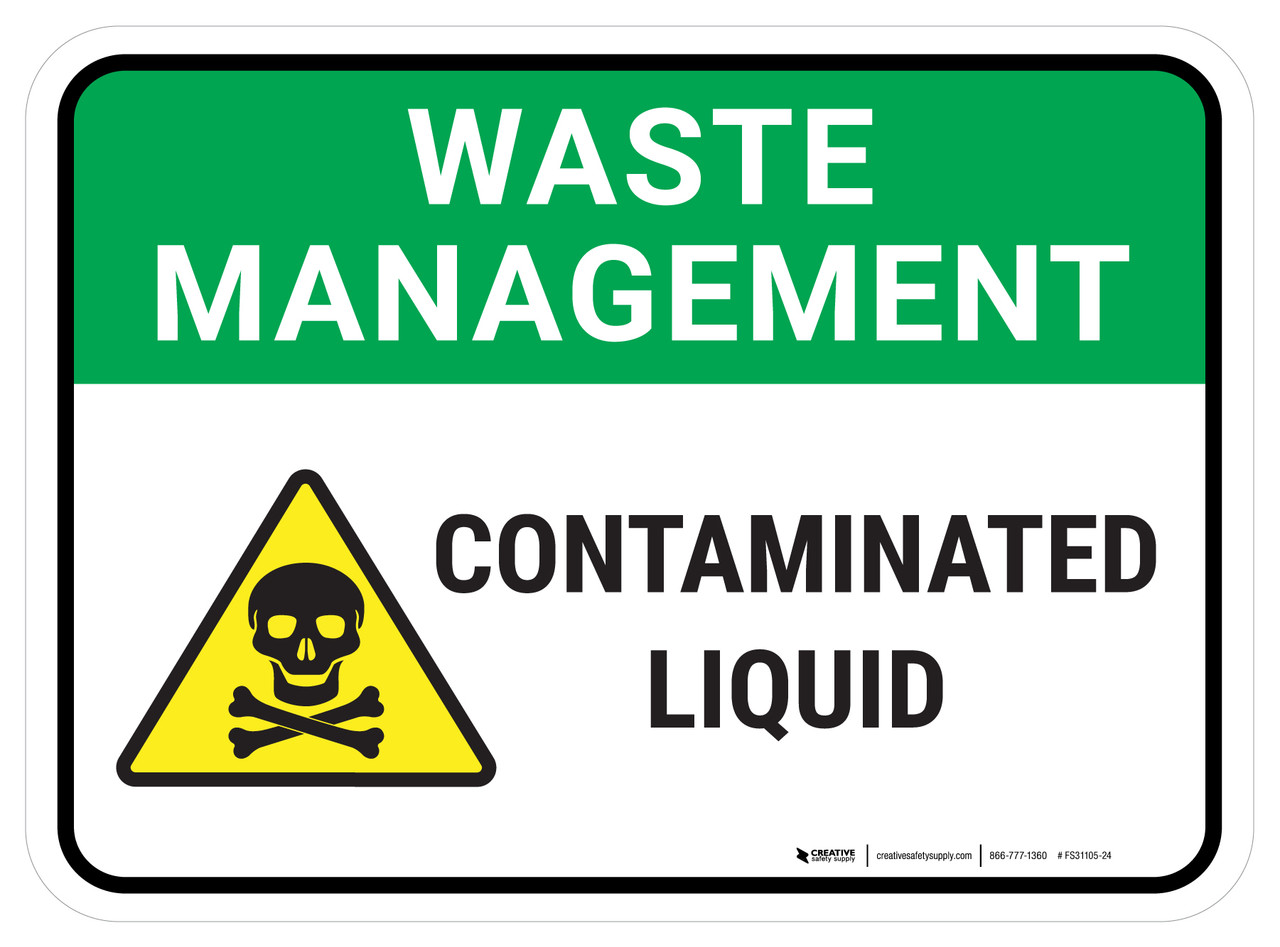
In laboratory settings, clarity and simplicity are paramount. Clean, minimalist designs reduce visual clutter and ensure critical information is easily absorbed. Effective lab safety signs contribute to a secure working environment.
Simple Icons
Minimalist signs often use straightforward icons instead of extensive text. This allows for quick comprehension, even by those with limited English proficiency. These icons are key on safety warning signs.
Monochromatic Palettes
Using a limited color scheme, often black and white or shades of gray, enhances readability. This aesthetic is professional and unobtrusive. It complements the serious nature of hazardous waste labels.
Ample White Space
Generous use of white space prevents signs from looking crowded. It helps direct the eye to the most important symbols and text. This is a hallmark of modern safety warning signs.
Sans-Serif Fonts
Clean, legible sans-serif fonts are preferred for easy reading. They offer a modern and uncluttered appearance. This choice is crucial for clear typography on regulated medical waste signs.
Durable Vinyl Material
Signs made from durable vinyl resist moisture and chemicals. They maintain their appearance and legibility over time. This material is ideal for long-term use.
Biohazard Waste Signs: Red and Black Visual Impact
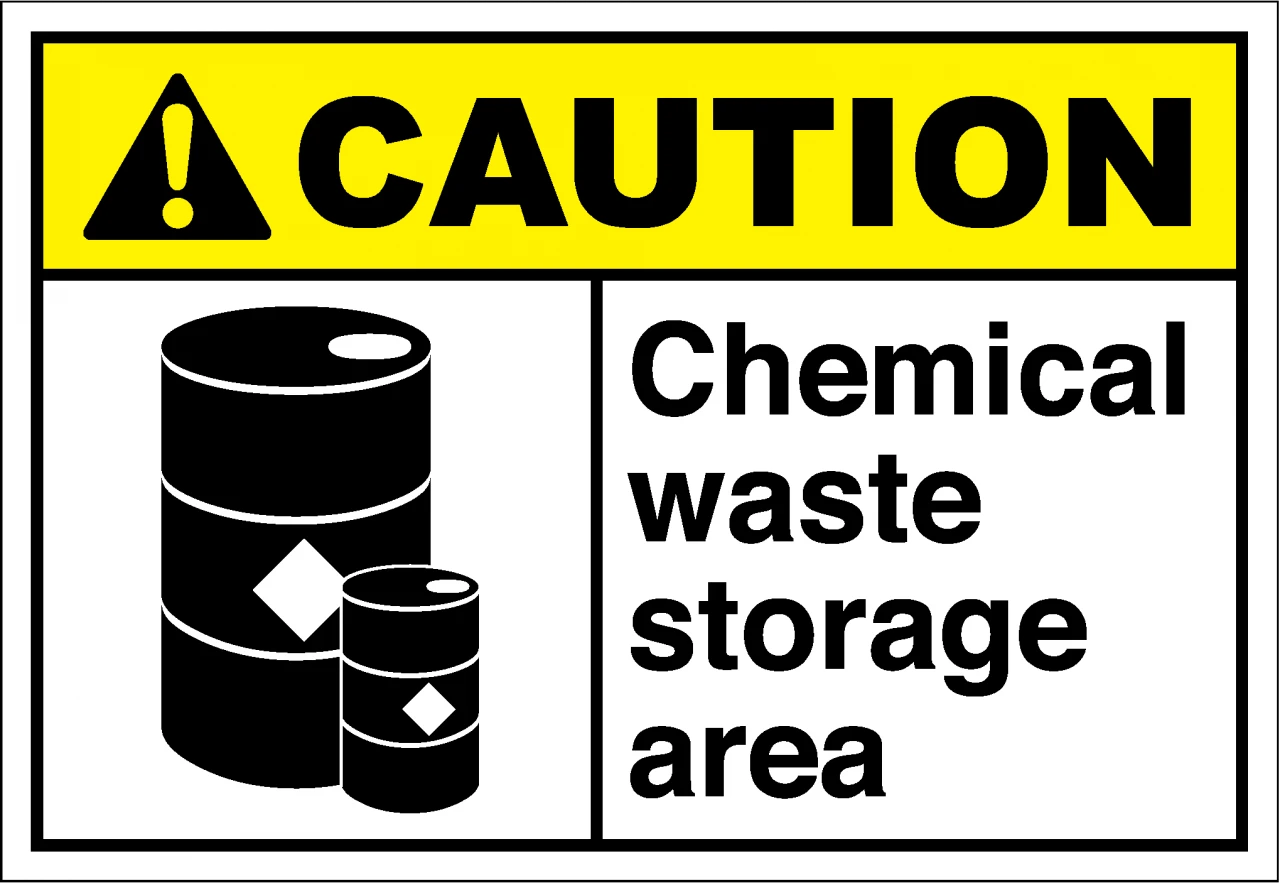
Biohazard waste requires specific identification to prevent the spread of infectious agents. The stark red and black color scheme is instantly recognizable and communicates a serious warning. These biohazard waste signs are essential in healthcare and research.
Vibrant Red Backgrounds
Red is a high-visibility color that commands attention. It is universally associated with danger and urgency. This makes it perfect for biohazard waste signs.
Bold Black Biohazard Symbol
The universal biohazard symbol is typically rendered in stark black. Its contrast against the red background is striking. This combination is a powerful visual alert.
Minimal Text
Often, only the biohazard symbol and the word ‘BIOHAZARD’ are present. This direct approach ensures immediate understanding. It is a key feature of effective lab safety signs.
Matte Finish Options
A matte finish can reduce glare, improving readability in various lighting conditions. It also gives a more subdued, professional look. This is a practical consideration for waste container labels.
Laminated Coatings
Lamination protects the sign from spills and wear. It ensures the integrity of the biohazard symbol. This is vital for the longevity of these signs.
Regulated Medical Waste Signs: Clear Typography Matters
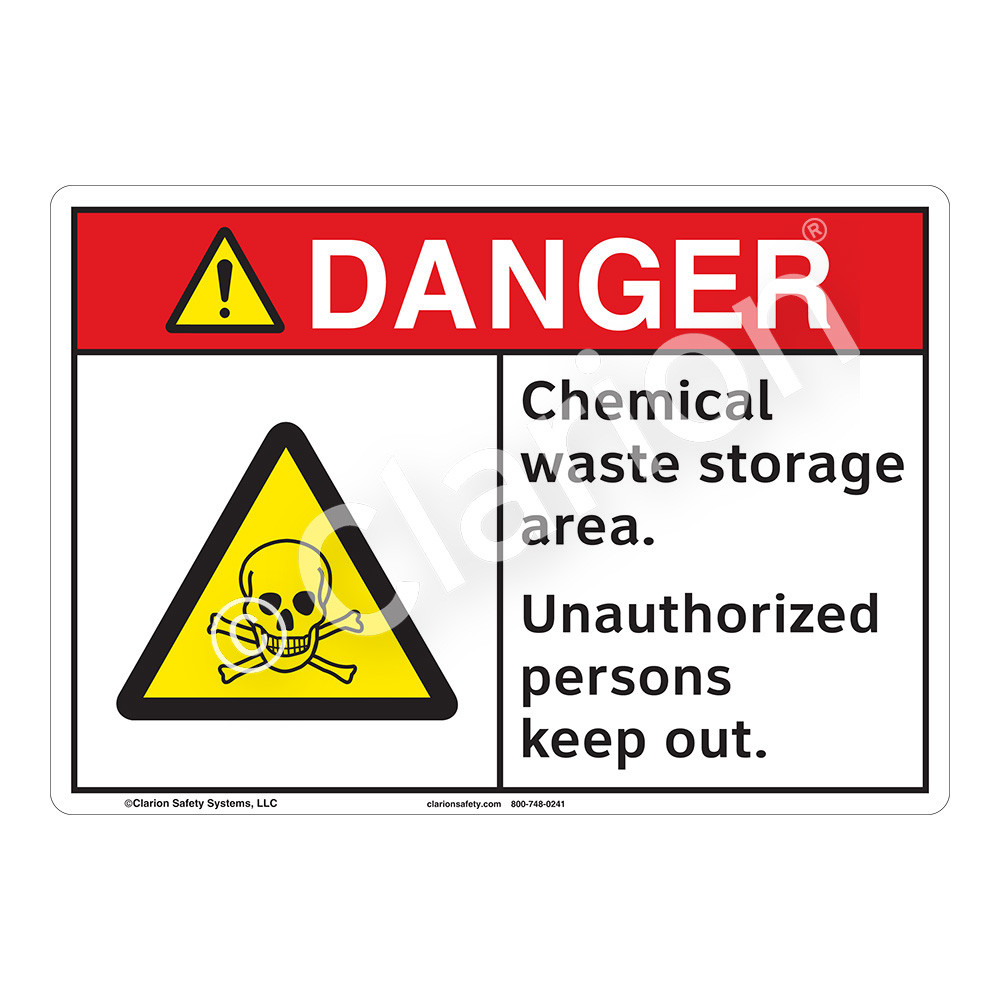
Accurate identification of regulated medical waste is critical for safe handling and disposal. Clear, legible typography ensures that all necessary information is conveyed without ambiguity. These signs are vital for compliance and safety.
Large, Bold Font
Using a large, bold font makes the text easy to read from a distance. This is essential in environments where quick decisions are necessary. Clear typography is key for regulated medical waste signs.
High Contrast Text
Black text on a white or yellow background provides maximum contrast. This ensures legibility under various lighting conditions. It’s a fundamental principle for all safety warning signs.
Standardized Wording
Using industry-standard phrases ensures consistency. This helps personnel recognize the hazard quickly. It is a critical aspect of EPA hazardous waste labels.
Block Lettering
All capital letters in a clear block font are easier to scan. This style avoids confusion and misinterpretation. It enhances the effectiveness of hazardous waste labels.
Durable Ink
The ink used must be resistant to fading and smudging. This ensures the message remains clear throughout the waste’s lifecycle. This is important for chemical storage labels.
Chemical Storage Labels: Durable Materials and Contrast
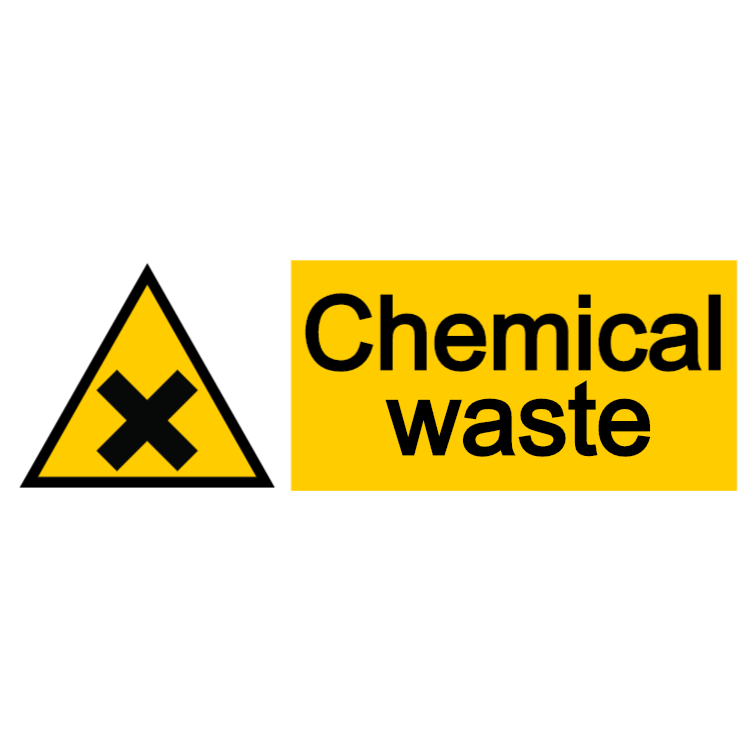
Proper labeling of chemical storage areas prevents accidental exposure and ensures compliance. Durable materials and high contrast are essential for long-lasting legibility. These chemical storage labels protect personnel and property.
UV-Resistant Vinyl
Vinyl is resistant to many chemicals and moisture. UV resistance prevents fading from sunlight exposure. This ensures the label remains legible over time. It is a good choice for EPA hazardous waste labels.
Adhesive Strength
Labels need a strong adhesive to stay put on various surfaces. This prevents them from peeling off in demanding environments. Good adhesion is critical for waste container labels.
High Contrast Colors
Black text on a white or yellow background offers excellent contrast. This makes the information easy to read at a glance. It is a fundamental aspect of chemical waste disposal signs.
Clear Bordering
A distinct border helps the label stand out from its surroundings. It defines the information area clearly. This improves the overall visibility of lab safety signs.
Weatherproof Options
For outdoor storage, weatherproof labels are necessary. They must withstand rain, temperature changes, and dirt. This ensures continued readability.
Waste Container Labels: Color-Coded for Quick Identification
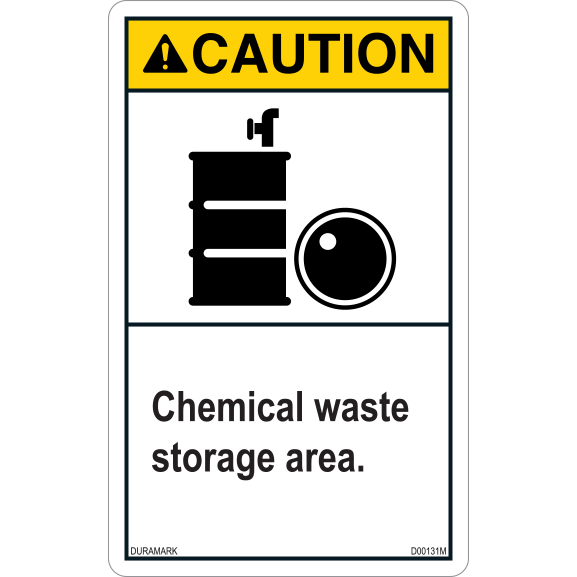
Color-coding waste containers provides an immediate visual cue for waste streams. This system speeds up sorting and reduces errors. Effective waste container labels are vital for efficient waste management.
Standard Color Codes
Different colors are assigned to specific waste types, like red for biohazards or yellow for radioactive materials. This system is intuitive and widely adopted. It aids in identifying hazardous waste labels quickly.
Clear Label Placement
Labels should be placed on multiple sides of the container for visibility. This ensures the container can be identified regardless of its orientation. It is a key part of chemical waste disposal signs.
Durable Laminate
A protective laminate shields the label from abrasion and chemicals. This maintains the integrity of the color-coding and text. It ensures the long-term usefulness of these labels.
Resistant Adhesives
The adhesive must withstand temperature fluctuations and moisture. This prevents the label from falling off. It is crucial for all types of waste container labels.
Customizable Fields
Labels often include fields for date, contents, and responsible party. This allows for detailed tracking and accountability. It is a feature found on many GHS labels for chemical waste.
Safety Warning Signs: The Power of Universal Symbols
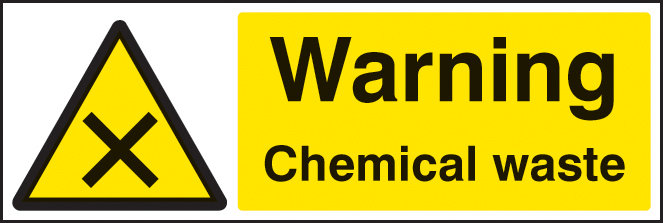
Universal symbols transcend language barriers, communicating hazards effectively to a diverse workforce. These symbols are designed for immediate recognition and understanding. Safety warning signs are a cornerstone of workplace safety.
ANSI Standard Symbols
ANSI provides a library of standardized symbols for various hazards. These are widely recognized and understood in the US. They are essential for effective lab safety signs.
Pictograms for Specific Risks
Symbols for slippery floors, high voltage, or hot surfaces are common. Each pictogram conveys a specific risk clearly and concisely. This is vital for general hazard warnings.
High Visibility Colors
Bright, contrasting colors are used to draw attention to the symbols. Yellow, orange, and red are frequently employed. This enhances the impact of safety warning signs.
Durable Construction
Signs are made from materials like aluminum or durable plastic. These resist damage and weathering. This ensures their longevity in industrial settings.
Clear Placement Guidelines
OSHA provides guidelines on where to place safety warning signs. Proper placement ensures maximum visibility and effectiveness. This is critical for all hazardous waste labels.
Style and Reference Gallery
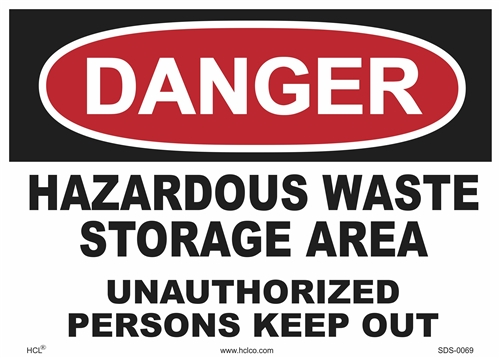
Keep label text large and sans-serif for quick reading from a distance. Legibility is key in an emergency.
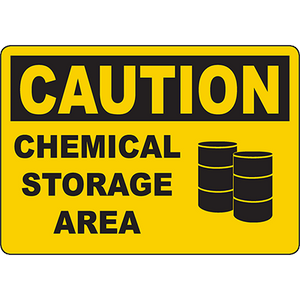
Mount signs on rigid backing to prevent curling or sagging. A flat surface maintains the sign’s professional appearance.
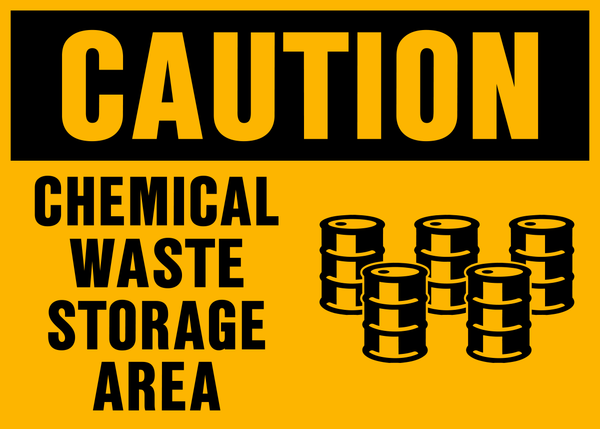
Corrosion-resistant metal signs are ideal for outdoor waste areas. They withstand rain, sun, and chemical splashes.
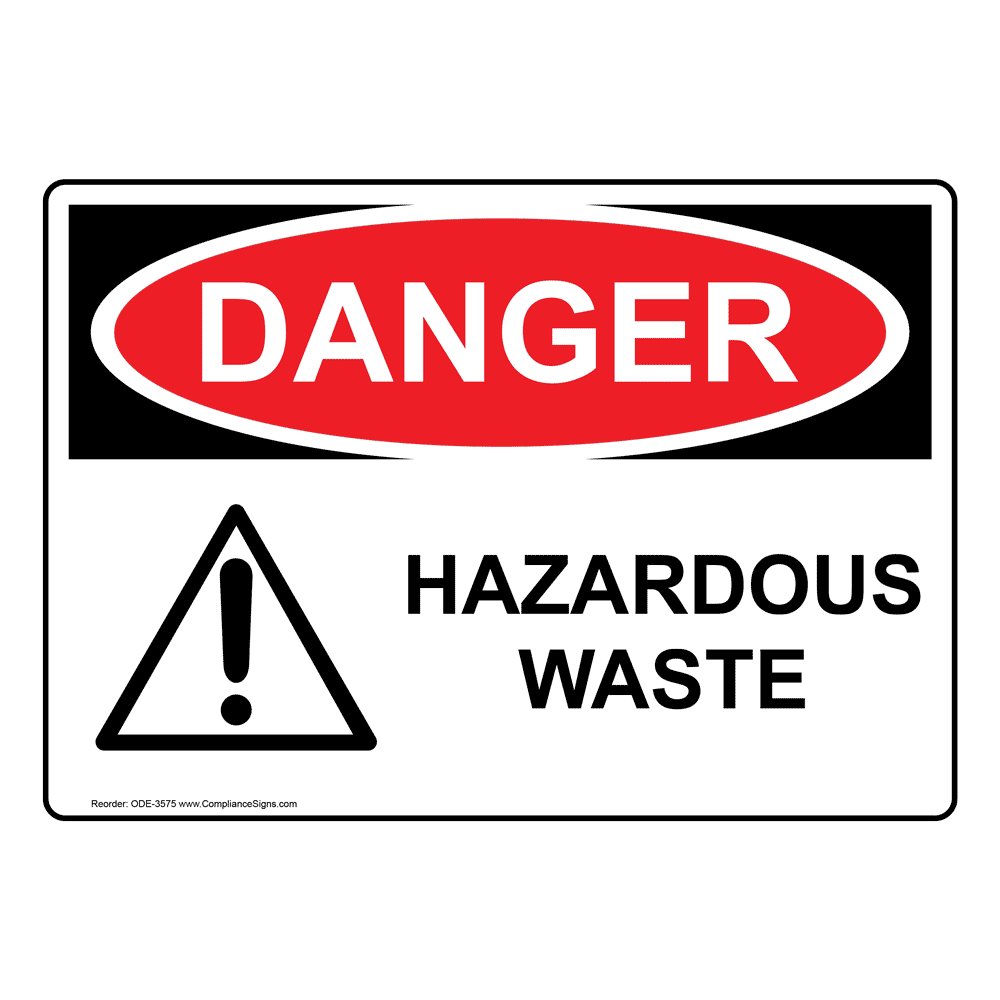
Use separate signs for each waste category to avoid cross-contamination. Clear segregation simplifies disposal.
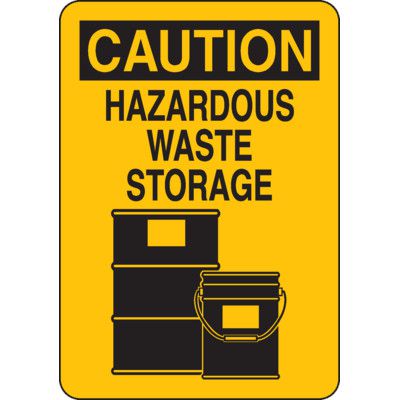
Update labels immediately when waste accumulation starts. The start date is critical for EPA compliance.
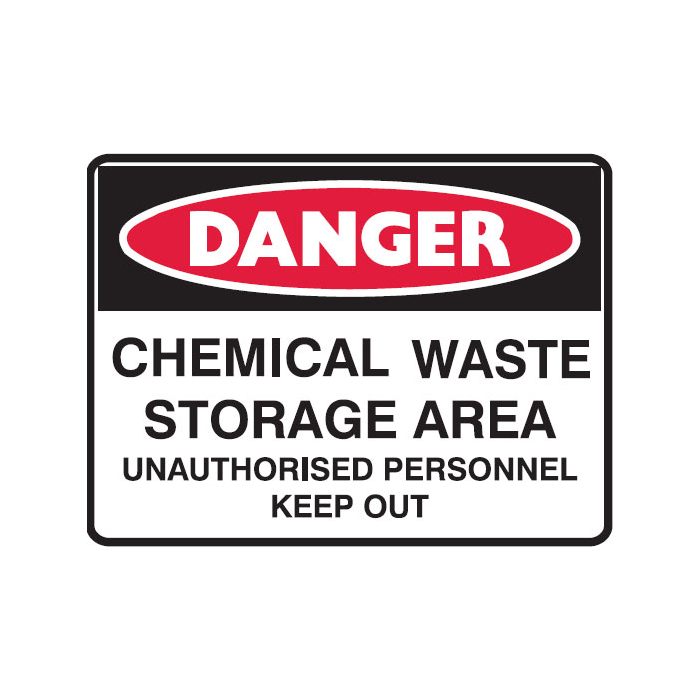
Train staff to recognize sign colors and pictograms without reading text. Instant recognition saves time and prevents errors.
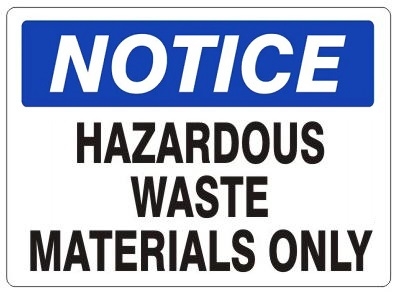
Audit signage quarterly to ensure it matches current waste streams. Outdated signs can mislead and cause accidents.
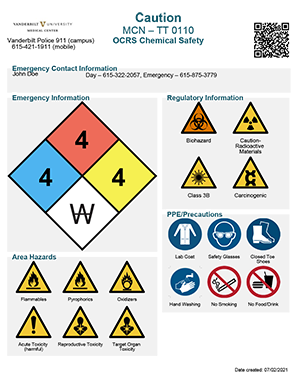
A bold yellow sign with black lettering instantly signals caution. It catches the eye even in busy industrial environments.
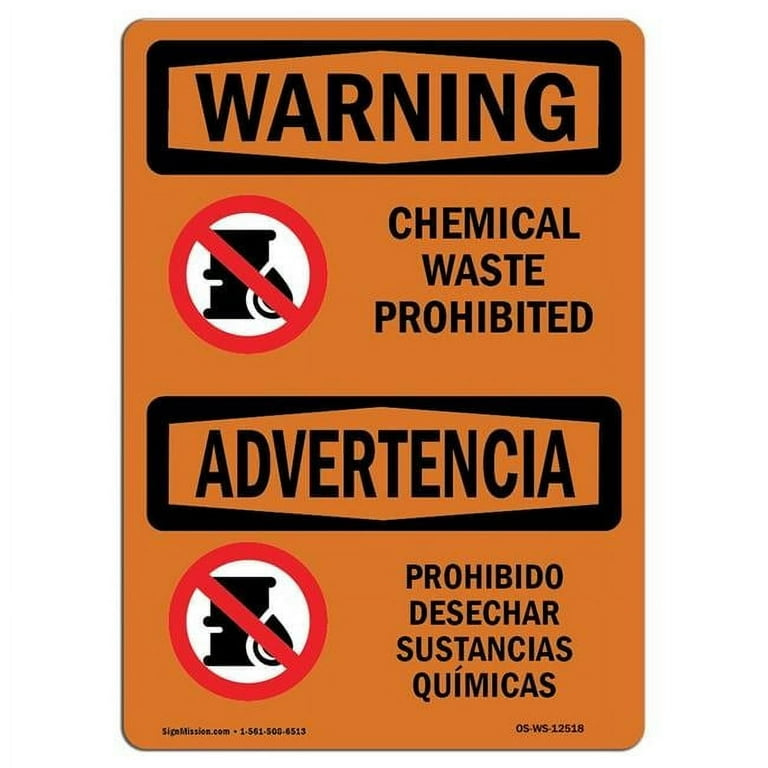
Use orange for oxidizer waste areas to differentiate from general chemical hazards. Color coding speeds up recognition.
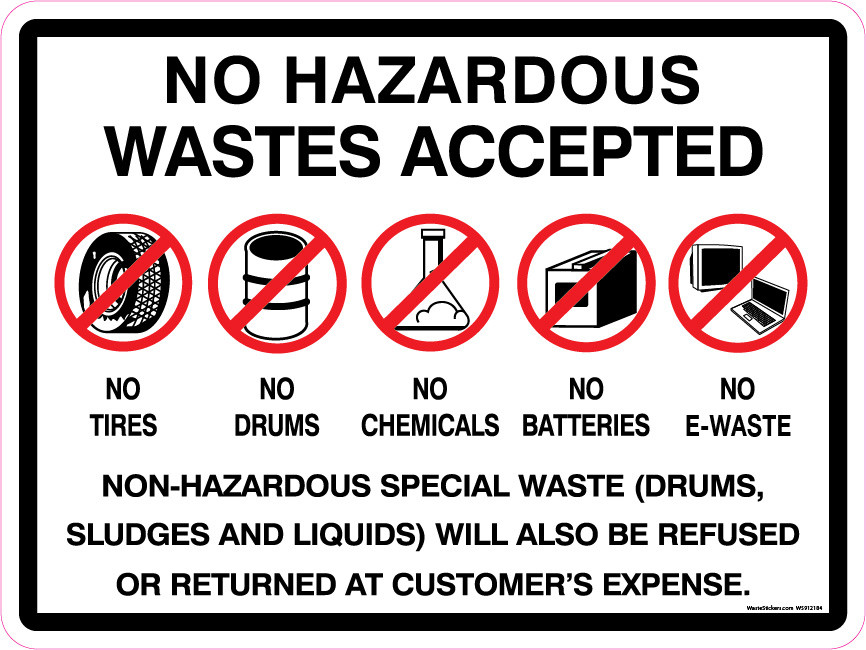
Red signs with white text indicate immediate danger, such as acutely toxic waste. This contrast ensures high visibility.
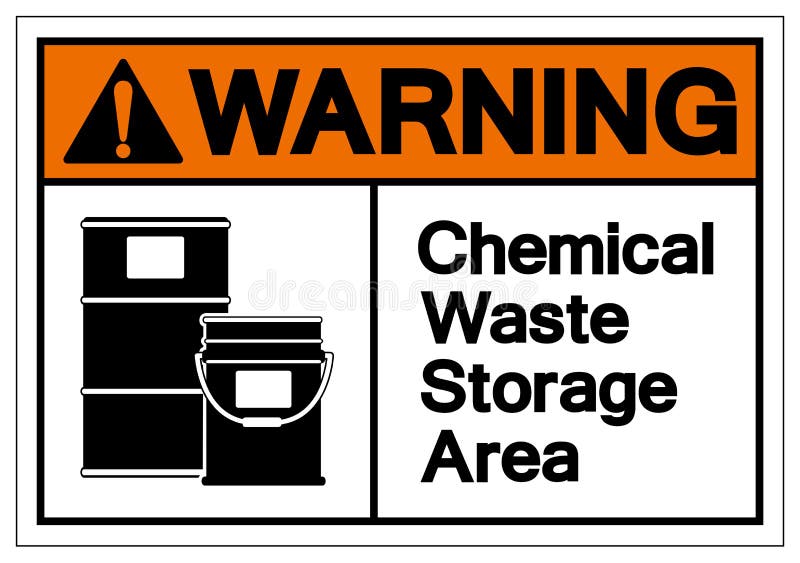
GHS pictograms on labels eliminate language barriers. A skull and crossbones communicates toxicity universally.
Editorial Guide: Chemical Waste Signage That Works
Step-by-Step Application
First, identify all waste streams and storage zones in your facility. Then select signs and labels that meet OSHA and ANSI standards for hazard communication.
Affix container labels firmly with chemical-resistant adhesive. Use zip ties or permanent mounts for area signs to prevent movement.
Complete all fields on hazardous waste labels—chemical name, hazard class, accumulation start date. This ensures regulatory compliance and traceability.
What to Avoid
Never use generic labels without specific hazard pictograms. Generic signs confuse workers and violate GHS requirements.
Avoid placing signs in areas where they can be easily damaged or obscured. This reduces their effectiveness and can lead to misidentification of waste.
Do not skip the accumulation start date on container labels. Missing this detail can result in EPA non-compliance and fines.
Maintenance Tips
Inspect signs and labels monthly for fading, peeling, or chemical damage. Replace any that are no longer legible.
Keep a digital inventory of all signage locations and types. This simplifies updates when regulations change or waste streams evolve.
Train staff on the meaning of each sign and label element. Proper training prevents misinterpretation and reinforces safety culture.
Frequently Asked Questions
What is the difference between a chemical waste sign and a container label?
A sign marks an area or room where waste is stored, while a label is affixed to individual containers. Both must comply with OSHA and EPA regulations but serve distinct purposes.
How often should I replace chemical waste labels?
Replace labels whenever they become illegible, damaged, or when the waste composition changes. Monthly inspections are recommended to ensure clarity.
Can I use digital signage for chemical waste areas?
Yes, digital signage can display real-time hazard updates and inventory data. However, it must meet the same legibility and durability standards as physical signs.
Choosing the right chemical waste signage is not just about compliance—it is about protecting your team and the environment. High-contrast, durable signs with accurate GHS labels reduce risk and streamline waste management.
Start by auditing your current signage against OSHA and EPA standards. Replace any outdated or damaged signs immediately to maintain a safe workspace.
As regulations evolve, smart digital signage will become the new standard for dynamic hazard communication. Stay ahead by integrating adaptable solutions that keep your facility safe and compliant.
