

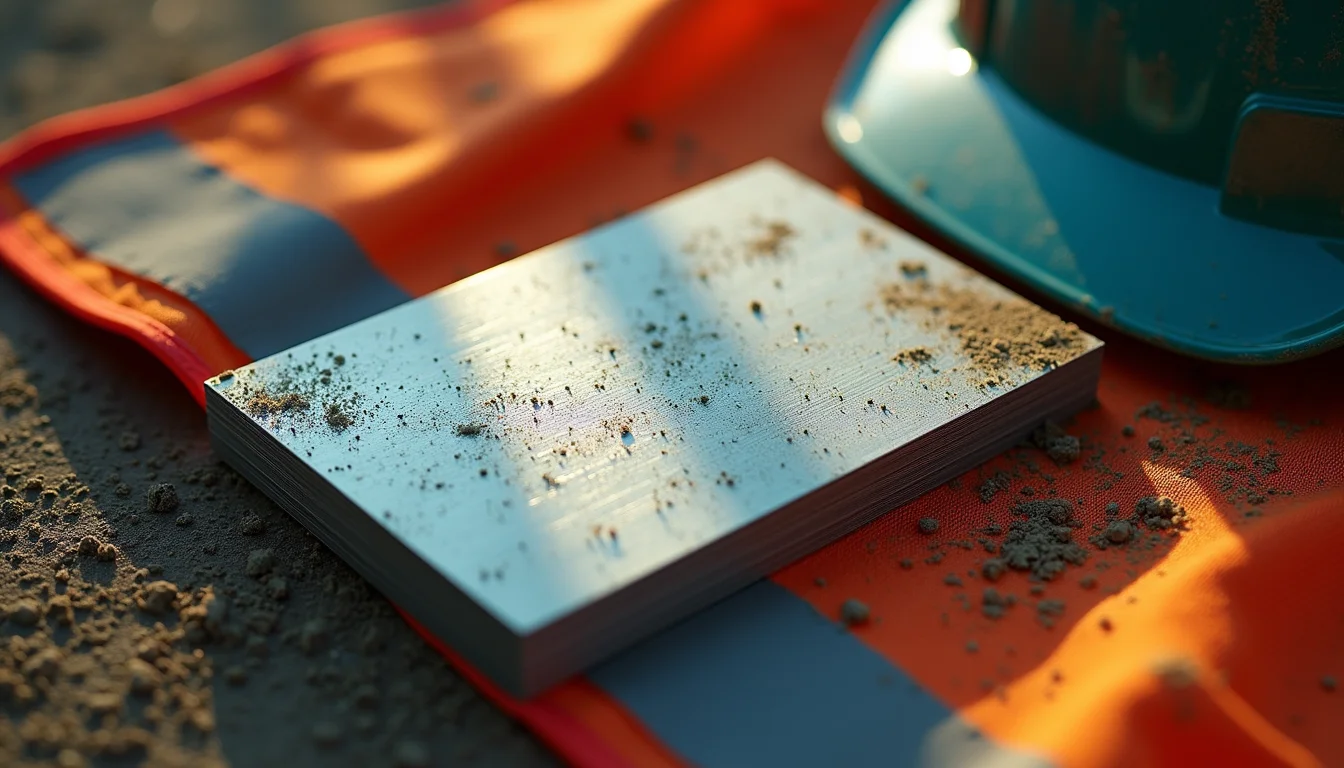
Your business card gets crushed in a toolbox, soaked by rain, or covered in drywall dust within a week. That flimsy paper card makes you look like you don’t take your own work seriously. A construction company needs a card that can survive the job site just like your tools do.
Most contractors hand out cards that fall apart before the client even calls. You need something rugged that screams reliability from the first touch. Let’s fix that with materials and designs built for the real world.
Rugged Materials That Outlast the Job Site
Standard cardstock won’t cut it for construction business cards. You need high-impact plastic or premium metal like stainless steel or aluminum to resist moisture, dirt, and bending. These materials feel heavy and durable in the hand, instantly telling clients you care about quality.
Companies like VistaPrint and Zazzle offer templates with industrial textures like brushed metal or distressed wood. For a professional look, choose a matte or uncoated finish on 18pt or 32pt stock. Avoid glossy finishes that show every scratch and fingerprint.
A metal construction business card costs around $1-$3 per card but makes a lasting impression. Plastic cards are more affordable at $0.50-$1 each and still survive the elements. Either option beats a soggy paper card every time.
Ideas and Inspirations
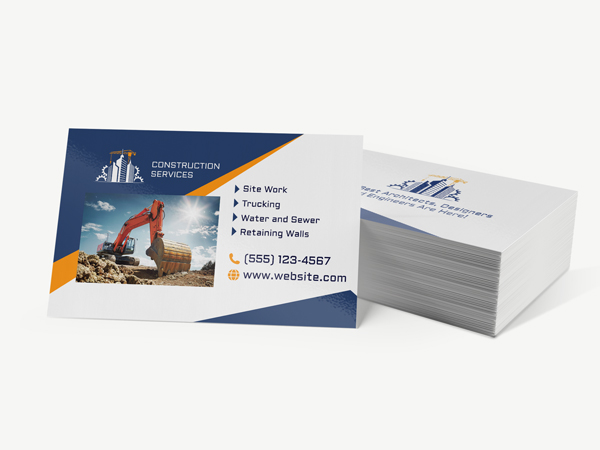
Rugged Business Cards for Construction Pros
Construction business cards need to show toughness. They must survive job sites and still look good.
Heavy-Duty Cardstock
Use thick, uncoated paper, at least 18pt. This gives a solid feel in hand. It shows you value quality in your contractor business cards.
Matte Laminate Finish
A matte coating resists fingerprints and smudges. It provides a professional look for builder business cards. This finish also adds a layer of protection.
Read also: 52 Customizable Folders That Will Organize Your Life in 2026
Embossed Logo
Raising your company logo makes it stand out. This tactile element adds a premium feel to your construction business cards. It’s a memorable detail for clients.
Safety Orange Accents
Bright colors like safety orange grab attention. Use them sparingly for a bold statement on your professional construction business cards. This color signals visibility and caution.
Minimalist Contractor Business Cards
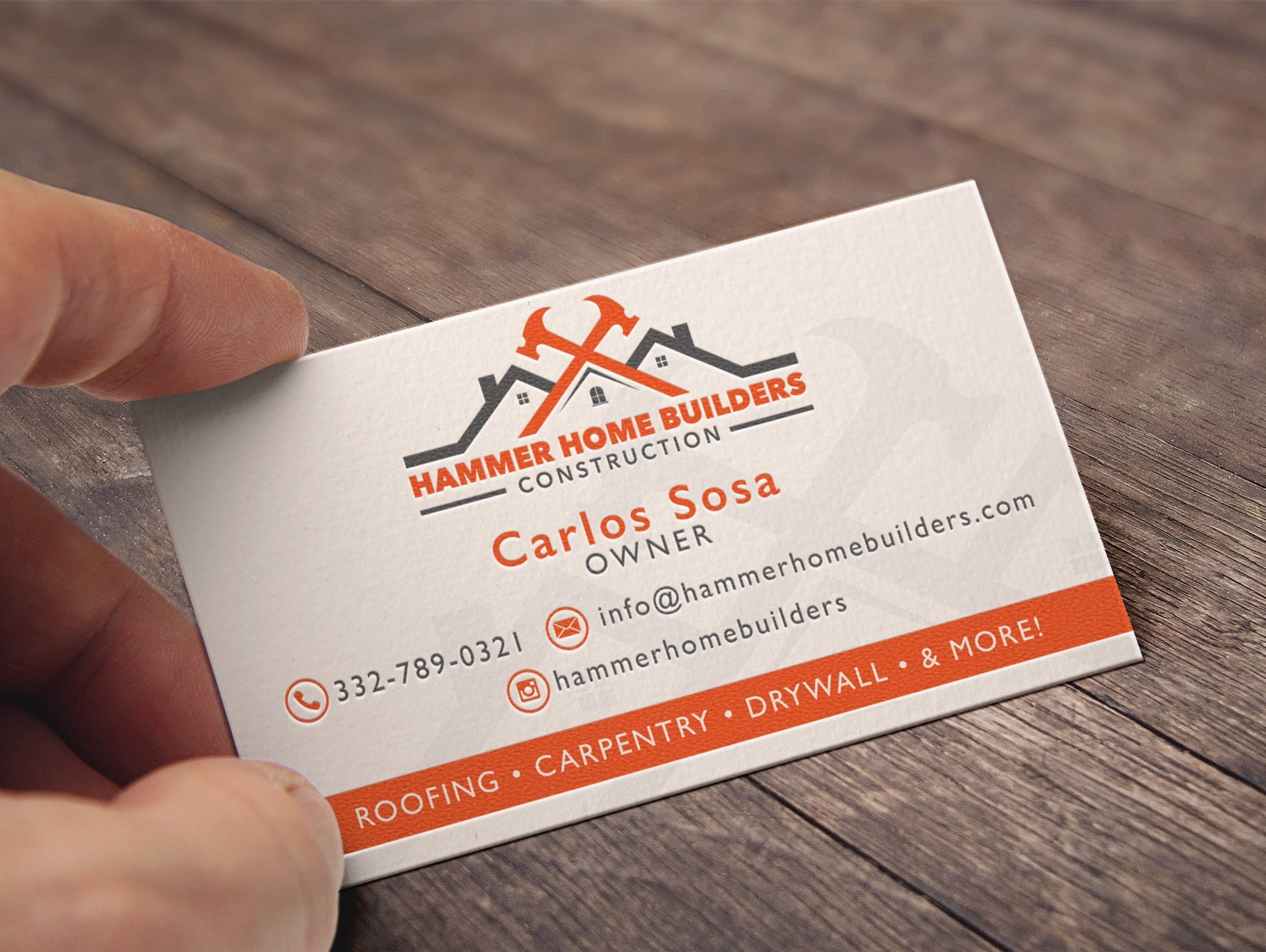
Sometimes, less is more for contractor business cards. A clean design conveys professionalism and focus. This approach works well for various trades.
Simple Typography
Choose clean, easy-to-read fonts. A minimalist approach highlights your company name and contact details. This style is perfect for minimalist construction business cards.
Monochromatic Color Scheme
Stick to one or two colors, often black and white or shades of gray. This creates a sleek, modern look. It ensures your handyman business cards look sharp.
Plenty of White Space
Ample empty space makes the card feel uncluttered. It draws the eye to the essential information. This is key for effective minimalist construction business cards.
QR Code Integration
A QR code can link to your website or portfolio. This adds modern functionality to your professional construction business cards. It offers a quick way for clients to learn more.
Custom Builder Business Cards with Logos
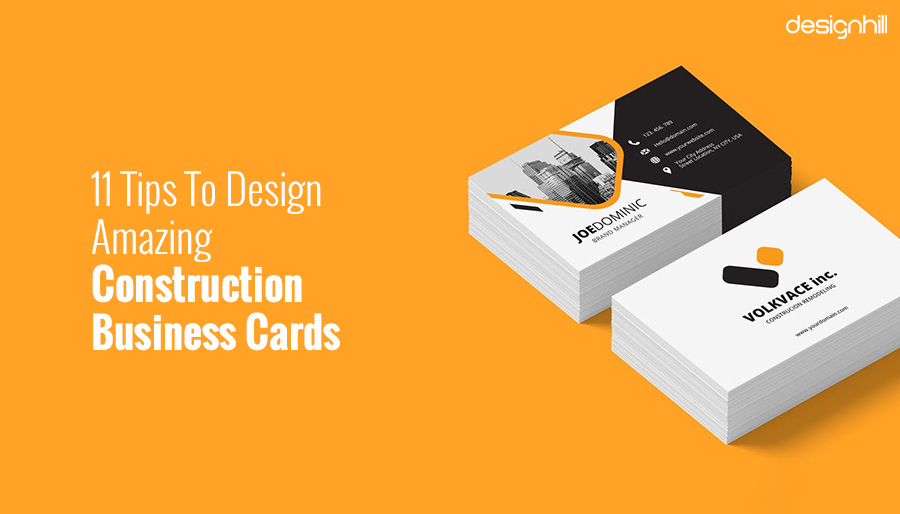
Your logo is your brand’s face on builder business cards. Making it prominent shows pride in your work. Customization makes your construction business cards unique.
Full-Color Logo Printing
Ensure your logo colors are vibrant and accurate. High-quality printing makes your logo pop. This is essential for memorable contractor business cards.
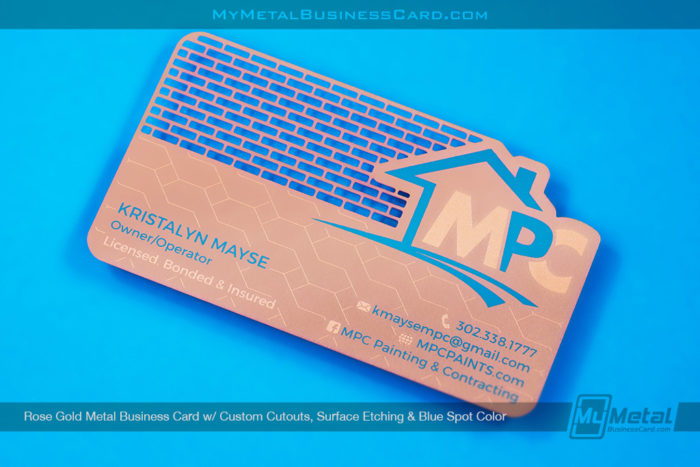
Die-Cut Shapes
Consider unique shapes beyond the standard rectangle. A custom shape can reflect your company’s specialty. This makes your business cards for excavation companies stand out.
Spot UV Coating
Apply a glossy finish to specific areas, like your logo. This creates a contrast with the matte background. It makes your professional construction business cards more dynamic.
Backside Branding
Use the back of the card for more than just contact info. Print your full logo or a tagline. This reinforces your brand on all your builder business cards.
Heavy Equipment Business Card Designs
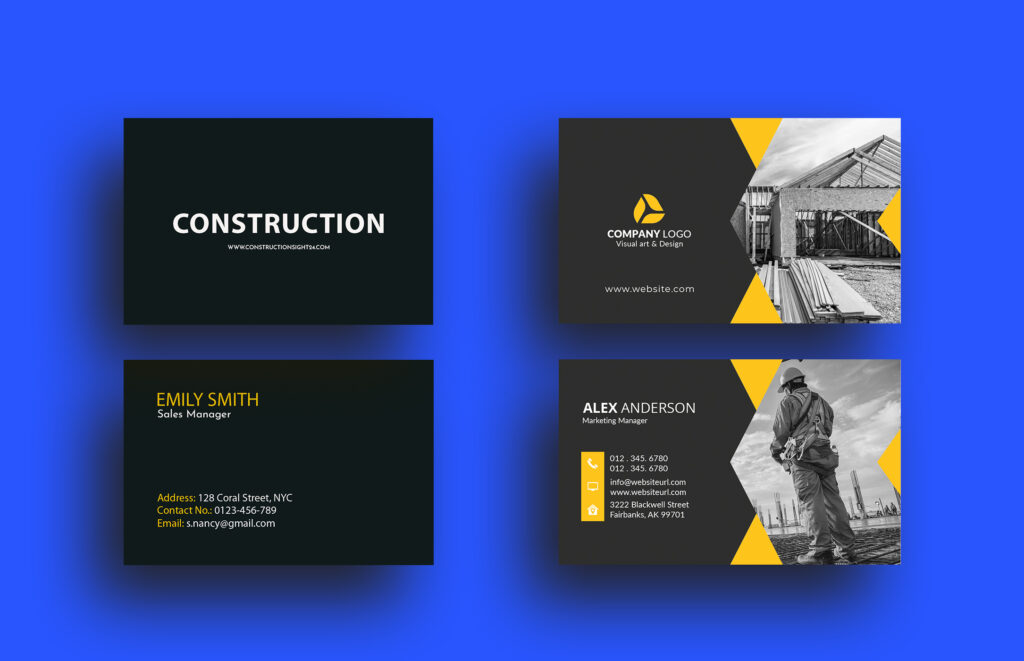
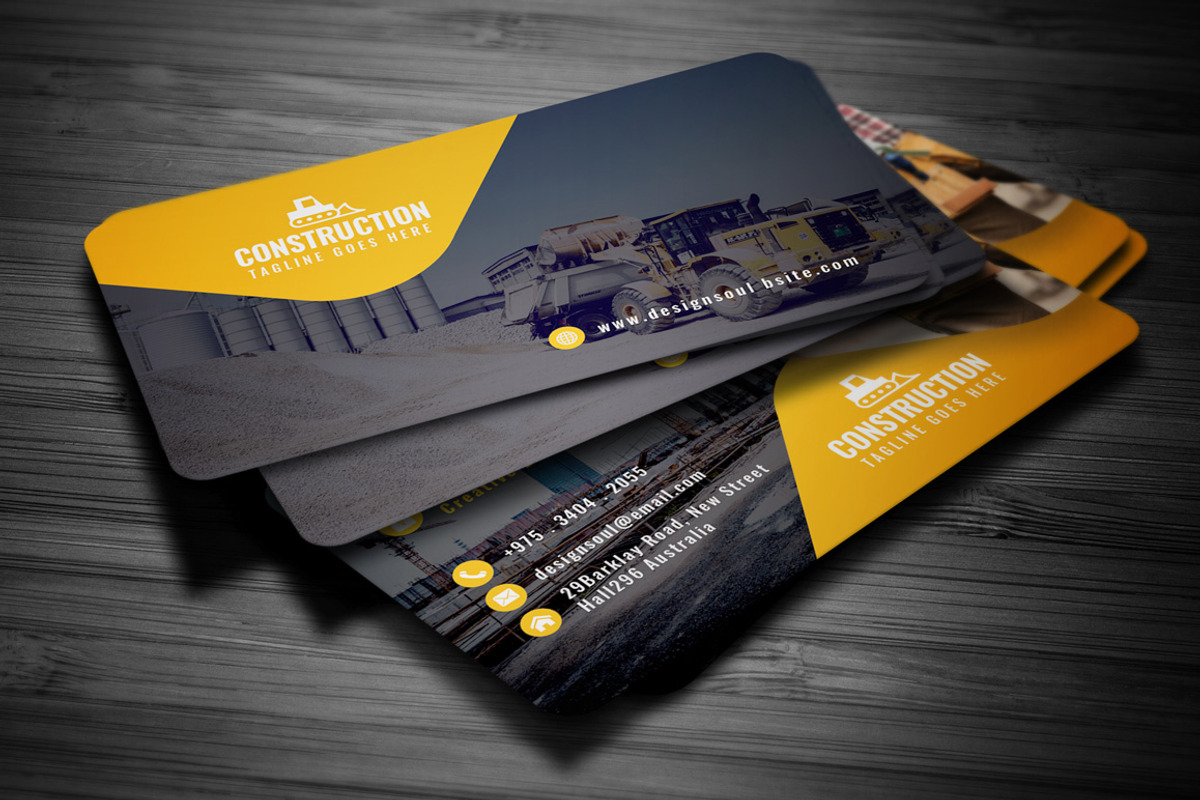
Showcase the power and scale of your operation. Heavy equipment business cards should convey strength. These designs are ideal for companies with large machinery.
Image of Machinery
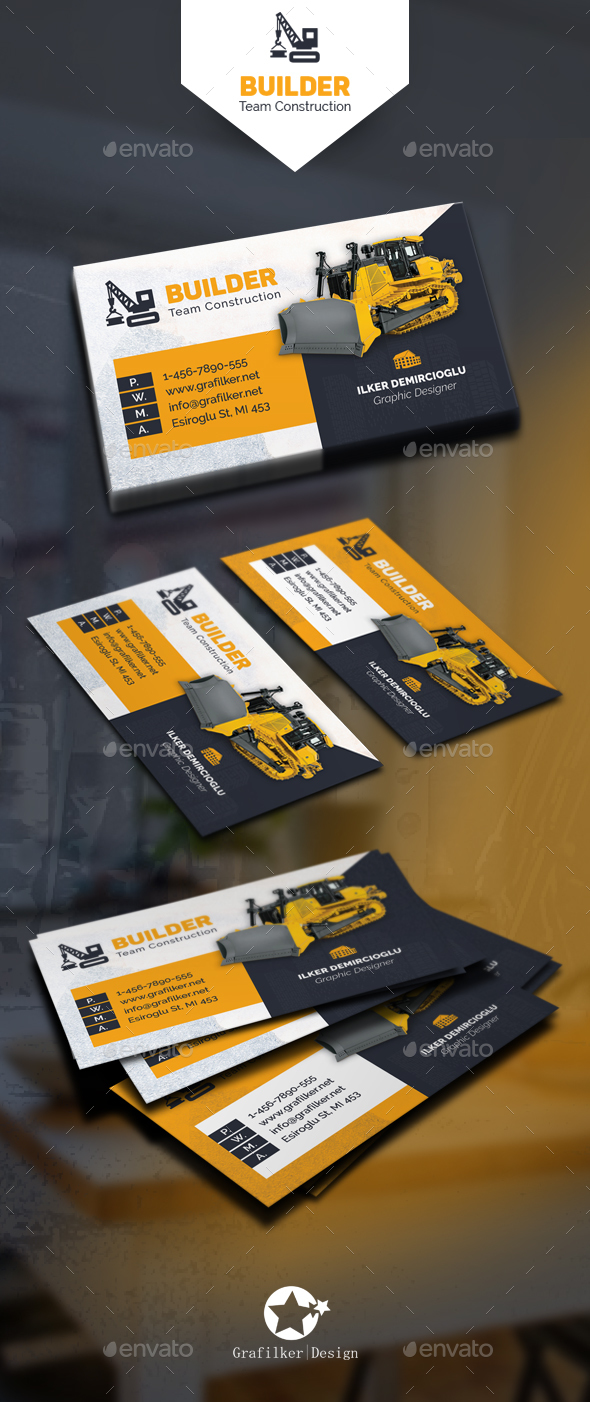
Feature a high-quality photo of your best equipment. This immediately tells clients what you do. It’s a strong visual for construction business cards.
Bold, Industrial Fonts
Use strong, blocky fonts that match the equipment’s feel. This reinforces the rugged image. These fonts work well for heavy equipment business cards.
Color Palette: Yellow and Black
These colors are often associated with heavy machinery and safety. They create a high-contrast, impactful design. This palette is excellent for contractor business cards.
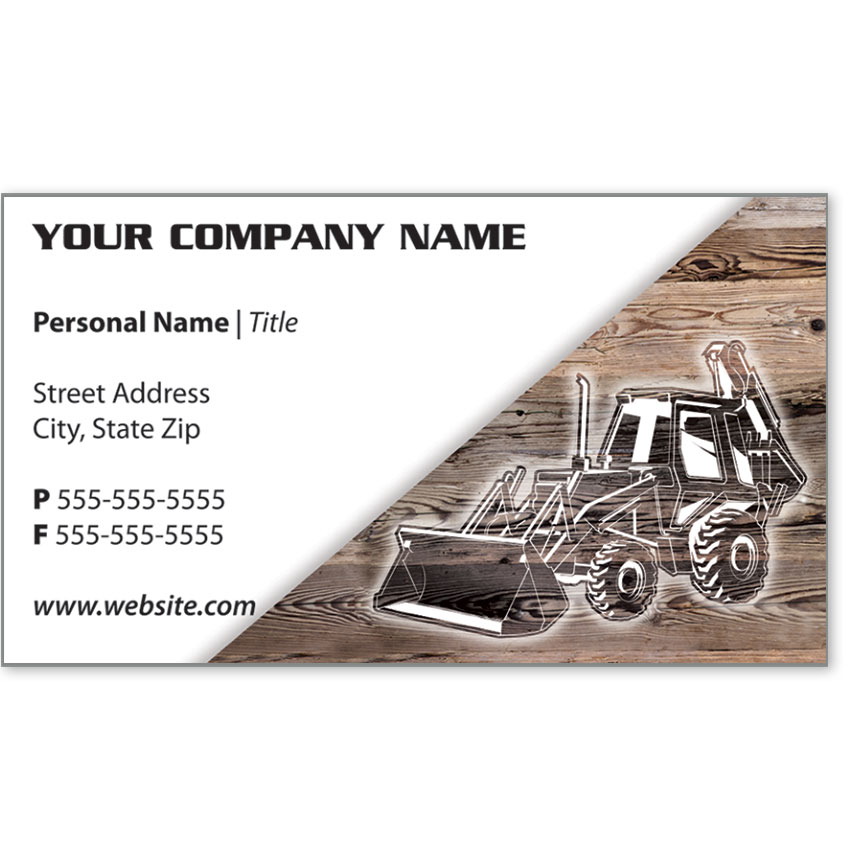
Rugged Texture Background
Incorporate a background that looks like metal or concrete. This adds a tactile element to your professional construction business cards. It enhances the industrial feel.
Metal Business Cards for Excavation Companies
Metal business cards offer unparalleled durability and a premium feel. They are perfect for excavation companies needing to project strength. These cards make a lasting impression.
Stainless Steel Finish
A brushed or polished stainless steel card is sleek. It resists bending and wear, ideal for tough environments. This is a top choice for metal construction business cards.
Engraved Details
Laser engraving provides crisp, permanent text and logos. It creates a sophisticated look on metal construction business cards. This method ensures information won’t fade.
Aluminum Option
Lighter than steel, aluminum offers a similar premium feel. It can be anodized in various colors. Consider this for custom construction business cards that need to be lightweight.
Cost Consideration
Metal cards are more expensive than paper. Expect to pay $5-$10 per card for premium options. This investment reflects a high-end image for your business cards for excavation companies.
For more on premium materials, visit My Metal Business Card.
| Material | Durability | Cost (per card) |
| Stainless Steel | Very High | $5 – $10 |
| Aluminum | High | $4 – $8 |
| 18pt Cardstock | Medium | $0.50 – $1.00 |
Plastic Business Cards for Roofing Contractors
Plastic cards offer excellent resistance to the elements. They are a practical choice for roofing contractors who work outdoors. These cards are built to last.
Waterproof Material
Unlike paper, plastic does not warp or degrade when wet. This is crucial for contractor business cards used on job sites. Your information stays legible in any weather.
Translucent Options
Clear or frosted plastic adds a unique visual effect. It makes your business cards for roofing companies look modern. This style is eye-catching and memorable.
Durable Printing
Ink adheres well to plastic surfaces, resisting scratches. Ensure the printing method is robust. This maintains the professional look of your plastic construction business cards.
Rounded Corners
Rounded corners prevent snagging and add a softer feel. They contribute to the overall polished look. This is a nice touch for professional construction business cards.
Explore templates for durable cards at Canva.
Professional Architect Business Cards
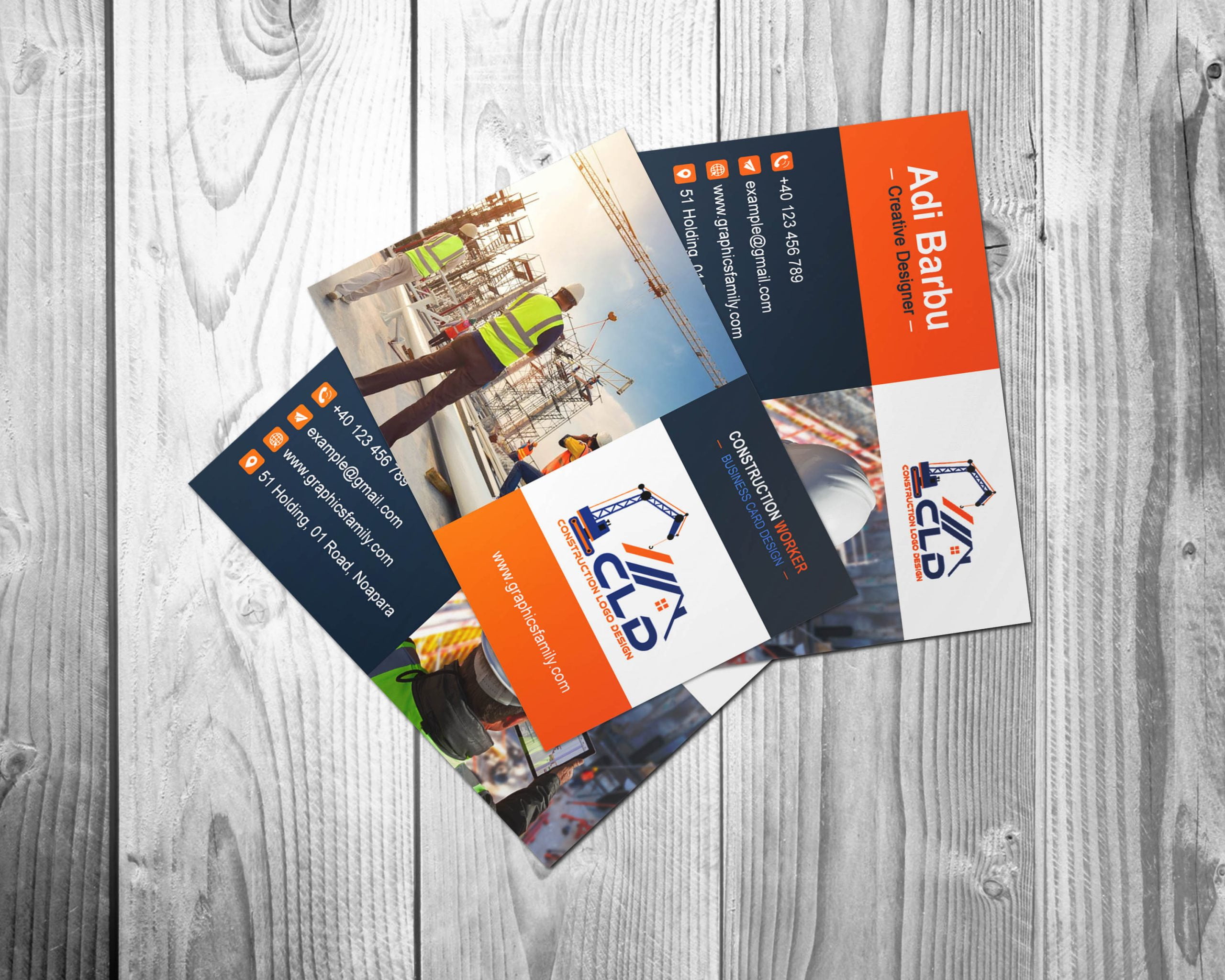
Architect business cards should reflect precision and design sensibility. Clean lines and a sophisticated aesthetic are paramount. These cards convey expertise and attention to detail.
Elegant Typography
Use refined fonts that communicate professionalism. Serif fonts can add a classic touch, while sans-serif fonts offer a modern feel. Choose fonts that align with your firm’s style.
Subtle Color Palettes
Opt for muted tones like grays, blues, or deep greens. Black and white also work well for a timeless look. Avoid overly bright or distracting colors on your architect business cards.
Clean Layout
A well-organized layout is essential for readability. Ensure ample white space guides the viewer’s eye. This makes your professional construction business cards easy to scan.
High-Quality Paper Stock
Choose a substantial paper weight, like 32pt uncoated. A smooth or lightly textured finish adds a tactile quality. This elevates the perceived value of your architect business cards.
For inspiration on quality card design, see Little Mountain Printing.
Handyman Business Cards with Bold Colors
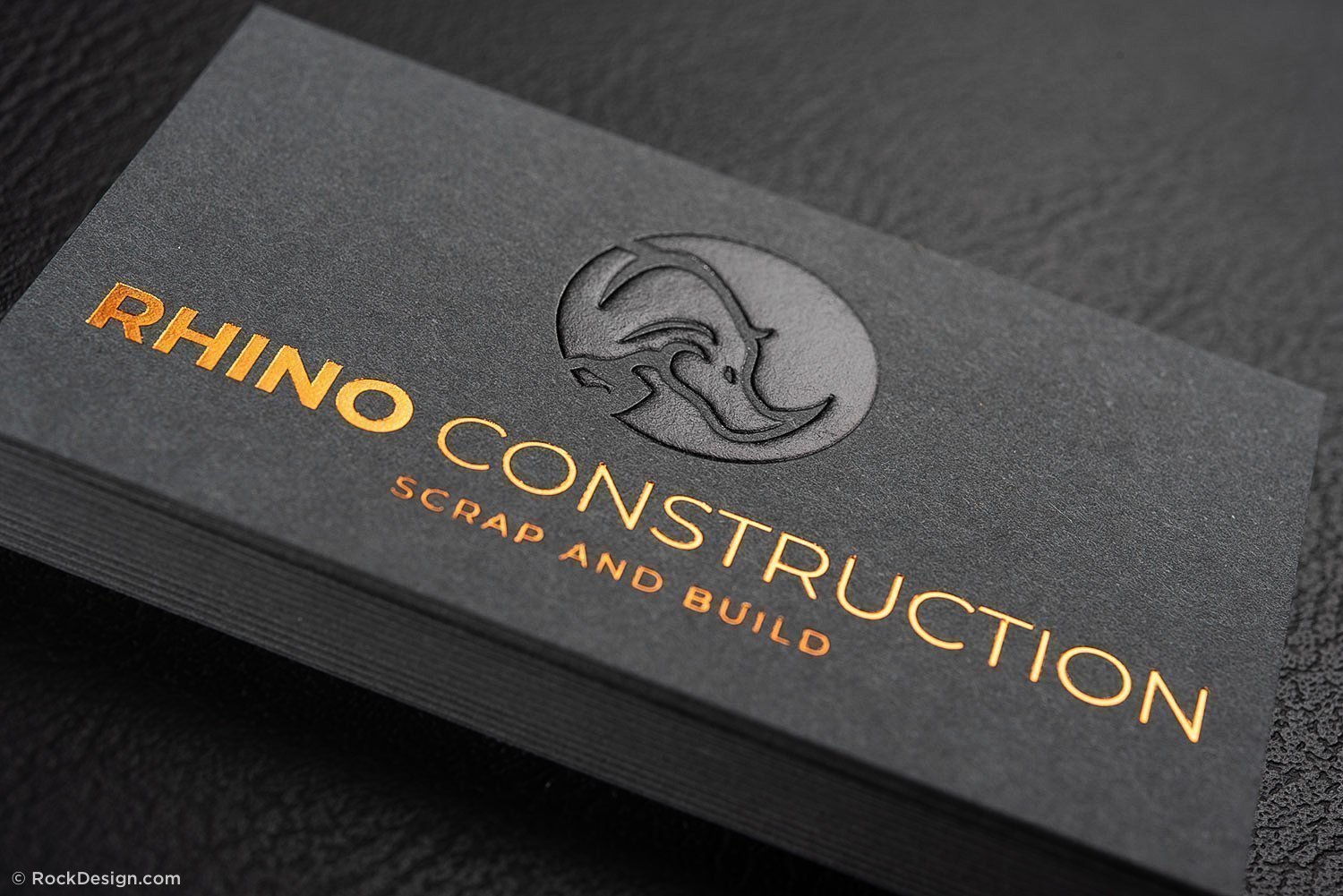
Handyman business cards can be practical and eye-catching. Bold colors help you stand out in a crowded market. They communicate energy and readiness to help.
Vibrant Color Choices
Use strong colors like electric blue, lime green, or bright red. These colors grab attention immediately. They make your handyman business cards memorable.
Clear Service List
Briefly list your main services on the card. This helps potential clients quickly see if you meet their needs. Keep it concise for handyman business cards.
Contact Information Prominence
Make your phone number and email address easy to find. Use a contrasting color for this text. This ensures people can reach you easily.
Simple, Bold Graphics
Consider a simple icon representing your trade, like a wrench or hammer. Ensure the graphic is clear and bold. This adds visual interest to your contractor business cards.
Compare pricing and options at Square Signs.
Style and Reference Gallery
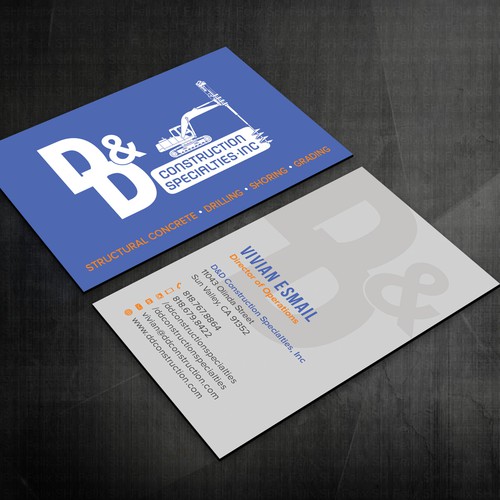
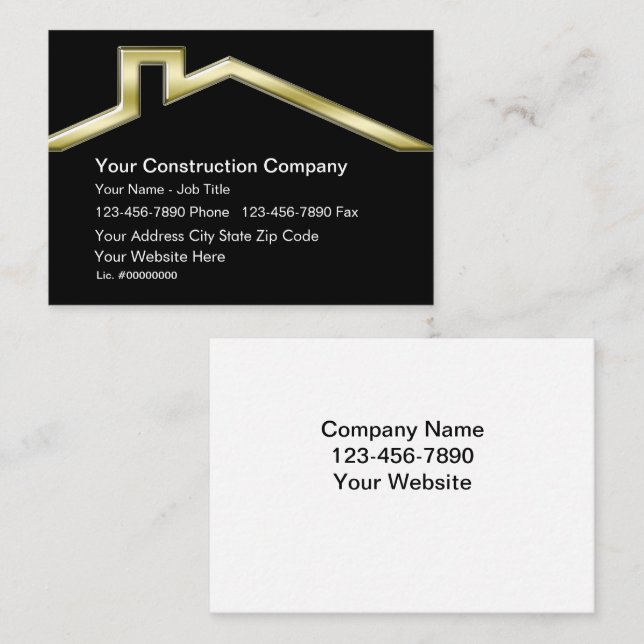
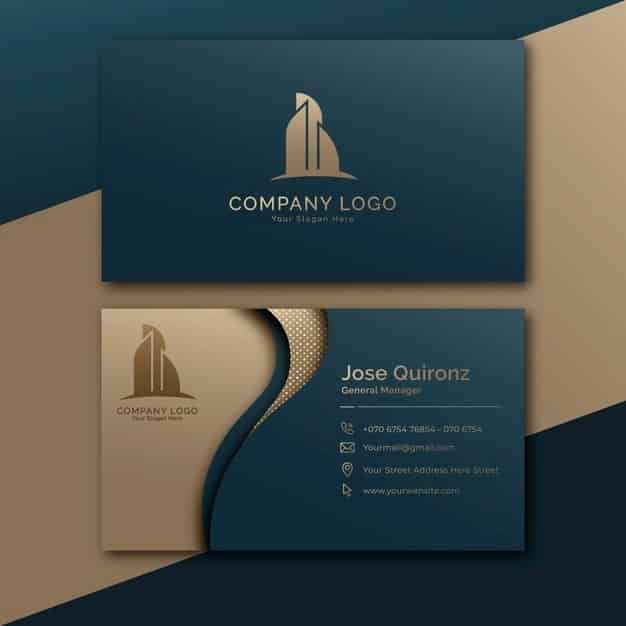
Metallic gold foil on a navy background signals luxury for high-end custom builds. It stands out in a stack of plain cards.
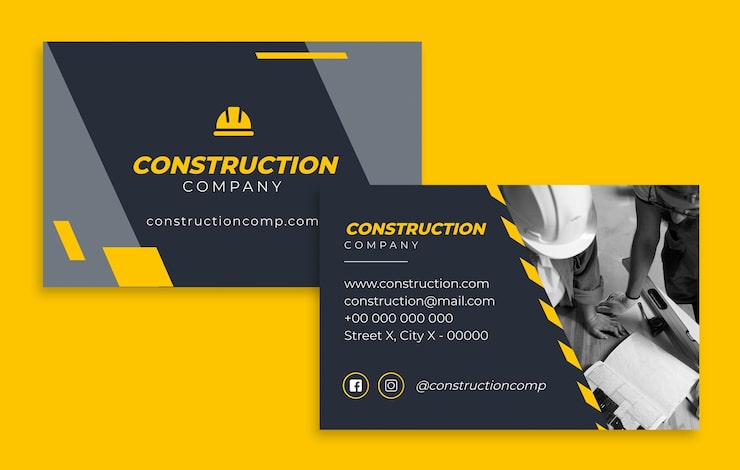
A clear plastic card with white text looks modern and minimalist. It pairs well with a contemporary logo and clean design.
Rounded corners on a heavy card prevent fraying and make it pocket-friendly. They also soften the industrial look slightly.
A card with a built-in level tool is a clever giveaway for contractors. It shows attention to detail and sparks conversation.
Using recycled kraft paper with soy-based ink appeals to eco-conscious clients. The brown tone feels honest and grounded.
A vertical layout with a small photo of your best project tells a story. It gives the client a visual reason to call you.
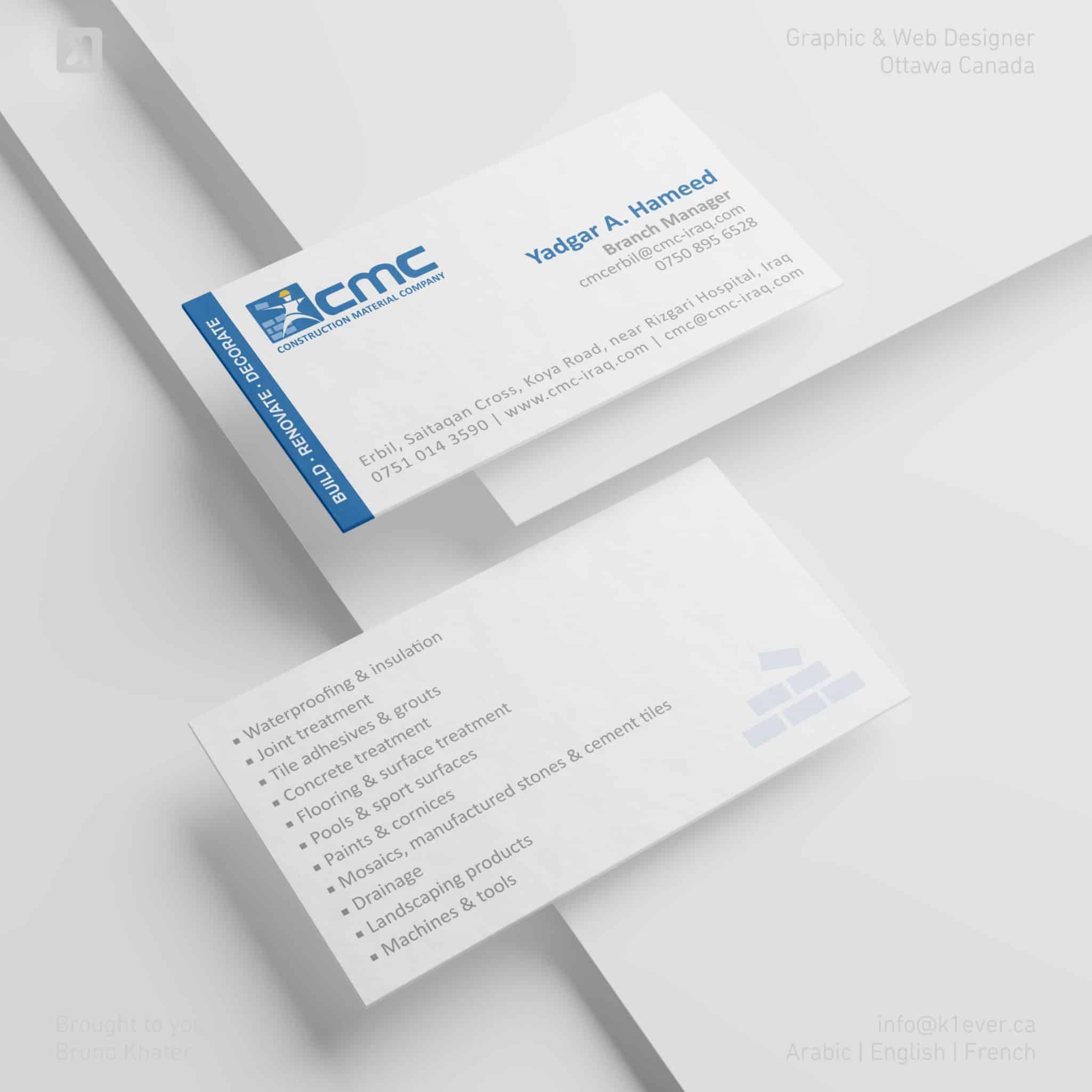
A brushed aluminum card feels cool and heavy in the hand. It resists scratches and looks premium even after months in a toolbox.
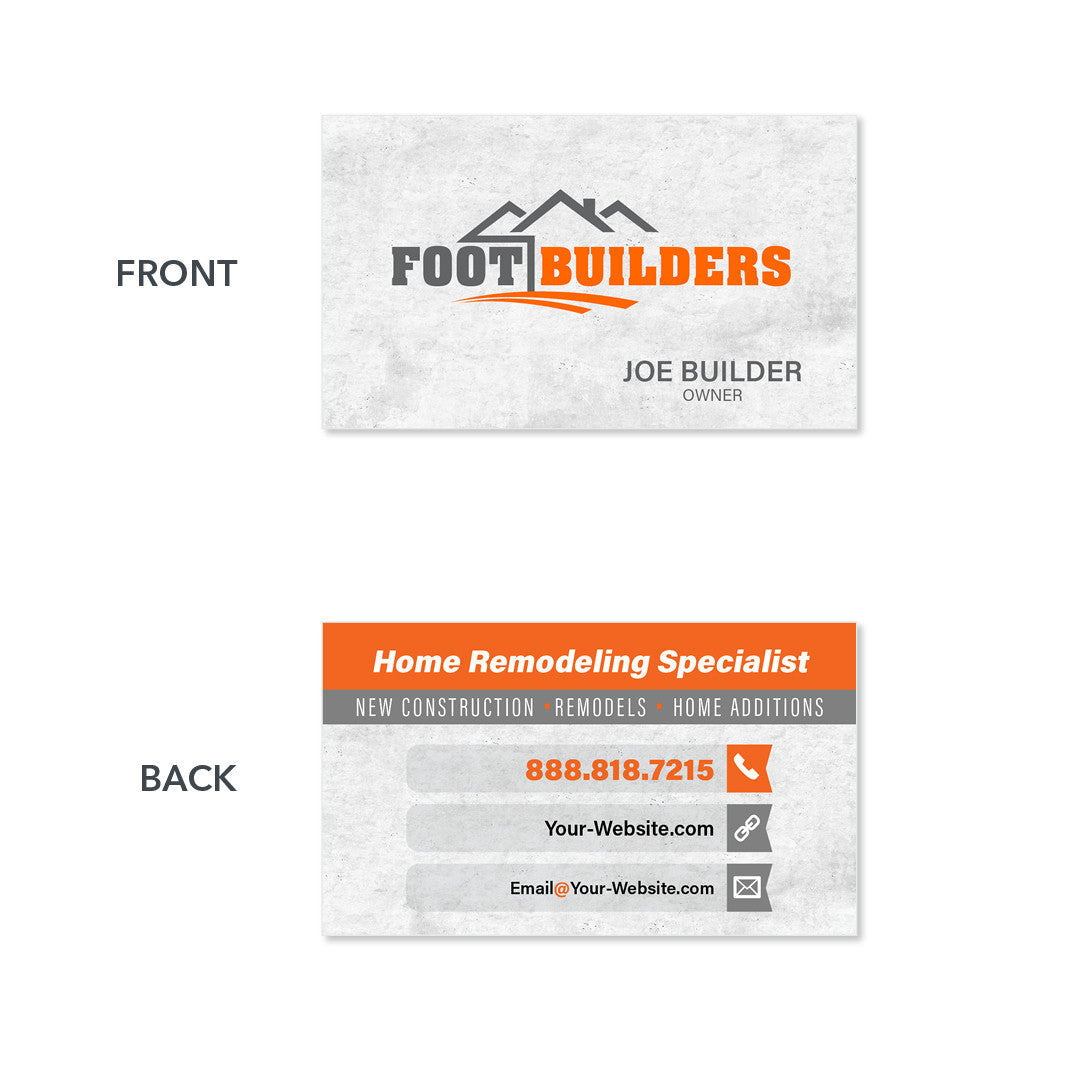
Distressed wood texture adds a rustic, authentic feel for a logging or framing company. The grain pattern makes each card unique.
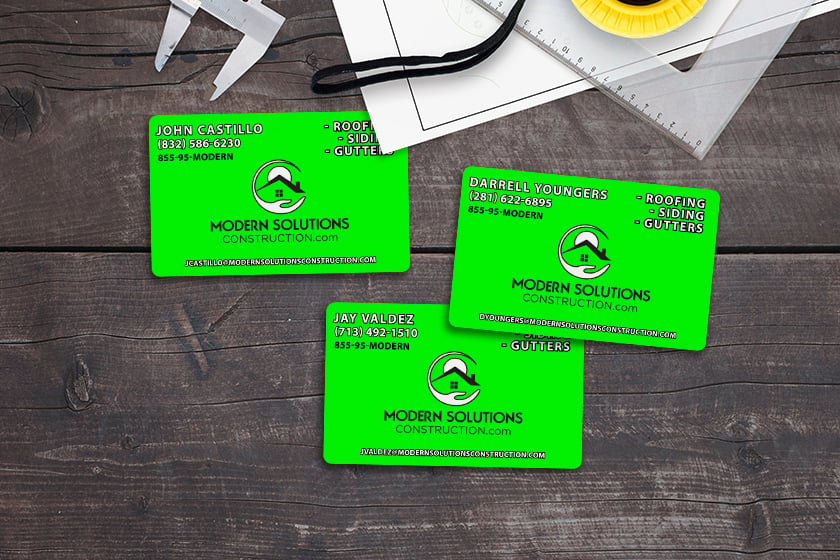
Safety orange background with bold black text grabs attention instantly. It mirrors the high-vis vests on your crew.
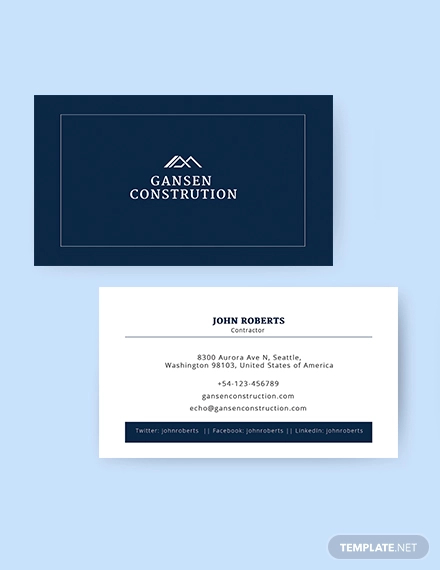
Embossed logo on thick matte cardstock creates a tactile experience. Clients remember the raised texture long after the meeting.
Your Blueprint for a Perfect Business Card
Step-by-Step Guide to Ordering
Start by choosing a material that matches your work environment. For outdoor crews, opt for metal or plastic cards that resist moisture and dirt.
Next, design with clarity: use a bold logo, your company name, and a single contact method front and center. Add a QR code linking to your project portfolio or Google Maps listing.
Finally, order a small batch first to test the feel and print quality. Many printers offer free samples; take advantage of that.
What to Avoid in Execution
Do not use glossy finishes on paper cards if you work outdoors; they show every scratch and fingerprint. Instead, choose matte or uncoated stock for a rugged, professional look.
Avoid overcrowding the card with too many services or logos. Stick to three core services max to keep the design clean and readable.
Never skip proofreading. A single typo on a metal card is expensive to fix. Have a colleague double-check all details before finalizing.
Maintenance Tips
Store your cards in a protective case or a dry pocket, especially if you carry them on site. Humidity can warp paper and dull metal finishes.
Replace your cards every year or whenever your contact info changes. Outdated cards make your business look careless.
Frequently Asked Questions
How many cards should I order for my construction crew?
Order at least 500 cards for a small team of five, and replenish every six months. This covers daily handouts and unexpected networking events.
Can I print my own cards at home?
Home printers work for paper cards, but they lack the durability and professional finish of commercial printing. For a construction company, invest in professional printing to make a solid first impression.
What is the best QR code to include?
Link your QR code to a simple landing page with your portfolio, services, and contact form. Avoid linking directly to a social media page; a dedicated page looks more professional.
Choosing durable, well-designed business cards shows clients you care about quality from the first handshake. A card that survives a rainy job site speaks louder than any promise.
Now take the next step: review your current card and order a sample pack from a trusted printer. Update your design with a clear QR code and a rugged finish that matches your work.
Imagine a client pulling your metal card from their wallet months later, still crisp and readable. That lasting impression is the foundation of trust and future projects.
