


You bought a new forklift and hired extra staff, but your warehouse still feels like a game of Tetris gone wrong. The real problem isn’t your equipment—it’s how you’re using your vertical cube space. Industry pallet racking is the engineered solution that turns wasted air into profitable storage.
Most small business owners buy racks without a plan, ending up with bent frames and unsafe loads. That mistake costs thousands in damage and downtime. Let’s fix that by understanding the basics of heavy-duty steel structures built for American warehouses.
What Is Industry Pallet Racking and Why It Matters for Your Warehouse
Industry pallet racking refers to engineered heavy-duty steel structures designed to maximize warehouse vertical cube space for efficient forklift loading and unloading. Unlike cheap shelving, these systems use roll-formed or structural steel to support thousands of pounds per level.
Common configurations include Selective Racking for quick access (FIFO), Drive-In for bulk storage of uniform products (LIFO), and Pallet Flow for high-density FIFO of perishable goods. Each type follows strict RMI and ANSI MH16.1 standards to ensure safety.
Key components are upright frames (standard depths 42′ and 48′) and load beams (common lengths 96′ and 144′), with a mandatory 6-inch pallet overhang (3 inches per side) for stable placement. Wire mesh decking, column guards, and row spacers are critical safety add-ons.
Maximizing Warehouse Space: The Power of Industrial Pallet Racking
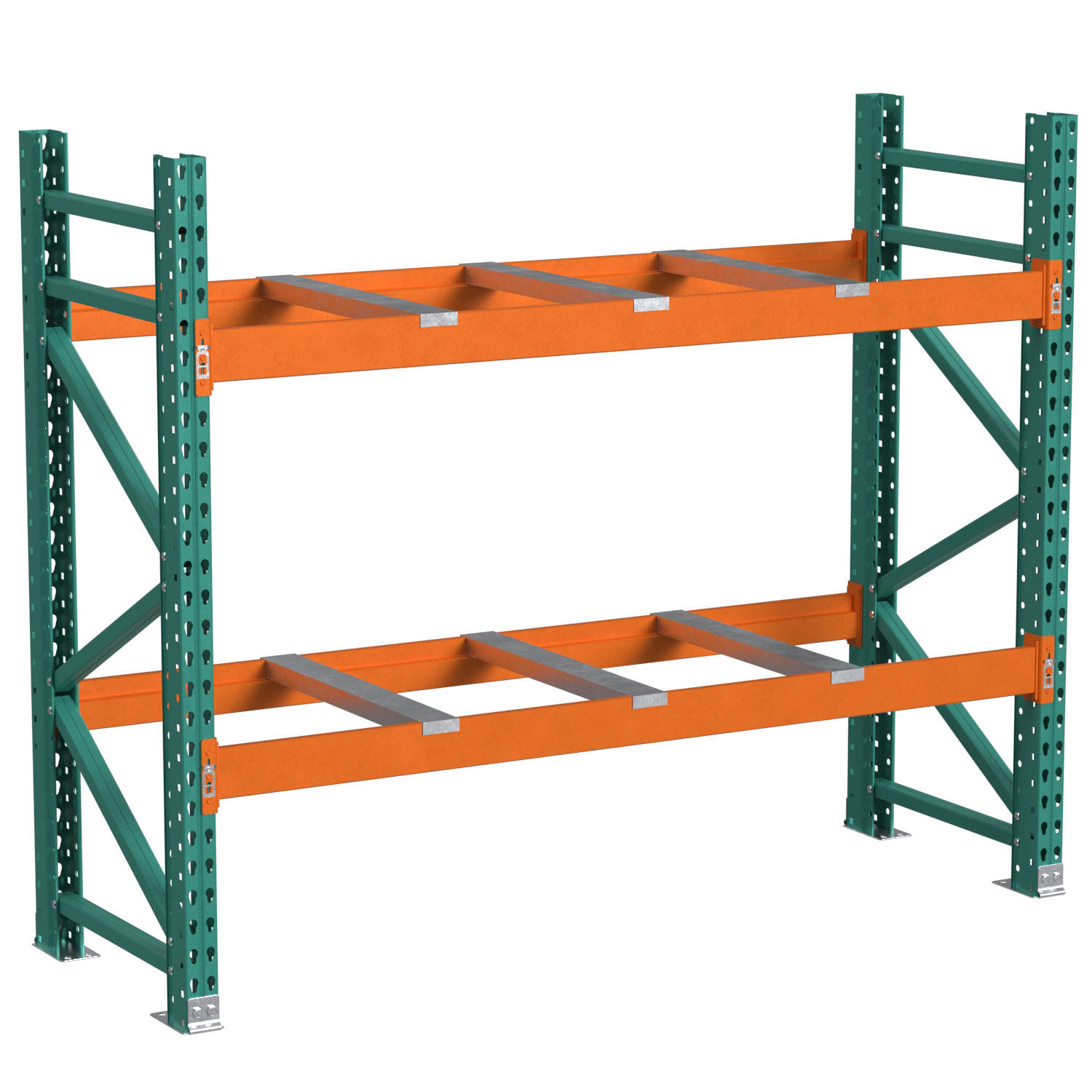
Industrial pallet racking systems are the backbone of efficient warehouse operations, engineered as heavy-duty steel structures designed to conquer vertical cube space. They transform chaotic storage areas into organized, accessible zones, dramatically improving how we handle goods. By creating multiple vertical levels for palletized items, these systems streamline forklift operations, making loading and unloading faster and safer. This organization is not just about neatness; it’s about optimizing the entire supply chain.
The right pallet racking setup directly impacts productivity and profitability. It ensures that inventory is stored logically, whether for quick access or high-density accumulation. Understanding the different types and their applications is key to unlocking a warehouse’s full potential. With advancements in design and materials, modern pallet racking offers robust solutions for virtually any industrial storage need.
| Feature | Description |
| Primary Material | Heavy-duty steel (Roll-formed or Structural) |
| Purpose | Maximize warehouse vertical cube space |
| Operation | Facilitates forklift loading and unloading |
| Key Components | Upright frames, load beams |
| Safety Features | Wire mesh decking, column guards, row spacers |
| Standards | RMI Certification, ANSI MH16.1 |
| Compliance | OSHA General Duty Clause, CFR 1910.176 |
| Audit Requirement | Mandatory annual inspections by qualified professionals |
| Storage Strategies | FIFO, LIFO |
| Common Rack Depth | 42′ and 48′ |
| Common Beam Length | 96′ and 144′ |
| Pallet Overhang | Standard 6 inches (3′ per side) |
Heavy-Duty Steel Pallet Racking
When we talk about industrial storage, heavy-duty steel pallet racking is the standard for a reason. These robust structures are built to withstand the rigors of constant use in busy warehouses and distribution centers. They are engineered to support significant loads, ensuring the safety of both personnel and the stored goods. The strength of steel provides the necessary durability for demanding industrial environments.
Read also: Stop Wasting Space: The Industrial Pallet Rack Solution for 2026
The integrity of these systems is paramount, especially when dealing with heavy pallets and high storage heights. They are designed to create a stable framework that maximizes the usable warehouse vertical cube space. This efficient use of space is critical for businesses looking to increase storage capacity without expanding their physical footprint. The selection of appropriate steel, whether roll-formed or structural, depends on the specific load requirements and potential for impact.
The foundation of any robust pallet racking system lies in its heavy-duty steel construction, providing the essential strength and stability for safe, high-density storage operations.
Teardrop Connection for Boltless Assembly
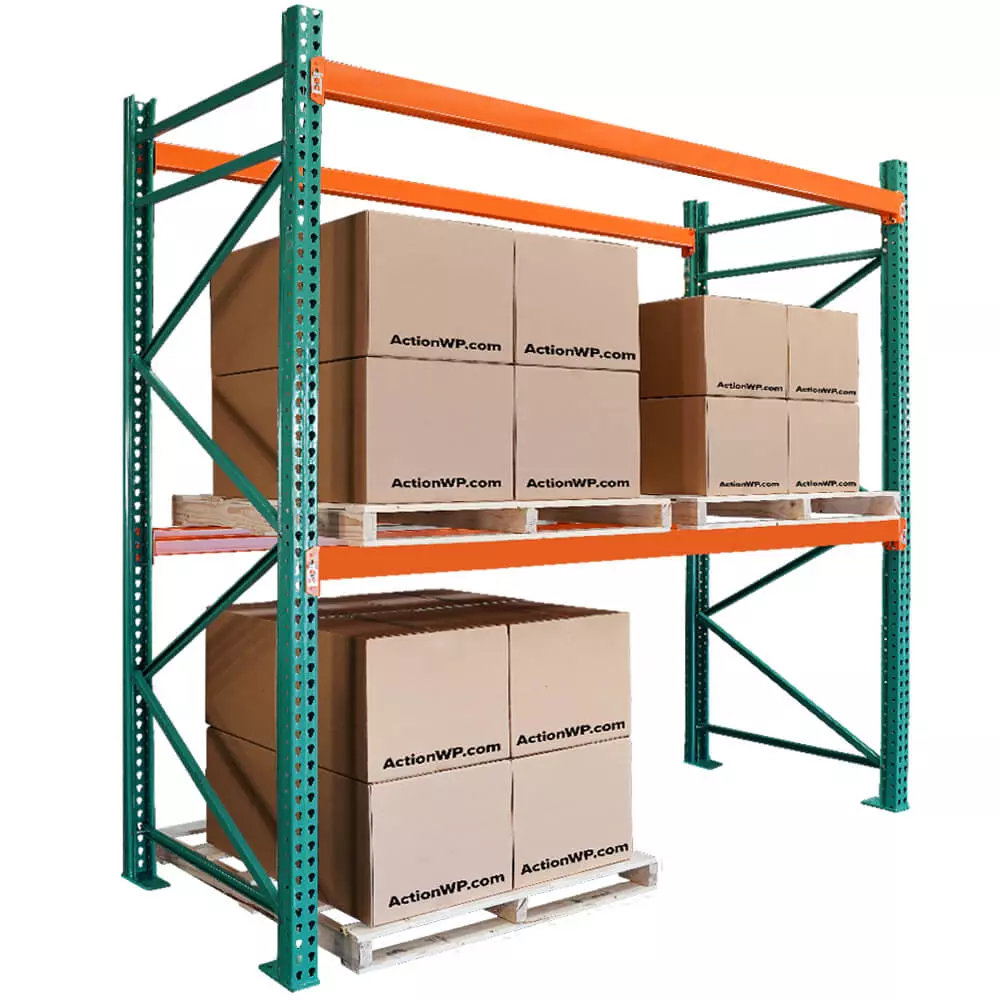
A significant advancement in pallet racking is the widespread adoption of the teardrop connection. This innovative design allows for boltless assembly, making the setup and reconfiguration of racks remarkably fast and efficient. The teardrop-shaped slots on the upright frames easily accept matching rivets on the beams, creating a secure, self-locking connection. This system is a major time-saver during installation and allows for easy adjustments as storage needs change.
This tool-free assembly method not only speeds up the process but also reduces labor costs associated with installation. The strength of the connection is comparable to bolted systems, offering reliable performance. The universal US design standard for this connection means compatibility between many different rack manufacturers. It’s a practical solution for dynamic warehouse environments that require flexibility.
Wire Mesh Decking and Pallet Overhang
While beams support the pallets, wire mesh decking offers a crucial safety and versatility layer, especially for non-standard loads or when sprinklers are present. This decking prevents items from falling through the beams, enhancing safety and compliance with regulations like the OSHA General Duty Clause. It also provides a solid surface for the pallets, ensuring stability during forklift operations. The mesh design allows light and air to circulate, which can be beneficial in certain storage environments.
Read also: Used Warehouse Racking: Save Up to 80% on Storage
Proper pallet overhang is another critical design element, typically set at 3 inches per side for a standard 6-inch total overhang. This ensures that the pallet sits securely on the beams, preventing it from shifting or falling. It’s a simple yet vital aspect of safe rack system design, directly impacting the stability of the stored inventory and the safety of workers operating forklifts. Adhering to these dimensions is essential for maintaining system integrity.
RMI Certification and OSHA Compliance
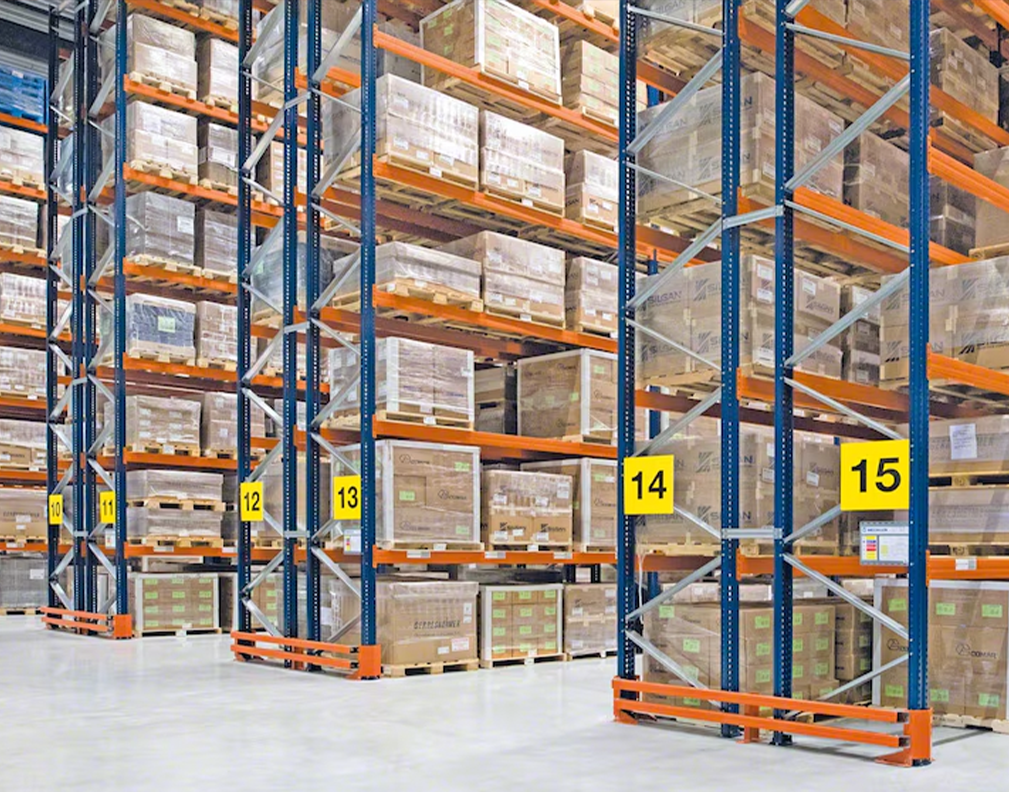
Ensuring that your industrial pallet racking meets industry standards is not just good practice; it’s a legal requirement. RMI Certification, based on the ANSI MH16.1 standard, signifies that the racking system has been designed and manufactured to rigorous safety specifications. Compliance with these standards is essential for worker protection and operational safety. It provides a benchmark for quality and reliability in the storage solutions industry.
Furthermore, regulatory bodies like OSHA enforce safety through various clauses, including the CFR 1910.176, which covers handling and storage of materials. Mandatory inspections, often visual safety audits conducted by qualified professionals, are crucial for identifying any component damage or potential hazards. These regular checks help prevent accidents, reduce liability, and ensure the long-term structural integrity of the racking system, upholding work health and safety legislation.
FIFO and LIFO Storage Configurations
The choice between FIFO (First-In, First-Out) and LIFO (Last-In, First-Out) inventory management strategies significantly influences the type of pallet racking system you need. FIFO is ideal for products with expiration dates or those requiring stock rotation, ensuring older inventory is used first. Pallet Flow Racking and Selective Racking are common solutions for FIFO. For example, pallet flow racking uses gravity to move pallets, ensuring the oldest item is always at the front for easy retrieval, making it perfect for perishable goods.
LIFO, on the other hand, is suited for bulk storage where product age is less critical, and maximizing storage density is the priority. Drive-In Racking and Push-Back Racking are excellent LIFO systems. Drive-In Racking allows forklifts to enter the rack structure to store and retrieve pallets, offering high-density storage. Push-Back Racking uses carts on rails to store multiple pallets deep, allowing for dense storage with easier access than Drive-In systems. The selection depends heavily on your specific inventory storage design and product flow needs.
Structural Steel vs Roll-Formed Racks
When specifying pallet racking, understanding the difference between structural steel and roll-formed steel is vital. Structural steel racks are fabricated from solid steel members, similar to those used in building construction. They offer superior impact resistance and higher load capacities, making them ideal for very demanding environments, such as heavy-industry hubs or areas prone to forklift impacts. These racks provide exceptional durability and strength.
Roll-formed steel racks, often featuring the popular teardrop connection, are made from thinner steel that is shaped through a rolling process. They are generally more cost-effective, easier to adjust, and quicker to assemble. While they may have lower impact resistance than structural steel, they are perfectly suitable for many standard warehouse applications and offer excellent load capacities for typical pallet weights. The choice often balances cost, durability, and the specific operational demands of the facility.
For demanding environments with high impact potential, structural steel offers superior durability and load capacity, while roll-formed steel provides a cost-effective and adaptable solution for general warehousing.
Cold Storage and Freezer Rack Systems
Operating in cold storage and freezer environments presents unique challenges for pallet racking. Standard steel can become brittle at low temperatures, and condensation can lead to corrosion. Therefore, racks designed for these applications often use specific steel grades and protective coatings to withstand extreme cold and moisture. The design must also consider the potential for ice buildup and ensure easy access for maintenance.
High-density racking solutions are particularly valuable in cold storage because the cost per cubic foot of refrigerated space is very high. Systems like Drive-In or Pallet Flow racking can be adapted for these conditions. Ensuring proper ventilation and material selection is critical to prevent structural issues and maintain safety. These specialized systems are engineered for resilience in harsh, low-temperature settings, optimizing storage density in valuable cold space.
Column Guards and Safety Row Spacers
Safety features are non-negotiable in any industrial racking system. Column guards are protective barriers installed at the base of upright frames to absorb impacts from forklifts, preventing damage to the rack structure. These guards are a critical component for reducing hazards and preventing costly repairs or accidents. They are a relatively inexpensive addition that significantly enhances the longevity and safety of the racking.
Safety row spacers, also known as row end ties or back-to-back connectors, are used to connect adjacent rows of racking. This stabilizes the entire system, preventing racking from tipping or swaying, especially during seismic events or when heavy loads are being moved. They ensure that the vertical structures remain plumb and secure, contributing to overall warehouse safety and compliance with work health and safety legislation.
The Future of Industrial Pallet Racking in 2026
Looking ahead to 2026, industrial pallet racking continues to evolve, driven by the relentless pursuit of efficiency and safety in logistics. We are seeing a greater emphasis on integrated smart technology, with sensors that can monitor load weights and rack integrity in real-time. This proactive approach to maintenance, moving beyond mandatory inspections, promises to further reduce downtime and prevent accidents.
The demand for adaptable and high-density storage solutions will only increase as e-commerce continues to grow. Expect to see more modular designs and advanced materials that offer even greater strength-to-weight ratios. Automation will also play a larger role, with racking systems designed to seamlessly integrate with automated guided vehicles (AGVs) and robotic systems. The focus remains on maximizing every inch of warehouse space while ensuring the highest levels of safety and operational efficiency for businesses across all sectors.
Read also: UHF RFID Labels: Scan Dozens of Items at Once from 40 Feet Away
Your 3-Step Action Plan for Pallet Racking
Step 1: Audit Your Current Storage
Measure your pallet dimensions, weight, and facility ceiling height. Identify your inventory flow: FIFO for perishables, LIFO for uniform goods.
Step 2: Choose Your Racking Type
Select Selective Racking for high SKU access. Opt for Drive-In or Push-Back for dense LIFO storage; use Pallet Flow for high-density FIFO.
Step 3: Ensure Safety and Compliance
Install column guards and wire mesh decking. Schedule annual inspections per RMI and OSHA standards to avoid hazards.
Avoid the common mistake of underestimating beam deflection under load. Always consult a professional engineer for seismic zones.
Frequently Asked Questions
How do I determine the correct beam length?
Beam length equals pallet width plus 6 inches of overhang (3 inches per side). Common lengths are 96 and 144 inches.
Can I mix roll-formed and structural steel in one system?
Yes, but only if engineered as a single system by the manufacturer. Mixing without approval voids warranties and may violate RMI standards.
How often must I inspect my pallet racking?
OSHA requires annual inspections by a qualified person. Additionally, perform monthly visual checks for damage like bent uprights or missing safety clips.
Choosing the right industrial pallet racking system is a strategic investment in your warehouse efficiency and safety. Following RMI and OSHA guidelines ensures longevity and protects your workforce.
Now, take the next step by contacting a certified racking supplier for a site assessment. They can provide a detailed layout and load plan tailored to your inventory.
Imagine your warehouse operating at full vertical capacity with zero safety incidents. That future is achievable with the right system and diligent maintenance.
