


You spent months building your AI model. You trained it, tuned it, and deployed it. Then it failed. Why? Because your training data was bad. Poor data is the number one reason AI projects crash. Don’t let that be you. Buying the right AI training data from the start can save your project and your budget.
In 2026, you have two main ways to get quality data: buy ready-made datasets from marketplaces or hire a custom service. Both options are faster and cheaper than collecting data yourself. But you need to know what to look for. This article will show you exactly how to buy AI training data that works, without wasting money on junk data.
How to Buy AI Training Data That Actually Works
When you buy AI training data, you are investing in your model’s success. About 85% of AI projects fail because of poor data quality. That is a huge waste of time and money. The good news is that you can avoid this by choosing the right source. Specialized data marketplaces like Defined.ai, Datarade, and AWS Data Exchange offer pre-collected, licensed datasets for text, image, audio, and video. For example, Datarade lists over 500 providers so you can compare options for your specific industry, whether it is real estate, finance, or healthcare. Bright Data even provides real-time web scraping services built for LLM training.
If you need something unique that is not on a marketplace, custom data services are your answer. Companies like Scale AI, Appen, and TELUS Digital can collect, label, and validate data just for you. Appen uses over a million contributors worldwide to handle large-scale, multilingual projects. TELUS Digital focuses on NLP, computer vision, and robotics data. Innodata goes a step further by using subject matter experts instead of generic crowdsourcing. Before you buy, always check the licensing and compliance. Make sure the data is legally clean for commercial use, especially if you handle sensitive information like health or finance records. Look for providers that report accuracy rates above 97% and offer clear pricing based on volume or complexity.
| Product | Average Price ($) | Highlight |
| OpenDatabay | ‘Free – Low’ | ‘Access to a wide variety of public datasets’ |
| Clickworker | ‘Low – Medium’ | ‘Crowdsourced data annotation and collection’ |
| DatasetShop | ‘Medium’ | ‘Subscription access to legally clean datasets’ |
| Bright Data | ‘Medium – High’ | ‘Web scraping and pre-collected web datasets for AI’ |
| AWS Data Exchange | ‘Medium – High’ | ‘Marketplace for licensed data from third-party providers’ |
| Defined.ai | ‘Medium – High’ | ‘AI datasets and data annotation services’ |
| Datarade | ‘High’ | ‘Aggregator for over 500 AI training data providers’ |
| Appen | ‘High’ | ‘Large-scale data collection and annotation with managed workforce’ |
| Scale AI | ‘High’ | ‘Data labeling and annotation platform for complex AI’ |
| Innodata | ‘Very High’ | ‘Expert-driven data curation and validation’ |
WHAT REALLY WORKS
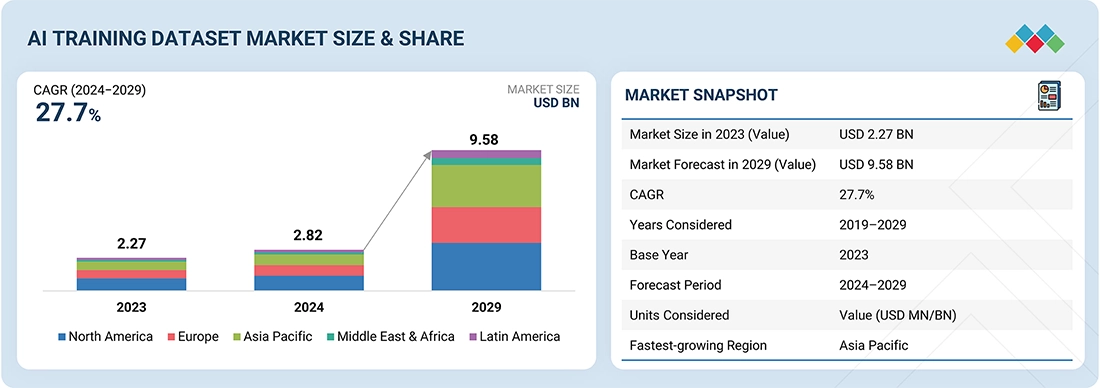
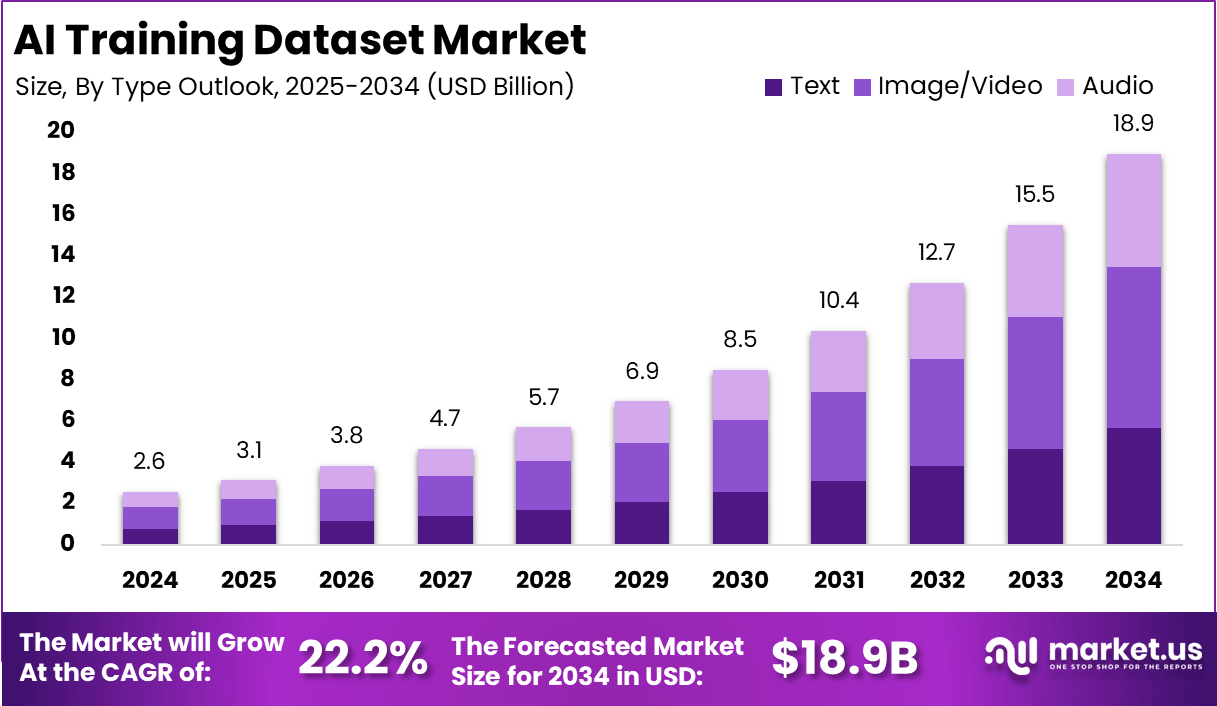
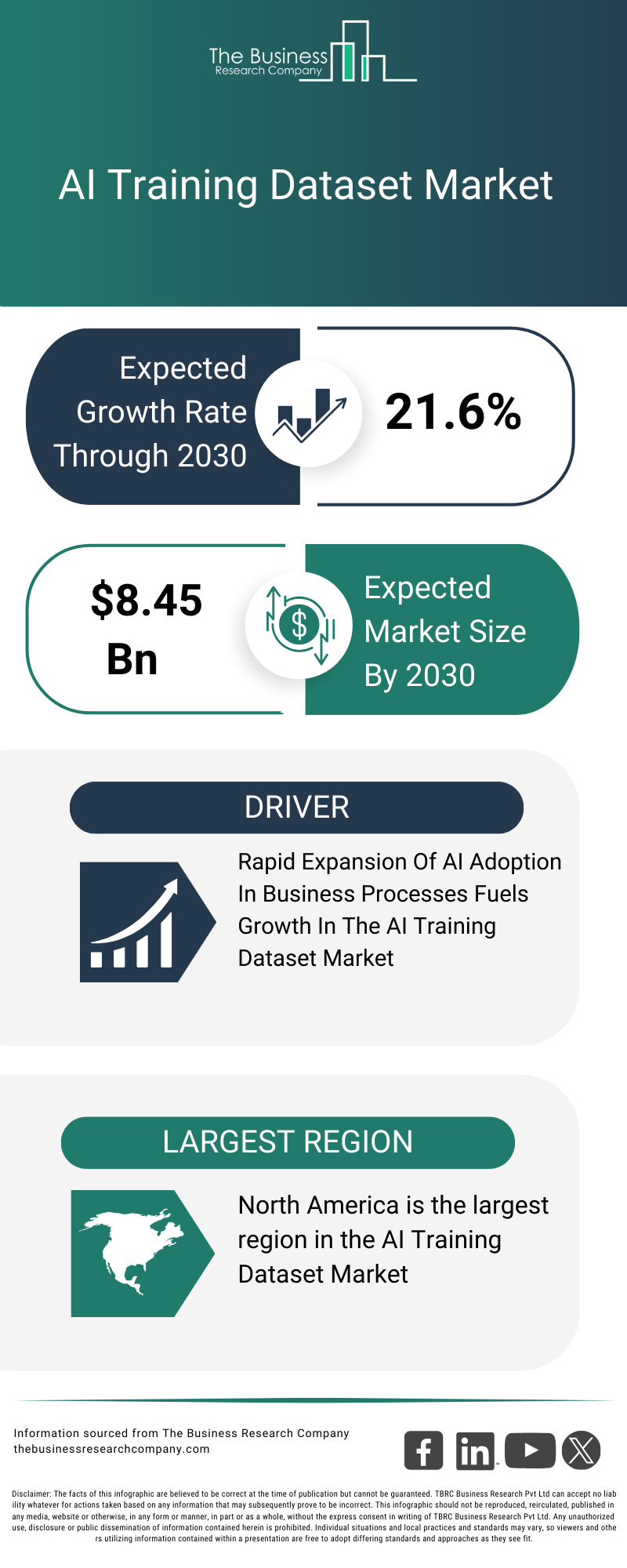
AI model failure often stems from poor data quality or insufficient relevant data. This is why buying AI datasets requires careful consideration. Focus on data that directly matches your AI project’s needs.
Data quality assurance is key. Providers often report accuracy rates above 97%. Always check licensing and compliance, like GDPR or HIPAA, before you buy AI training data.
Buy AI Datasets for Machine Learning
When choosing machine learning datasets, consider your project’s specific requirements. Look for data that is diverse and representative of real-world scenarios. Ensure the data has clear licensing terms for commercial use. Understanding the data annotation process used is also important.
Read also: 65 Custom Exhibit Booths Ideas to Stop Crowds in 2026
1. OpenDatabay
OpenDatabay offers access to many public datasets. This is a great starting point for budget-conscious projects. You can find various types of data here.
Average Price: ‘Free – Low’
Practical Tip: Use this for initial testing or projects with very limited budgets.
2. Clickworker
Clickworker provides data annotation and collection services. They use a large crowd of workers. This can be cost-effective for many tasks.
Read also: Cheapest Conference Rooms Hong Kong: From $8/Hour to Luxury
Average Price: ‘Low – Medium’
Practical Tip: Good for tasks needing human judgment, like image tagging or text categorization.
3. DatasetShop
DatasetShop offers subscription access to datasets. Their focus is on ‘legally clean’ data. This means it’s suitable for commercial AI training.
Average Price: ‘Medium’
Practical Tip: Ideal for businesses needing ongoing access to reliable datasets.
4. Bright Data
Bright Data specializes in web data. They offer pre-collected web datasets and scraping services. This is excellent for LLM training data.
Average Price: ‘Medium – High’
Practical Tip: Use for projects requiring large amounts of web-scraped data for AI.
5. AWS Data Exchange
AWS Data Exchange is a marketplace. It offers licensed data from many providers. You can find data for various industries here.
Average Price: ‘Medium – High’
Practical Tip: Convenient for AWS users looking for diverse, licensed datasets.
6. Defined.ai
Defined.ai provides both AI datasets and annotation services. They focus on quality and customization. This helps ensure data meets specific project needs.
Average Price: ‘Medium – High’
Practical Tip: Useful when you need both data and help labeling it accurately.
7. Datarade
Datarade aggregates over 500 providers. It’s a central hub to compare AI training data. You can find data for niches like finance or weather.
Average Price: ‘High’
Practical Tip: Excellent for comparing many options before making a significant purchase.
8. Appen
Appen offers large-scale data collection. They have a global network of contributors. This is suitable for major AI projects needing massive amounts of data.
Average Price: ‘High’
Practical Tip: Best for enterprise-level projects needing diverse, high-volume data.
9. Scale AI
Scale AI focuses on data labeling for complex AI. They use advanced tools and human oversight. This is for demanding computer vision datasets and NLP data.
Average Price: ‘High’
Practical Tip: Choose this for projects needing highly accurate, complex data annotation.
10. Innodata
Innodata uses subject matter experts. They focus on data curation and validation. This ensures very high data quality for critical AI applications.
Average Price: ‘Very High’
Practical Tip: Recommended for AI applications where data accuracy is absolutely critical.
WHICH ONE TO BUY TODAY?
For the best value, OpenDatabay and Clickworker offer affordable entry points. They are great for testing and smaller projects. Bright Data and DatasetShop provide a good balance of cost and quality for ongoing needs.
For the best investment, consider Scale AI or Innodata if your project demands top-tier accuracy. Appen is a strong choice for large-scale, diverse data requirements. Datarade helps you find the perfect fit across many providers.
Read also: Best CRM for Sale in 2026: Lifetime Deals & AI Tools That Work
What to Check After You Buy AI Training Data
When your dataset arrives, do not assume it is ready to use. The first step is to verify the licensing terms and confirm you have rights to use the data for your specific AI model.
Step 1: Validate Licensing and Compliance
Check the license agreement immediately. Make sure it allows commercial use and covers your industry or application.
If you handle sensitive data, confirm the dataset complies with regulations like GDPR or HIPAA. A provider that cannot prove compliance is a red flag.
- Request a copy of the data provenance report.
- Verify that consent was obtained from all data subjects.
- Check for any geographical or usage restrictions.
Step 2: Audit Data Quality
Run a quick validation on a sample of records. Look for missing values, duplicates, or obvious errors in labels.
Most reputable providers report accuracy above 97%, but you must test this yourself. Use a small test set from your own domain to see if the data generalizes well.
- Check label consistency across different annotators.
- Ensure file formats match your pipeline (e.g., JSON, CSV, Parquet).
- Scan for bias or underrepresented categories.
Step 3: Test with a Small Model
Do not train your full model immediately. Instead, train a lightweight prototype to see if the data improves performance.
This step catches issues early and saves compute costs. If the small model does not show improvement, investigate the data before scaling up.
What to Avoid
Never skip the license review. Many cheap datasets come with restrictions that can halt your project later.
Avoid using data without clear provenance. If the provider cannot tell you where the data came from, it is likely scraped without permission.
Do not assume all data is clean. Even premium datasets contain errors, so always budget time for validation.
Frequently Asked Questions
Can I return a dataset if it does not meet my expectations?
Most providers do not accept returns because data is a digital, non-tangible asset. Always request a free sample or trial before purchasing a full dataset.
How long does it take to get custom data delivered?
Delivery times vary widely, from a few weeks to several months depending on complexity and volume. Expect at least 4 to 8 weeks for a moderately complex custom dataset.
What if I need more data later?
Many marketplaces offer subscription models that let you access ongoing data feeds. For custom data, negotiate a contract that includes future expansion options.
Buying AI training data is a critical investment, and the right provider makes all the difference. By following a strict validation process, you protect your project from costly failures.
Now that you know what to check, start by requesting samples from top marketplaces like Defined.ai or Datarade. Compare their offerings and test the data with a small model before committing.
The future of AI belongs to those who prioritize quality data. With ethically sourced, well-validated datasets, your models will not only perform better but also earn trust in an increasingly regulated world.
