


You have domains sitting around not making you a dime. That’s money left on the table every single day. Selling domains is simpler than you think if you know the right steps.
Many people overprice their domains and wait years with no offers. The truth is, a smart pricing strategy and the right marketplace can get you a sale in weeks. Let’s fix that today.
Domain Valuation Tools and Strategies to Sell Your Domains Fast
To sell your domains effectively, you need to know what they’re worth. Use domain appraisal tools like GoDaddy’s Domain Appraisal or check historical sales on NameBio. A realistic price is key: domains priced with a ‘Buy It Now’ option sell up to 65% faster than auction-only listings.
Listing on multiple platforms boosts your chances. Sites like Sedo, Afternic, and GoDaddy Auctions each have large buyer pools. Afternic’s Boost plan pushes your domain to hundreds of registrar sites, giving you massive exposure for a small fee.
Transaction security is non-negotiable. Always use an escrow service built into the marketplace to protect both you and the buyer. Commission rates vary: Dynadot charges as low as 10%, while Afternic can take up to 30%. Choose based on your profit margin.
Selling Your Domains in 2026: A Smart Move
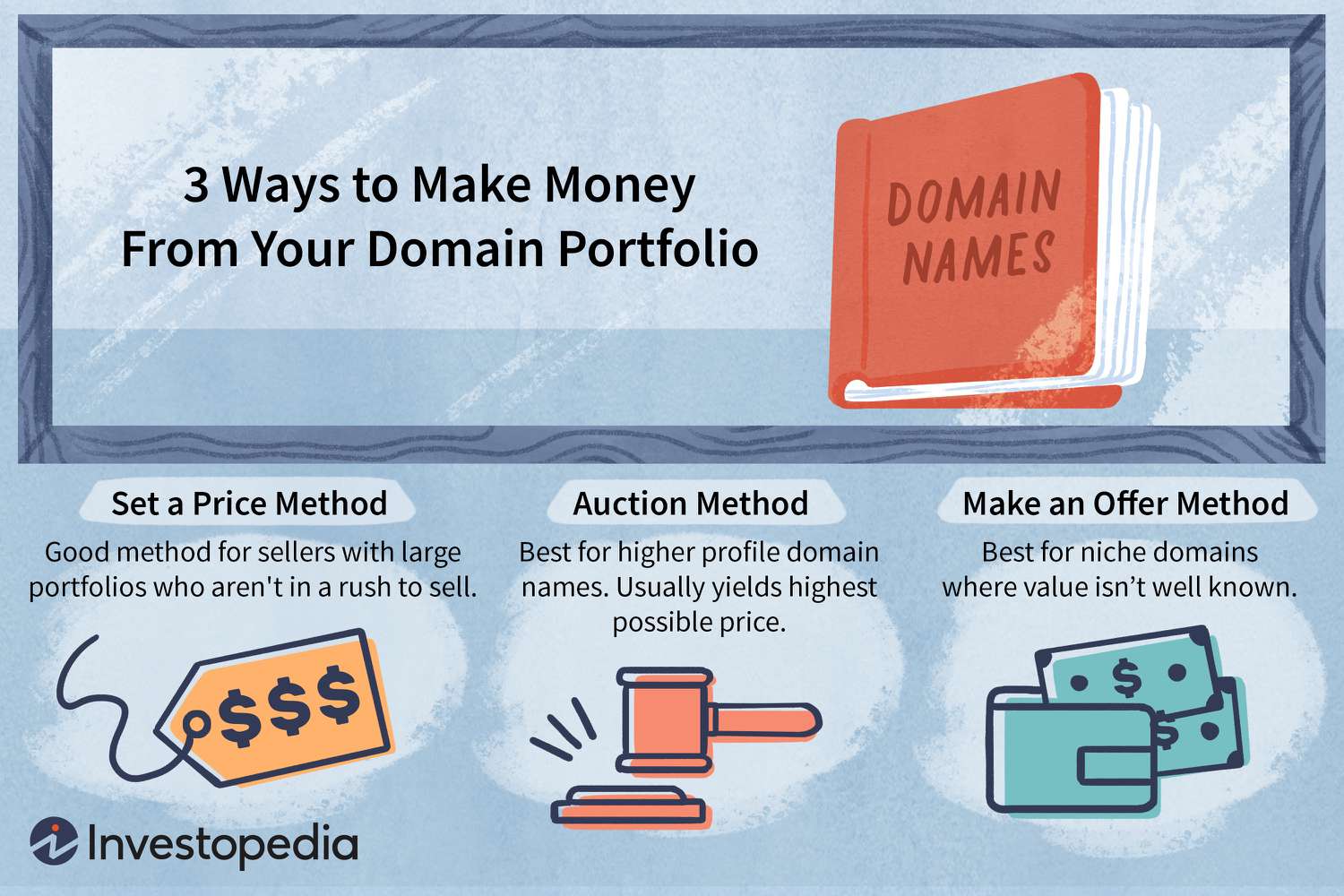
The domain market is active. Selling your domain name can be profitable. It requires a good strategy. Here’s how to do it right.
| Metric | 2026 Data/Cost | Notes |
| Average Commission | 10%-30% | Varies by platform. |
| Listing Options | Fixed Price, Auction | Choose what fits your domain. |
| Sale Increase (Buy It Now) | Up to 65% | Offers immediate buyer commitment. |
| Escrow Service Cost | Included in Commission | Typically part of the sale fee. |
| Appraisal Tools | Free to Paid | Essential for correct pricing. |
Know Your Domain’s Worth
Understanding your domain’s value is key. This is called domain name appraisal. It helps you set a realistic price. This stops you from selling too low.
Use Domain Valuation Tools
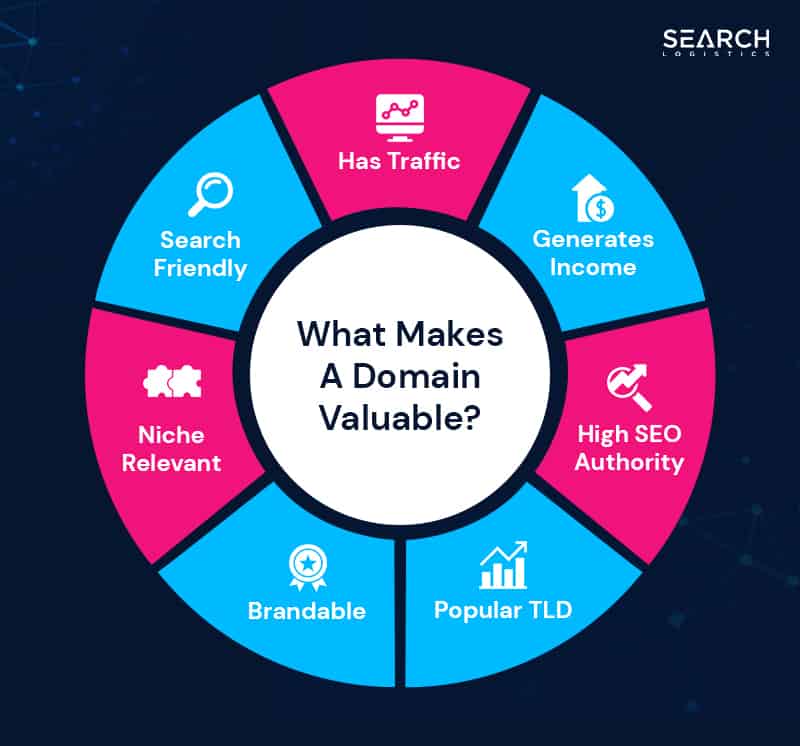
Accurate pricing needs good tools. Domain valuation tools give you data. GoDaddy’s Domain Appraisal is one option. NameBio shows past sales. This data helps set your price.
Read also: Where to buy a PBN domain name that won’t get you penalized
Sell Domains on Auction Sites
Auction sites are popular. They create urgency for buyers. Platforms like GoDaddy Auctions are good. You can also use fixed-price listings. This strategy maximizes profit potential.
Smart Domain Selling Strategies
A good strategy gets results. Use a ‘Buy It Now’ option. This can boost sales by 65%. Create a dedicated ‘For Sale’ page. List on multiple platforms for exposure. Afternic’s Boost plan helps reach more buyers.
How to Price a Domain
Pricing involves several factors. Consider domain length and keywords. Is it a premium domain sale? Does it have commercial value? Research similar sales on NameBio. This helps determine the right value.
The Domain Transfer Process
Transferring ownership needs care. Most marketplaces handle this. They ensure a smooth domain transfer process. Escrow services protect both sides. This makes the sale secure.
Read also: Used domains can boost your SEO overnight – here’s how
Secure Domain Escrow Services
Safety is important. Domain escrow services protect funds. They hold money until transfer is complete. This prevents fraud. Most major platforms include this.
Trademark Issues in Domain Names
Avoid legal trouble. Check for trademark issues in domain names. Use the USPTO’s TESS database. Do not infringe on existing trademarks. This protects your sale and your reputation.
The Future of Domain Sales
Selling domains is a solid market. Focus on quality and strategy. Use the right platforms and tools. Be patient; sales can take time. Secure transactions are vital. For more on selling domains, visit Sedo. Understanding the domain transfer process ensures a smooth experience. Always check for trademark issues in domain names before listing. This protects you from legal problems. For a wider reach, consider listing on Afternic. They distribute your domain to many registrars.
Read also: Domains verkaufen: Turn unused web addresses into cash now
Your Domain Selling Action Plan
Step 1: Price It Right
Use GoDaddy’s Domain Appraisal and NameBio to find a fair market value. A ‘Buy It Now’ price can increase your sale chances by up to 65%.
Step 2: List on Multiple Platforms
Start with Sedo, Afternic, and GoDaddy Auctions. Consider Afternic’s Boost plan to reach buyers across many registrar sites.
Step 3: Secure the Transaction
Always use an integrated escrow service to protect both you and the buyer. Never transfer ownership until payment is fully cleared.
Frequently Asked Questions
How long does it take to sell a domain?
Sales can happen in days or take years depending on demand and niche. Patience is key, and pricing competitively speeds up the process.
What commission do marketplaces charge?
Commissions range from 10% at Dynadot to 30% at Afternic for standard sales. Always check the fee structure before listing.
Can I sell a domain that has a trademark issue?
No, selling a domain that infringes on a trademark can lead to legal trouble. Use the USPTO’s TESS database to verify before listing.
Selling domains in 2026 is a smart way to turn digital assets into cash when you follow the right strategy. You now have the tools to price, list, and close a sale safely.
Start by appraising one domain today and list it on a trusted marketplace like Sedo or Afternic. Your first sale could be just a few clicks away.
Imagine the freedom of earning passive income from names you already own. The digital real estate market is waiting for you to claim your profit.
