


If you’re hauling anything labeled ‘2.3 placard,’ even a single cylinder can trigger the full placarding requirement. That’s a common trap – many drivers think small loads don’t need it, but for Division 2.3 Toxic Gases, the rules are absolute.
Getting this wrong isn’t just a fine; it’s a safety hazard that can put lives at risk. The skull and crossbones symbol means business, and understanding when and how to use this placard is essential for every hazmat transporter.
What a Division 2.3 Placard Means and When You Must Use It
The 2.3 placard is reserved for toxic gases that are dangerous if inhaled, like chlorine (UN 1017) or sulfur dioxide (UN 1079). Unlike other hazard classes, there’s no minimum weight exemption – even a small cylinder requires the placard on all four sides of your vehicle.
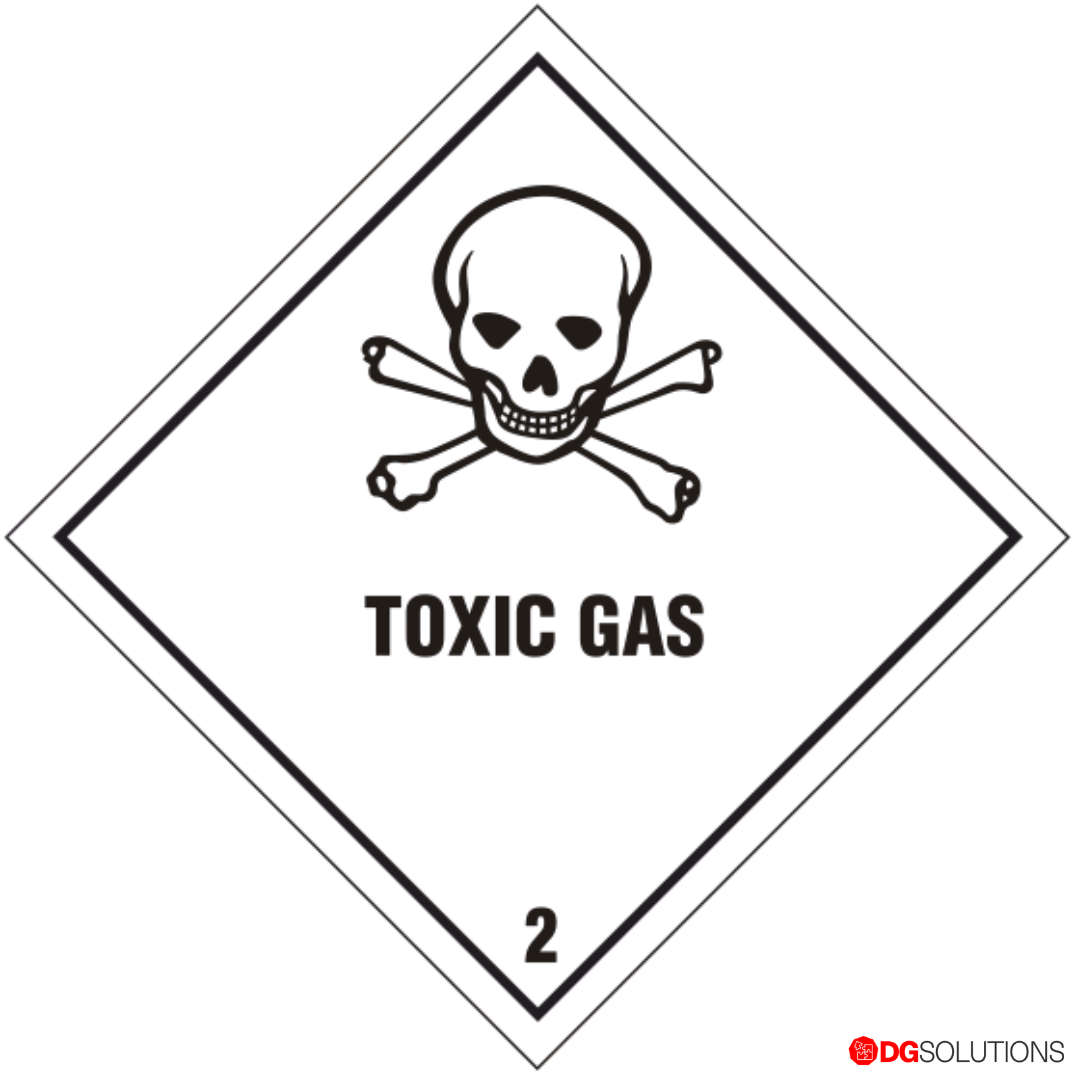
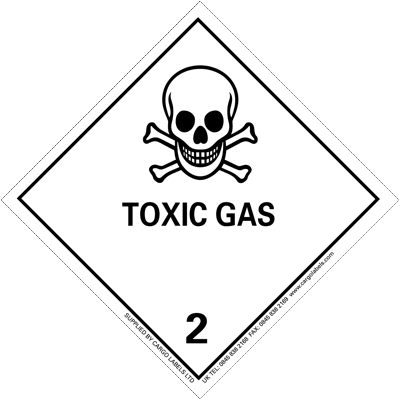
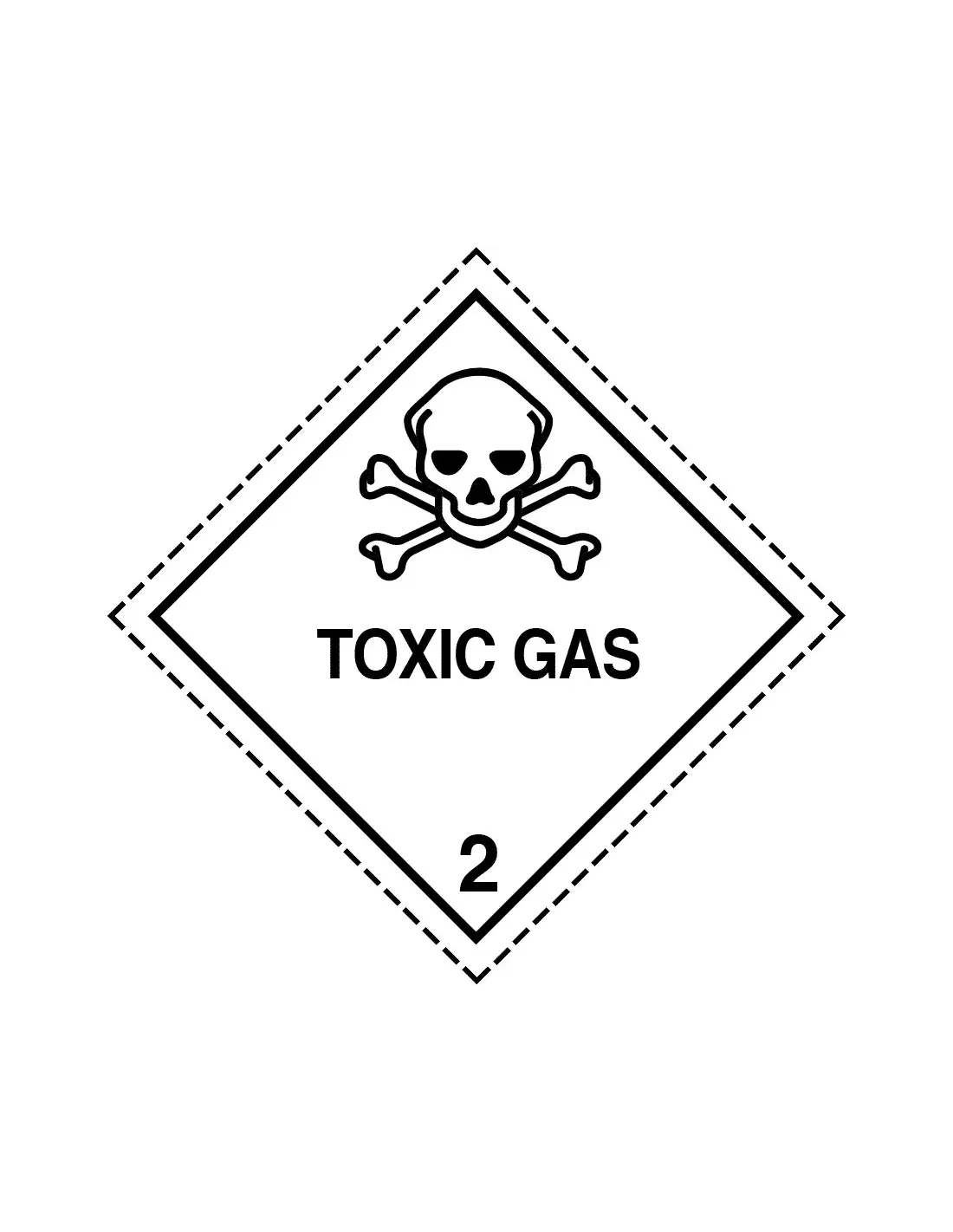
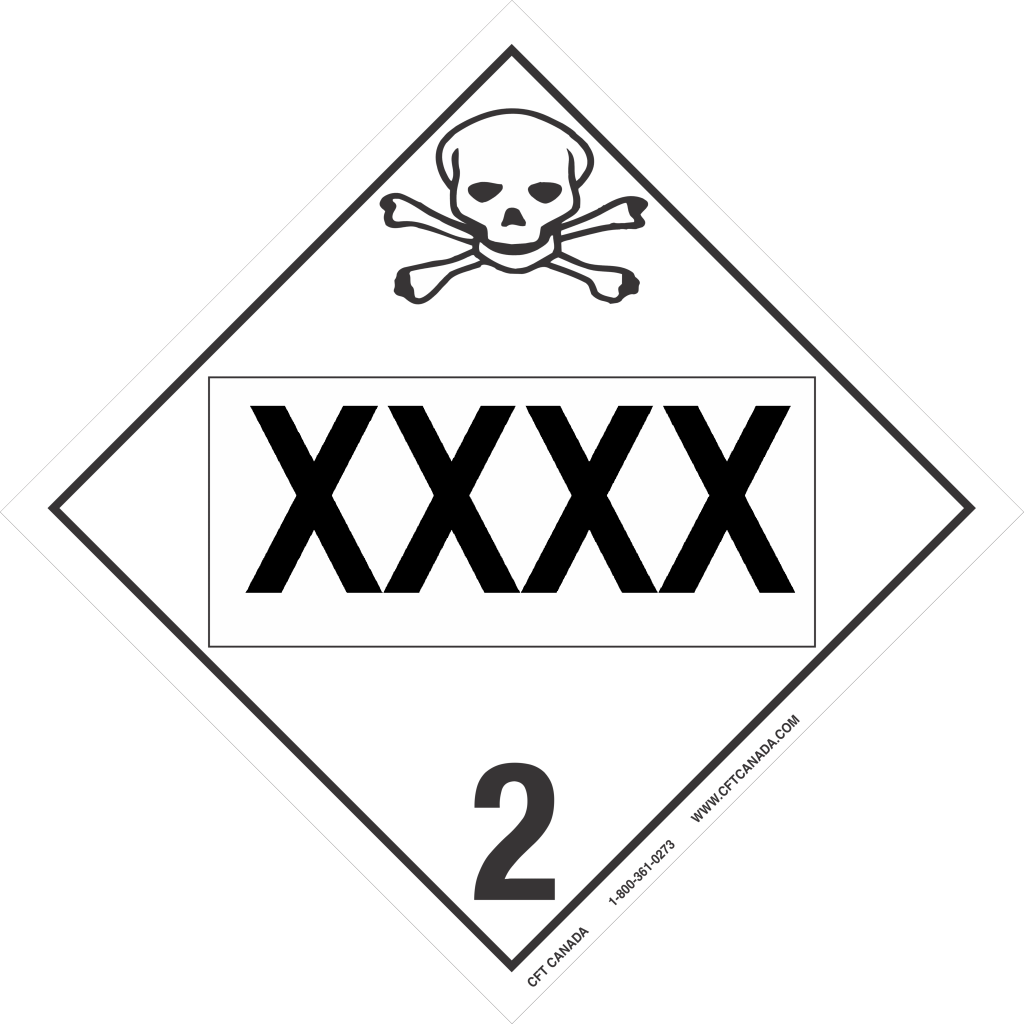
You’ll see two common designs: the US version reads ‘INHALATION HAZARD’ at the bottom, while international shipments use ‘TOXIC GAS.’ Both feature the skull and crossbones at the top, making the danger unmistakable. Standard size is 10.75 inches square, and you can choose from vinyl (durable), tagboard (temporary), aluminum (flip-file systems), or magnetic (easy on/off) materials.
DOT 2.3 Placard: Regulatory Compliance
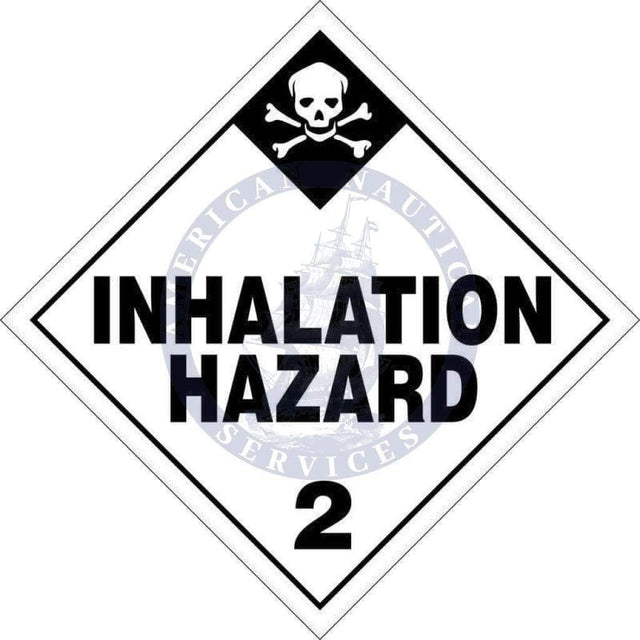
The DOT 2.3 placard is a critical safety marker for transporting toxic gases. It ensures that emergency responders can quickly identify the specific hazard class.
Hazardous Material Placard Class 2.3
This placard signifies Division 2.3, which covers toxic gases. These substances are dangerous if inhaled, making clear identification essential. It is a requirement under US Department of Transportation regulations.
Inhalation Hazard Placard Requirements
Federal regulations often require the wording ‘INHALATION HAZARD’ on these placards. This directly communicates the primary danger to anyone handling or approaching the transport vehicle. It is a vital part of the Hazardous Material Placard Class 2.3 system.
Inhalation Hazard Placard: Design and Impact
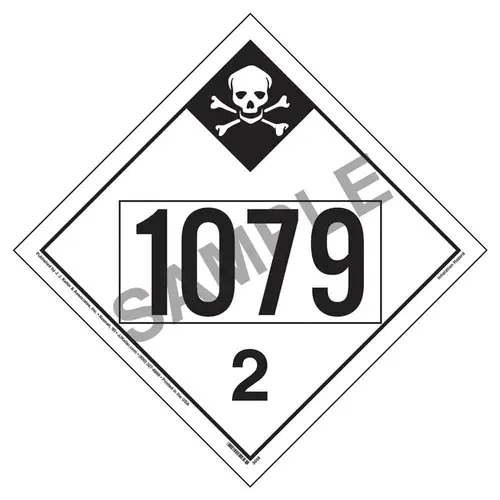
The design of the Inhalation Hazard placard is meant to be immediately understood. Its visual elements convey a serious and urgent warning about the contents.
Toxic Gas Placard Symbolism
The prominent skull and crossbones symbol at the top is a universal sign for danger. It immediately alerts people to the toxic nature of the material being transported. This visual cue is critical for safety.
Division 2.3 Placard Identification
The numerical designation ‘2.3’ at the bottom clearly identifies the hazard class. This helps hazmat professionals quickly reference the specific risks associated with this Division 2.3 placard. It is a key identifier for toxic gases.
Skull and Crossbones Placard: Visual Warnings
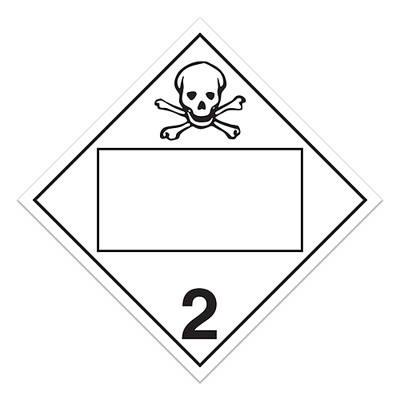
The Skull and Crossbones placard is an internationally recognized symbol of extreme danger. Its inclusion on the 2.3 placard leaves no room for misinterpretation.
Toxic Gas Warning Graphics
This graphic element is the most striking feature of the placard. It serves as an immediate visual alert, signifying a life-threatening hazard. This makes the placard instantly recognizable.
Hazardous Material Placard Class 2.3 Designation
Combined with the ‘2.3’ designation, the skull and crossbones clearly marks the material as a highly toxic gas. This is a fundamental requirement for compliance with Hazardous Material Placard Class 2.3 rules. It is a clear indicator of severe risk.
Vinyl 2.3 Placard: Durability and Flexibility

Vinyl 2.3 placards offer a practical solution for many transport needs. Their material properties make them suitable for various environmental conditions.
Durable Vinyl Material
The adhesive-backed vinyl is weather-resistant and can withstand outdoor exposure. This ensures the placard remains legible and intact during transit. It is a popular choice for long-term use.
Magnetic 2.3 Placard Alternative
For fleets that frequently change loads, magnetic versions offer easy application and removal. However, vinyl provides a more permanent and secure attachment for dedicated hazardous material transport.
Worded 2.3 Placard Options
These placards are available with specific wording like ‘INHALATION HAZARD’ for clarity. The vinyl material ensures this text remains visible and sharp over time. This is important for regulatory adherence.
Aluminum 2.3 Placard: Strength for Extreme Conditions
Aluminum placards are chosen for their robust nature and ability to withstand harsh conditions. They are often integrated into more complex placarding systems.
Rigid Aluminum Construction
The rigidity of aluminum provides superior durability compared to other materials. This makes it ideal for vehicles that face demanding operational environments. It offers long-lasting performance.
Flip-File System Integration
Aluminum placards are commonly used in ‘flip-file’ systems on multi-hazard vehicles. This allows for quick changes between different hazard class placards. It streamlines compliance for diverse cargo.
Tagboard 2.3 Placard Comparison
While tagboard is cost-effective, aluminum offers a much higher level of protection against damage and wear. This makes aluminum a better investment for critical, long-term placarding needs. It ensures safety is never compromised.
Magnetic 2.3 Placard: Easy Application

Magnetic 2.3 placards provide a convenient option for temporary or interchangeable placarding needs. Their ease of use is a significant advantage.
Flexible Magnetic Backing
The magnetic backing allows for quick and easy attachment to steel surfaces on vehicles. This is ideal for situations where placarding needs to be changed frequently. It saves time and labor.
Temporary Placard Use
These are perfect for short-term hauls or when a vehicle might carry different types of hazardous materials. The magnetic surface ensures a secure hold without permanent adhesive. It offers great versatility.
Vinyl 2.3 Placard Durability
For permanent or long-duration placarding, vinyl offers better adhesion and weather resistance. Magnetic placards are best suited for dynamic, short-term applications. Each has its specific use case.
Tagboard 2.3 Placard: Cost-Effective Options
Tagboard placards are a budget-friendly choice for specific placarding requirements. They offer a basic solution for compliance at a lower cost.
Economical Tagboard Material
This material is less durable than vinyl or aluminum but is significantly cheaper. It is suitable for single-trip or temporary applications where extreme weather is not a concern. It provides a basic level of compliance.
Single-Trip Placarding
Tagboard is often used for one-time shipments or when placards are replaced after each use. This makes it a practical choice for certain logistics operations. It is a disposable option.
Aluminum 2.3 Placard Strength
For any application requiring long-term durability and resistance to the elements, aluminum is the superior choice. Tagboard is best reserved for situations where cost is the primary driver and longevity is not critical. It is a trade-off between cost and resilience.
International 2.3 Placard: Global Standards
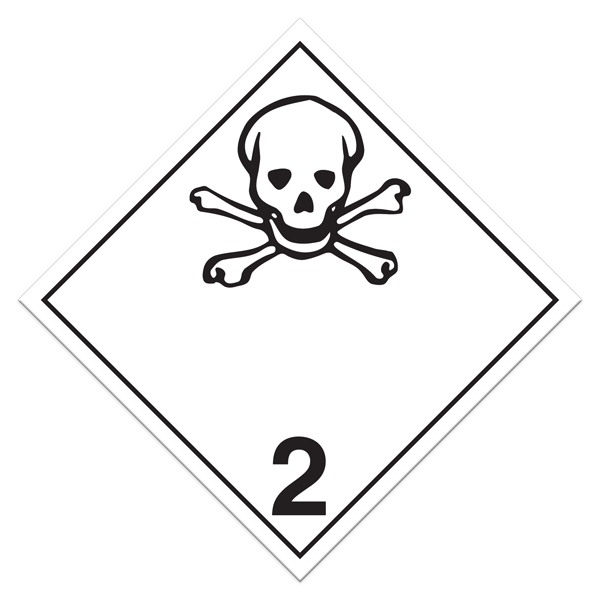
International 2.3 placards adhere to global standards for hazardous materials transport. They ensure consistent safety messaging across borders.
Global Toxic Gas Labeling
These placards use standardized symbols and wording recognized worldwide. This facilitates safe transport of hazardous materials between different countries. It promotes international safety cooperation.
Worded 2.3 Placard Variations
While US regulations often specify ‘INHALATION HAZARD’, international versions may use ‘TOXIC GAS’. Both convey the critical danger of Division 2.3 materials. This ensures clear communication regardless of region.
UN 1017 Placard Examples
Substances like UN 1017 (Chlorine) require this placarding internationally. The consistent visual language of the International 2.3 placard ensures these dangerous goods are handled correctly everywhere. Compliance is key for global trade.
| Material | Durability | Cost | Application |
| Vinyl | High | Medium | Semi-permanent |
| Aluminum | Very High | High | Permanent/Flip-File |
| Magnetic | Medium | Medium | Temporary/Removable |
| Tagboard | Low | Low | Single-trip/Temporary |
Style and Reference Gallery

The number 2.3 at the bottom is the key to identification. It tells first responders exactly what they face.

UN numbers like UN 1017 for chlorine add specificity. They guide emergency actions precisely.
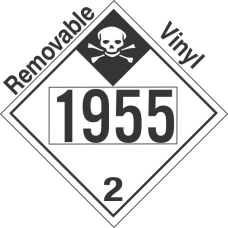
Regular inspection of placards prevents compliance failures. A faded placard is as good as missing.
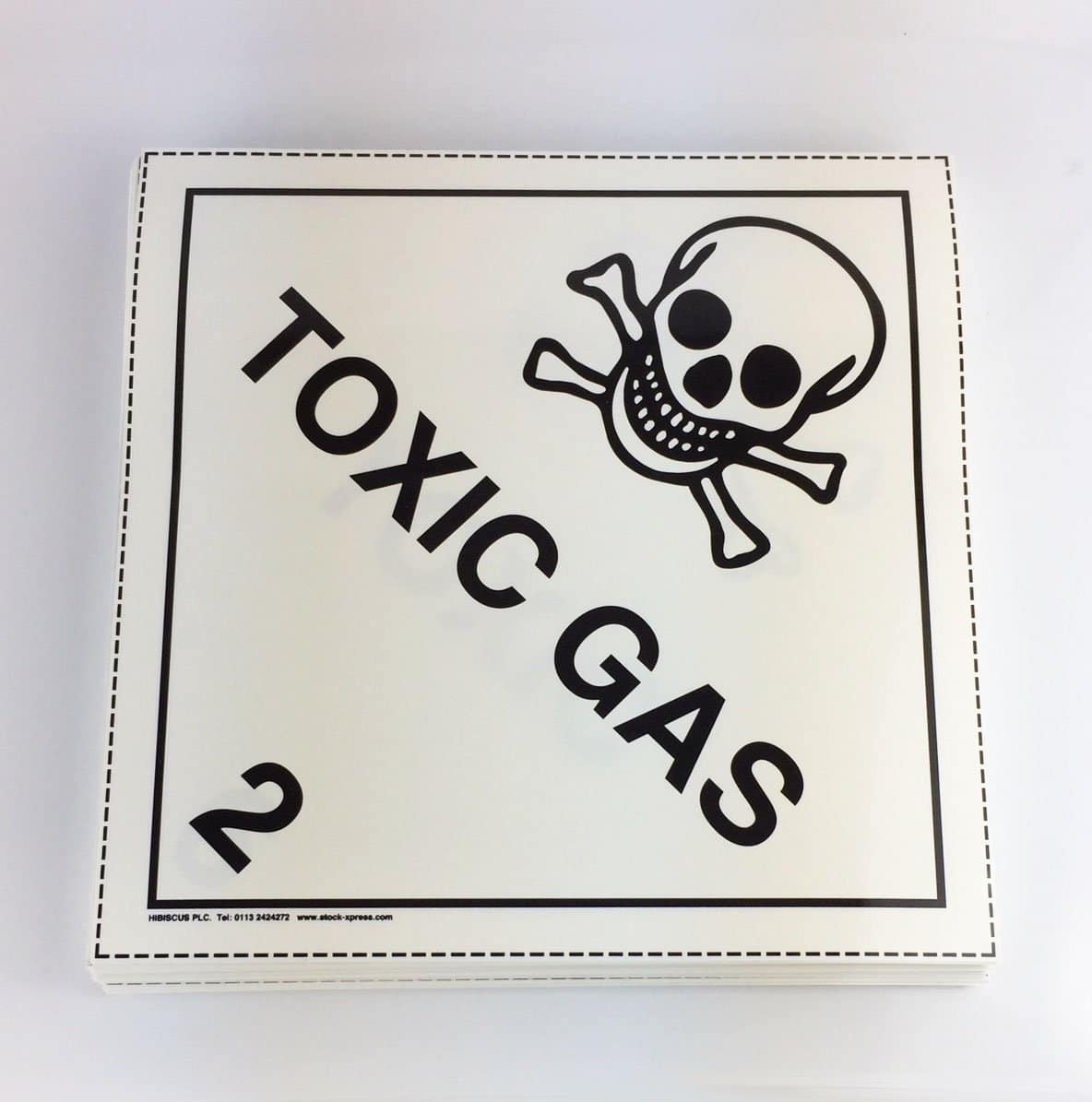
Store spare placards in a clean, dry place. Adhesive failure can ruin a trip quickly.
Never place placards on dirty or wet surfaces. Adhesion depends on a clean base.
International shipments may require dual-language placards. Plan ahead for cross-border transport.
Training drivers on placard rules reduces mistakes. Knowledge is the best safety tool.
The stark white background of the 2.3 placard commands immediate attention. It signals danger without a single word.

Bold black lettering ensures the placard is readable from a distance. Clarity is non-negotiable in emergency response.
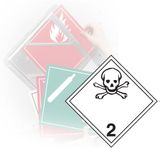
The skull and crossbones symbol is universal. It transcends language barriers to warn of lethal inhalation hazards.
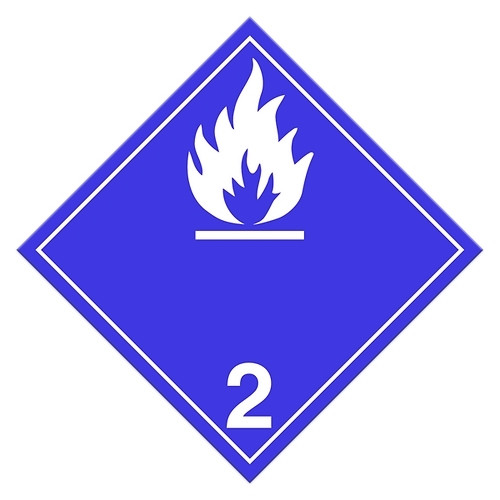
Placement on all four sides of the vehicle guarantees visibility from any angle. No blind spots for danger.
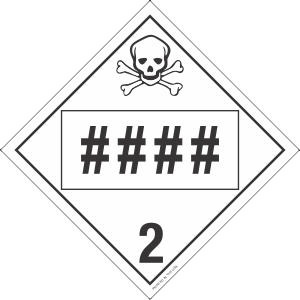
Adhesive vinyl placards offer durability for repeated trips. They resist weather and road grime effectively.
Practical Steps for 2.3 Placard Compliance
How to Apply the Placard Correctly
- Ensure the placard is clean and free of damage before application. A torn or faded placard can lead to fines.
- Place the 2.3 placard on all four sides of the vehicle for maximum visibility. Use adhesive vinyl for long-term use or magnetic for flexible switching.
What to Avoid in Execution
- Never cover the placard with equipment or dirt. It must be fully visible at all times.
- Do not use a generic toxic placard without the correct UN number or wording. Each load may require specific markings.
Maintenance Tips
- Inspect placards before every trip. Replace any that are peeling, fading, or torn.
- Store spare placards in a dry, cool place to prevent adhesive failure. Tagboard versions are good for one-time use only.
Frequently Asked Questions
Do I need a 2.3 placard for a small amount of gas?
Yes, unlike other hazard classes, Division 2.3 placards are required regardless of quantity. Even a single cylinder of chlorine must be placarded.
Can I use a generic toxic placard instead of a 2.3 placard?
No, the placard must specifically display the division number 2.3 and the appropriate hazard symbol. Generic toxic placards do not meet DOT requirements.
What is the difference between ‘INHALATION HAZARD’ and ‘TOXIC GAS’ on the placard?
US regulations require ‘INHALATION HAZARD’ wording, while international standards may use ‘TOXIC GAS’. Always check the destination country’s rules.
Mastering the 2.3 placard is not just about compliance; it is about protecting lives on the road. With the right materials and placement, you ensure safety and avoid penalties.
Next, review your fleet’s placard inventory and order a fresh set of adhesive vinyl placards for long-term reliability. A simple check today prevents a crisis tomorrow.
Imagine a future where every hazardous shipment is clearly marked, reducing accidents and building trust in the supply chain. Your attention to detail makes that vision a reality.
