


You want a custom part made fast, but finding a reliable service feels like a gamble. Ordering 3D printed parts online shouldn’t be a headache. In 2026, you can get a quote in seconds and skip the middleman.
Most people think 3D printing is expensive or only for engineers. The truth is, you can order a single prototype or a small batch for less than a pizza. Let’s cut through the noise and show you exactly how to order 3D prints without overpaying.
How to Order 3D Printed Parts Online in 2026
Uploading your 3D model is the first step. Services like Craftcloud let you compare prices from over 150 providers without signing up. Just upload an STL, OBJ, or STEP file and get instant quotes for FDM, SLA, or SLS printing.
For metal parts, expect costs around $50-$100 per kilogram for standard aluminum or stainless steel. JLC3DP offers parts starting from cents each, making it ideal for prototypes. If you need design help, FDM-Druckservice provides assistance for both private and business clients.
Marketplaces like Etsy connect you with individual makers for decorative items. Just chat your custom order directly. Whether you need one piece or a hundred, the process is faster and cheaper than ever.
| Product | Average Price ($) | Highlight |
| Etsy Makers | $2+ | Custom, unique parts from individual creators. |
| JLC3DP | $0.05+ | Wide range of industrial printing methods, very affordable. |
| Craftcloud | $1+ | Aggregator comparing over 150 global providers. |
| FDM-Druckservice | $5+ | Accessible ordering, design assistance available. |
| 3D-Druckexpress | $10+ | Specializes in rapid prototyping and small series. |
| Hoffmann Additive Manufacturing (Jellypipe) | $15+ | B2B network for precise industrial components. |
| Protolabs | $20+ | Fast turnaround for prototypes and production parts. |
| Xometry | $25+ | Large network for custom manufacturing, wide material options. |
| Shapeways | $30+ | Extensive material selection, good for complex designs. |
| Hubs | $35+ | Global network, strong focus on industrial applications. |
WHAT REALLY WORKS
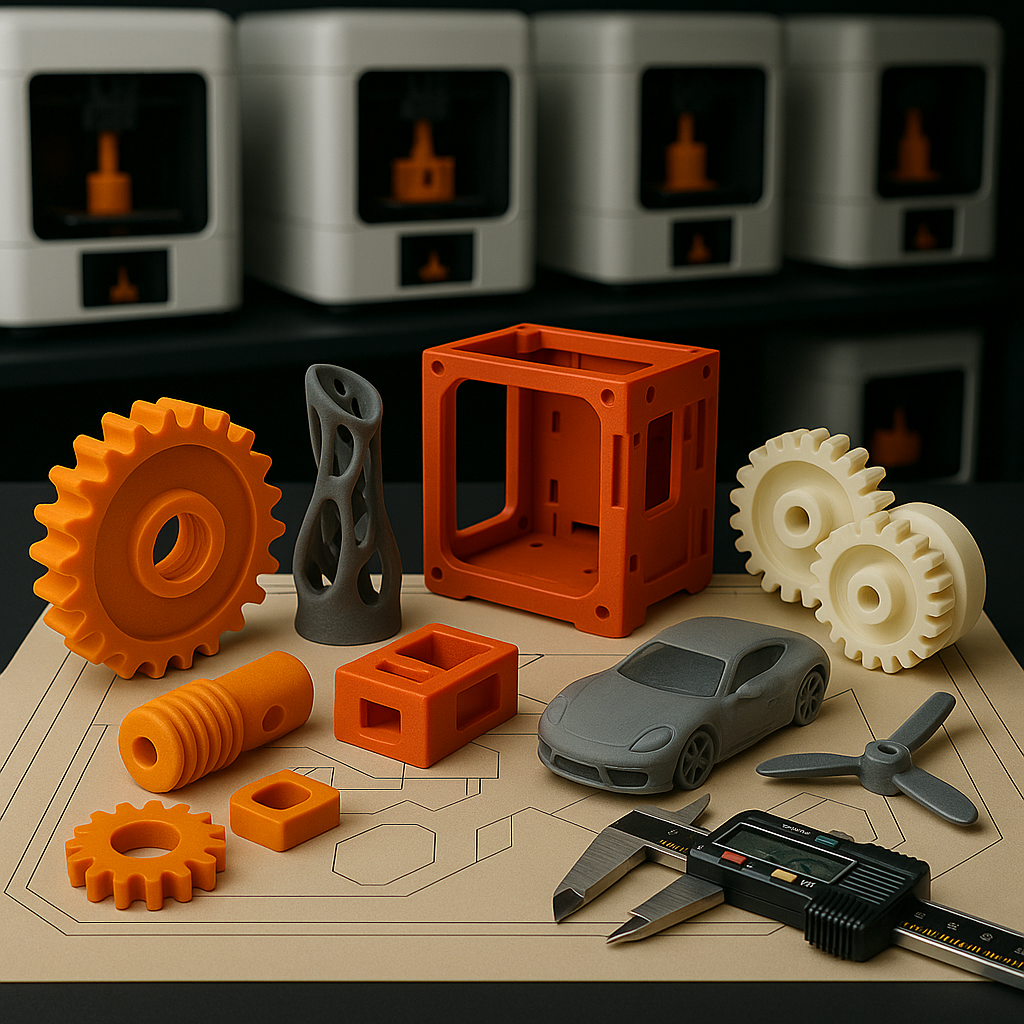
Ordering 3D printed parts online is simpler than ever. You upload your 3D model, usually in STL or STEP format. The service then uses this file to create your custom part. This process is great for prototypes or specific needs.
The cost depends on many factors. These include the printing technology used (like FDM or SLA), the material chosen (plastic or metal), and how detailed the print needs to be. Complex designs or rare materials cost more.
Instant 3D Print Quote for Your Design
To get the best instant 3D print quote, know what you need. Choose your material carefully. Decide on the level of detail required. Compare offers from different services to find the best price for your specific project.
1. Etsy Makers
Find individual makers who offer custom 3D printing services. You can often chat directly with the creator to get exactly what you want. This is perfect for unique items or hobbyist parts.
Average Price: $2+
Practical Tip: Great for personalized gifts or small, one-off projects where direct communication is key.
2. JLC3DP
This service offers a vast array of industrial printing methods. It is known for its very competitive pricing, starting at just a few cents per part. They handle everything from simple to complex orders.
Average Price: $0.05+
Practical Tip: Ideal for cost-effective production runs or testing many design iterations without high expense.
3. Craftcloud
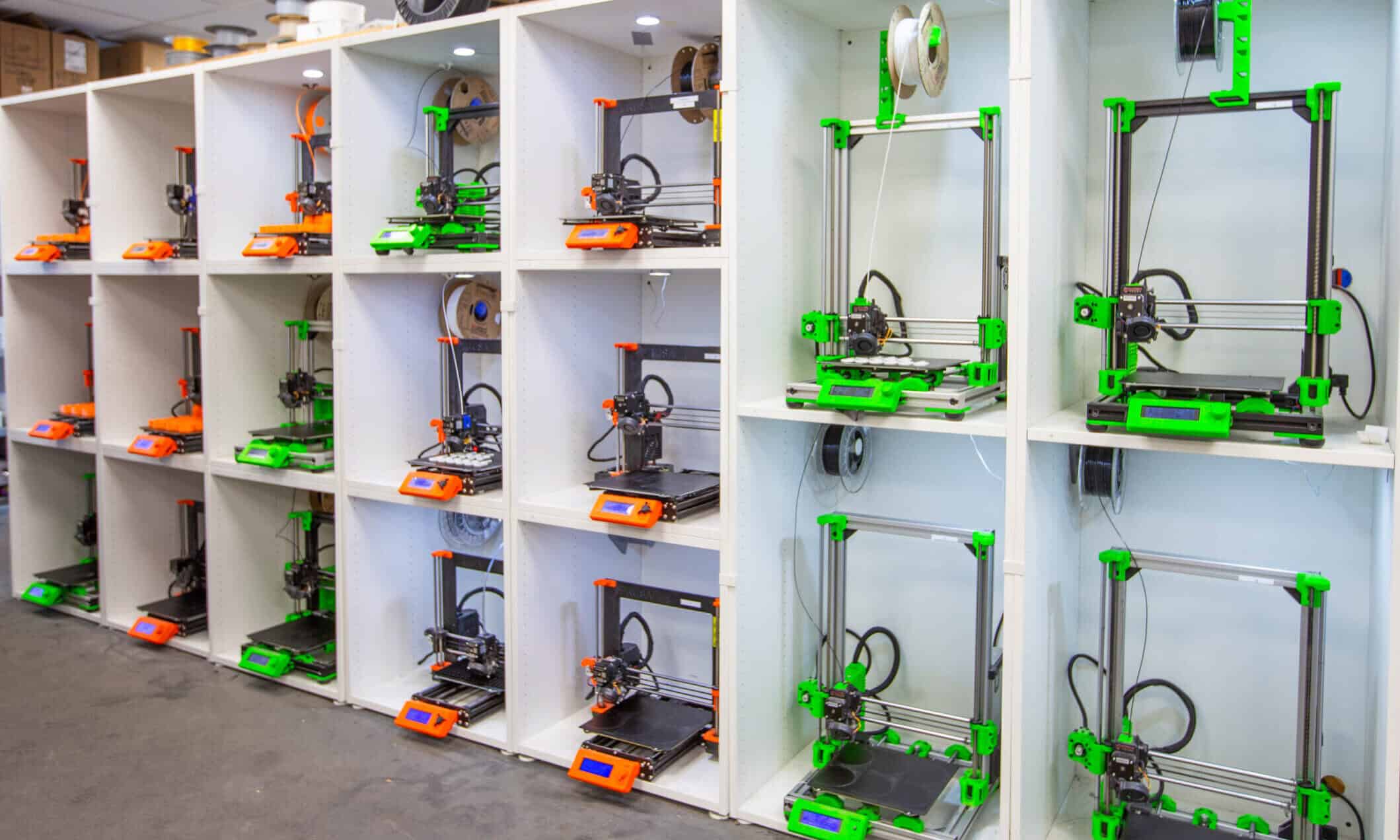
Craftcloud acts as a comparison tool. It shows prices from over 150 global 3D printing providers. You can find competitive pricing without needing to register first.
Average Price: $1+
Practical Tip: Use this to quickly see the market price for your specific 3D model and choose the cheapest option.
4. FDM-Druckservice
This service makes ordering easy for everyone, from individuals to businesses. They even provide design assistance if your model needs adjustments. It’s a user-friendly option for many projects.
Average Price: $5+
Practical Tip: Good for those new to 3D printing who might need help with their design file.
5. 3D-Druckexpress
They focus on fast prototyping and making small batches of parts. If you need something quickly for testing or a limited production run, this service is a strong choice.
Average Price: $10+
Practical Tip: Excellent for getting functional prototypes made in a short amount of time.
6. Hoffmann Additive Manufacturing (Jellypipe)
This is a business-to-business network. It focuses on creating precise industrial components. They connect you with manufacturers for high-quality parts.
Average Price: $15+
Practical Tip: Best for professional applications requiring high accuracy and industrial-grade materials.
7. Protolabs
Protolabs is known for its speed. They offer quick turnaround times for both prototypes and larger production runs. Their automated systems provide fast quotes.
Average Price: $20+
Practical Tip: Use when you need parts very quickly and want a reliable, high-quality output.
8. Xometry
Xometry has a large network for custom manufacturing. They offer many material options and printing technologies. It’s a versatile service for diverse project needs.
Average Price: $25+
Practical Tip: Great for projects needing specific materials or advanced printing techniques not widely available.
9. Shapeways
Shapeways provides an extensive selection of materials. They are well-suited for printing complex designs. You can create intricate and detailed parts with confidence.
Average Price: $30+
Practical Tip: Ideal for designers and engineers working on complex geometries or intricate models.
10. Hubs
Hubs is a global network with a strong emphasis on industrial uses. They connect you with manufacturers capable of producing high-volume and high-precision parts.
Average Price: $35+
Practical Tip: Suitable for businesses needing reliable partners for ongoing production or specialized industrial components.
WHICH ONE TO BUY TODAY? (VERDICT)
For the best value, JLC3DP is hard to beat. It offers industrial printing methods at incredibly low prices. This makes it perfect for testing designs or producing parts economically.
If you are investing in critical industrial components or complex prototypes, services like Xometry or Hubs offer a wider range of capabilities. They ensure high quality and reliability for demanding applications.
Your 3D Print Arrived: Now What?
Inspect the part immediately under good light. Look for layer separation, warping, or rough spots that might affect function.
First-Time Handling Checklist
- Check dimensions: Use calipers to compare critical measurements against your CAD file. Even a 0.2mm error can ruin a fit.
- Remove supports carefully: Use flush cutters for FDM prints; soak SLA prints in warm water to soften supports before trimming.
- Clean off residue: Wash SLA parts in isopropyl alcohol. For FDM, a quick sanding with 220-grit paper removes layer lines.
Common Mistakes to Avoid
- Skipping post-curing: SLA prints need UV curing for full strength; otherwise they remain tacky and brittle.
- Over-tightening fasteners: 3D printed threads strip easily. Use a threaded insert or just snug the screw by hand.
- Ignoring hygroscopy: Nylon and PETG absorb moisture from air, causing swelling. Store them in a dry box with silica gel.
If the part has visible pinholes or delamination, contact the service within 48 hours. Most reputable printers offer a reprint guarantee for defects.
Frequently Asked Questions
- What file formats are best for ordering?
STL is universal for geometry, but STEP preserves exact dimensions and tolerances. Always export in millimeters and set units correctly before upload.
- How long does shipping usually take?
Standard FDM orders ship in 3-5 business days; metal prints can take 10-15 days. Express options cut that in half but cost 30-50% more.
- Can I order a single prototype or only in bulk?
Most services accept single parts with no minimum. The price per unit drops significantly at 10+ pieces, especially for SLS nylon.
Ordering 3D prints in 2026 is faster and cheaper than ever, but success still depends on preparation. Double-check your model for watertight geometry and proper wall thickness before hitting submit.
Now that you know the process, try uploading a simple test part to a service like Craftcloud or JLC3DP. Compare quotes for FDM versus SLS to see which technology fits your budget and strength needs.
The future of manufacturing is at your fingertips. With the right material and finish, your custom part can look as polished as an injection-molded piece.
