


Think buying an old domain with a high Domain Authority will instantly boost your rankings? That’s a common myth that can cost you big. In 2026, Google’s algorithms are smarter than ever, and a bad domain purchase can actually hurt your site.
The real value of buying domains for SEO comes from careful research and a smart strategy. It’s not about grabbing any expired domain; it’s about finding one with a clean, relevant backlink profile that can give your new site a genuine head start.
Why Aged Domains Still Matter for SEO in 2026
Aged domains with strong, relevant backlinks can help a new site bypass the ‘sandbox’ period and gain trust faster. But you must do your homework using tools like Ahrefs and SEMrush to check the backlink quality and domain history.
Always review the domain’s past content on the Wayback Machine to avoid buying a site that was penalized for spam or irrelevant topics. A clean history and links from authoritative sources like .gov or .edu are gold.
Buying Domains for SEO in 2026: A Smart Investment
The landscape for buying domains for SEO has changed. Focus now is on quality and authority, not just keywords in the URL.
| Item | Average Cost (2026 USD) | Notes |
| New Domain Registration | $10 – $20/year | Standard annual fee. |
| Aged/Expired Domain | $100 – $5,000+ | Price varies by age, backlinks, and history. |
| Domain History Check Tools (Annual) | $100 – $500+ | SEMrush, Ahrefs subscriptions are crucial. |
| 301 Redirect Setup | $0 – $100 | Often free via hosting; some expert help may cost. |
| Domain Authority Score (Third-Party) | N/A | This is an indicator, not a direct cost. |
Aged Domains for SEO
Buying aged domains for SEO is a smart move. These domains have a history. They often come with established backlinks. This helps new sites grow faster. It bypasses the initial slow period.
Checking Domain History

Always check domain history before buying. Use tools like the Wayback Machine. This shows past content. It helps avoid domains with bad reputations. Penalties from search engines can hurt your site.
Read also: Buying Websites in 2026: How to Get a Profitable Site for Under $10K
Backlink Profile Analysis
Analyze the backlink profile carefully. Look for links from good websites. Avoid domains with many spammy links. A clean profile transfers more value. This is key for SEO domain strategy.
Domain Authority Score
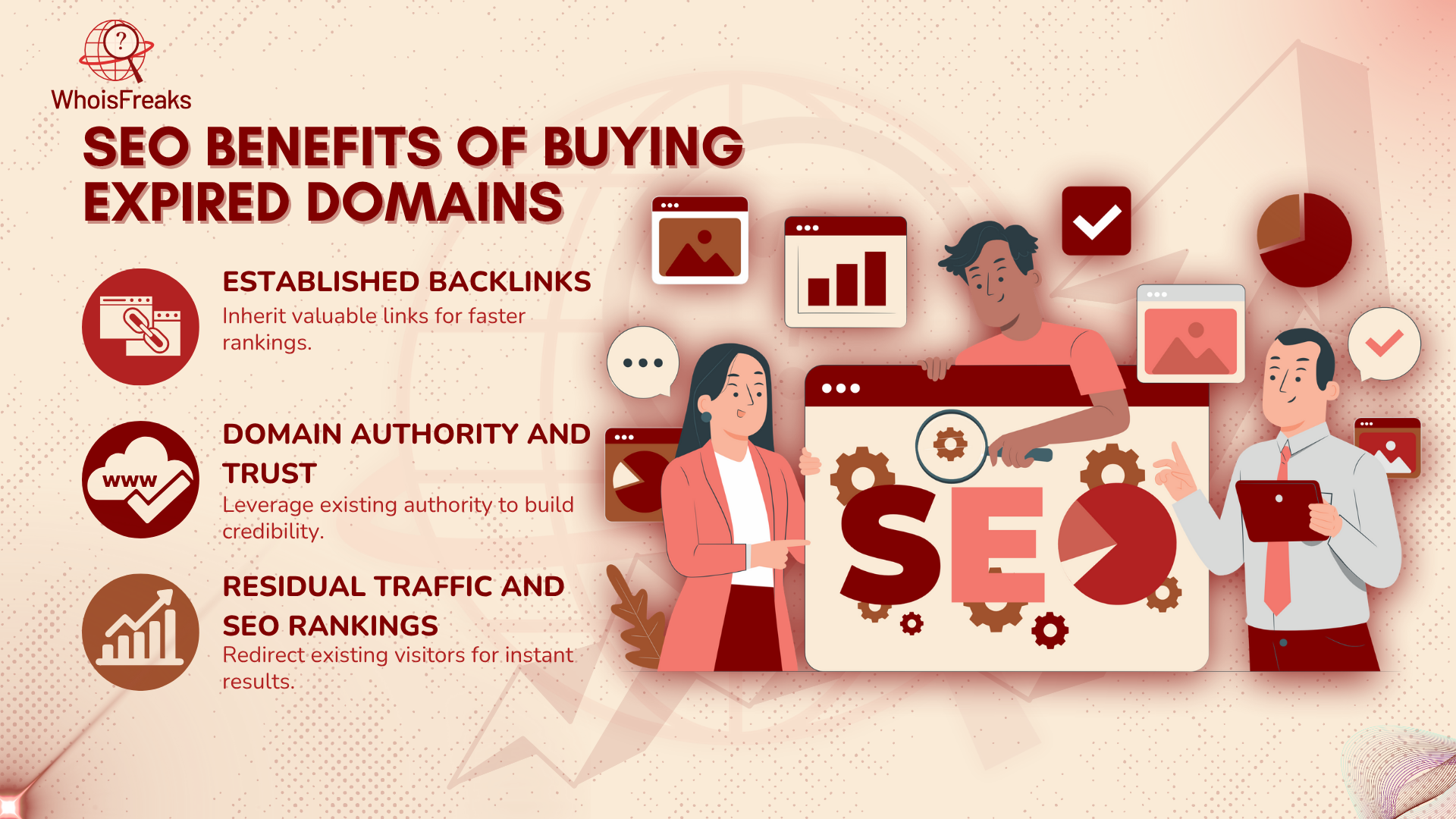
Understand the Domain Authority score. It is a third-party metric. It shows a domain’s potential strength. A higher score is generally better. But it is not the only factor.
Keyword Rich Domains
Keyword rich domains are less important now. Search engines focus on content quality. Having keywords in your domain name is not a main ranking factor. Focus on a memorable brand name instead.
301 Redirects and Link Juice
Use 301 redirects properly. This passes ‘link juice’ from old to new. It tells search engines the page moved permanently. This preserves SEO value. It is essential for domain acquisition.
Read also: Buying and Selling Expired Domains: How to Profit Without Getting Burned
Choosing the Right TLD
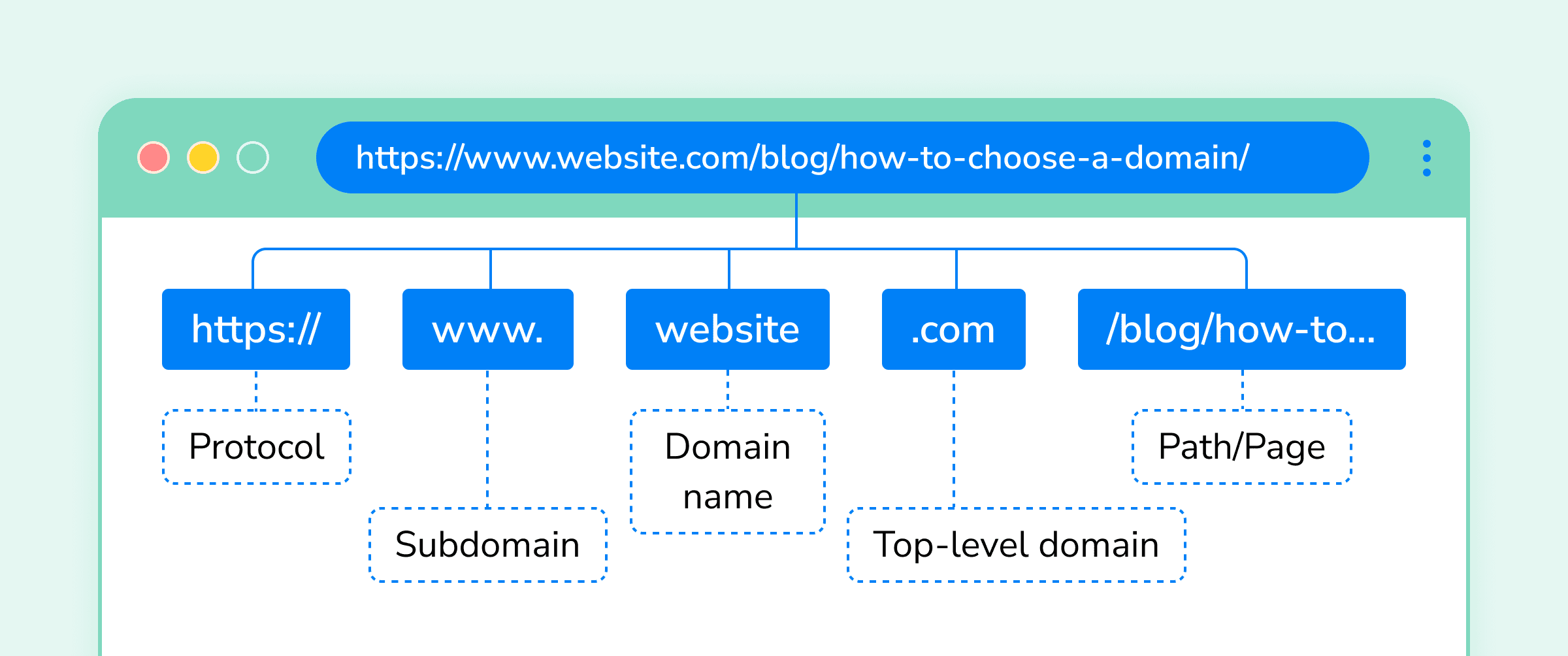
The Top-Level Domain (TLD) still matters. A .com is widely recognized. Country-specific TLDs like .ca help local SEO. Choose a TLD that fits your target audience. This impacts how users perceive your site.
Domain Marketplaces and Auctions
Find aged domains on marketplaces. Sites like Sedo and GoDaddy Auctions list them. Be patient and do your research. Domain auctions can be competitive. Set a budget and stick to it.
The Verdict on Domain Buying
Buying domains for SEO can work. Focus on aged domains with good history. Prioritize content and user experience. Avoid buying domains just for keywords. Protect your brand by buying variations. This is a sound defensive strategy. For more on domain names and SEO, check out GoDaddy’s SEO resources. Also, consider discussions on Webmasters Stack Exchange.
Read also: Where to buy a PBN domain name that won’t get you penalized
Your 3-Step Domain Action Plan
Step 1: Audit Before You Buy
Never purchase a domain without checking its backlink profile first. Use Ahrefs or SEMrush to spot toxic links that could drag your site down.
Step 2: Verify the Domain’s History
Run the domain through the Wayback Machine to see what content it hosted. Avoid domains previously used for spam or irrelevant topics.
Step 3: Redirect Strategically
Set up 301 redirects from the old domain to your new site’s most relevant pages. This passes link equity and preserves any existing traffic.
Frequently Asked Questions
Is buying an expired domain still worth it in 2026?
Yes, but only if the domain has high-quality backlinks from reputable sources. A clean history and relevant niche are essential to avoid penalties.
What is the best TLD for SEO?
.com remains the most trusted TLD globally, but country-specific TLDs like .ca can boost local rankings. Choose based on your target audience.
How much should I spend on an aged domain?
Prices range from $50 for low-authority domains to thousands for premium ones. Set a budget based on the domain’s DA and backlink quality.
Buying the right domain can give your SEO a powerful head start, but only if you do your homework. Prioritize quality backlinks and a clean history over keyword-rich URLs.
Ready to find your domain? Start with a thorough audit using tools like Ahrefs and explore marketplaces like Sedo or GoDaddy Auctions.
Imagine your new site rising through search results, built on a foundation of trusted digital equity. That is the power of a smart domain acquisition.
