

You just spent $200 on a fine for not having a construction in progress sign. A simple piece of metal could have saved you that money and a headache. OSHA requires these signs, but most people pick the wrong type and get hit with penalties.
Don’t let a missing sign cost you time and cash. The right sign keeps workers safe and inspectors happy. We’ll show you exactly what to buy and where to put it so you never pay a fine again.
Work in Progress Signs: Safety and Compliance Made Simple
Construction in progress signs fall into four categories: Danger, Warning, Caution, and Notice. Danger signs are red and white for immediate life-threatening hazards. Warning signs are orange for serious injury risks. Caution signs are yellow for minor to moderate injuries. Notice signs are blue or green for general information.
Most job sites need a mix of these. For example, a caution construction in progress sign works near active work zones, while a construction warning sign fits near heavy equipment. OSHA mandates that signs match the hazard level. Using a Caution sign where Danger is needed can lead to fines up to $13,653 per violation.
Signs of Safety: Navigating Worksite Clarity in 2026
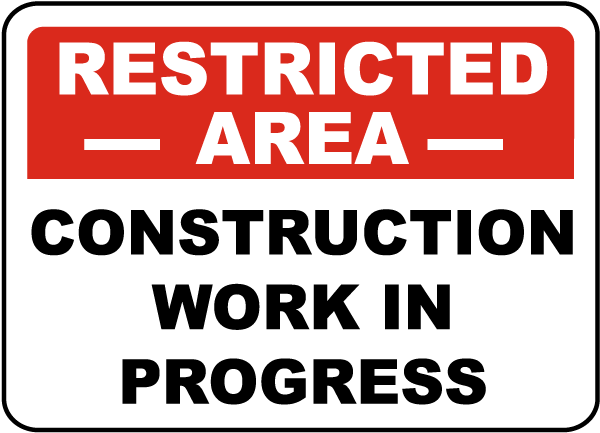
Construction in progress signs are vital for safety. They warn everyone about ongoing work. This keeps people safe from accidents. In 2026, these signs are still a must-have. They follow rules from OSHA and ANSI.
| Sign Type | Average Cost (USD) | Typical Material | Visibility Feature |
| Caution Sign | $15 – $30 | Aluminum | Reflective Film |
| Warning Sign | $25 – $50 | Polyethylene | High-Intensity Reflective |
| Danger Sign | $30 – $60 | Aluminum | Diamond Grade Reflective |
| Informational Sign | $10 – $25 | Vinyl/Plastic | Standard Reflective |
Know the Rules: OSHA Compliance Basics
OSHA construction signs are required by law. They ensure workers and the public know about dangers. Following these rules prevents fines. It also protects lives on the job site. Understanding these basics is the first step to a safer site. This leads us to how signs must look.
Look Sharp: ANSI Construction Signs Design Standards
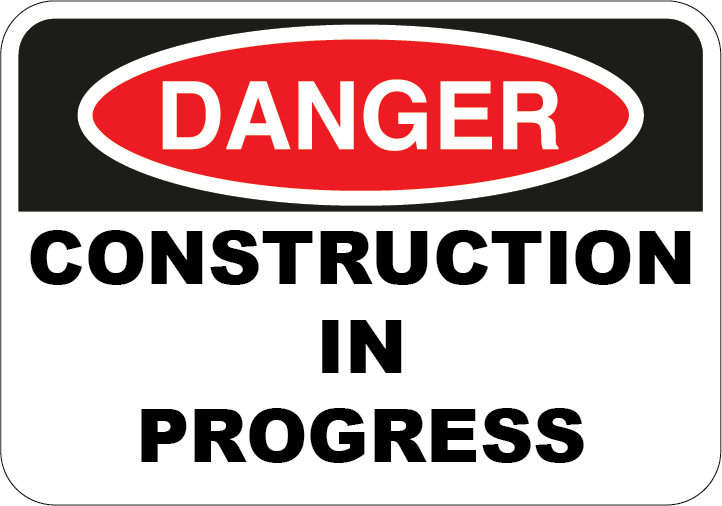
ANSI construction signs set the visual rules. They dictate colors and symbols. This makes signs easy to understand quickly. Clear design prevents confusion. It ensures everyone gets the safety message. Good design works hand-in-hand with language.
Speak Clearly: Bilingual Construction Signs Legal Requirements
Many sites have diverse workers. Bilingual construction in progress signs are often needed. This ensures everyone understands the warnings. It’s about inclusivity and safety for all. Legal requirements may demand them. This helps avoid misunderstandings and accidents. Next, we look at where signs go.
Be Seen: Temporary Traffic Control Signs Placement Tips
Temporary traffic control signs guide drivers. Proper placement is key for effectiveness. They must be visible from a distance. This warns drivers well before they reach the work zone. It helps manage traffic flow safely. Poor placement can cause confusion or accidents. Think about visibility for all drivers. This includes materials that last.
Built to Last: Job Site Safety Signs Material Durability
Job site safety signs need to endure weather. Materials like aluminum resist rust. Polyethylene is lightweight and strong. Vinyl labels work for temporary needs. Durable signs last longer. This saves money over time. It also ensures safety messages stay visible. Tough materials mean reliable safety. Now, let’s talk about colors.
Color Code: Construction Hazard Signs Color Coding
Construction hazard signs use specific colors. Red means danger. Orange means warning. Yellow means caution. Black and white are for information. This color system is globally recognized. It helps people react faster to risks. Color coding is a universal safety language. It makes hazard identification immediate. This leads to specific types of signs.
Shine Bright: Caution Construction Signs Reflectivity Options
Caution construction signs need to be seen at night. Reflective films make them visible. High-grade films work best. They reflect headlights clearly. This is crucial for nighttime work. It prevents accidents in low light. Good reflectivity is a non-negotiable safety feature. Always check the reflectivity rating. This helps us understand the message.
Get the Point: Construction Warning Signs Message Clarity
Construction warning signs must be direct. The message should be short and clear. Avoid jargon or complex sentences. People need to grasp the risk fast. Clear messages lead to safer actions. Ambiguous signs can cause dangerous mistakes. Ensure the text is easy to read. This ensures the warning is effective. Now, let’s consider the big picture.
The Final Word: Your Safety Sign Strategy
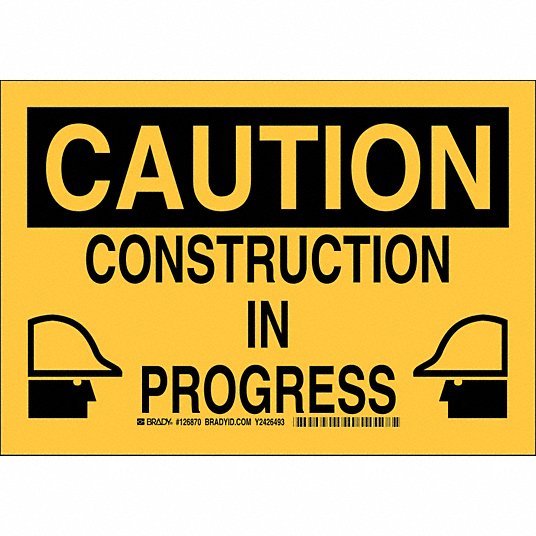
Choosing the right construction in progress sign matters. It’s not just a piece of plastic. It’s a critical safety tool. Always follow OSHA and ANSI guidelines. Think about your specific site hazards. Consider the materials and visibility needed. For a wide selection, check out SafetySign.com. For specific caution signs, BradyID.com offers good options. Invest in clear, durable signs. Your workers’ safety depends on it. Make safety your top priority.
Your 3-Step Action Plan for Choosing the Right Sign
Step 1: Assess the Hazard Level
Walk your site and identify the most serious risk. Match it to the correct sign category: Danger for immediate threats, Warning for serious injury potential, Caution for minor risks.
Step 2: Choose the Right Material and Visibility
For permanent outdoor signs, select rust-free aluminum with reflective film. For temporary jobs, use lightweight polyethylene or adhesive vinyl.
Step 3: Install Correctly and Comply
Mount signs at eye level using pre-drilled holes or strong adhesive. Ensure they are visible from all approaches and meet OSHA and ANSI standards.
Frequently Asked Questions
Do I need a Danger sign or a Warning sign?
A Danger sign is for immediate hazards that will cause serious injury or death. A Warning sign is for hazards that could cause serious injury but are not immediately life-threatening.
Can I reuse a construction sign on another project?
Yes, if the sign is made of durable material like aluminum and the message still applies. Check for fading, damage, or outdated information before reusing.
Are bilingual signs required by law?
OSHA does not mandate bilingual signs, but they are highly recommended for sites with non-English speaking workers. Many local jurisdictions now require them to ensure effective communication.
Choosing the correct construction in progress sign is a simple yet vital step in protecting your crew and the public. By following OSHA and ANSI guidelines, you ensure compliance and reduce liability.
Now, assess your site today and order the appropriate signage. Your next step is to review your current inventory and replace any worn or incorrect signs.
Imagine a worksite where every hazard is clearly communicated, and every worker returns home safely. That vision starts with the right sign in the right place.
