


You hand someone a flimsy card and it bends before they even read your name. That first impression is gone in a second. A professional business card is your brand in someone’s hand, and it needs to feel solid and look sharp.
In 2026, a card that feels cheap tells people you cut corners. You want a card that demands respect and gets kept, not tossed. The right paper stock and finish make all the difference.
Premium Business Cards: Thick Stock and Designer Finishes for a Lasting Impression
Standard cards are 14pt, but premium business cards start at 16pt and go up to 32pt for that ultra-thick, luxury feel. Thick cards signal quality and durability, so they don’t get bent or discarded.
Finishes like matte, glossy, spot UV, and foil add texture and visual pop. Matte is elegant and non-reflective, while spot UV creates a raised gloss on logos or text. Foil accents in gold or silver catch light and say ‘premium.’
| Product | Average Price ($) | Highlight |
|---|---|---|
| Basic Business Cards | 20-50 | Affordable and functional for everyday use. |
| Standard Matte Finish Cards | 30-70 | Offers a clean, professional look without glare. |
| Glossy Finish Cards | 30-70 | Vibrant colors and a shiny, modern feel. |
| Spot UV Business Cards | 50-120 | Adds a raised gloss to specific areas for emphasis. |
| QR Code Business Cards | 50-150 | Includes a QR code for easy digital access. |
| Thick Business Cards (18pt-24pt) | 60-180 | Substantial feel, conveying quality and durability. |
| Foil Business Cards | 80-200 | Metallic accents add a touch of luxury and sophistication. |
| Designer Business Cards | 100-250 | Unique designs, often with premium paper and finishes. |
| Luxe Business Cards (32pt+) | 150-300 | Extra thick, often with layered edges for a premium feel. |
| Custom Printed Business Cards (Premium) | 200-400+ | Fully customized design, paper, and finishes for a unique brand statement. |
WHAT REALLY WORKS
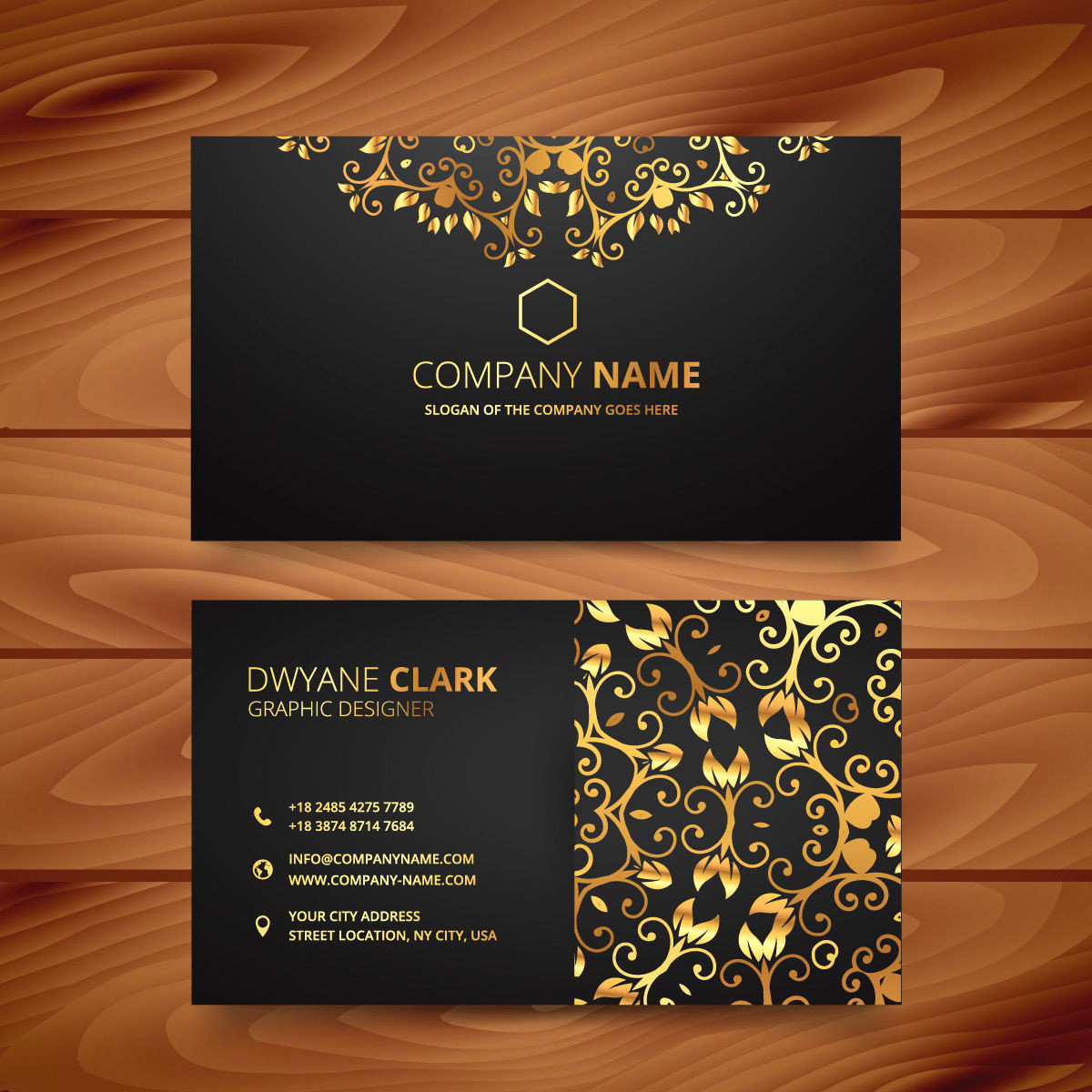
Professional business cards are more than just contact info. They are mini billboards for your brand. A good card feels substantial in hand. This tells people you are serious about your business. Standard US size is 3.5′ by 2′. This is the most common size.
Consider the paper thickness. 14pt is standard, but 16pt or 18pt feels much better. For a real premium feel, look at 32pt or thicker cards. These are sometimes called ‘thick business cards’. Finishes also matter. Matte is elegant. Glossy is bright. Spot UV adds shine to specific parts.
Premium Business Cards for a Lasting Impression
Choosing the right card depends on your brand. A lawyer might want a classic, thick card with a matte finish. A graphic designer might choose a modern business card with spot UV or foil accents. Always ensure your design is clear and easy to read. Use high-resolution logos. Make sure your contact details are accurate. Remember, this card represents you.
Read also: Stop Buying Multiple SSLs: One Wildcard SSL Covers All Subdomains
1. Basic Business Cards
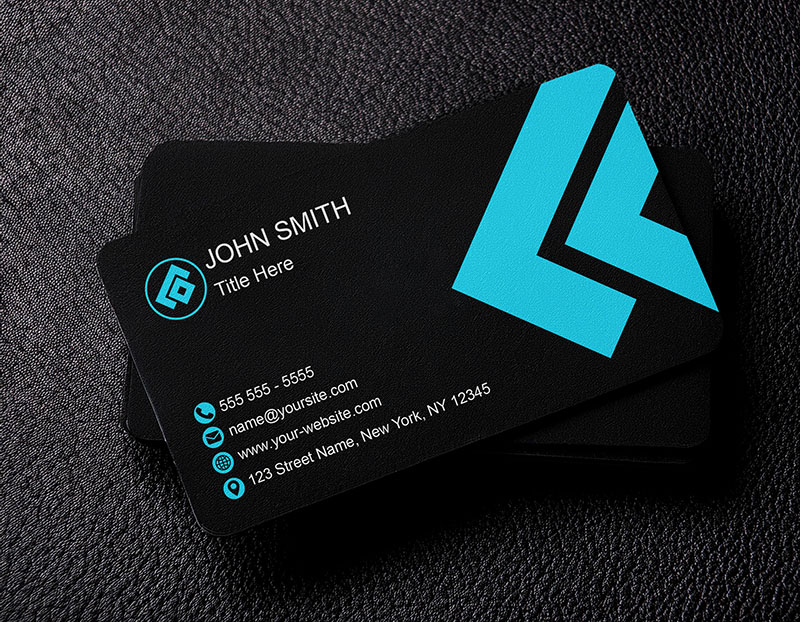
These cards are the most budget-friendly option. They typically use a standard 14pt cardstock. The finish is usually a simple matte or gloss. They are perfect for mass distribution.
Average Price: $20-50 for 500 cards.
Practical Tip: Use these for networking events where you hand out many cards. Keep the design simple and clear.
2. Standard Matte Finish Cards
These cards offer a non-reflective surface. This makes them easy to read in any light. They feel smooth and sophisticated. They provide a clean, professional appearance.
Read also: Best Zebra Printers for Sale: Which One Really Works?
Average Price: $30-70 for 500 cards.
Practical Tip: Ideal for most professional settings. They avoid fingerprints and glare.
3. Glossy Finish Cards
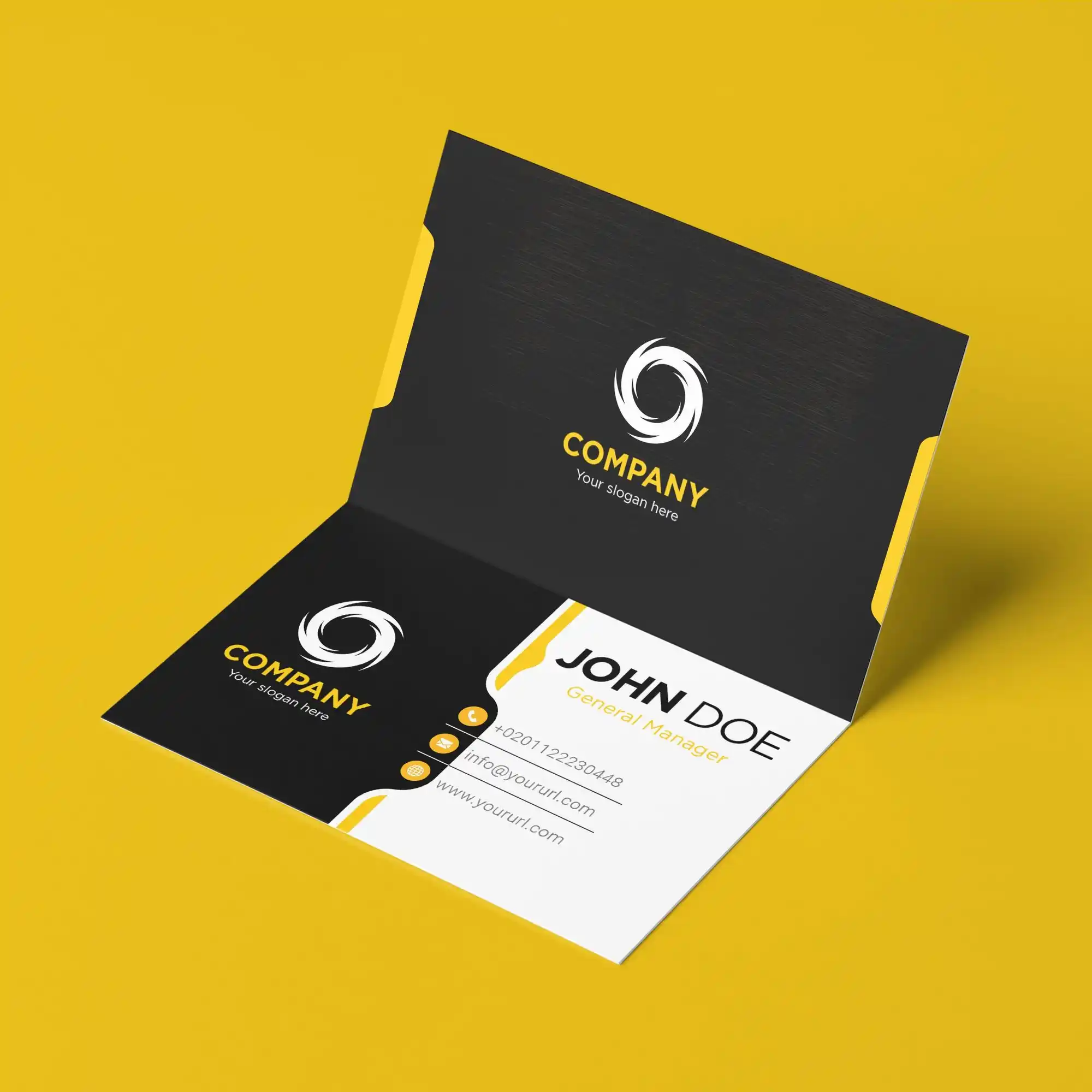
A glossy finish makes colors pop and adds shine. These cards look vibrant and modern. They can be very eye-catching. They give a bright, high-contrast look.
Average Price: $30-70 for 500 cards.
Practical Tip: Good for businesses that want to convey energy or a bold style.
4. Spot UV Business Cards
Spot UV adds a clear, raised gloss to specific design elements. This creates a tactile contrast. It highlights your logo or name. This finish adds a touch of premium detail.
Average Price: $50-120 for 500 cards.
Practical Tip: Use this on your logo or key contact details for a professional touch.
5. QR Code Business Cards
These cards include a QR code. Scanning the code can link to your website or social media. It bridges the physical and digital worlds. QR code business cards are very convenient.
Average Price: $50-150 for 500 cards.
Practical Tip: Ensure the QR code is large enough and tested to scan easily.
6. Thick Business Cards (18pt-24pt)
Using heavier cardstock makes these cards feel more substantial. They are more durable than standard cards. This thickness conveys quality. They leave a strong, lasting impression.
Average Price: $60-180 for 500 cards.
Practical Tip: A great choice for service professionals who want to appear established.
7. Foil Business Cards
Foil stamping adds metallic accents in gold, silver, or other colors. This creates a luxurious and elegant look. It stands out from standard printing. Foil business cards are very eye-catching.
Average Price: $80-200 for 500 cards.
Practical Tip: Use foil sparingly on your logo or name for maximum impact.
8. Designer Business Cards
These cards often feature unique layouts or artistic elements. They might use special paper stocks or finishes. They are meant to be memorable. Designer business cards reflect creativity.
Average Price: $100-250 for 500 cards.
Practical Tip: Best for creative professionals, artists, or brands with a strong visual identity.
9. Luxe Business Cards (32pt+)
These are extra-thick cards, often with multiple layers. They have a very significant weight and feel. This is the ultimate in premium business cards. They communicate high value and prestige.
Average Price: $150-300 for 500 cards.
Practical Tip: Ideal for luxury brands or executives who want to make a statement.
10. Custom Printed Business Cards (Premium)
This category covers fully bespoke designs. You can choose unique shapes, special inks, and custom finishes. It’s a completely personalized product. These cards offer ultimate brand customization.
Average Price: $200-400+ for 500 cards.
Practical Tip: Work with a reputable business card printing service to bring your unique vision to life. See UPrinting for options.
WHICH ONE TO BUY TODAY? (VERDICT)
For the best value, standard matte finish cards or thick business cards in the 18pt range offer a great balance. They feel professional without breaking the bank. Services like Canva and Staples offer good quality at reasonable prices for these options.
The best investment for a lasting impression is often a custom printed business card with a premium finish like spot UV or foil on thick cardstock. Brands like Moo specialize in these higher-end options. These cards communicate a level of quality and attention to detail that can significantly boost your brand perception.
Read also: Upload Business Cards Without Mistakes: The Easy Way
Your Card Has Arrived. Now What?
Open the box and inspect every card under good lighting. Look for smudges, misalignment, or color shifts from your proof.
Run your finger across the surface to feel the finish. A premium card should feel smooth and substantial, not flimsy or rough.
Check the Details
- Verify your name, title, and contact info are spelled correctly.
- Hold the card at arm’s length to confirm text is readable.
- Scan the QR code with your phone to ensure it links to the right page.
Test the Durability
Bend a sample card gently. It should flex slightly but return flat without a crease.
Rub the edge with a fingernail to see if the ink chips. Quality printing bonds to the paper.
Store Them Right
Keep cards in a hard case or metal holder to prevent bending. Avoid loose pockets or bags where they scratch.
Order a small test batch first. That way you can fix any issues before printing hundreds.
Frequently Asked Questions
What if the colors look different from my screen?
Monitors display RGB colors, while printers use CMYK, which can cause slight shifts. Request a physical proof before the full run to ensure accuracy.
Can I reuse the same design for a digital version?
Yes, but you may need to adjust the file size and resolution for screens. Use a PDF or PNG at 72 dpi for digital sharing.
How many cards should I order for networking events?
Order at least 200 to cover a few events and daily exchanges. Print extras for your team to maintain brand consistency.
You now have the tools to order business cards that command attention and build trust. A well-made card is a silent ambassador for your brand.
Next, update your LinkedIn profile to match your card’s design. Consistency across digital and print doubles your professional impact.
Imagine handing a card that feels like a piece of art. That tactile memory stays with the person long after the conversation ends.
