


Buying a website can feel like a gamble. You worry about hidden problems or overpaying for a dud. But the truth is, with the right steps, you can buy a profitable online business that pays for itself.
Many women assume this is too complicated or only for tech guys. That’s a myth. In 2026, buying a website is as practical as buying a rental property, and often way cheaper to start.
How to buy an online business the smart way
There are two main ways to buy a website. You can purchase an established business that already makes money, or you can buy a ready-made site and build it up yourself. The first option costs more upfront but gives you instant cash flow. The second is cheaper but needs your time and effort to grow.
Marketplaces like Flippa and Empire Flippers are where most people start. Flippa has thousands of listings, from small blogs for $500 to e-commerce stores for $50,000. Empire Flippers vets every business for you, so you know the traffic and revenue numbers are real. Their average sale price is around $30,000 to $300,000.
For smaller budgets, Motion Invest offers curated content sites for $5,000 to $25,000. They do the due diligence upfront, which saves you headaches. Always check the seller’s Google Analytics and profit & loss statements yourself. Use tools like Ahrefs to verify backlinks and search traffic.
Buying Websites in 2026: Your Digital Real Estate Guide
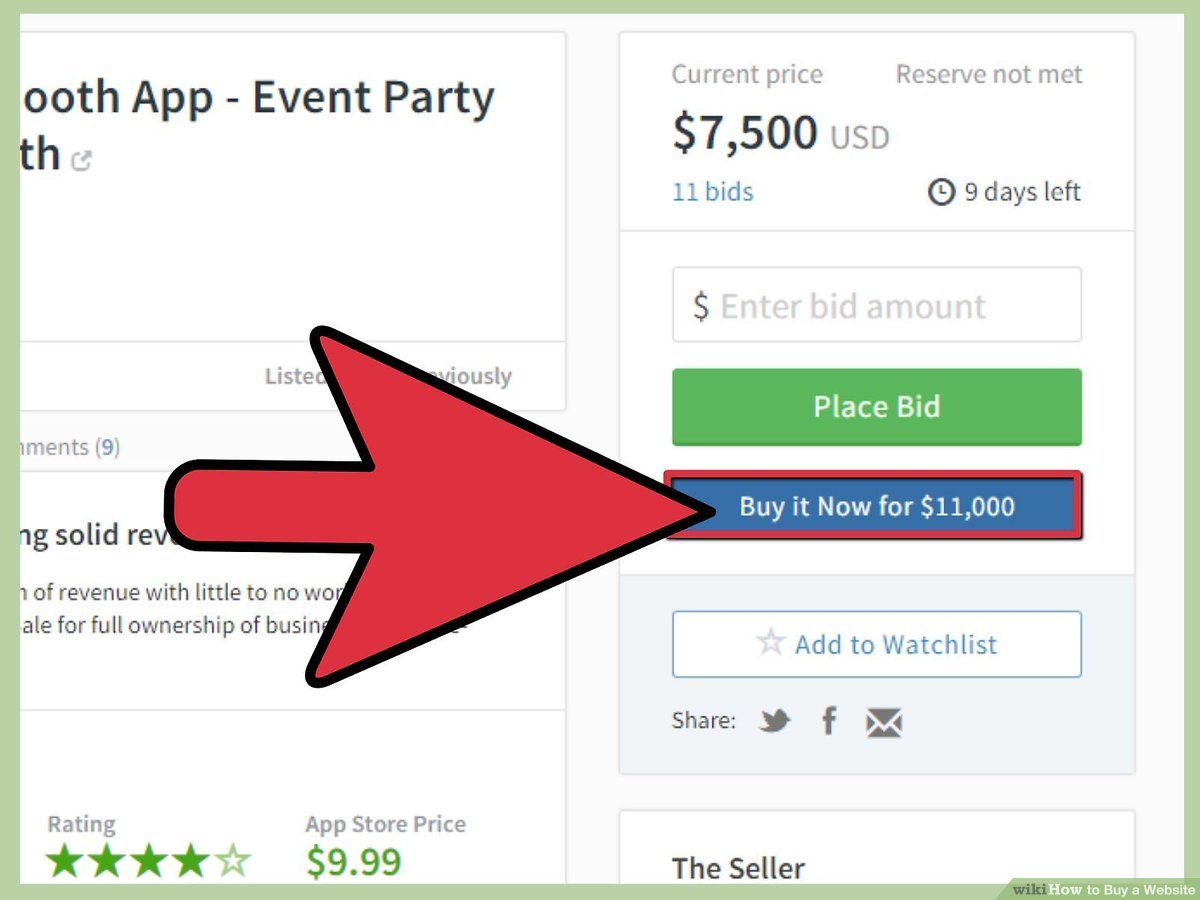
In 2026, buying websites splits into two main paths. You can buy established sites making money. Or you can buy new sites built for you. Established sites are digital real estate. They trade on special online places. Flippa is the biggest marketplace. You find blogs, stores, and apps there. Prices vary a lot. Empire Flippers and Acquire.com focus on bigger, vetted businesses. Empire Flippers checks them carefully. Acquire.com connects buyers with good startups. Motion Invest sells smaller, content-focused websites. BizBuySell is a general business sale site. eBay also has websites for sale. Buying these needs careful checking. You must verify traffic numbers. Check income reports. Look at links to the site. Audit its search engine health. Understand its technology. Profitable sites often cost $10,000 to over $1,000,000. This is based on earnings. Budget 10-20% yearly for upkeep. This covers hosting, domains, and software. The other path is custom or ready-made sites. Etsy offers custom sites. Prices start around $600. Ready-made sites are templates. They are fast to launch. But they need content and marketing. Domain names cost little at first. GoDaddy and Namecheap offer deals. Renewal fees are standard. For new sites, pick a good system. Make sure it works on phones. User experience matters. Can it grow later? A small business website can cost $10,000 to $35,000. E-commerce sites cost more. Always budget for the purchase price. Also budget for changes and running costs. These include hosting and marketing.
| Asset Type | Typical Cost Range (2026) | Key Consideration |
| Established Online Business | $10,000 – $1,000,000+ | Revenue verification and due diligence |
| Content-Focused Website | $5,000 – $50,000 | Traffic quality and content strategy |
| Custom-Built Website | $600 – $5,000+ | Design, functionality, and developer reputation |
| Ready-Made Website Template | $100 – $1,000 | Marketing effort and content creation needed |
| Domain Name | $10 – $20 (annual renewal) | Brandability and future use |
How to Value a Website Before Purchase
Know what a website is worth. Look at its earnings. Use Seller’s Discretionary Earnings (SDE). This is profit before owner perks. Also check EBITDA for larger sites. These numbers show real profit. A common way to value is a multiple of earnings. This multiple depends on risk and growth. It helps you make a fair offer. This leads to the next crucial step: checking everything.
Due Diligence Steps for Buying an Online Business

Careful checking is vital. Verify all traffic claims. Use Google Analytics data. Check income reports from ad networks. Look at sales data for e-commerce. Use tools like Ahrefs for backlinks. A strong backlink profile means authority. Audit the site’s technical health. Fix any SEO issues. Understand the technology stack. This is the CMS, hosting, and plugins. This ensures the site is solid. It prevents future surprises. You need to know what you are buying. This process protects your investment. Next, consider how to find these opportunities.
Read also: Buy Unique Articles: The Best Sites for Original Content in 2026
E-Commerce Business Acquisition Checklist
Buying an e-commerce business needs focus. Check inventory management. Is it efficient and accurate? Review customer service records. Good service means happy buyers. Analyze return rates. High returns can hurt profits. Understand the supply chain. Are suppliers reliable and cost-effective? Ensure payment gateways are secure. This protects customer data. A smooth operation is key to success. This diligence prepares you for broker talks.
Using Website Broker Services Effectively
Brokers help find and vet deals. They work for a commission. Choose a reputable broker. Ask about their vetting process. They can save you time. They also reduce risk. A good broker understands your goals. They match you with suitable websites. They handle negotiations. This makes buying easier. They also guide the transfer process. This is important for a smooth handover.
Digital Real Estate vs. Traditional Investments
Digital real estate offers unique benefits. It can be managed from anywhere. It often has higher growth potential. Traditional investments like stocks may be more stable. But they might offer lower returns. Online businesses can be scaled faster. They can reach a global audience easily. However, they require technical skills. Market trends change quickly. This means constant adaptation. Understanding this helps you decide your focus.
Transferring Website Ownership Securely
Secure transfer is critical. Use an escrow service. This holds funds until everything is done. It protects both buyer and seller. Ensure domain ownership is transferred. Update website hosting accounts. Transfer all relevant logins. Legal documents must be clear. They outline the terms of sale. This prevents future disputes. A clear transfer builds trust. It ensures you truly own your asset.
Read also: Domain Registration UK Under £1? Watch Out for Renewal Traps
Common Mistakes in Startup Acquisition
Many buyers make mistakes. They skip thorough due diligence. They focus too much on potential. They ignore current problems. Overpaying is another common error. Not understanding the market is bad. Failing to plan for integration is costly. They might underestimate ongoing costs. This can lead to failure. Avoid these pitfalls with careful planning. This leads to better website investments.
Buying a Blog: What to Look For
Blogs need specific checks. Analyze content quality and consistency. Is new content published regularly? Check the audience engagement. Look at comments and social shares. Understand the traffic sources. Is it organic search or social media? Verify monetization methods. Are ads, affiliates, or products used? A well-run blog can be a great buy. It requires ongoing content creation. This is key for future growth.
The Verdict: Smart Website Investments for 2026
Buying websites in 2026 is smart. It is like buying digital property. Focus on established, profitable sites. Do your homework. Check everything carefully. Use brokers for larger deals. For new ventures, consider custom builds. Ready-made sites need more work. Understand all costs involved. This includes purchase and upkeep. Be realistic about time and effort. Smart website investment pays off. Visit Flippa for many options. For vetted businesses, check Empire Flippers. Your digital future starts now.
Read also: Register Multiple Domains in Minutes Without the Headache
Your 3-Step Action Plan for Buying a Website
Step 1: Define Your Goal and Budget
Decide if you want an established income stream or a fresh project. For a profitable site, budget at least $10,000; for a custom build, expect $600 to $5,000+.
Step 2: Perform Technical Due Diligence
Verify traffic with Google Analytics, check revenue via P&L statements, and audit backlinks with Ahrefs. Never skip a deep look at the tech stack and SEO health.
Step 3: Choose the Right Marketplace
For vetted, high-value sites, use Empire Flippers or Acquire.com. For smaller content sites, Motion Invest is ideal; for variety, Flippa works. Always read reviews and ask for proof.
Frequently Asked Questions
How do I verify a website’s traffic is real?
Ask for read-only access to Google Analytics and cross-check with a tool like Similarweb. Look for consistent traffic patterns and a diverse source mix.
What is the average multiple for pricing a website?
In 2026, most profitable sites sell for 2 to 4 times their monthly net profit. Smaller sites may sell for 20-30 times monthly profit; larger ones use 3-5x SDE.
Can I get financing to buy a website?
Some sellers offer seller financing, and platforms like SBA loans may apply. However, most buyers pay cash, so have funds ready or explore peer-to-peer lending.
Buying a website in 2026 is a smart move if you treat it like buying any business. You now have the tools to evaluate, negotiate, and own a digital asset that can grow.
Your next step is to pick a marketplace and start browsing. Set up alerts for sites in your niche and bookmark this guide for reference.
Imagine owning a site that works for you 24/7, generating income while you sleep. That future is closer than you think, one smart purchase away.
