

You see those videos of people scoring big with Amazon pallets and wonder if it is real. The truth is, buying Amazon returns can be a smart side hustle, but it is not as easy as the hype makes it seem. Most newbies lose money because they do not know the real costs or how to source properly.
This guide will show you exactly how to buy an Amazon pallet without getting burned. You will learn where to find legitimate liquidation pallets, what to watch out for, and how to calculate if a deal is actually profitable. Let’s cut through the noise and get you started the right way.
Where to Buy Amazon Liquidation Pallets in 2026
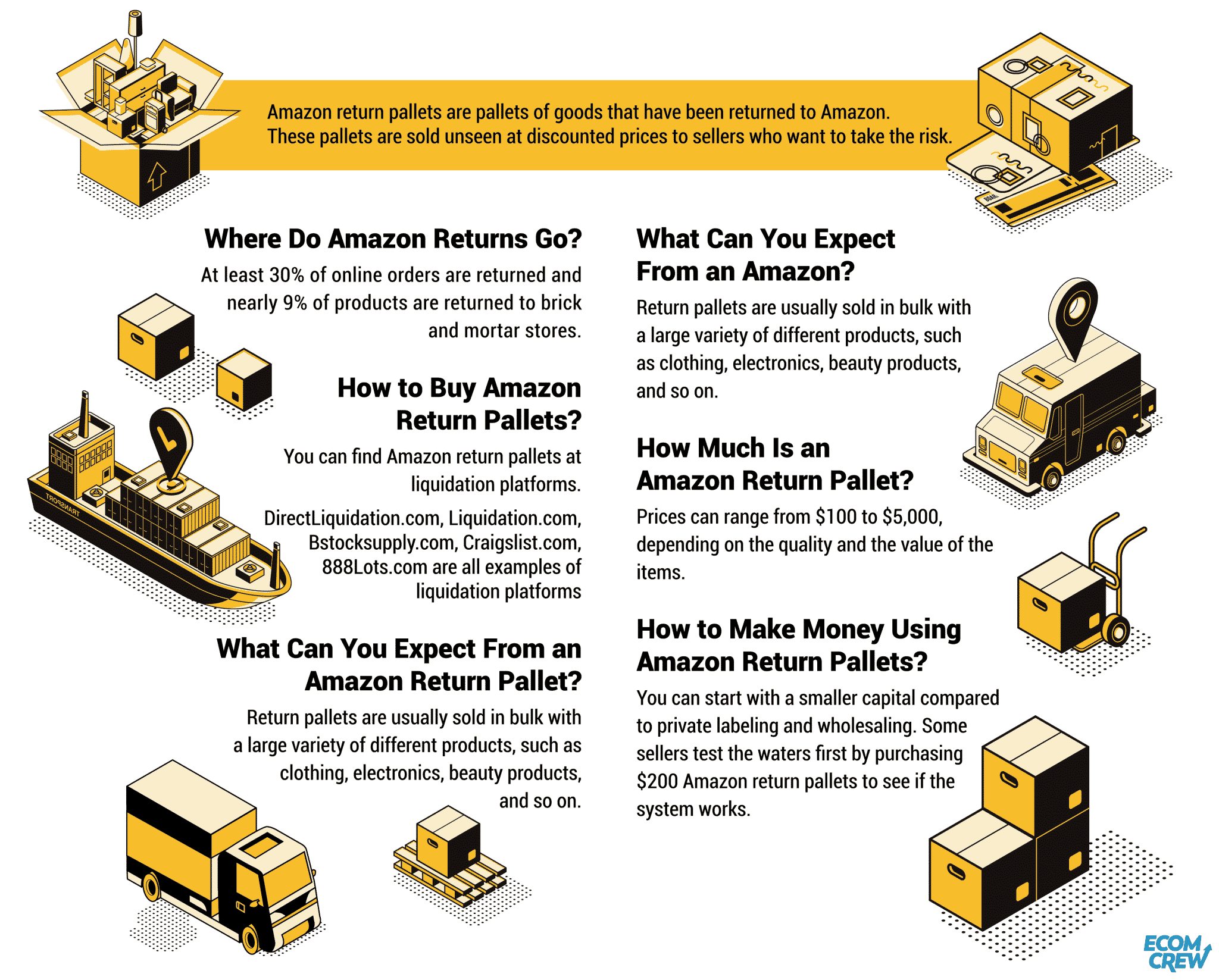
Your first step is deciding between official Amazon channels and third-party marketplaces. The Amazon Bulk Liquidation Store offers fixed-price overstock and returns, but you need an Amazon Business account and a resale certificate. For auction-style buying, Amazon Liquidation Auctions powered by B-Stock is the main platform for experienced resellers.
If you want easier access with smaller lots, check out BULQ for fixed pricing and detailed manifests. Direct Liquidation and Liquidation.com let you bid on pallets from Amazon and other retailers, with itemized lists you can review before buying. 888Lots is another solid option with highly detailed manifests and set prices.
Remember, every pallet sells ‘as-is’ with no returns. Always read the manifest carefully: it tells you condition grades like New, Refurbished, or Damaged. A typical general merchandise pallet runs $300 to $400, while electronics pallets can go over $1,000. And do not forget shipping: freight costs can hit $600 or more for long distances. To save, search Google Maps or Facebook Marketplace for local liquidation warehouses or bin stores that sell pallets for pickup.
Buying Amazon Pallets in 2026: Your Expert Guide
The landscape for acquiring Amazon liquidation pallets has evolved. In 2026, successful resellers need a clear strategy. This guide breaks down how to buy Amazon returns and other wholesale Amazon pallets effectively.
| Item Type | Average Cost (USD) | Shipping Cost (USD) | Condition |
| General Merchandise Pallets | $300 – $400 | $100 – $600+ | New, Used, Damaged |
| Electronics Pallets | $1,000+ | $100 – $600+ | New, Refurbished, Damaged |
| Amazon Bulk Liquidation | Varies (Fixed Price) | Varies | New, Overstock |
| Amazon Liquidation Auctions | Varies (Auction Bid) | Varies | New, Used, Damaged |
Amazon Pallet Auctions: How They Work
Amazon Liquidation Auctions, powered by B-Stock, is a major source. You bid on pallets. This is for experienced resellers. Auctions mean prices can go up quickly. You need to be ready to act fast.
Where to Find Amazon Liquidation Pallets
Beyond Amazon’s own sites, third-party platforms are key. BULQ, Direct Liquidation, and Liquidation.com are popular. They offer manifested pallets. This means you see what’s inside. 888Lots provides very detailed manifests. This helps you make smart buying decisions.
Read also: Warehouse pallets for sale: $4 used vs $150 plastic
Amazon Return Pallets: What to Expect
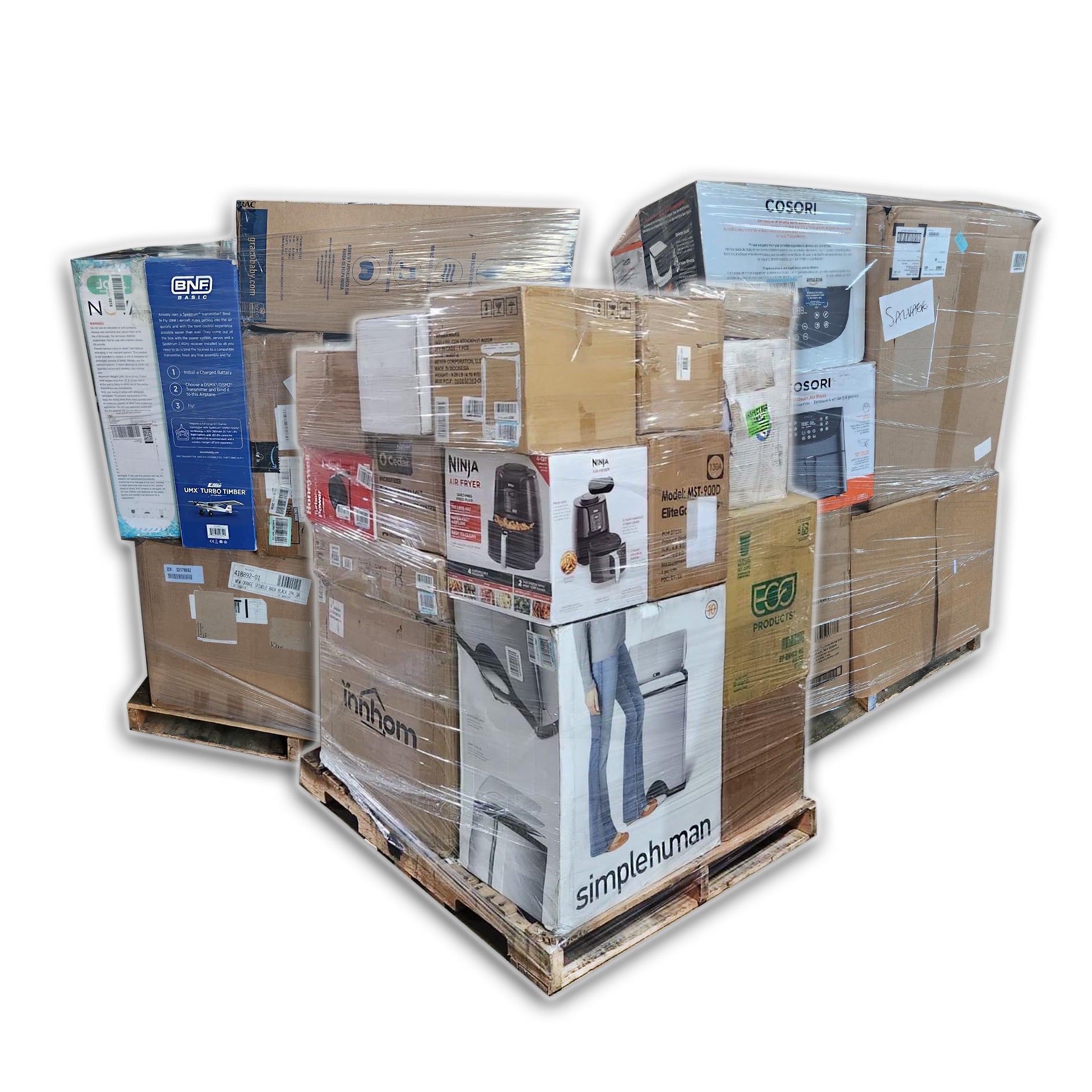
Amazon return pallets contain customer-returned items. These can be new, used, or damaged. You buy them ‘as-is’. There are no returns or refunds. Understand this risk before you buy.
How to Buy Amazon Overstock Pallets
Amazon overstock pallets are items Amazon has too much of. They are often new or like-new. The Amazon Bulk Liquidation Store is a good place. You need an Amazon Business account. You also need to participate in ATEP.
Reselling Amazon Pallets: Profit Tips
To make money reselling Amazon pallets, know your costs. Factor in the purchase price and shipping. Research market prices for the items. Selling online or at local markets can work. Aim for items you know well.
Amazon Unclaimed Packages Pallets Explained
Amazon unclaimed packages pallets are less common. These are packages that could not be delivered. They are often sold in bulk. The contents can be very random. This is a higher-risk, potentially higher-reward purchase.
Wholesale Amazon Pallets: Bulk Buying Guide
Buying wholesale Amazon pallets means larger quantities. This usually lowers the per-pallet cost. You need storage space for bulk orders. Plan your logistics carefully. Bulk buying is for serious resellers.
Amazon Bulk Liquidation: Pricing Strategies
Fixed-price liquidation is simpler. You know the cost upfront. This helps with budgeting. It removes the guesswork of auctions. It’s a good option for consistent inventory.
Requirements: Get Ready to Buy
First, register your business. You need a resale certificate. This is also called a Tax ID. It lets you buy without paying sales tax. This is crucial for reselling. You must have a registered business entity. This is a standard industry requirement. It shows you are a legitimate reseller. Amazon and other platforms require it. This helps them track sales tax obligations. It is a vital step for tax-exempt purchases. You can find resources online for business registration. Check your state’s Secretary of State website. This is a necessary step for buying Amazon liquidation pallets.
‘The key to success in liquidation is meticulous cost analysis and understanding the true condition of goods.’ – Industry Expert, 2026
Local sourcing can cut costs. Search Google Maps for ‘liquidation warehouses’. You might find places selling pallets locally. This avoids expensive freight shipping. It is a smart way to save money. You can often pick them up yourself.
The Verdict on Buying Amazon Pallets
Buying Amazon pallets can be profitable. It requires research and careful planning. Understand the risks involved. Always check the manifest. Know your costs thoroughly. For 2026, focus on reliable sources. Consider platforms like Amazon Bulk Liquidation. Also, explore B-Stock’s auction site. Be prepared for ‘as-is’ sales. Smart buyers do their homework. This is how you succeed in reselling.
Your 3-Step Action Plan for Buying Amazon Pallets Today
Step 1: Get Your Business Credentials
Register your business and obtain a resale certificate or Tax ID. This is non-negotiable for tax exemptions and access to official platforms.
Step 2: Choose Your Platform
Start with BULQ or Direct Liquidation for fixed-price, lower-risk purchases. For larger lots, register for Amazon Liquidation Auctions on B-Stock.
Step 3: Calculate Total Cost Before Bidding
Always add shipping costs (often $200-$600) to the pallet price. Never bid without checking the manifest for condition grades like New or Damaged.
Frequently Asked Questions
Do I need a business license to buy Amazon pallets?
Yes, most official liquidation platforms require a registered business and resale certificate. This is standard for tax exemption and account approval.
Can I return a pallet if the items are damaged?
No, all liquidation pallets are sold as-is with no returns or refunds. Always review the manifest carefully before purchasing.
How much does a typical Amazon pallet cost?
General merchandise pallets range from $300 to $400, while electronics pallets often exceed $1,000. Shipping can add another $200 to $600 depending on distance.
Buying Amazon pallets is a proven way to source inventory at a fraction of retail cost. With the right credentials and platform, you can turn returns into profit.
Start by registering your business and exploring a beginner-friendly site like BULQ. Your next step is to review a manifest and place your first small order.
Imagine a garage filled with sorted goods ready for your online store. That reality begins with one smart purchase today.
