


Stop overthinking your business cards. You don’t need fancy foil or weird shapes to make a great first impression. A clean, simple card that feels good in the hand does the job just fine.
Most people throw away complicated cards. But a basic, professional design with your name and number? That gets saved. Let’s get you a card that works without breaking the bank.
What Makes a Basic Business Card Work in 2026
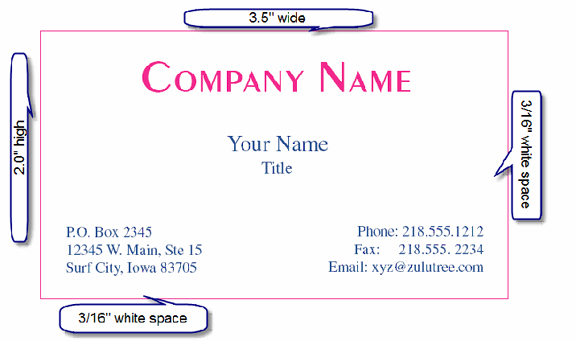
A basic business card is all about the standard 3.5 by 2 inch size and a straightforward layout. You want heavy cardstock, like 120lb cover stock, so it feels sturdy. Providers like VistaPrint offer simple designs starting around $10 for 50 cards.
For an even better deal, check GotPrint where you can get 100 glossy cards for about $7.07. If you prefer a matte finish, Zazzle has 17.5pt matte cards starting at $10.42 for 50. The key is to pick a clean design that clearly shows your name, phone, and email.
Ideas and Inspirations
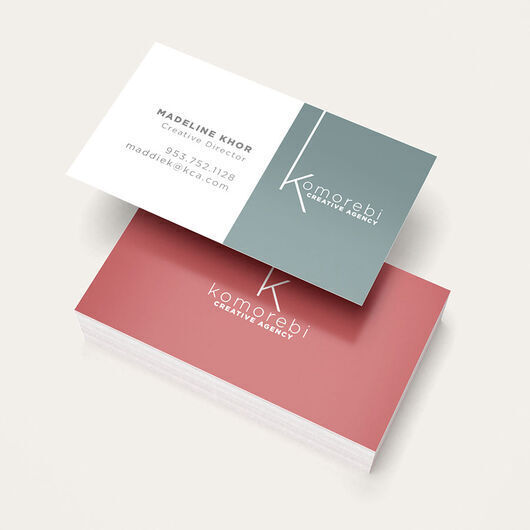
Choosing the right business card design is crucial for making a strong first impression. These cards are often the first physical interaction a potential client has with your brand. A well-designed card communicates professionalism and attention to detail.
Simple Business Cards: Clean and Effective
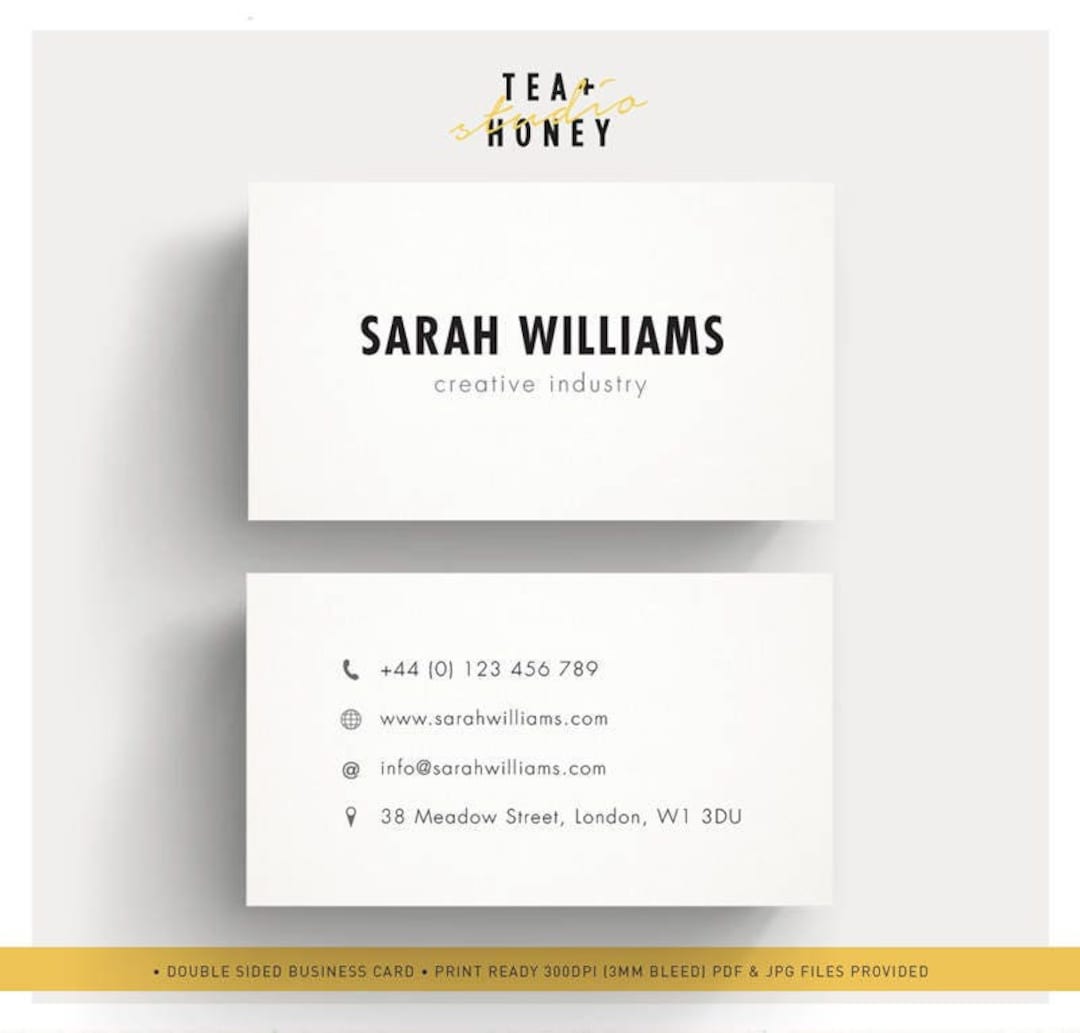
Simple business cards offer a clear and direct way to share your contact information. They focus on readability and a clean aesthetic. These designs ensure your message is easily understood without distraction.
Matte Finish Cardstock
A matte finish on your simple business cards provides a sophisticated, non-reflective surface. It feels smooth to the touch and enhances readability, especially in bright light. This finish is ideal for professional business cards.
Read also: Cheap Quick Business Cards: Get Them in 3 Hours for Under $14
Sans-Serif Typography
Using sans-serif fonts for your clean business cards ensures a modern and legible appearance. These fonts lack decorative strokes, making them easy to read at small sizes. They contribute to an overall minimalist business cards look.
Single Color Printing
Opting for single-color printing on budget business cards keeps costs down while maintaining a sharp look. Black ink on white or cream cardstock is a classic and professional choice. It emphasizes the content itself.
Standard Size Business Cards
The standard size business cards are universally recognized and fit easily into wallets or cardholders. This familiarity makes them practical for everyday use. They are a reliable choice for any professional.
| Material | Cardstock Weight | Color |
| Uncoated Stock | 100lb | White |
| Recycled Stock | 120lb | Natural |
Professional Business Cards: Elevate Your Brand
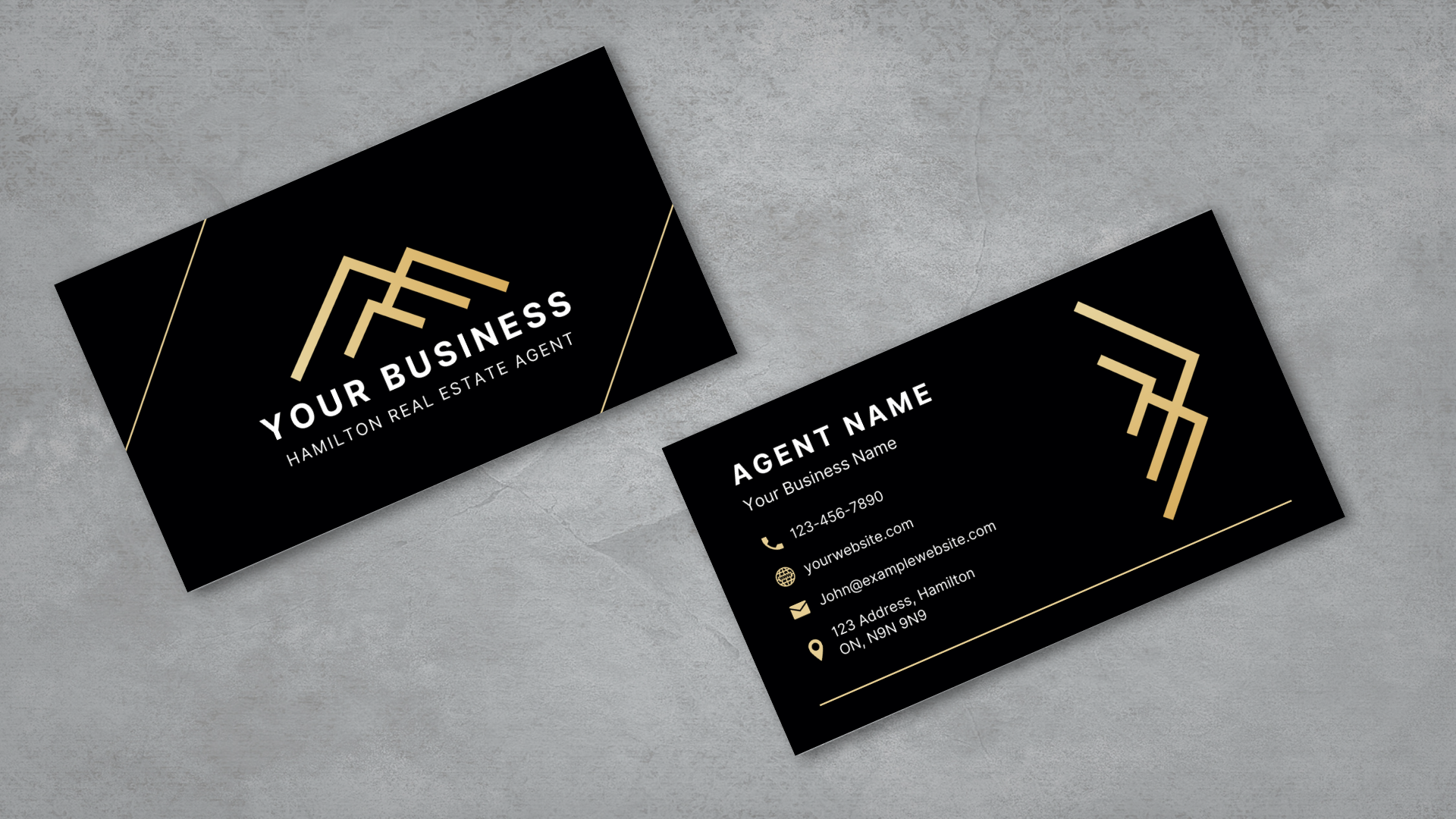
Professional business cards are designed to convey credibility and build trust with clients. They reflect the quality and seriousness of your business. A polished card can significantly enhance your brand’s image.
Read also: 68 Diesel Signs Ideas: Prices, Types & Where to Buy
Embossed Lettering
Embossing adds a raised, tactile element to your professional business cards. This technique creates a luxurious feel and visual depth. It makes key details, like your name or logo, stand out distinctly.
Spot UV Coating
Spot UV coating adds a glossy, protective layer to specific areas of your card. This contrast between matte and gloss draws attention to design elements. It’s an effective way to highlight your logo or contact details.
Dark Color Palettes
Using deep, rich colors like navy blue or charcoal gray can make your professional business cards feel more substantial. These palettes convey a sense of stability and sophistication. They pair well with metallic foil accents.
Foil Stamping
Foil stamping adds a metallic sheen, such as gold or silver, to your custom business cards. This premium finish creates a memorable and high-impact visual. It is perfect for making a lasting impression.
Minimalist Business Cards: Less Is More
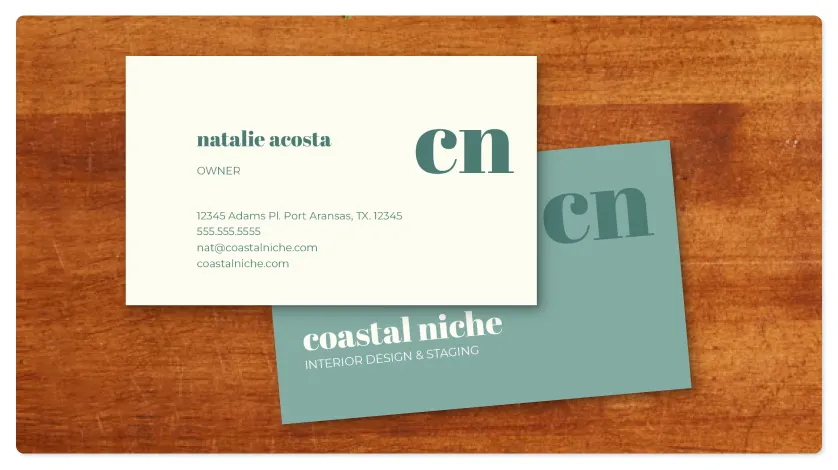
Minimalist business cards focus on essential information and clean design principles. They convey a sense of modern sophistication and clarity. This approach ensures your message is direct and impactful.
Thin Cardstock Options
Choosing thinner cardstock for minimalist business cards can create a sleek and modern feel. It makes the cards feel lighter and more contemporary. This option is great for a clean business cards aesthetic.
Geometric Shapes
Incorporating simple geometric shapes can add a subtle visual interest to your minimalist business cards. Clean lines and basic forms contribute to an uncluttered design. They reinforce the overall modern look.
Monochromatic Schemes
A monochromatic color scheme uses variations of a single color for your minimalist business cards. This creates a harmonious and sophisticated appearance. It keeps the design focused and uncluttered.
Negative Space Usage
Effective use of negative space, or white space, is key in minimalist business cards. It allows design elements to breathe and improves readability. This technique makes the card feel open and clean.
Online Templates
Many online platforms offer minimalist template business cards that are easy to customize. These templates provide a starting point for a clean design. You can find great options at https://www.canva.com/business-cards/templates/minimalist/.
Affordable Business Cards: Quality on a Budget
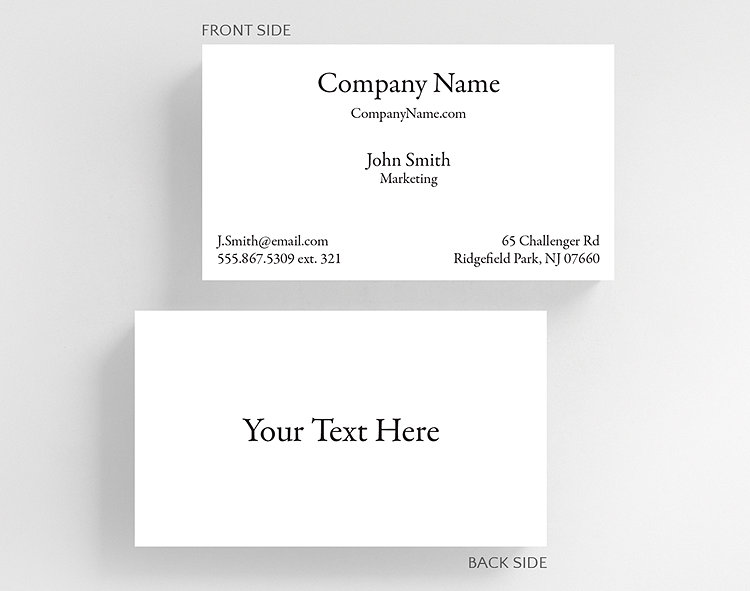
Affordable business cards prove that you don’t need to spend a lot to make a good impression. Smart choices in materials and design can yield professional results. These options are perfect for budget-conscious individuals and startups.
Bulk Printing Discounts
Ordering affordable business cards in larger quantities often significantly reduces the per-card cost. Many providers offer substantial discounts for bulk orders. This is a smart strategy for saving money.
Standard Paper Stock
Opting for standard, uncoated paper stock is a cost-effective choice for budget business cards. It provides a good writing surface and a clean look. This material is widely available and economical.
Digital Proofs
Always request a digital proof before printing your affordable business cards. This allows you to catch any errors in text or design. It ensures you get exactly what you expect without costly reprints.
Online Print Services
Services like Vistaprint and GotPrint offer competitive pricing for budget business cards. They provide a wide range of templates and customization options. You can often find deals for 100 cards starting around $10.
| Provider | Starting Price (100 cards) | Typical Stock |
| GotPrint | $7.07 | Glossy |
| Vistaprint | ~$10 | Various |
| Zazzle | ~$10.42 (50 cards) | 17.5pt Matte |
Standard Size Business Cards: The Classic Choice
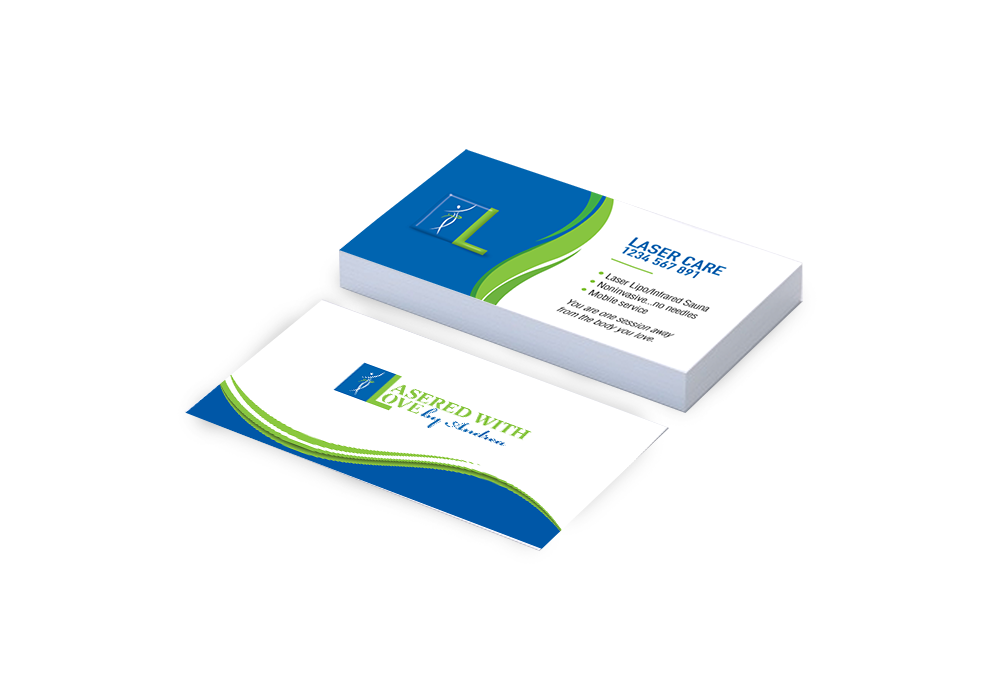
Standard size business cards are the most common format, measuring 3.5 by 2 inches. This familiar dimension ensures they fit easily into wallets and card sleeves. They are a dependable and practical option for most professionals.
Wallet Compatibility
The standard size business cards are designed to fit perfectly in most standard wallets and cardholders. This ensures your card is kept and easily accessible. It’s a key reason for their enduring popularity.
Easy Handling
These cards are comfortable to hold and exchange during networking events. Their size makes them easy to manage in various social and business settings. This practicality is a significant advantage.
Template Availability
Most printing services offer a vast selection of template business cards in the standard size. This makes designing your card straightforward and quick. You can easily find designs that match your industry.
Cost-Effectiveness
Producing standard size business cards is generally more cost-effective due to mass production. Printers can offer lower prices for this common format. It’s an economical choice for professional needs.
Custom Business Cards: Stand Out from the Crowd
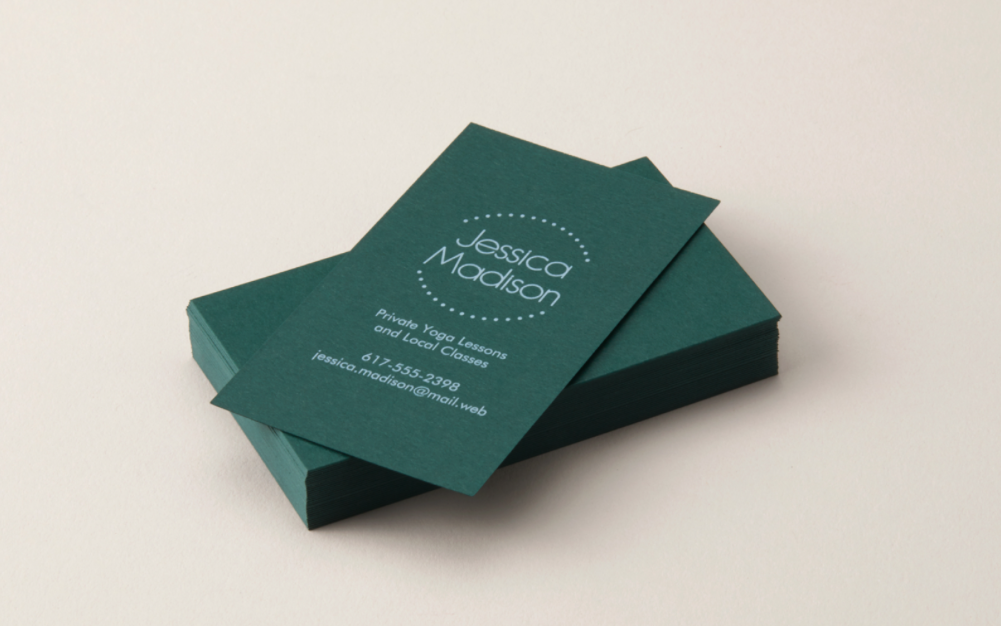
Custom business cards allow you to create a unique representation of your brand. They offer the freedom to design something truly memorable. This is how you make a strong, individual statement.
Unique Die-Cuts
Consider unique die-cuts for your custom business cards to create an unusual shape. This can make your card instantly recognizable. It adds a memorable tactile and visual element.
Specialty Finishes
Explore specialty finishes like soft-touch lamination or edge painting for custom business cards. These premium options add a sophisticated and luxurious feel. They elevate the perceived value of your brand.
Personalized Graphics
Work with a designer or use advanced tools to incorporate personalized graphics on your custom business cards. This ensures your card is completely unique. It perfectly reflects your brand’s identity.
Industry-Specific Designs
Tailor your custom business cards to your specific industry with relevant imagery or colors. This helps potential clients immediately understand your business. It creates a stronger connection.
Online Customization Tools
Many websites allow you to upload your own logo and artwork for custom business cards. You can often preview the final product before ordering. This offers great control over the final look.
Template Business Cards: Quick and Easy Designs
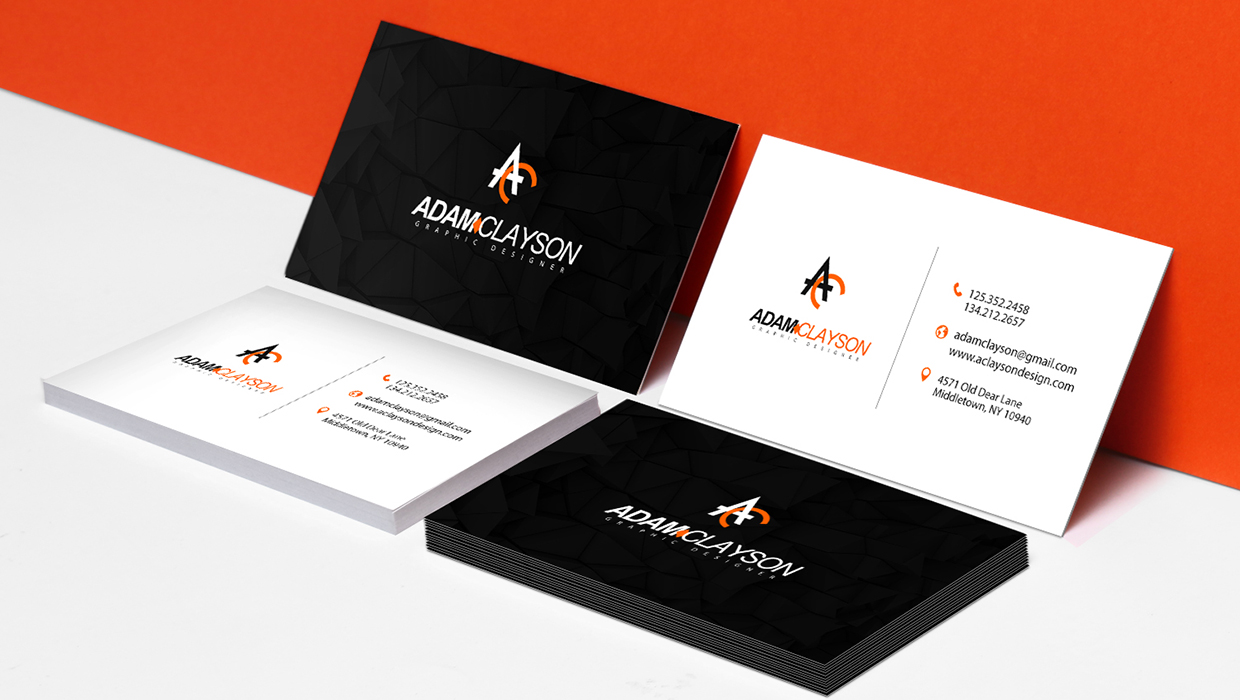
Template business cards offer a fast and efficient way to get professional-looking cards. They provide pre-designed layouts that you can adapt. This is ideal when you need cards quickly.
Industry-Specific Templates
Many template business cards are categorized by industry, making selection easy. You can find designs suited for real estate, healthcare, or technology. This saves time in finding a relevant style.
Editable Text Fields
Templates usually feature clearly marked areas for your name, title, and contact information. Editing these text fields is typically straightforward. It ensures all your details are placed correctly.
Logo Integration
Most template business cards allow you to easily upload and place your company logo. This ensures brand consistency across your marketing materials. It makes the card instantly recognizable.
Color Scheme Options
You can often adjust the color scheme of template business cards to match your brand colors. This provides a degree of personalization. It helps maintain a cohesive brand identity.
Online Design Platforms
Websites like Zazzle offer a wide array of template business cards for various needs. You can browse and select a design that fits your style. Explore options at https://www.zazzle.com/minimalist+business+cards.
DIY Business Cards: Personalize Your Own
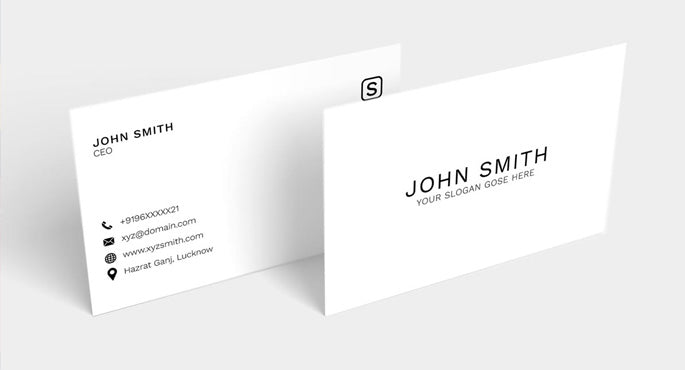
DIY business cards give you complete creative control over your design. This hands-on approach allows for maximum personalization. It’s a great option for those with a specific vision or a very tight budget.
Home Printing
You can print DIY business cards at home using a quality printer and cardstock. Ensure your printer settings are optimized for the paper type. This offers immediate results.
Cardstock Selection
Choose cardstock that feels substantial and professional, even for DIY business cards. Look for weights like 100lb or 120lb cover stock for a durable feel. The right paper makes a big difference.
Cutting Tools
Use a paper cutter or a craft knife and ruler for precise, straight cuts on your DIY business cards. A clean cut is essential for a professional appearance. Avoid using scissors, which can result in jagged edges.
Design Software
Free design software like Canva or GIMP can help you create your own layouts. These tools offer templates and design elements. You can create professional-looking designs without expensive software.
Personalized Touches
Add unique, personal touches to your DIY business cards that reflect your personality. This could be a handwritten note or a unique stamp. These details make your card memorable.
Read also: 60 Tips to Get Durable Traffic Signs Blank for Under $7
Style and Reference Gallery
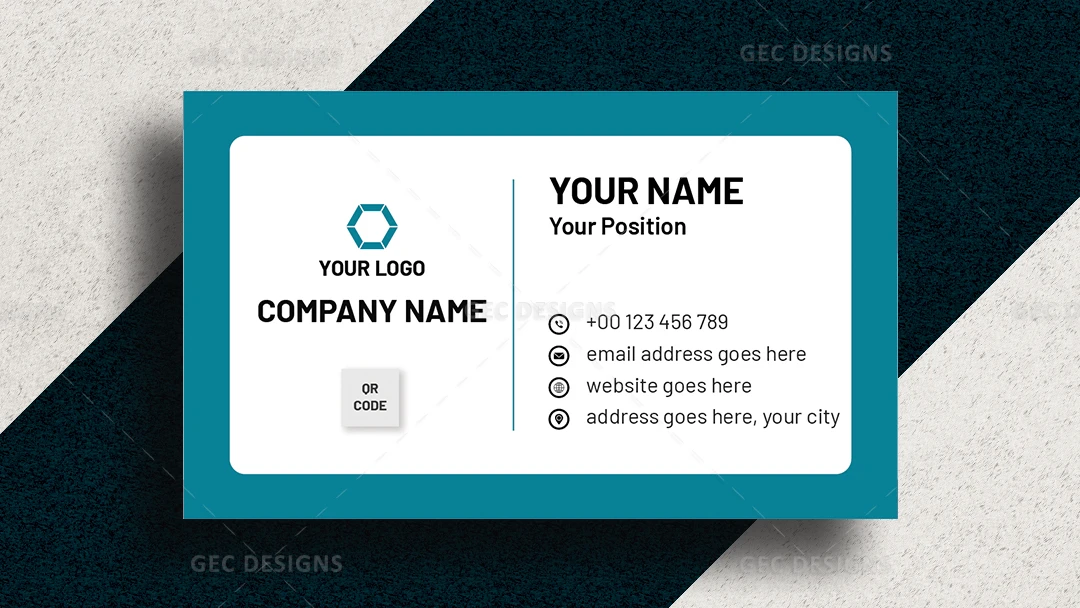
Uncoated paper with a handwritten font. Personal and approachable vibe.
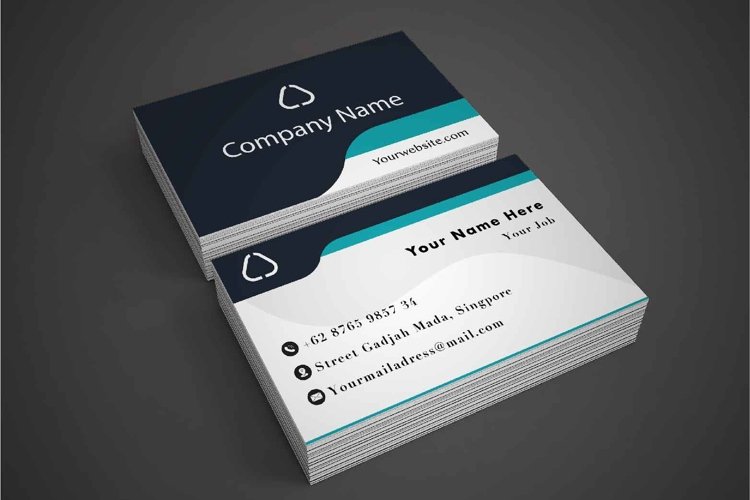
Double-thick cardstock for extra weight. Feels premium in hand.
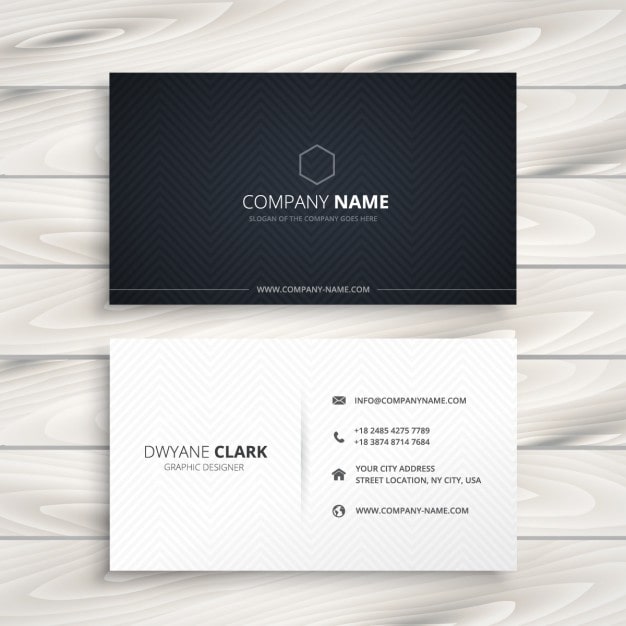
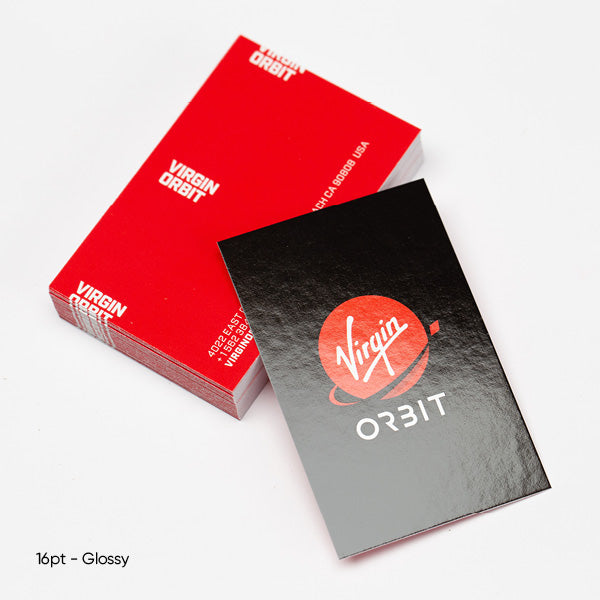
Spot UV gloss on a matte card. Highlights your logo or name subtly.
Recycled paper with natural flecks. Eco-friendly and on trend.
Transparent plastic card for a modern twist. Durable and distinctive.
Die-cut shape that follows your logo. Custom but still basic in design.
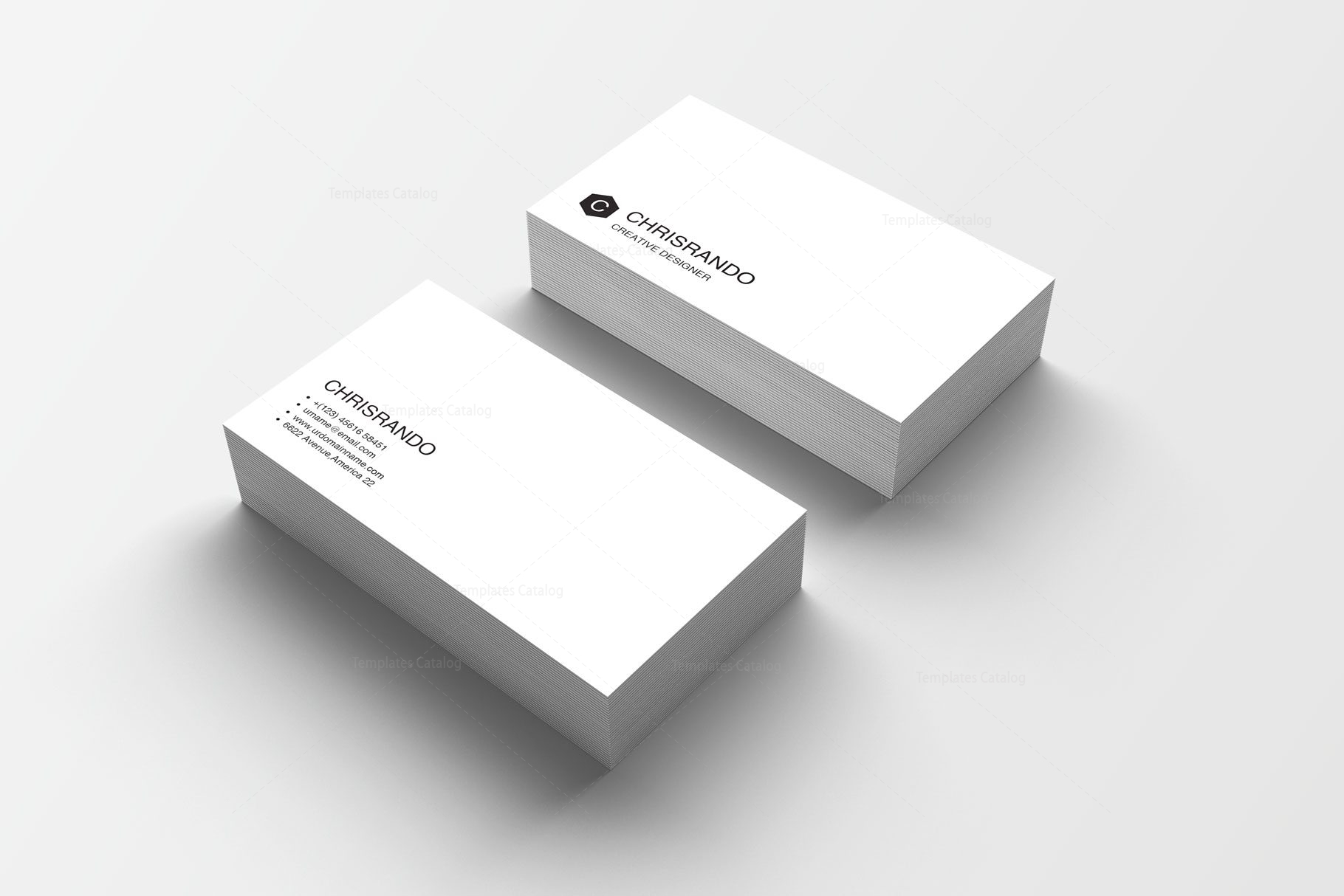
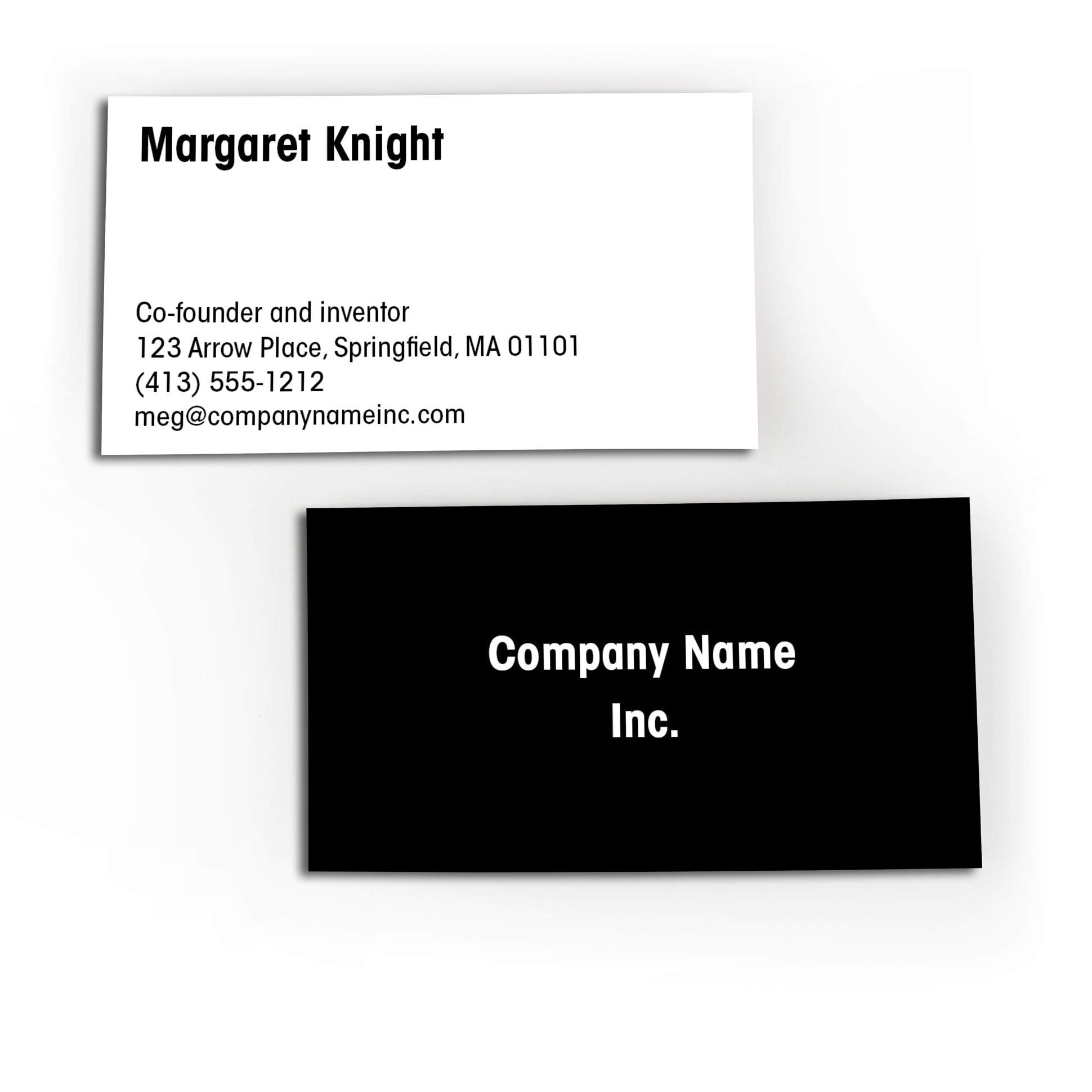
Classic white card with black text. Simple and timeless for any professional.
Matte finish with a subtle logo. Adds elegance without being flashy.
Bold color accent on one edge. A pop of color that catches the eye.
Minimalist design with lots of white space. Clean and modern look.
Linen textured cardstock for a tactile feel. Stands out from glossy cards.
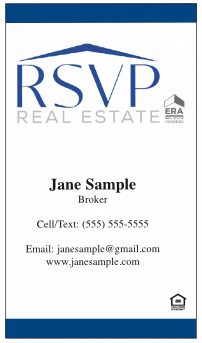
Two-sided card: contact on front, blank back for notes. Practical for meetings.
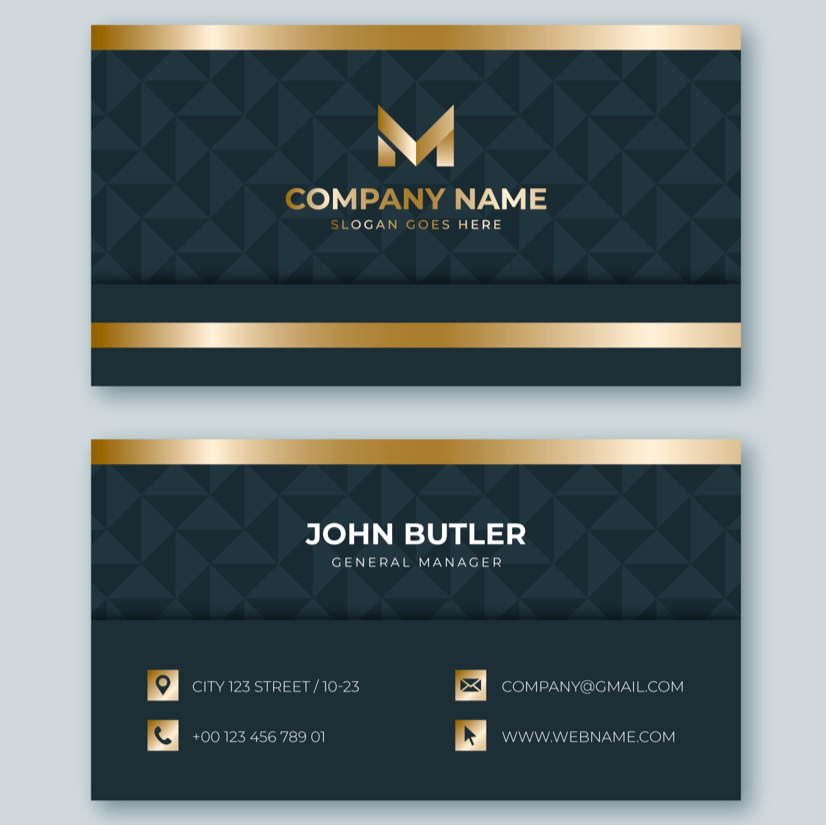
Foil stamped logo on dark card. Luxurious without being over the top.
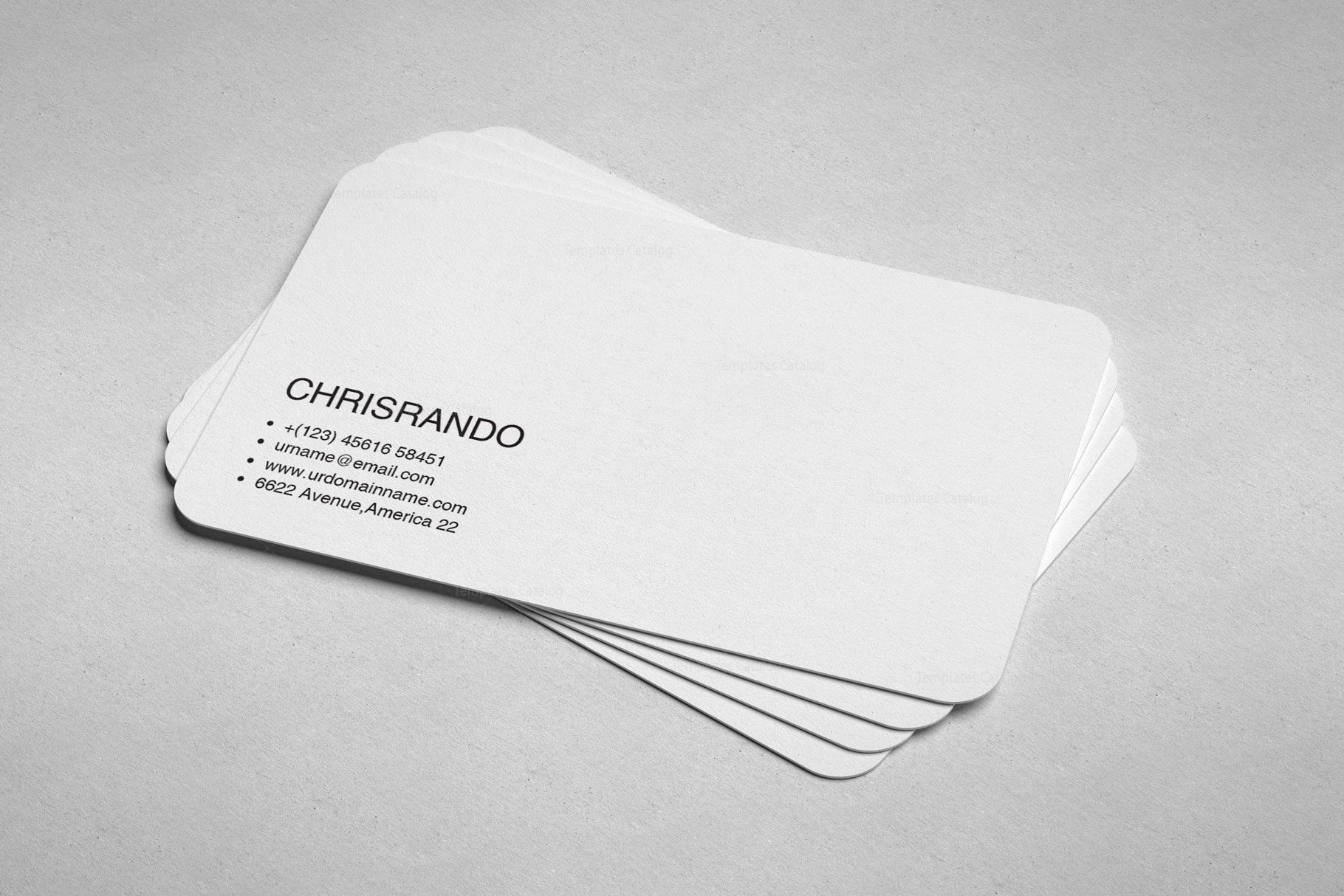
Rounded corners for a softer feel. A small detail that makes a difference.
How to Choose and Order Basic Business Cards
Step-by-Step Guide
- Measure twice, order once. Standard size is 3.5 inches by 2 inches. This fits perfectly in any wallet or cardholder.
- Pick a cardstock that feels substantial. 120lb cover stock is a popular choice for a professional, durable finish. Avoid flimsy paper that bends easily.
- Select a finish that matches your brand. Matte is classic and easy to write on, while glossy makes colors pop. For a modern look, try uncoated or linen texture.
- Design with white space. Keep your layout clean with your name, title, phone, email, and website. Less is more for a basic card.
- Upload a high-resolution logo. Use a PNG or vector file at 300 DPI. This ensures your logo prints sharp, not blurry.
What to Avoid in Execution
- Don’t cram too much text. A cluttered card looks unprofessional and is hard to read. Stick to essential contact info only.
- Avoid cheap paper stock. Cards under 100lb feel thin and can tear easily. Spend a few extra dollars for a quality impression.
- Skip busy backgrounds. Dark or patterned backgrounds can make text illegible. White or light solid colors work best for readability.
- Don’t forget to proofread. A typo on your card looks careless. Check your name, email, and phone number twice before ordering.
- Avoid mixing too many fonts. Stick to one or two fonts maximum. A clean sans-serif like Arial or Helvetica is safe and modern.
Maintenance Tips
- Store cards in a protective case. A metal or leather card holder keeps them from bending or getting dirty in your bag.
- Replace cards when they get worn. A scuffed or faded card makes a bad first impression. Order fresh batches every year or as needed.
- Keep a small stash in your car or desk. You never know when you’ll meet a potential client. Always have cards ready to hand out.
Frequently Asked Questions
What is the best paper weight for business cards?
For a durable, professional feel, choose 120lb or 14pt cardstock. It’s thick enough to resist bending but still fits in a wallet.
How many business cards should I order?
Start with 100 to 250 cards if you network regularly. Reorder within 6 months to keep your info current and cards fresh.
Can I design my own business card for free?
Yes, Canva offers free templates and tools. You can then print through their service or upload the design to a printer like VistaPrint.
Choosing a basic business card is about balancing cost, quality, and simplicity. Stick with standard dimensions and a clean design to ensure your card is always welcome in any wallet.
Now that you know the essentials, it’s time to pick a provider and place your order. Start small, test the quality, and then reorder in bulk once you’re satisfied.
The future of networking still relies on that tangible exchange of paper. Your card is your handshake in print—make it count with a design that speaks for itself.
