


Thinking about getting a new laptop but dreading the upfront cost? You’re not alone. Leasing a laptop can put a powerful machine in your hands today without draining your savings.
It’s a practical choice for many, from students to small business owners. But with so many options out there, it’s easy to get confused. Let’s clear up how laptop leasing works and what you need to watch out for.
Lease a Laptop vs. Rent to Own: What’s the Difference?
When you ‘lease a laptop,’ you’re essentially renting it for a set period. Think of it like leasing a car: you pay monthly, use the laptop, and then return it at the end. Programs like HP’s Laptop Subscription start around $34.99/month and include 24/7 support and upgrades every year.
On the other hand, ‘rent to own’ programs, like Best Buy’s Progressive Leasing, let you make monthly payments with the option to buy the laptop later. These often require no credit check, making them great for building credit or when you have a low score. Just watch out for high total costs if you take a long time to pay off.
Leasing a Laptop in 2026: Your Smartest Move
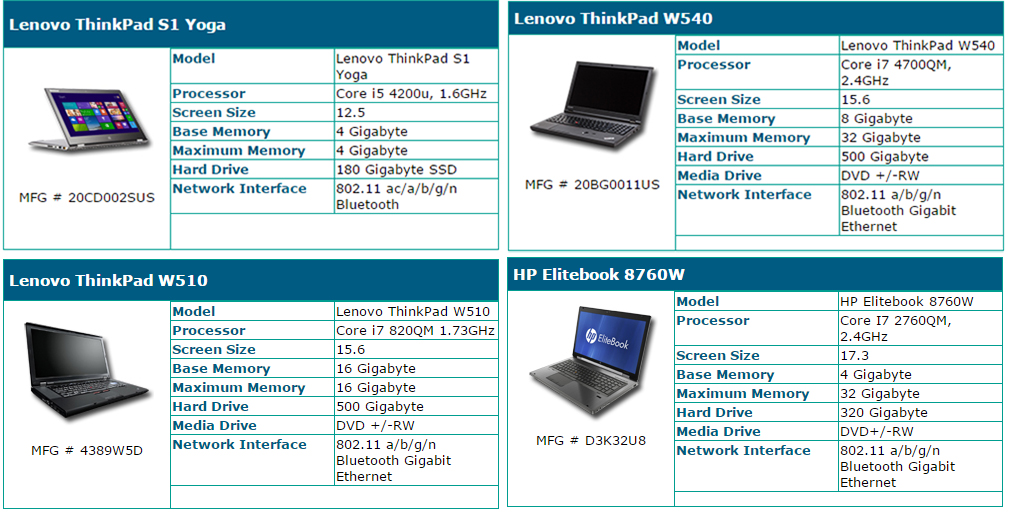
The way we get laptops has changed. Buying outright is not the only option anymore. In 2026, leasing and subscription plans are popular. They offer smart choices for everyone, from individuals to big companies. You have several main ways to lease a laptop now. These include plans directly from the companies that make the laptops, store programs that let you rent-to-own, and options for very short-term rentals.
These new options mean you can get the tech you need without a huge upfront cost. Many plans include support and upgrades. This makes staying current with technology easier and more affordable. Understanding your choices helps you pick the best fit for your budget and needs. It is about getting the right tool for the job, right when you need it.
| Option | Starting Price | Key Features | Best For |
| Manufacturer Subscriptions | $34.99/month (HP) | Support, rapid replacement, annual upgrades | Tech enthusiasts, those wanting latest AI hardware |
| Retailer Lease-to-Own | Varies (Best Buy, Rent One) | Minimal upfront cost, 90-day purchase option, no credit needed options | Limited credit history, budget-conscious buyers |
| Short-Term Rentals | $270/day (commercial), $500/semester (academic) | Temporary use for specific projects or terms | Project-based work, students needing temporary devices |
No Credit Check Laptop Lease Options
Worried about your credit score? Many places offer no credit check laptop lease plans. These are designed for people who may not qualify for traditional financing. Programs like Progressive Leasing at Best Buy are a good example. They focus on offering access to electronics without a credit history.
Read also: Stop Wasting Money on Copiers: Best for Business 2026
These options often have a path to ownership. You make monthly payments, and after a set time, you can buy the laptop. Some even offer a ‘6 Months Same As Cash’ deal to help you save on interest. This makes getting a needed computer much more accessible.
Short Term Laptop Rental for Events
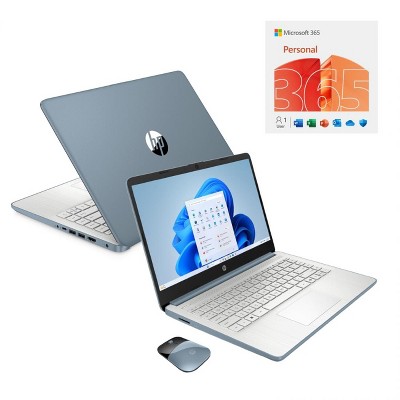
Need a laptop for just a little while? A short term laptop rental is perfect. Think about a conference, a special project, or a temporary work assignment. Companies offer high-performance machines for daily or weekly rates. This avoids the cost of buying a device you will not use long-term.
Academic institutions also provide rentals for students. This can be a cost-effective solution for a semester or a specific course. The flexibility of short-term rentals means you pay only for what you need, when you need it. This is ideal for unpredictable needs.
Business Laptop Lease for Startups
For new businesses, managing cash flow is key. A business laptop lease can be a smart financial move. Instead of a large capital expense, you pay a predictable monthly fee. This preserves your startup capital for other critical areas of growth.
Companies like Dell offer business leasing with flexible terms. You can choose options that fit your budget and upgrade cycle. This ensures your team always has reliable, up-to-date equipment without breaking the bank. It is a practical way to equip your workforce.
Student Laptop Rental with Flexible Payments
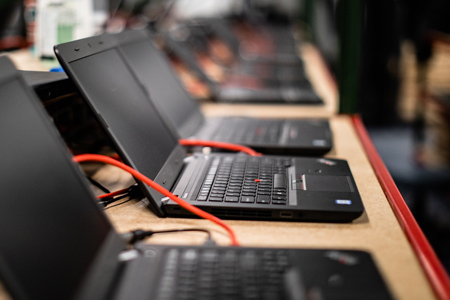
Students often need laptops for their studies. A student laptop rental with flexible payments can ease the financial burden. Many universities offer rental programs, sometimes included with tuition or fees. These are often bundled with support services.
Beyond campus programs, retailers offer lease-to-own options that work well for students. These plans allow for monthly laptop payments that are easier to manage than a full purchase. This ensures students have the tools they need to succeed academically.
Laptop Financing vs Rent to Own
It is important to understand the difference between laptop financing and rent-to-own. Financing typically involves a loan to purchase the device. You own it from the start, but you are responsible for all upkeep. Rent-to-own, on the other hand, means you are renting the device with an option to buy later.
Rent-to-own programs often have lower upfront costs and may not require a credit check. However, the total cost over time can be higher than traditional financing. Carefully compare the terms, interest rates, and total cost before deciding which is best for you.
Computer Leasing with Upgrade Programs
Technology moves fast. Computer leasing with built-in upgrade programs helps you stay current. Manufacturer subscriptions, like those from HP, often include a yearly upgrade path. This means you can get the latest models with advanced AI features regularly.
These programs are designed for users who want continuous access to the newest hardware. You avoid the hassle of selling old devices. Instead, you simply trade them in for the latest models as part of your lease agreement. This ensures you always have efficient tools.
Monthly Laptop Payments for High-End Models
Dreaming of a high-end laptop with all the latest features? You do not always need to pay the full price upfront. Options for monthly laptop payments make powerful machines more accessible. This includes laptops with advanced AI processing capabilities.
Lease-to-own programs and subscription services allow you to spread the cost over time. This makes investing in premium technology manageable for your budget. You get the performance you need without the immediate financial strain.
Laptop Subscription Services Explained
Laptop subscription services are a growing trend. They offer more than just a device; they provide a complete package. Think of it like a phone plan, but for your laptop. You get the hardware, ongoing support, and regular upgrades.
These services often include benefits like 24/7 technical support and rapid replacement if something goes wrong. HP’s subscription is a prime example, starting at $34.99 per month. It is a convenient way to ensure you always have a working, up-to-date laptop.
The Future of Laptop Acquisition in 2026
In 2026, leasing and subscriptions are not just alternatives; they are becoming the norm for many. The focus is on flexibility, affordability, and continuous access to innovation. These models empower consumers and businesses to adapt quickly to changing technological needs.
Expect these options to become even more integrated into our lives. With AI becoming standard in hardware, leasing ensures you can always access the most intelligent computing solutions. The trend is clear: smart, flexible access to technology is the way forward.
Your 3-Step Action Plan to Lease a Laptop in 2026
Step 1: Define Your Priority
Decide what matters most: always having the newest AI hardware, owning the laptop eventually, or just renting for a short project. This choice determines whether you go with a manufacturer subscription, a lease-to-own program, or a short-term rental.
Step 2: Check Your Credit and Budget
If your credit is limited, look for no-credit-check options like Best Buy Progressive Leasing or Rent-A-Center. Compare the total cost over time, especially the 90-day purchase option or 6 Months Same As Cash deals to avoid extra fees.
Step 3: Read the Fine Print on Support and Upgrades
Manufacturer subscriptions like HP’s include 24/7 support and annual upgrades, while retailer programs may not. Confirm whether maintenance, accidental damage, and replacement policies are part of your monthly payment.
Frequently Asked Questions
Can I lease a laptop with bad credit?
Yes, many retailers like Best Buy and Rent-A-Center offer lease-to-own programs that do not require a credit check. You may need to provide a down payment or agree to a higher interest rate.
What happens if I damage the leased laptop?
Most manufacturer subscriptions include accidental damage coverage, but retailer lease-to-own programs may charge a fee. Always check the contract for damage policies before signing.
Can I buy the laptop at the end of the lease?
Yes, lease-to-own programs typically allow you to purchase the laptop after a set period, often with a Fair Market Value option. Manufacturer subscriptions may not offer ownership, but you can upgrade to a new device.
Leasing a laptop in 2026 gives you flexibility and access to the latest AI-powered technology without the upfront cost. Whether you choose a subscription, lease-to-own, or short-term rental, you can match the plan to your lifestyle and budget.
Now compare offers from HP, Best Buy, and local rental services to find the best deal for your needs. Start by requesting a quote or applying online to lock in your terms today.
Imagine always working on the fastest processor and sharpest screen, with support just a call away. That is the new standard for smart computing.
