


Struggling to find a Moodle developer who actually delivers on time and within budget? You’re not alone. The demand for skilled Moodle talent has skyrocketed in 2026, and many project managers end up wasting thousands on developers who overpromise and underdeliver.
Whether you need custom plugins, theme tweaks, or full LMS integration, hiring the right developer is the difference between a smooth launch and a costly nightmare. Let’s cut through the noise and show you exactly how to hire Moodle developers who get results.
Where to Find Top Moodle Developers in 2026
Your choice of platform matters. Specialized services like Toptal and Arc.dev pre-vet senior Moodle developers, with rates averaging $60–$100+ per hour. Toptal promises a match in 48 hours, and Arc.dev focuses on senior talent for complex projects.
If you need custom plugins or theme customization, agencies like Beyond Key and Concetto Labs offer end-to-end Moodle development services. They handle everything from custom Moodle plugins to full platform builds, but expect higher costs for that expertise.
For budget-conscious projects, general marketplaces like Upwork and Truelancer give access to a wider pool of freelancers. Rates can be lower, but you must vet portfolios and test communication skills. The official Moodle job board is another direct route to the community, especially for finding offshore developers with competitive rates.
Finding Your Moodle Pro in 2026

Hiring Moodle developers today means smart choices. You can find talent on specialized sites, general job boards, or through agencies. Each path offers different benefits for your project.
| Service Type | Average Cost (Hourly) | Vetting Level | Best For |
| Specialized Platforms (Toptal, Arc.dev) | $60 – $100+ | High | Senior Talent, Fast Matches |
| General Marketplaces (Upwork, Truelancer) | $40 – $80 | Variable | Budget Projects, Diverse Skills |
| Moodle Agencies (Beyond Key, Concetto Labs) | $50 – $120+ | High | Full-Service Solutions, Custom Builds |
| Official Moodle Jobs | Variable | Community-Based | Direct Community Access |
Money Matters.
Moodle developer rates in 2026 vary widely. Expect to pay between $40 and $100+ per hour. This range depends on experience, location, and the platform you use. Offshore developers might offer lower rates, but always check their quality first. Understanding these costs helps you budget effectively.
Finding Moodle Freelancers.
You can find Moodle freelancers on sites like Upwork or Truelancer. These platforms have many developers. This makes them good for finding someone with specific skills for your project. Always review portfolios and client feedback carefully. This helps ensure you hire Moodle developers online who fit your needs.
Custom Moodle Plugins.
Need a unique feature? You might need custom Moodle plugins. Developers build these to add specific functions to your Moodle site. This is key for tailoring the learning experience. It requires deep PHP and Moodle architecture knowledge. This service ensures your LMS does exactly what you need.
Moodle Theme Customization.
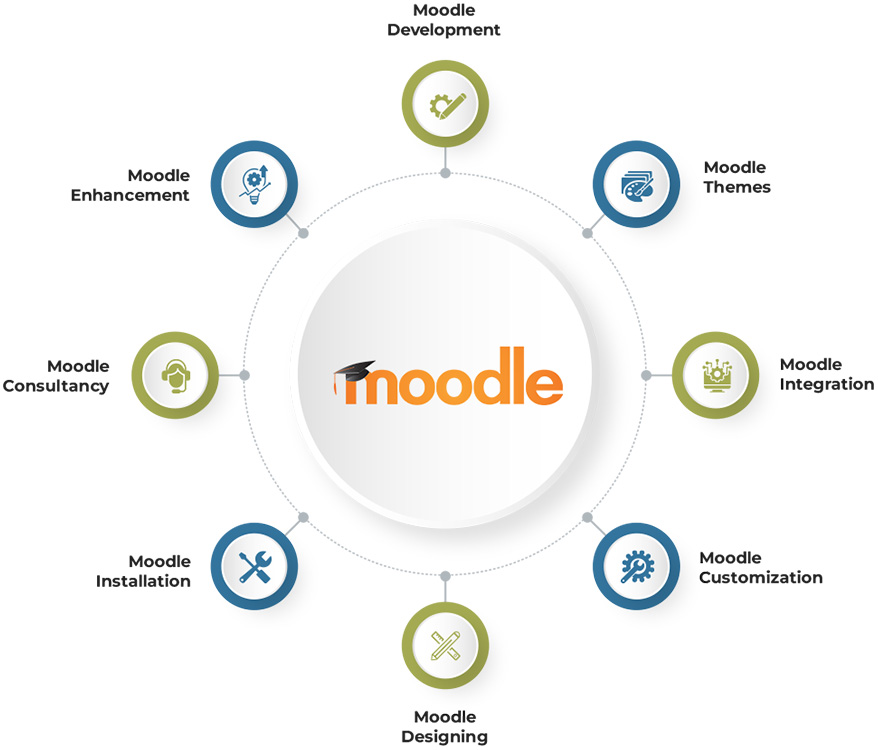
Make your Moodle site look professional. Moodle theme customization involves changing the look and feel. This includes making it work well on phones. Good design improves user engagement. It shows your commitment to a quality learning environment. This is crucial for a positive user experience.
Offshore Moodle Developers.
Offshore Moodle developers can be cost-effective. Many skilled professionals work globally. However, communication and quality control are vital. Thorough vetting is essential before hiring. Ensure they understand your project requirements clearly. This approach can save money if managed well.
Senior Moodle Developers.
For complex projects, hire senior Moodle developers. These experts have years of experience. They understand Moodle’s core and advanced features. They can handle challenging integrations and custom builds. Their expertise ensures a robust and scalable solution. Look for them on specialized platforms like Toptal.
Moodle Development Agencies.
Moodle development agencies offer comprehensive services. Companies like Beyond Key or Concetto Labs provide end-to-end solutions. They handle everything from planning to deployment. Agencies often have a team of experts. This ensures consistent quality and project management. They are ideal for larger, more complex projects.
Requirements: What to Look For.
When you hire Moodle developers, check for specific skills. PHP and SQL are fundamental. Experience with API integrations is also important. Familiarity with modern frameworks like React helps.
‘A Moodle developer must bridge technical skill with pedagogical understanding to create effective e-learning.’
This ensures your LMS is functional and user-friendly. Essential LMS experience includes plugin architecture and theme development. Look for a portfolio showing successful Moodle implementations. This demonstrates their practical capabilities. You are looking for Moodle experts who deliver results.
Impact and Verdict.
The demand for skilled Moodle developers remains high in 2026. Choosing the right hiring channel impacts your project’s success and budget. Specialized platforms and agencies offer quality assurance. General marketplaces provide flexibility. Always prioritize clear communication and a strong portfolio. For a robust LMS, investing in experienced Moodle developers is key. Consider hiring Moodle developers online for top talent. Explore Moodle development services for tailored solutions. Your final choice depends on your project’s scope and your budget.
Your 3-Step Action Plan to Hire the Right Moodle Developer
Step 1: Define your project scope and budget. Write down exactly what you need: a custom plugin, a new theme, or a full platform build. This clarity will save you hours of back-and-forth with candidates.
Step 2: Choose your sourcing channel based on budget and urgency. For top-tier vetted talent in 48 hours, use Toptal or Arc.dev. For more affordable options, post on Upwork or the official Moodle job board.
Step 3: Vet candidates with a technical and soft skills checklist. Ask for PHP and SQL samples, plus examples of past Moodle integrations. Test their communication by having them explain a complex feature simply.
What to Avoid
- Avoid hiring solely on low hourly rates – offshore developers may lack the communication skills needed for your project.
- Avoid skipping portfolio review – a developer without a proven Moodle track record is a risk.
Frequently Asked Questions
How much does it cost to hire a Moodle developer in 2026?
Experienced Moodle developers charge between $40 and $100+ per hour. Rates vary by location and specialization, with US-based developers at the higher end.
What technical skills should I look for in a Moodle developer?
Look for deep expertise in PHP, SQL, and API integrations. Familiarity with React or Vue.js for front-end work is a strong plus.
Should I hire a freelancer or an agency?
Freelancers are ideal for smaller, well-defined tasks, while agencies offer end-to-end solutions for complex projects. Choose based on your project’s scale and your need for ongoing support.
Choosing the right Moodle developer is a strategic investment in your e-learning platform’s success. By following this guide, you are equipped to make an informed decision that balances skill, cost, and reliability.
Now, take the next step: draft your project brief and post it on your chosen platform today. The perfect developer is just a few clicks away.
Imagine your Moodle site running flawlessly, with custom features that delight learners and administrators alike. That future is within your reach with the right hire.
