


Your warehouse is losing money every time a beam bends under load. Pallet racking cross beams are the backbone of your storage system, and picking the wrong ones can mean collapsed shelves and costly downtime. That’s why understanding beam types, capacities, and compatibility is non-negotiable for any working warehouse.
Most rack failures happen because beams are mismatched to the load or the upright frames. In 2026, the standard is still the teardrop connector, but not all beams are created equal. Whether you are upgrading old racks or building from scratch, you need to know the difference between step beams and structural beams before you buy.
What Are Pallet Rack Cross Beams and Why They Matter for Your Warehouse
Pallet rack cross beams, also called warehouse rack beams or storage rack beams, are the horizontal supports that attach to vertical upright frames to create shelf levels. The most common connector type today is the teardrop style, which lets you install and adjust beams without tools. This ‘click-in’ design makes assembly fast and allows you to change shelf heights quickly as your inventory needs shift.
Choosing the right beam type is critical. Step beams have a 1 5/8-inch recessed ledge that holds wire decking or pallet supports securely, keeping loads from shifting. Structural beams are made from heavy C-channel steel and offer more rigidity and higher load capacity, making them ideal for impact-prone areas or heavy-duty storage. Most beam capacities are rated per pair, so always multiply your heaviest pallet weight by the number of pallets per level (usually two or three) to get the minimum required capacity.
Standard beam lengths include 8 feet (96 inches), 9 feet (108 inches), and 12 feet (144 inches). For two standard 40-inch pallets side by side, 96-inch beams are the industry norm. Always check compatibility with your existing upright frames, especially if you are mixing new and used components. High-strength structural steel with a minimum yield of 50,000 psi ensures long-term durability under heavy loads.
Pallet Rack Cross Beams: The Backbone of Your Warehouse Storage
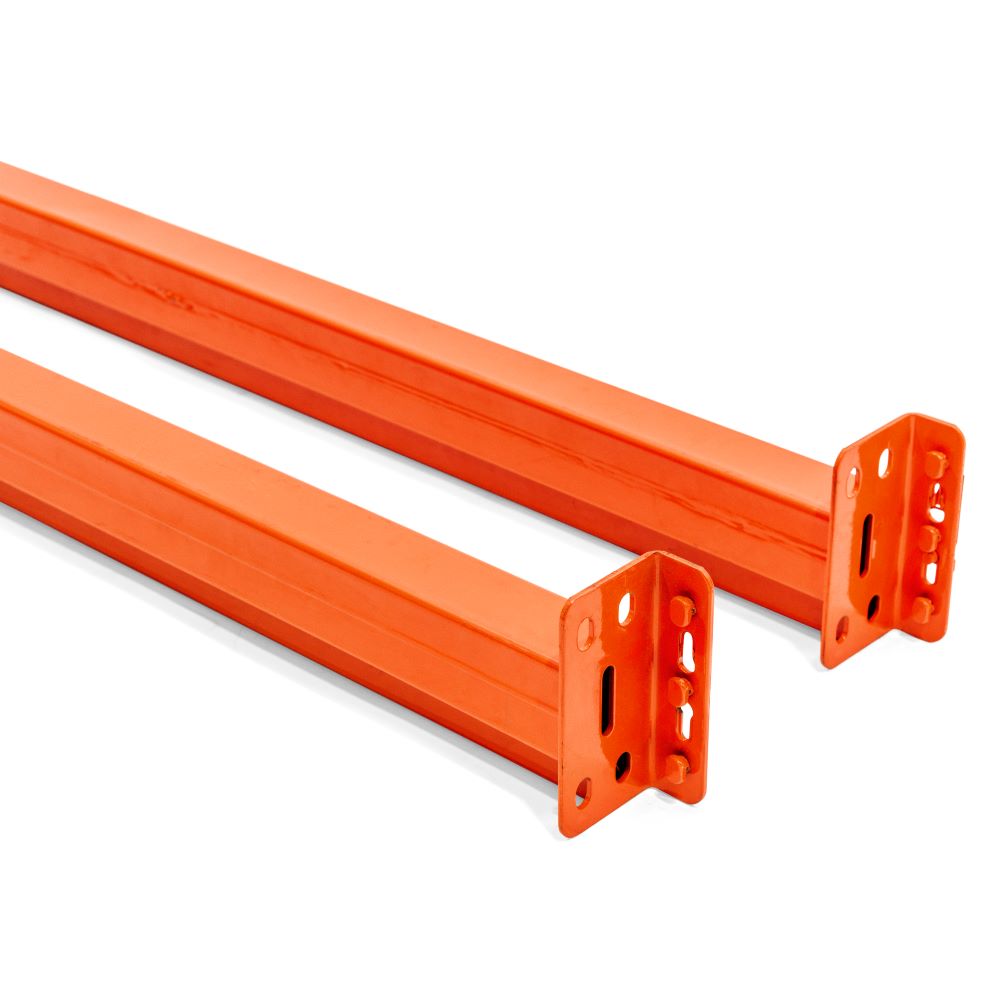
Pallet rack cross beams, also known as pallet rack beams, are the essential horizontal supports in any warehouse. They connect to the upright frames, creating the shelves where your products rest. Without these sturdy beams, your entire storage system would simply not exist, making them a critical component for efficient operations.
The modern warehouse relies heavily on these beams for safe and organized storage. Understanding their types and specifications is key to building a robust and cost-effective storage solution that meets your specific needs. We will explore the different kinds of beams and how to choose the right ones.
| Feature | Description |
|---|---|
| Primary Function | Horizontal supports connecting upright frames to create shelf levels. |
| Connection Type | Predominantly teardrop style for tool-free, quick installation. |
| Beam Types | Step beams (with ledge for decking) and Structural beams (C-channel steel for high capacity). |
| Load Capacity | Rated per pair; calculate by multiplying heaviest pallet weight by pallets per level (2-3). |
| Standard Lengths | Commonly 8 ft (96 in), 9 ft (108 in), and 12 ft (144 in). |
| Compatibility | Must match existing upright frames for integration. |
| Market Options | Available as new or used to fit different budgets. |
Teardrop Beams for Pallet Racking
The teardrop beam connector is the industry standard today. This design allows beams to simply click into place on the uprights. This makes assembly fast and allows you to easily adjust shelf heights later. It’s a practical feature that saves time and labor during setup and reconfiguration.
This ease of use is a significant advantage for businesses that need to adapt their warehouse layout. You won’t need special tools to put them together or move them. This flexibility is crucial for maintaining an efficient workflow as your inventory needs change.
Step Beams vs Structural Beams
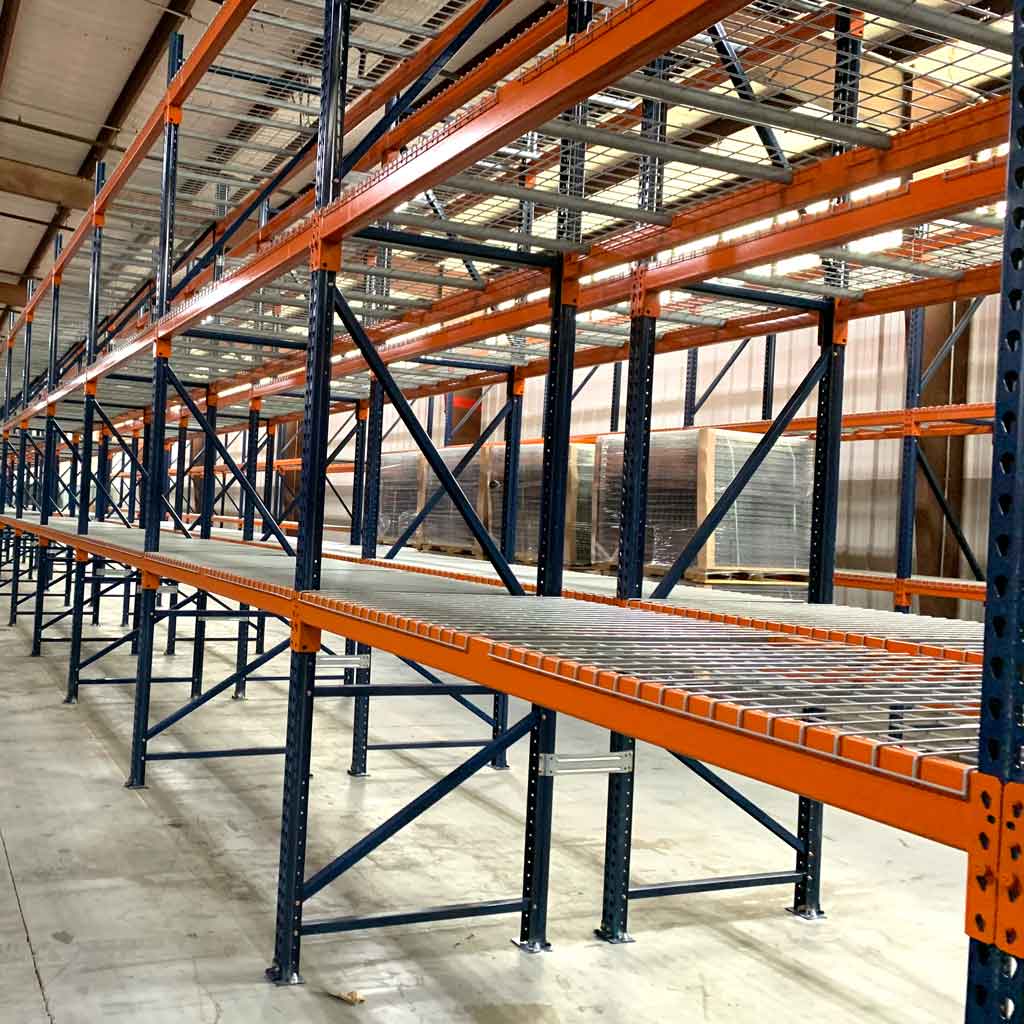
When selecting pallet rack beams, you’ll encounter two main types: step beams and structural beams. Step beams have a special ledge, usually 1 5/8 inches deep. This ledge is designed to hold wire decking or pallet supports securely, preventing items from falling off the shelves.
Structural beams, on the other hand, are built from strong C-channel steel. They offer greater rigidity and can handle heavier loads. These are the best choice for demanding applications or areas where forklifts might bump into the racks. They provide superior strength and durability for high-traffic environments.
Structural beams offer enhanced torsional rigidity and resistance to deformation under heavy loads, making them ideal for the most demanding industrial applications.
How to Determine Beam Capacity
Beam capacity is a critical safety factor. It’s almost always rated as a ‘per pair’ measurement. To figure out what you need, take the weight of your heaviest pallet and multiply it by how many pallets you plan to store on that level. Most levels hold two or three pallets.
For example, if your heaviest pallet weighs 2,500 pounds and you plan to put two on a level, you need beams rated for at least 5,000 pounds per pair. Always err on the side of caution and choose beams with a capacity higher than your calculated minimum. This ensures safety and prevents premature wear.
Choosing the Right Beam Length
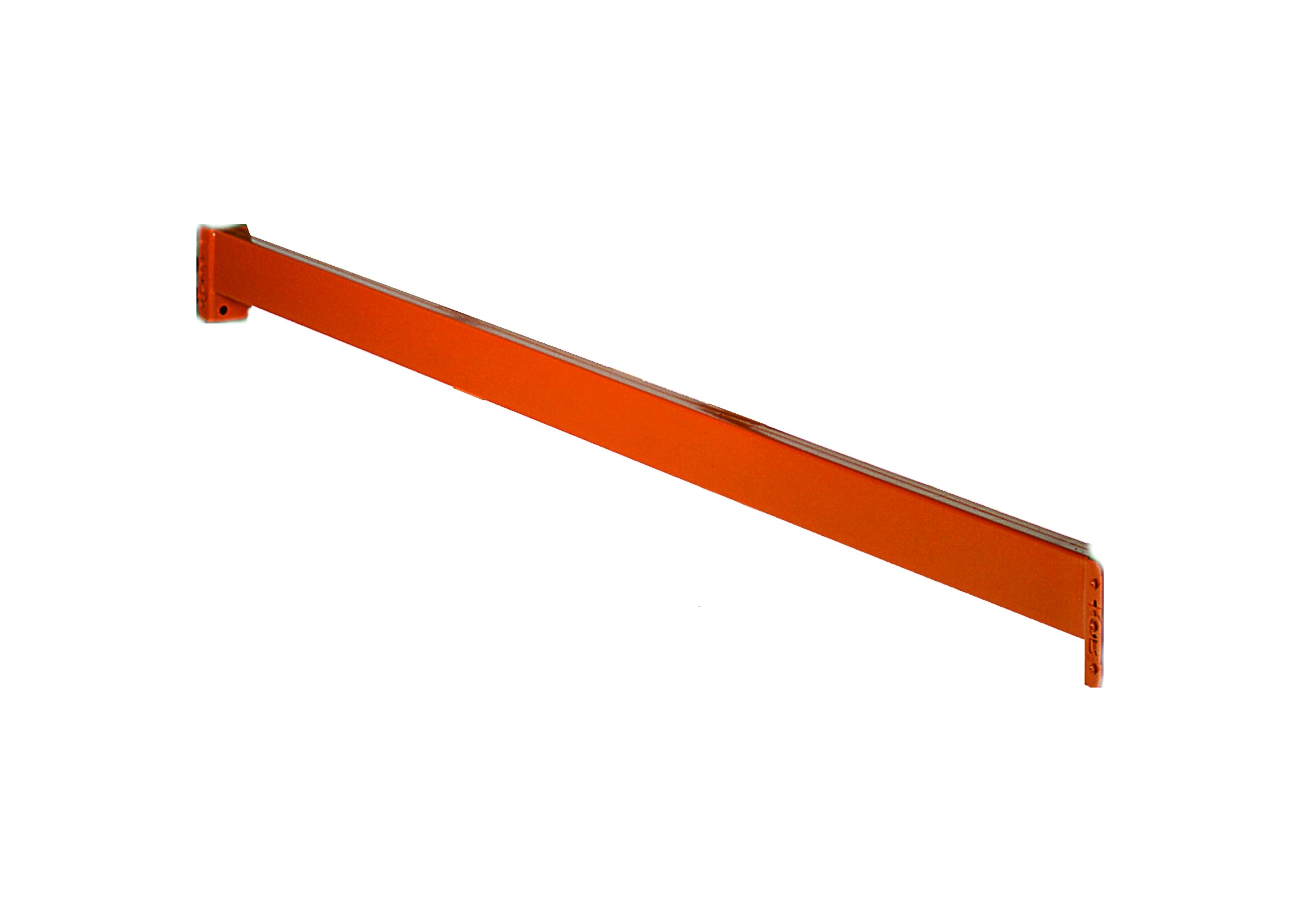
Common beam lengths you’ll find are 8 feet (96 inches), 9 feet (108 inches), and 12 feet (144 inches). The standard choice for storing two 40-inch wide pallets side-by-side is the 96-inch beam. This length provides just enough space for two pallets without excessive overhang.
Consider your pallet dimensions carefully. If you store wider or narrower pallets, you may need different beam lengths. Measuring your typical pallet load and planning your layout will help you select the most efficient beam length for your operation.
Pallet Support Beams for Stability
While not always a primary cross beam, pallet support beams are vital for certain storage needs. They are often used in conjunction with step beams to provide extra support for pallets, especially when the pallet itself doesn’t have a solid bottom deck. These supports ensure that your load is stable and evenly distributed across the main beams.
These internal supports prevent sagging and add an extra layer of security. They are particularly useful for non-standard pallet sizes or loads that might otherwise be unstable. Using them correctly enhances the overall safety and integrity of your pallet racking system.
Industrial Shelving Beams for Warehouses
In the context of warehouse rack beams, the term ‘industrial shelving beams’ often refers to the same components used in pallet racking. These beams form the fundamental structure for storing goods at various heights. Their robust construction is designed to withstand the rigors of a busy industrial environment.
The strength and reliability of these beams are paramount. They are engineered to meet strict safety standards, ensuring that your inventory is stored securely. The right selection of industrial shelving beams contributes directly to operational efficiency and workplace safety.
Warehouse Rack Beam Installation Tips
Installing warehouse rack beams is straightforward, especially with the popular teardrop connectors. Ensure the upright frames are stable and properly anchored. Then, simply align the beam connectors with the holes on the uprights and push down until they click securely into place.
Always double-check that each beam is fully engaged and locked. Listen for the distinct ‘click’ sound that indicates a secure connection. Avoid forcing beams; if they don’t fit easily, re-check alignment and compatibility. Proper installation is key to achieving the rated load capacity.
Storage Rack Beam Safety Standards
Safety is non-negotiable in warehouse operations. Storage rack beams must meet specific industry standards to ensure they can safely support the intended loads. Manufacturers often cite minimum yield strengths, such as 50,000 psi for high-strength structural steel, which guarantees long-term durability.
Always refer to the manufacturer’s specifications for load capacities and installation guidelines. Regularly inspect your beams for any signs of damage, such as bending or cracks. Adhering to these standards and performing routine checks prevents accidents and costly damage to your inventory.
The market continues to see advancements in material science, leading to pallet rack beams with enhanced performance and extended longevity, even under extreme conditions.
The Future of Pallet Rack Beams in 2026
Looking ahead to 2026, pallet rack cross beams remain a foundational element in warehouse logistics. We’re seeing a continued emphasis on materials that offer greater strength-to-weight ratios and improved resistance to impact and wear. This means beams will likely become even more durable and efficient.
The trend towards automation and high-density storage will also influence beam design. Expect to see more specialized beam types that integrate seamlessly with automated systems and support heavier, more complex loads. The core function of providing reliable support will endure, but the engineering will become more sophisticated to meet evolving warehouse demands.
Your 3-Step Action Plan for Choosing Pallet Rack Cross Beams
Step 1: Measure and Match
Measure the distance between your upright frames to determine the beam length you need. Standard lengths like 96 inches work for two 40-inch pallets side by side.
Step 2: Calculate Load Capacity
Multiply the weight of your heaviest pallet by the number of pallets per level (usually 2 or 3). This gives you the minimum per-pair capacity required.
Step 3: Choose Beam Type
Select step beams for wire decking or structural beams for heavy-duty applications. Ensure the connector style matches your uprights (teardrop is most common).
Common Mistake: Mixing beam types or capacities with existing racks. Always verify compatibility to avoid safety risks.
Frequently Asked Questions
Can I use step beams on structural uprights?
No, step beams are designed for teardrop uprights only. Structural beams match bolt-together or structural frames.
How do I know if used beams are safe?
Inspect for bends, cracks, or missing connectors. If in doubt, purchase new beams with a rated capacity label.
What is the standard beam depth for pallet racking?
Beam depth typically matches the upright depth, commonly 42 or 48 inches. Measure your pallet depth plus clearance.
Choosing the right cross beams is critical for warehouse safety and efficiency. By focusing on length, capacity, and type, you ensure a system that lasts.
Start by measuring your uprights and calculating your load needs. Then, select beams that match your rack type and budget.
In 2026, advanced coatings and higher-strength steel make beams more durable than ever. Investing in quality now means fewer replacements later.
