


Are you sitting on a warehouse full of inventory you need to move fast? Business liquidation auctions are your fastest way to turn that stock into cash, often in days not months. Many owners leave money on the table by not using these specialized online marketplaces.
The truth is, liquidation auctions aren’t just for failing businesses. Smart companies use them to clear seasonal overstock, sell off outdated equipment, or downsize before a move. In 2026, the process is faster and more transparent than ever before.
How Business Liquidation Auctions Work for Selling Assets Fast
Major platforms like Liquidation.com and B-Stock Solutions connect you with thousands of verified bidders looking for wholesale lots. You set a starting price, and the auction runs for a set period, typically 7 to 14 days. The highest bidder wins, and you ship the goods using their prepaid labels or arrange pickup.
For specialized equipment like restaurant gear or industrial machinery, auction houses such as OrbitBid or A.J. Willner Auctions handle the entire process. They photograph each item, write detailed descriptions, and manage the bidding from start to finish. Their fees range from 10% to 30% of the final sale price, but you save on marketing and logistics headaches. The key is to price items realistically based on recent sales data these platforms provide.
Business Liquidation Auctions: Your 2026 Asset Recovery Guide
Business liquidation auctions are a smart way to sell company items. This happens when a business closes or downscales. You can recover money from inventory, equipment, and furniture. Specialized online sites and auctioneers make this process efficient. Many businesses use these services to get capital back quickly. This market is strong in 2026.
| Asset Type | Average Cost/Value Range (USD) | Typical Recovery Rate | Estimated Sale Time |
| Inventory Lots | $500 – $50,000+ | 40-70% of wholesale | 1-4 weeks |
| Restaurant Equipment | $1,000 – $100,000+ | 30-60% of market value | 2-6 weeks |
| Industrial Machinery | $5,000 – $500,000+ | 50-80% of appraised value | 4-12 weeks |
| Office Furniture | $500 – $20,000+ | 20-50% of original cost | 1-3 weeks |
Assets Move Fast: Business Asset Auctions Explained
These auctions sell a wide range of company items. You will find everything from computers to heavy machinery. Online platforms like Liquidation.com handle large volumes. They connect sellers with buyers globally. This is a key part of B2B liquidation marketplaces. It helps businesses sell quickly.
Kitchen Cash-Out: Restaurant Equipment Liquidation Strategies
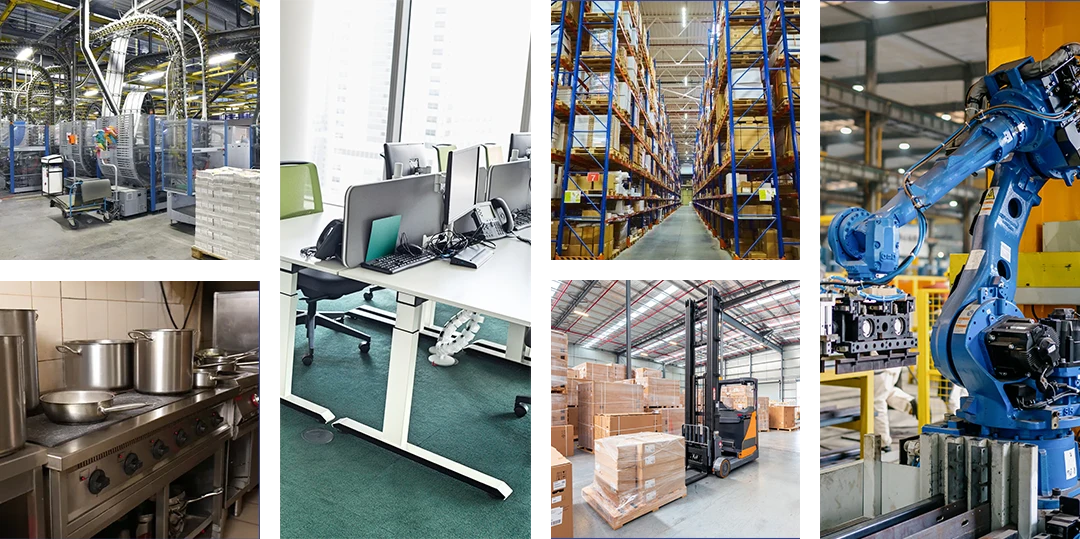
Selling restaurant equipment needs a specific approach. Auctions can move ovens, refrigerators, and tables fast. Specialized auctioneers understand this market. They know how to price and market these items. This helps maximize your return on investment. Look for auction houses experienced in food service.
Heavy Duty Deals: Industrial Machinery Auctions for Sellers
Industrial machinery auctions are for specialized equipment. Think large presses, lathes, or manufacturing lines. These assets often require on-site or specialized online auctions. Auctioneers with technical knowledge are crucial. They can properly appraise and market complex machinery. This ensures a fair price and efficient sale. OrbitBid is one such specialist.
Office Refresh: Office Furniture Liquidation: Maximizing Returns
When downsizing, office furniture can be a challenge. Auctions offer a way to sell desks, chairs, and cubicles. You can recover some of your initial investment. Good presentation is key for higher prices. Clear photos and descriptions help buyers. This is part of efficient asset sales.
Digital Deals: Online Business Auctions: Platforms and Tips
Online business auctions are very popular now. Platforms like B-Stock Solutions offer direct access. They provide detailed asset lists and photos. Buyers can bid from anywhere. It is important to choose a reputable platform. Read reviews and understand their fees. This makes online auctions secure.
Bulk Buys: Inventory Wholesale Auctions for Buyers
Buyers find great deals at inventory wholesale auctions. You can purchase large lots of goods. This bypasses normal distribution channels. It means lower prices for you. Direct Liquidation is a known provider. Always check the lot details carefully. Understand what you are buying before bidding.
Space Solutions: Commercial Property Liquidation Process
Sometimes, the entire commercial property is liquidated. This can include the building and its contents. Auctions can sell the real estate itself. Or they focus on selling all the business assets within. This process requires careful planning and legal oversight. It is a complex but thorough divestment.
Streamlined Sales: Downsizing Auctions: Efficient Asset Sales
When a company is downsizing, auctions are efficient. They sell off surplus assets quickly. This frees up space and capital. It is a structured way to manage the sale. Downsizing auctions help businesses transition smoothly. They focus on selling what is no longer needed.
The Future is Auction: Smart Asset Moves
Business liquidation auctions are essential in 2026. They offer a vital secondary market. Buyers get great deals on needed assets. Sellers recover capital efficiently. The technology continues to improve. This makes the process more transparent and global. For sellers, it is about smart recovery. For buyers, it is about smart acquisition. Always research your auctioneer and platform. Visit Business Liquidation Auction for more insights. Consider OrbitBid for specialized needs. Be prepared, do your homework, and make your move.
Your 3-Step Action Plan for Business Liquidation Auctions
Step 1: Define Your Target Assets
Identify exactly which categories of equipment or inventory you need. Focus on sectors where you have expertise, like restaurant gear or industrial machinery.
This prevents impulse bidding on items you can’t resell or use effectively. Stick to your list to maximize ROI.
Step 2: Vet the Auction Platform
Research the auctioneer’s reputation and check for detailed asset descriptions and photos. Look for platforms that offer buyer protections like escrow or return policies.
Avoid auctions with vague listings or no historical data. Trustworthy sites like Liquidation.com or B-Stock provide transparent bidding histories.
Step 3: Set a Budget and Stick to It
Determine your maximum bid including buyer’s premium and shipping costs. Remember that prices can escalate quickly in competitive lots.
Use a bidding tool or set a firm mental limit. Winning is only profitable if you stay disciplined.
Common Mistake: Overlooking hidden fees like loading costs or taxes. Always calculate total cost before bidding.
Frequently Asked Questions
Can I inspect items before bidding?
Many online auctions provide detailed photos, videos, and condition reports, but on-site previews are often available for heavy equipment. Always check the listing for inspection dates or request additional images from the auctioneer.
What happens if the item arrives damaged?
Most platforms have a dispute process for shipping damage, but you typically need to document the issue within 24-48 hours. Read the terms carefully, as many sales are ‘as-is’ with no warranty.
How do I estimate a fair bid price?
Research recent sales of similar assets on the same platform or marketplaces like eBay. Factor in a 20-30% discount for the auction risk and logistics costs.
Business liquidation auctions offer a proven path to acquire commercial assets at significant discounts. By following a disciplined strategy, you can turn surplus into profit.
Start by creating a watchlist on a trusted platform today. Your next winning bid is just a click away.
As the auctioneer’s gavel falls, a new opportunity rises. Embrace the efficiency of the secondary market and build your inventory smarter.
