


Your business card is often the first impression you make on a potential client. If it looks dated or cheap, they might question your legal expertise. Don’t let a flimsy card undermine your authority before you even get a chance to speak.
A well-designed card signals trust, attention to detail, and professionalism. It should be a tool that makes it easy for people to reach you, not a piece of clutter they throw away. Let’s look at what makes a legal business card effective in 2026.
Design Elements That Build Trust for Lawyer Business Cards
The classic 3.5 x 2.0 inch size is still the standard because it fits perfectly in wallets and cardholders. Choose a thick, premium cardstock with a matte finish to convey quality without being flashy. Many attorneys now add a QR code that links directly to their digital profile or a V1CE card, making contact sharing effortless.
Include your full name and designation, such as Esq. or J.D., your law firm name, and direct phone and email. Adding your practice area, like Family Law or Personal Injury, helps clients remember why they need you. Avoid overcrowding the card; white space makes the important information stand out.
High-quality printing services like Zazzle and Canva offer customizable templates specifically for legal professionals. For a truly polished look, consider a specialized provider like Lawyer Studio Design. Remember, state bar rules require that your designations are clear and not misleading, especially for non-lawyer staff.
| Product | Average Price ($) | Highlight |
|---|---|---|
| Printable Templates (DIY) | 10 – 30 | Cost-effective for basic needs. |
| Basic Card Stock (Bulk Order) | 50 – 100 | Standard quality for high volume. |
| Canva Premium Templates | 15 – 50 (monthly) | User-friendly design tools and assets. |
| Zazzle Custom Design | 75 – 150 | Wide variety of paper stocks and finishes. |
| V1CE Digital Card | 99 – 199 (annual) | Eco-friendly, modern, and trackable. |
| Lawyer Studio Design (Basic Package) | 150 – 250 | Professional, law-specific designs. |
| Walker Advertising (Custom Design) | 200 – 400 | Tailored branding for law firms. |
| Jukebox Print (Premium Stock) | 100 – 200 | Thick, high-quality paper options. |
| AttorneyAtWork (Premium Design Service) | 250 – 500 | Bespoke designs for established attorneys. |
| Specialty Finishes (e.g., Foil, Spot UV) | 150 – 300+ | Adds a touch of luxury and distinction. |
WHAT REALLY WORKS
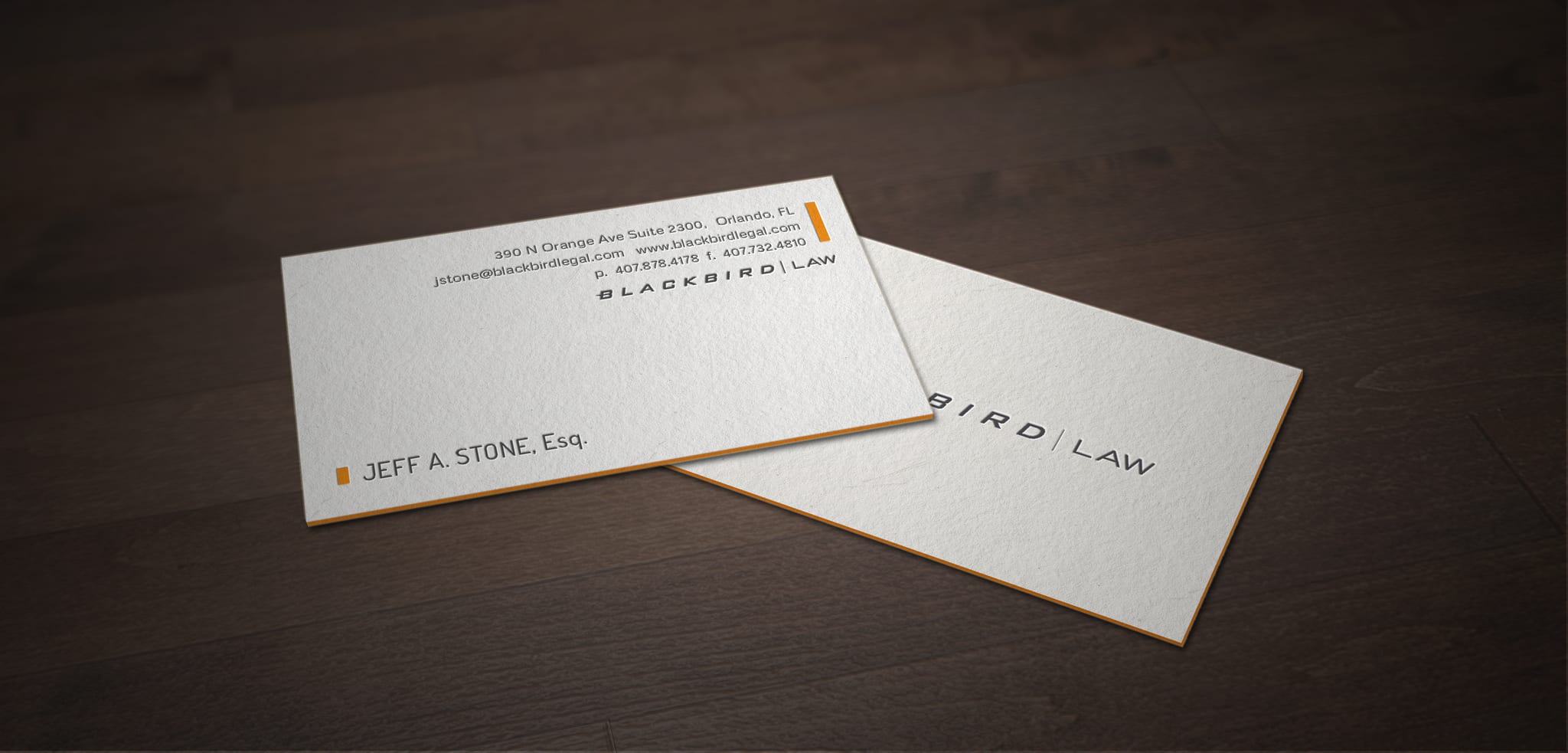
For legal professionals, business cards are more than just contact info. They are miniature billboards conveying trust and competence. A well-designed card for a lawyer can make a significant first impression.
The material and finish matter. Thicker card stock feels more substantial. Spot UV or foil accents can highlight your name or firm’s logo. This adds a premium feel, common for attorney business cards.
Why Lawyers Need Professional Business Cards
Choosing the right business card is crucial for any attorney. Consider your practice area and target clients. A conservative design might suit a family law practice, while a modern look could work for a tech-focused firm. Ensure all designations are accurate, as per bar association rules. This builds credibility instantly.
Read also: Rent a drone for less than $200? Here’s how to choose the best service
1. Printable Templates (DIY)
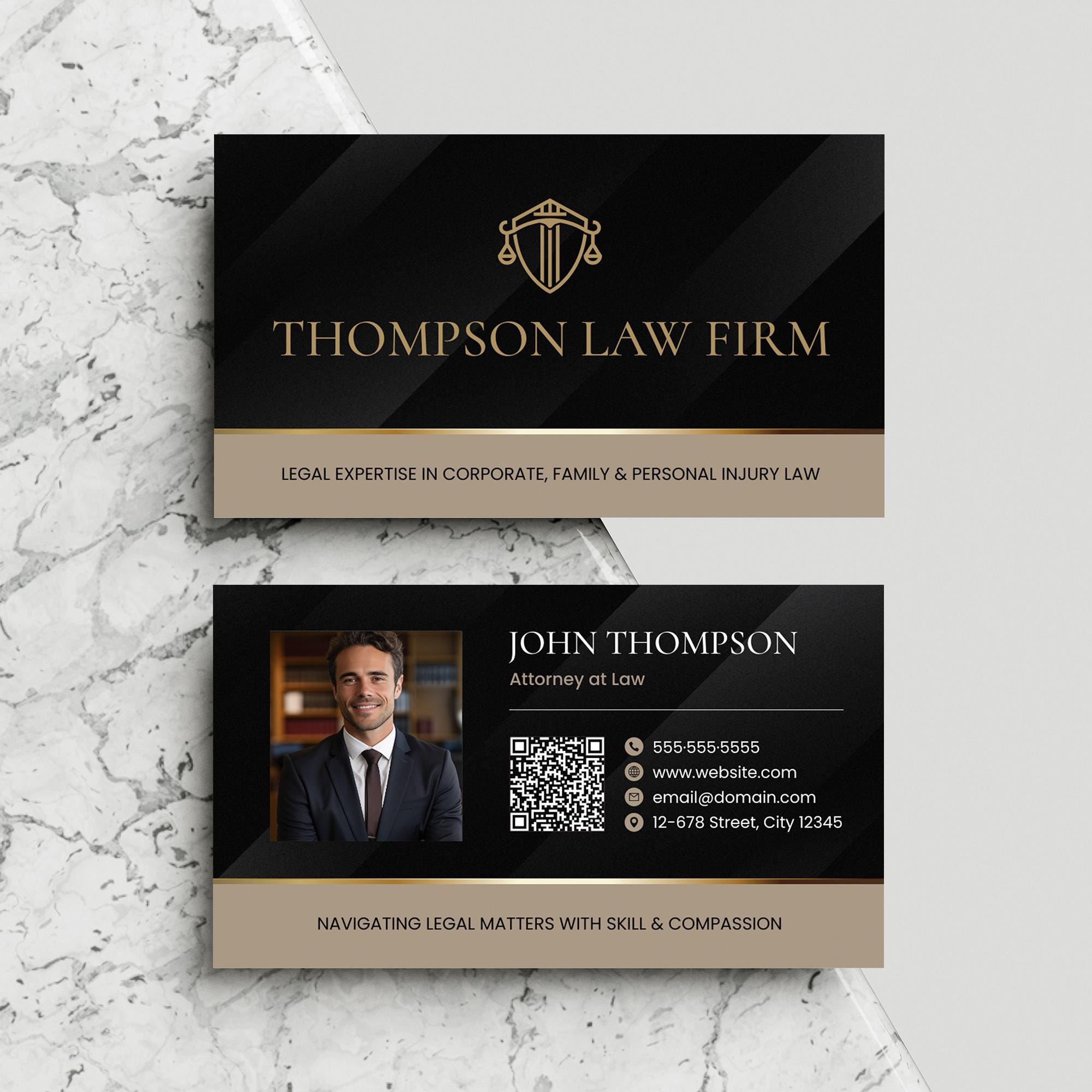
These offer the lowest entry cost for attorney business cards. You download a template and print them yourself. This is ideal for new lawyers or those on a very tight budget.
Average Price: $10 – $30
Practical Tip: Use a good quality printer and card stock for a more professional look. Avoid flimsy paper.
2. Basic Card Stock (Bulk Order)
Ordering in bulk from online printers is cost-effective. You get standard quality cards suitable for high-volume networking. This is a practical choice for many law firm business cards.
Read also: 52 Customizable Folders That Will Organize Your Life in 2026
Average Price: $50 – $100
Practical Tip: Order more than you think you need. Running out can be inconvenient.
3. Canva Premium Templates
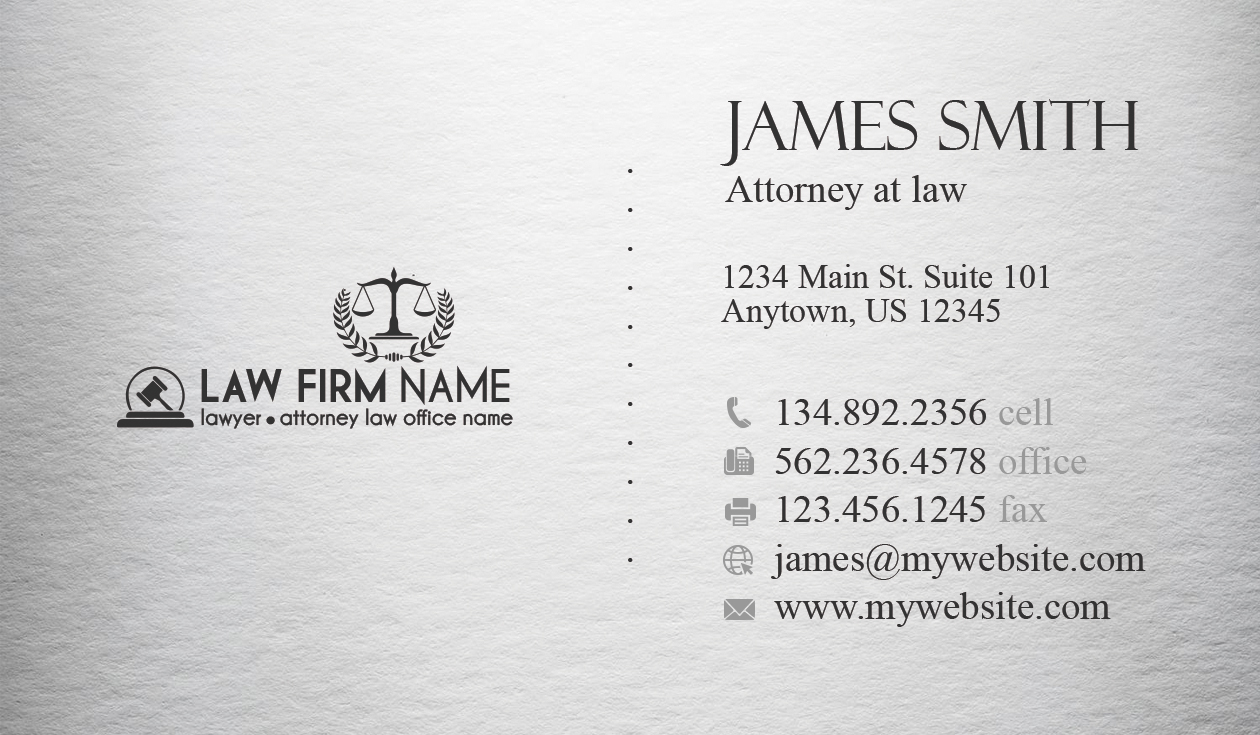
Canva provides easy-to-use design tools and many lawyer business cards templates. Their premium subscription offers more options and features.
Average Price: $15 – $50 (monthly subscription)
Practical Tip: Explore different layouts to find one that best represents your legal services.
4. Zazzle Custom Design
Zazzle offers a vast selection of customizable lawyer business cards. You can choose from many paper types and finishes for a unique look.
Average Price: $75 – $150
Practical Tip: Look for discounts and compare prices before finalizing your order.
5. V1CE Digital Card
This is a digital business card solution. It’s eco-friendly and allows for easy updates to your contact information. It’s a modern alternative for tech-savvy legal professionals.
Average Price: $99 – $199 (annual subscription)
Practical Tip: Share your digital card via text or email for instant contact exchange.
6. Lawyer Studio Design (Basic Package)
This service specializes in designs for attorneys. Their basic package offers professional, law-specific templates that convey authority.
Average Price: $150 – $250
Practical Tip: Ensure the design aligns with your firm’s overall brand identity.
7. Walker Advertising (Custom Design)
Walker Advertising offers custom design services tailored for law firms. They focus on creating strong branding that attracts clients.
Average Price: $200 – $400
Practical Tip: Discuss your ideal client profile with the designer for targeted results.
8. Jukebox Print (Premium Stock)
Jukebox Print is known for its high-quality paper options. Their premium stocks give your attorney business cards a substantial and luxurious feel.
Average Price: $100 – $200
Practical Tip: Consider silk or matte finishes for a sophisticated appearance.
9. AttorneyAtWork (Premium Design Service)
This service provides premium, bespoke design for established attorneys. They create unique cards that stand out in a competitive market.
Average Price: $250 – $500
Practical Tip: This is an investment for lawyers seeking a truly distinctive brand presence.
10. Specialty Finishes (e.g., Foil, Spot UV)
Adding finishes like foil stamping or spot UV coating elevates standard cards. These details make your custom lawyer cards memorable and professional.
Average Price: $150 – $300+ (added to base card cost)
Practical Tip: Use these finishes sparingly to highlight key information like your name or firm logo.
WHICH ONE TO BUY TODAY? (VERDICT)
For the best value, starting with a well-designed template from Canva or Zazzle is practical. You get professional results without a huge upfront cost. These options allow for customization that reflects your practice area effectively.
The best investment for long-term impact is a custom design from a specialized service like Lawyer Studio Design or AttorneyAtWork. These services ensure your business card design for attorneys is unique and professional. A high-quality, custom card builds immediate credibility and trust with potential clients.
Read also: Rent Paper Shredder? Why Mobile Shredding Wins in 2026
Final Checklist: What to Verify When Your Cards Arrive
Open the box immediately and inspect every card under natural light. Look for smudges, misaligned text, or uneven cuts—these are common with rush orders.
Step 1: Check the Basics
- Confirm your name, title, and firm are spelled correctly. One typo can cost you a client.
- Verify the QR code scans to the correct digital profile. Test it with your phone right away.
Step 2: Assess Print Quality
- Rub your thumb across the card. If the ink smears or flakes, reject the batch immediately.
- Hold the card up to light. Thick, opaque stock feels premium; thin paper looks cheap.
Step 3: Match Your Brand
- Compare the card’s color and font to your firm’s official logo. Inconsistency undermines trust.
- Ensure the back of the card is clean or intentionally designed. Blank backs can appear unfinished.
What to Avoid
- Never laminate standard business cards—it makes them feel plasticky and unprofessional.
- Avoid glossy finishes for legal cards; they show fingerprints and reflect harsh light in meetings.
Frequently Asked Questions
Do I need to include ‘Esq.’ on my card?
It’s optional but common in the US to signal you’re a licensed attorney. Check your state bar rules—some jurisdictions discourage it for non-litigators.
Can I use a digital business card instead of paper?
Yes, digital cards like V1CE or NFC-enabled ones are eco-friendly and easy to update. However, many clients still expect a physical card during in-person meetings.
How many cards should I order for my first batch?
Start with 500 cards—enough for networking events and daily use without risking outdated info. Most printers offer bulk discounts at 1,000, but only order that if you attend frequent conferences.
Your business card is often the first tangible impression you make—it must reflect your competence and attention to detail. By following this guide, you ensure every handshake ends with a memorable, professional token.
Now, take your new cards to your next networking event and test them in the wild. Observe how people react—do they glance and pocket it, or read it and ask questions?
In 2026, the blend of classic paper and smart digital integration defines the modern attorney. Your card should bridge that gap effortlessly, making you unforgettable.
