


You own a domain name that’s just collecting dust. That’s money sitting idle. Selling domains isn’t just for tech experts; it’s a real way to turn a forgotten web address into cash.
Many people think you need a fancy website or traffic to sell. The truth is, the right domain name itself can be valuable. Let’s skip the guesswork and get straight to how you can sell your domain for real money.
Turn Your Domain Into Cash: The Best Marketplaces and Strategies
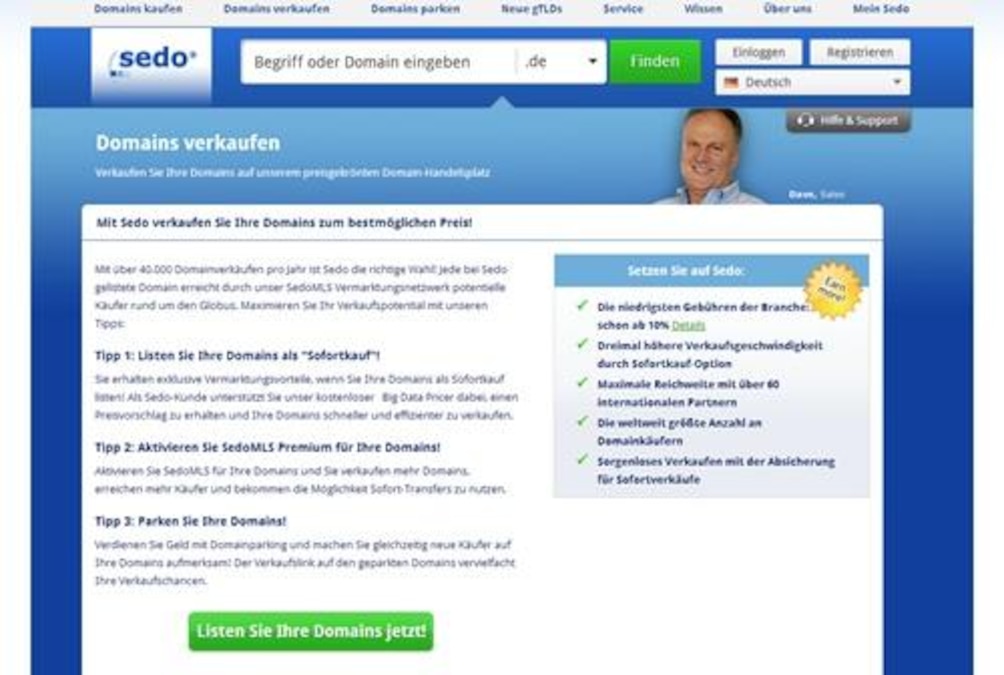
The first step is choosing where to list your domain. The biggest platforms in 2026 are Sedo, Afternic, and Flippa. Sedo is great for a global audience and offers escrow service built-in. Afternic taps into GoDaddy’s huge customer base, giving your domain massive visibility.
Pricing your domain right is key. Use tools like GoDaddy’s appraisal to get a starting point, but also check recent sales of similar names. A short, brandable .com with a popular keyword like ‘AI’ or ‘smart’ can sell for thousands. Avoid overpricing; a realistic price tag sells three times faster, according to Sedo data.
Selling Domains in 2026: Your Digital Asset Strategy
The market for selling domain names is active. You can make money from digital assets. Understanding the process is key. This guide shows you how to sell domain names effectively.
| Service | Average Cost (2026) | Notes |
| Marketplace Listing Fee | 0% – 25% of sale price | Varies by platform and services used. |
| Escrow Service Fee | 0.5% – 2% of sale price | Ensures secure transactions. |
| Domain Appraisal Tool | Free – $50 | Provides an estimated value. |
| Domain Brokerage Fee | 10% – 20% of sale price | For high-value domains and expert negotiation. |
Sell Your Domain Name Fast
To sell a domain name quickly, use a ‘Buy It Now’ price. Buyers want to purchase domains without delay. This fixed price method speeds up the sale process. It appeals to those ready to buy.
This approach works well for domains with clear value. It removes negotiation time. You can list your domain for sale with a set price.
Next, let’s look at where you can sell.
Domain Name Marketplace Overview

Several platforms help you sell domain names. Sedo is a large global marketplace. Afternic uses GoDaddy’s network for exposure. Flippa is good for domains with websites. Namecheap offers an easy listing option. Dynadot has auction and fixed-price sales.
Each marketplace has different strengths. Choosing the right one increases your chances. These platforms are essential for domain trading.
Knowing your domain’s worth is crucial. We will cover domain appraisal next.
Domain Appraisal: What Is Your Domain Worth
Accurate domain valuation is vital. Use appraisal tools for an estimate. Tools from GoDaddy and IONOS can help. But do not rely on them alone. Check similar domain sales. Consider the domain’s brandability and keywords.
A good domain name is memorable. It should be easy to spell. Keyword relevance also adds value. This helps buyers find your domain.
Understanding value leads to better sales models. Let’s compare auctions and brokerage.
Domain Auction vs. Brokerage
Auctions are great for trending domains. Think about new tech terms. Bidding can drive up the price. Auctions create urgency for buyers. They usually last about seven days.
Domain brokerage is for premium domains. A broker negotiates for you. This is best when the value is high. Brokers take a commission on the sale. This service is for high-stakes domain trading.
Secure transactions are important. Let’s discuss the transfer process.
Secure Domain Transfer Process
A secure domain transfer protects everyone. Use escrow services for safety. Escrow holds the buyer’s money. The seller transfers the domain. Then, the escrow service releases funds. This prevents fraud.
Platforms like Domainname.de include escrow. It builds trust in the process. This is a standard practice for domain monetization.
Some domains are worth more. We will explore premium domain names.
Premium Domain Names: Value and Investment
Premium domain names are valuable assets. They are often short and brandable. They might contain popular keywords. Domains related to AI or tech are in demand. These domains can be a good investment.
Their value comes from their potential. Businesses want strong online identities. A premium domain helps build that. It is a digital asset with high potential.
For beginners, flipping domains is an option. Let’s look at domain flipping strategies.
Domain Flipping Strategies for Beginners
Domain flipping means buying low and selling high. Start with affordable, quality domains. Look for names with good keywords. Research market trends carefully. Use marketplaces to list your domains.
The goal is quick profit. Focus on domains that are easy to sell. Avoid complex or long names. This is a way to practice domain trading.
Selling is not the only way to earn. Consider other monetization methods.
Domain Monetization Beyond Selling
You can earn money from domains without selling. One way is domain parking. This displays ads on your domain. You earn revenue from clicks. Another method is leasing your domain.
This provides ongoing income. It is a form of domain monetization. It keeps the domain as an asset. You can explore these options too.
The Future of Domain Sales
Selling domain names will remain strong. Demand for clear, brandable names continues. Emerging tech sectors drive new opportunities. Focus on quality and strategic pricing. Use reputable marketplaces for sales. Always prioritize secure domain transfer.
For hands-on advice: start by appraising your current domains. Use free tools and market research. Then, choose a marketplace like Namecheap Marketplace. List your domain with a clear price. Monitor offers and be ready to negotiate. Remember, patience and strategy lead to sales.
Your 3-Step Action Plan to Sell Domains
Step 1: Audit Your Portfolio. List all your domains and assess each one for keyword relevance, brandability, and TLD strength. Remove any domains that are not worth the renewal fee.
Step 2: Choose Your Sales Channel. List premium domains on Sedo or Afternic for maximum exposure. Use Flippa for domains with existing traffic or content, and Namecheap for a simple, integrated experience.
Step 3: Set Your Price and Go Live. Research comparable sales to set a realistic fixed price or minimum bid. Activate the marketplace’s landing page and escrow service to ensure a smooth, secure transaction.
What to Avoid
- Overpricing based on automated appraisals alone; always cross-check with recent sales data.
- Ignoring the ‘For Sale’ landing page; it captures direct buyer interest and increases credibility.
- Skipping escrow for payment; never transfer the domain before funds are secured.
Frequently Asked Questions
How long does it take to sell a domain name?
It varies widely; generic short domains can sell in days, while niche names may take months. Patience and competitive pricing are key to a faster sale.
What is the best marketplace for a beginner?
Namecheap or Afternic are user-friendly and integrate with major registrars. Both offer straightforward listing processes and built-in escrow.
Should I set a fixed price or allow offers?
Fixed price sells up to three times faster, ideal for standard domains. Use ‘Make Offer’ for premium names where buyer negotiation can maximize value.
By following these steps, you turn domain names from simple registrations into valuable digital assets. The aftermarket rewards strategic sellers who price well and use the right platforms.
Now is the time to review your portfolio and list your first domain on a marketplace. Start with one premium name to test the process and build confidence.
Imagine your domain becoming the home of a future startup or a viral brand. That potential is what makes domain selling both profitable and exciting in 2026.
