


Your business card is often the first physical impression you make, yet most cards end up in the trash within seconds. Ditch the boring, generic templates that scream ‘cheap’ and learn how to design a card people actually want to keep.
In 2026, the right card can boost your credibility and spark conversations. Whether you need a budget-friendly DIY option or a premium foil-stamped statement piece, this guide covers the best services and design tips to make your card stand out.
Why Custom Business Cards Still Matter in a Digital World
Despite everyone having a smartphone, a well-designed business card creates a tactile, memorable connection. Services like MOO offer ‘Printfinity’ so each card in your order can have a unique design, perfect for showcasing multiple products or services.
For a luxury feel, consider foil stamping from 48HourPrint or textured paper from RockDesign. Minimalist designs with clean typography and ample white space remain the top trend, especially when paired with a premium stock like recycled paper.
Always include a QR code linking to your portfolio or booking page, and remember the 0.125-inch safety line to avoid cutting off critical elements. Avoid high-gloss finishes if readability is key; matte is more professional.
Premium Business Card Printing
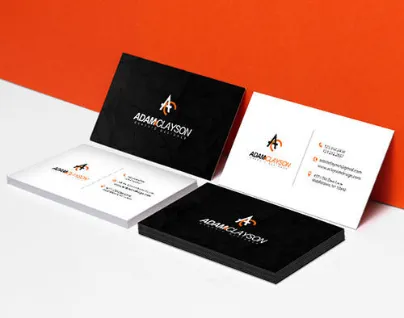
Elevate your brand with premium business card printing. These cards offer a tangible sense of quality that cheap printing cannot match. They make a strong first impression for any professional.
Matte Finish Cards
A matte finish offers a sophisticated, non-reflective surface. It enhances readability by reducing glare. This is a popular choice for custom business cards.
Soft-Touch Lamination
Soft-touch lamination adds a velvety, smooth feel to your cards. It provides a luxurious tactile experience. This finish makes your professional business card design stand out.
Read also: 52 Customizable Folders That Will Organize Your Life in 2026
Spot UV Coating
Spot UV adds a glossy, raised layer to specific design elements. It creates a striking contrast against a matte background. This technique highlights logos or text effectively.
Thick Card Stock Options
Using heavier card stock, like 32pt or higher, gives cards a substantial feel. This thickness communicates durability and importance. It is a key element in premium business card printing.
Modern Business Card Ideas
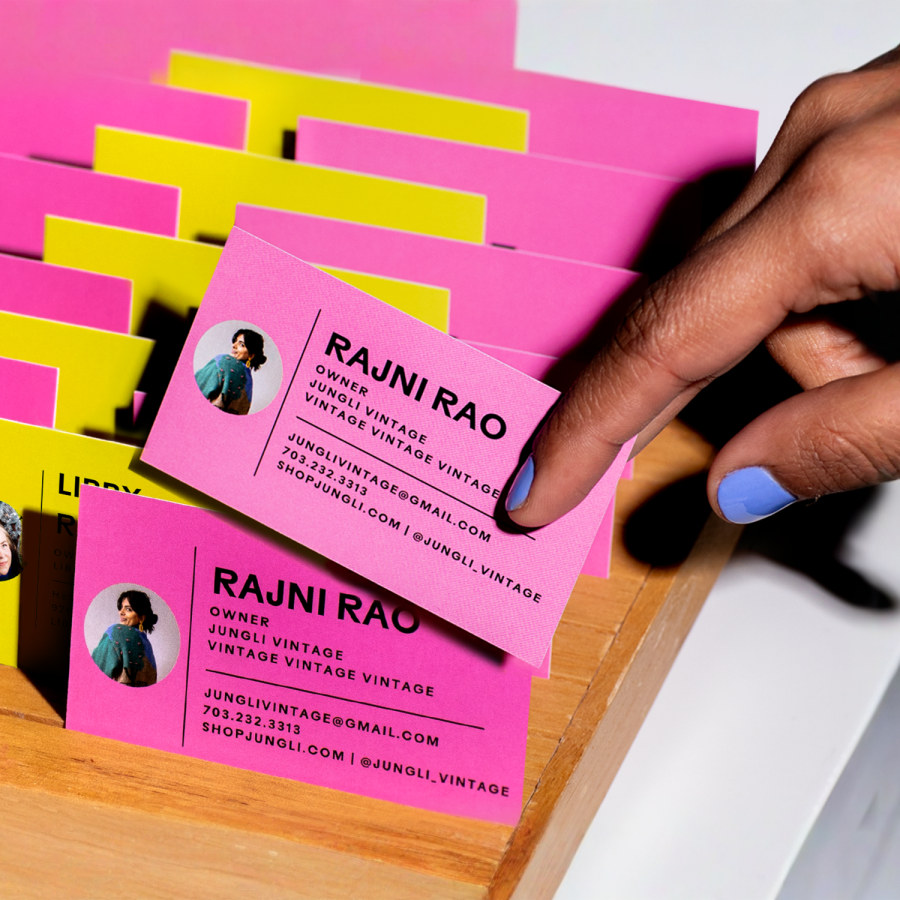
Modern business card ideas focus on clean design and impactful visuals. They often incorporate minimalist aesthetics or unique layouts. The goal is to be memorable and professional.
Minimalist Layouts
Minimalist business cards use ample white space and clean typography. They focus on essential information only. This approach conveys sophistication and clarity.
Read also: Print Flyers Same Day: Cutoff Times & Costs You Need to Know
QR Code Integration
Adding a QR code is a practical modern touch. It allows instant access to your website or social media. This bridges the physical card with your digital presence.
Geometric Patterns
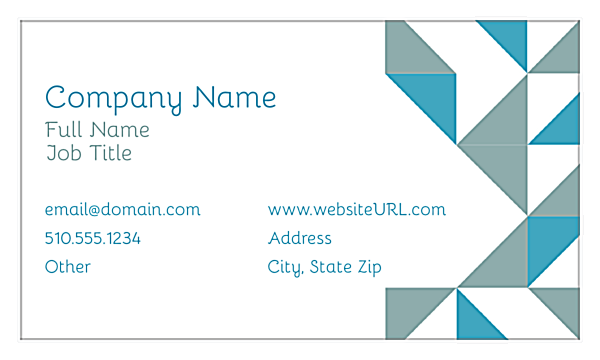
Abstract geometric patterns can add visual interest without clutter. They offer a contemporary feel. Consider using subtle, repeating shapes for a refined look.
Unique Font Choices
Selecting a distinctive, readable font is crucial. A modern sans-serif or a stylized serif can define your brand. Ensure the font complements your overall design aesthetic.
Creative Business Card Templates
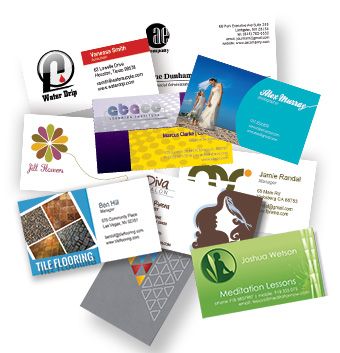
Leveraging creative business card templates can spark inspiration. Many online services offer unique designs. You can adapt these to fit your specific brand needs.
Foil Business Cards
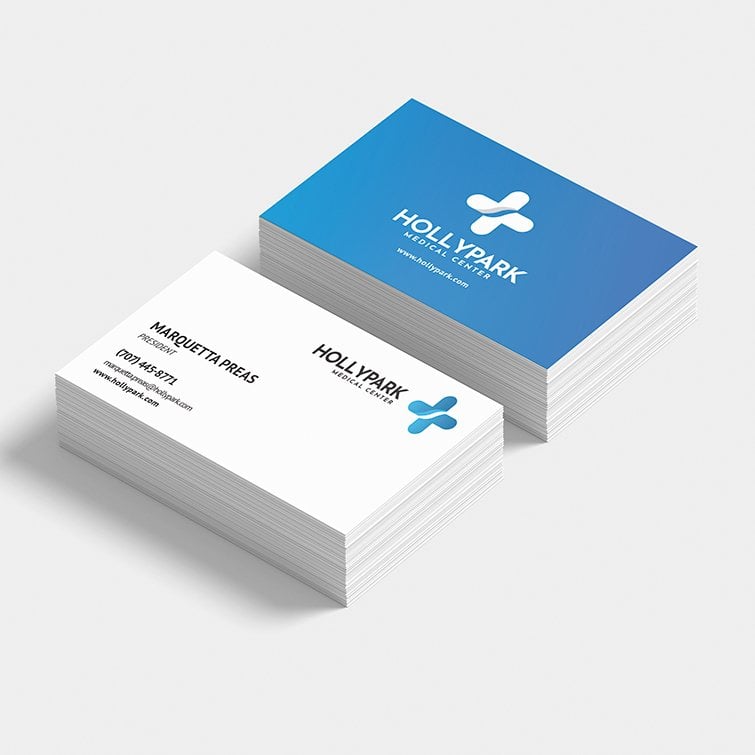
Foil business cards add a touch of metallic shine to your design. This premium finish catches the light and draws attention. It is ideal for conveying luxury and prestige.
Gold Foil Accents
Gold foil adds a classic, elegant shimmer to your cards. It works well for highlighting names or logos. This is a popular choice for luxury business cards.
Silver Foil Details
Silver foil offers a cool, modern metallic gleam. It provides a sophisticated contrast on dark backgrounds. Consider silver for a sleek, high-tech brand image.
Rose Gold Foil Highlights
Rose gold foil provides a warm, trendy metallic finish. It adds a unique pop of color and shine. This option is great for brands aiming for a contemporary feel.
Foil Stamping Techniques
Foil stamping uses heat and pressure to apply metallic foil to paper. Different techniques can create varied effects. This process is key for achieving that premium look.
Die Cut Business Cards
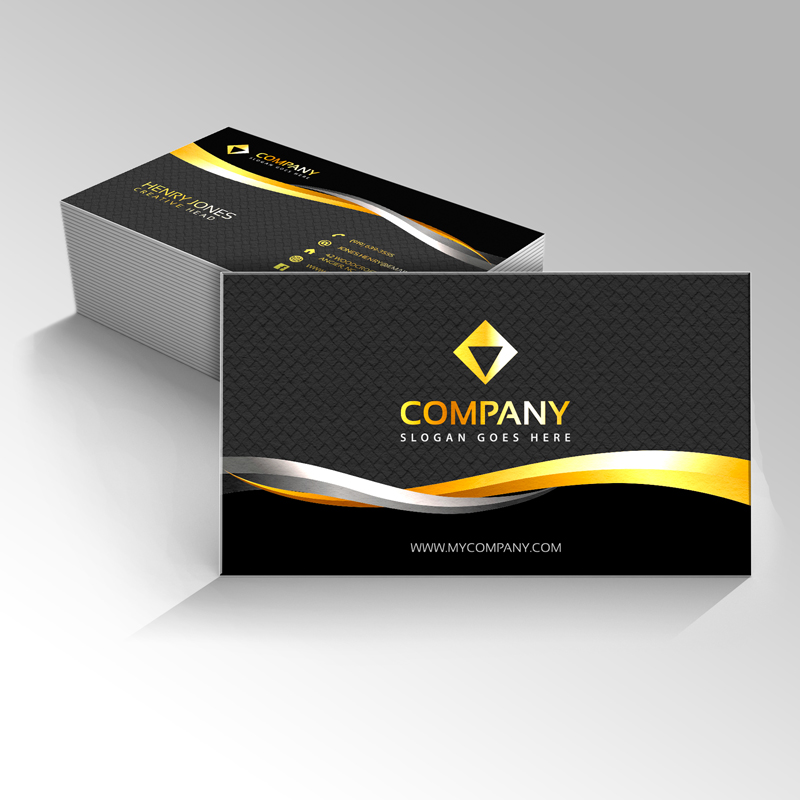
Die cut business cards feature custom shapes that go beyond the standard rectangle. This unique form makes your card instantly recognizable. It offers a memorable physical interaction.
Custom Logo Shapes
Shaping your card like your logo creates strong brand recognition. It is a bold statement for any business. This is a highly effective way to stand out.
Unique Geometric Cuts
Beyond standard shapes, consider unique geometric die cuts. Think circles, ovals, or custom polygon forms. These add an artistic and modern flair.
Product-Inspired Shapes
If your business is product-focused, a card shaped like your product can be impactful. This is a very direct way to communicate your offering. Ensure the shape is still practical to handle.
Rounded Corners
Rounded corners offer a softer, more approachable feel than sharp edges. They prevent dog-earing and improve durability. This is a simple yet effective customization.
Textured Business Cards
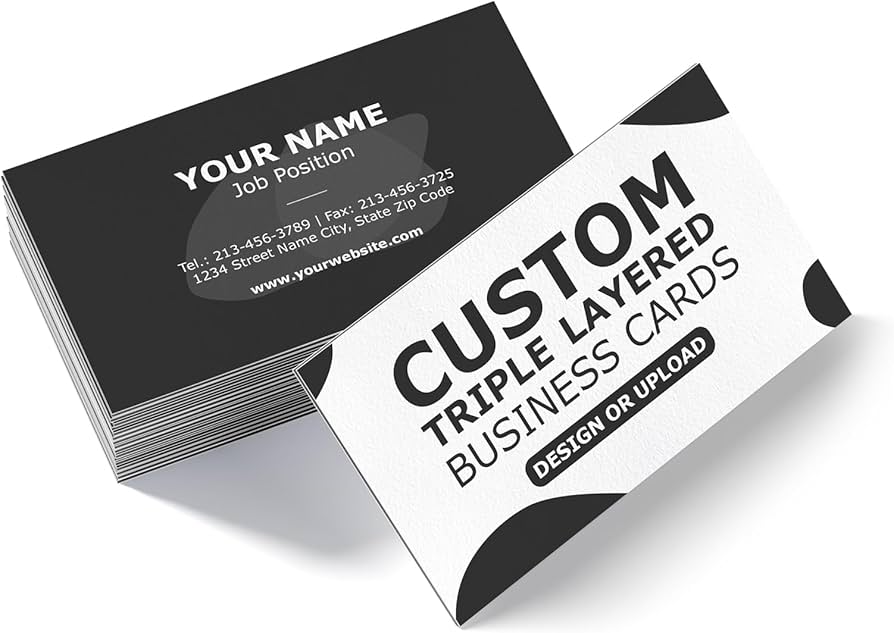
Textured business cards engage the sense of touch, making them more memorable. The tactile feel adds a layer of sophistication. This is a key element in modern business card ideas.
Recycled Paper Texture
Recycled paper offers a natural, slightly rough texture. It appeals to eco-conscious brands. This material choice communicates sustainability.
Embossed Lettering
Embossing raises text or graphics from the card surface. This creates a raised, tactile effect. It adds a classic and elegant dimension to your design.
Letterpress Finish
Letterpress creates a debossed, indented effect on the paper. This gives a vintage, artisanal feel. It is a hallmark of high-quality, handcrafted printing.
Linen Texture Stock
Linen stock has a subtle, woven pattern that mimics fabric. It provides a refined and classic texture. This is a great option for a sophisticated feel.
Minimalist Business Cards
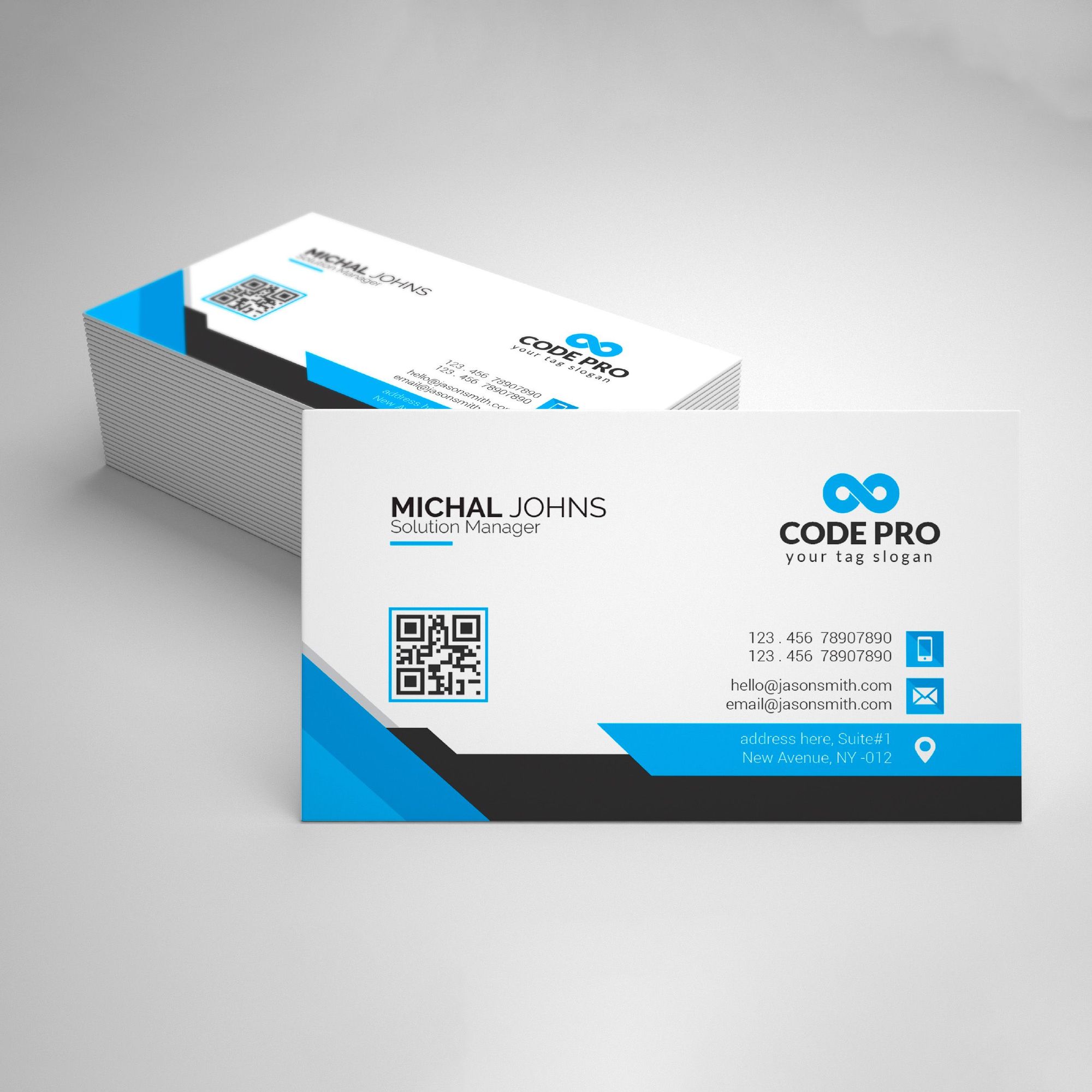
Minimalist business cards strip away the unnecessary, focusing on clarity. They use simple layouts and limited color palettes. This approach emphasizes content and brand identity.
Clean Typography Focus
Minimalist designs rely heavily on font choice and hierarchy. Clear, legible fonts are paramount. The arrangement of text guides the reader’s eye effectively.
Limited Color Palettes
Using only one or two colors, often neutrals, is key. This creates a cohesive and uncluttered look. It ensures the focus remains on the essential information.
Ample White Space
Generous use of white space, or negative space, is crucial. It prevents the design from feeling crowded. This breathing room makes the card easy to read and visually appealing.
Subtle Branding Elements
Minimalist cards may feature a small logo or icon. The brand name is presented clearly but without fanfare. This understated approach conveys confidence.
DIY Business Card Design
DIY business card design allows for creative control and cost savings. Many online tools offer templates and customization options. This empowers individuals to create their own professional look.
Luxury Business Cards
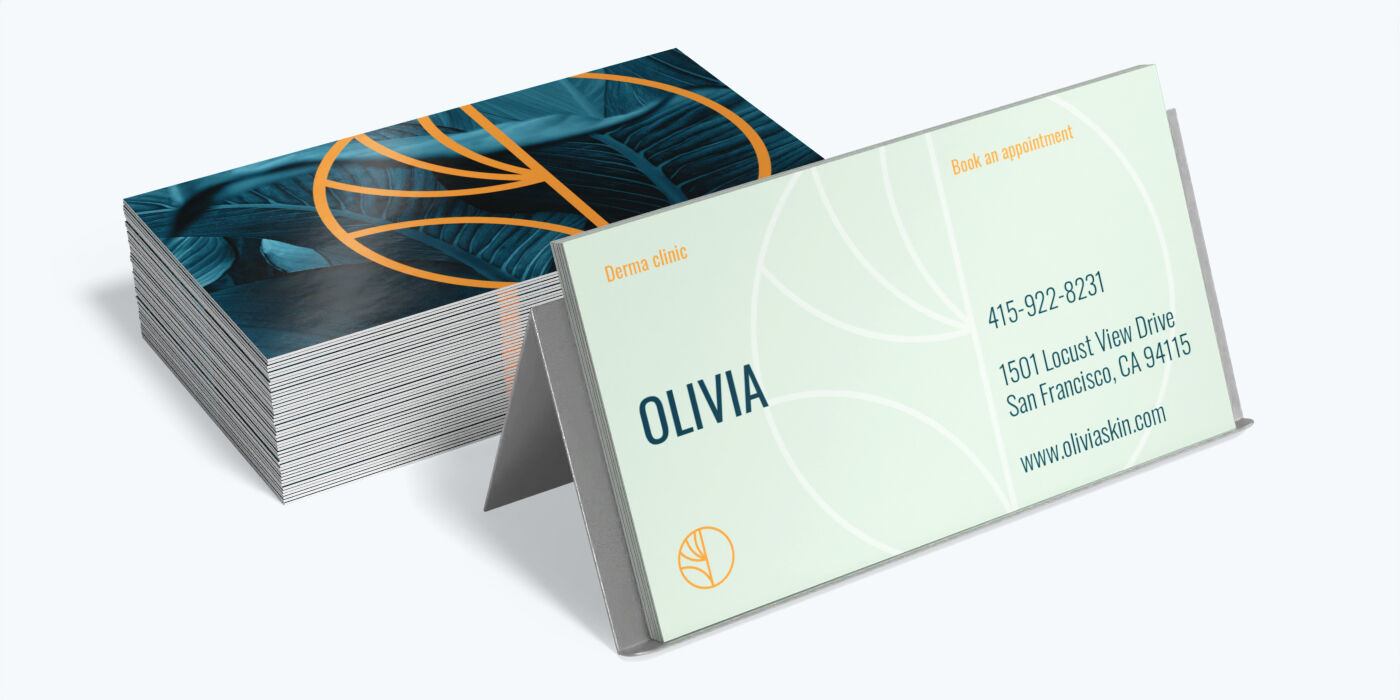
Luxury business cards are designed to convey exclusivity and high value. They often incorporate premium materials and finishes. The goal is to make a lasting, sophisticated impression.
Thick Card Stock with Edge Painting
Using very thick card stock, often 600gsm or more, feels substantial. Edge painting in a contrasting or complementary color adds a unique detail. This combination screams quality.
Die-Cut Shapes for Elegance
Even simple die-cut shapes, like elegant ovals or custom curves, elevate a card. They move beyond the standard rectangle to feel more bespoke. This is a subtle yet impactful luxury touch.
Combination Finishes
Combining multiple premium finishes, like foil stamping with spot UV on textured paper, creates depth. Each element adds a different sensory experience. This layered approach signifies true luxury.
Varnish and Soft-Touch Options
A soft-touch coating paired with a spot gloss varnish can highlight specific areas. This contrast in texture and sheen feels premium. It draws the eye to key information.
Premium Business Card Printing Services
Seeking out premium business card printing services is essential for luxury. These providers specialize in high-end finishes and materials. They ensure your vision is executed flawlessly.
Recycled Paper Business Cards
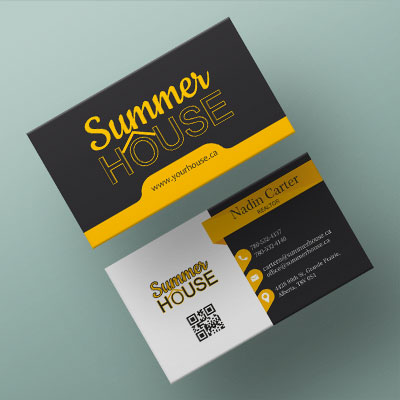
Recycled paper business cards offer an eco-friendly alternative without sacrificing style. They often have a unique, natural texture. This choice aligns your brand with sustainability.
Natural Kraft Paper
Kraft paper has a distinct brown, earthy tone and a slightly rough texture. It is perfect for brands focused on natural or organic products. This material choice is very popular.
Post-Consumer Waste Stock
Cards made from post-consumer waste fibers have a speckled appearance. This visually communicates their recycled origin. It is a clear statement of environmental commitment.
Seed Paper Options
Some recycled papers are embedded with seeds, allowing the card to be planted. This is a highly creative and memorable eco-friendly option. It offers a unique post-use experience.
Uncoated Finishes
Recycled papers often work best with uncoated finishes. This preserves their natural texture and feel. It avoids the artificial sheen of glossy coatings.
Sustainable Printing Practices
Choosing printers who use sustainable practices complements your card choice. Look for soy-based inks or wind-powered facilities. This reinforces your brand’s green message.
Read also: 55 Custom Key Cards Ideas for Hotels, Events & Access Control
Style and Reference Gallery
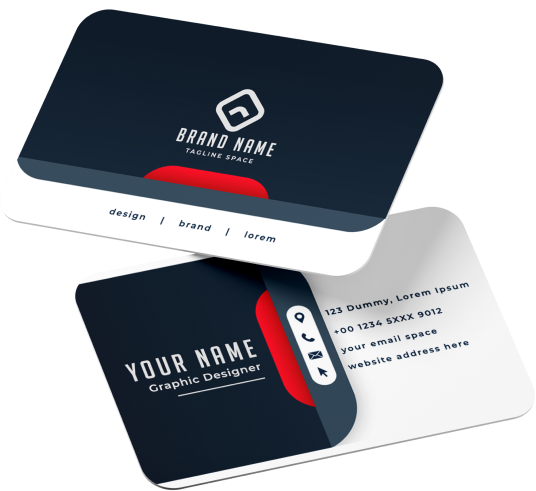
Using a vertical layout makes your card stand out in a stack. It’s unexpected and forces a second look.
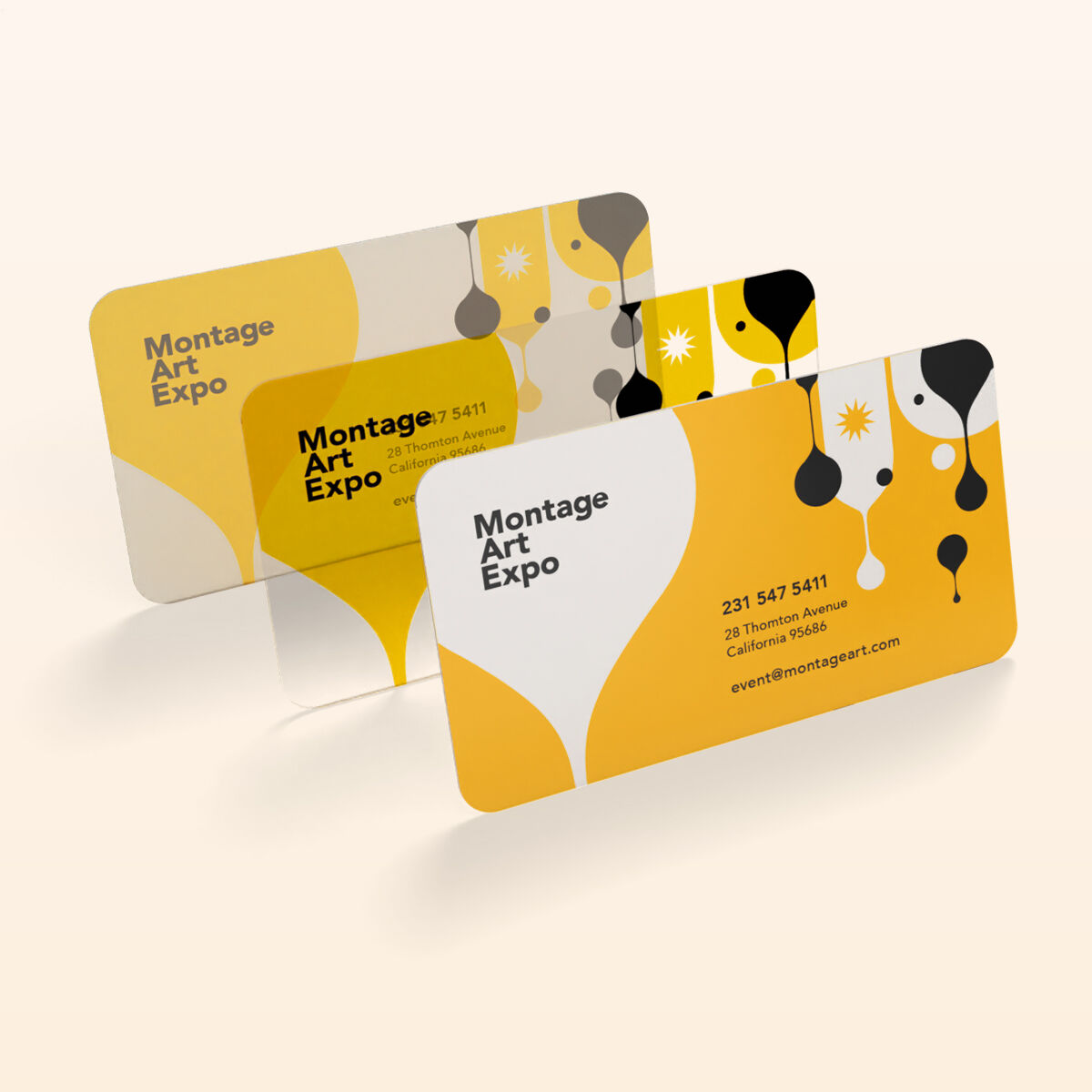
A clear acrylic card with white text feels futuristic and sleek. It’s durable and water-resistant.
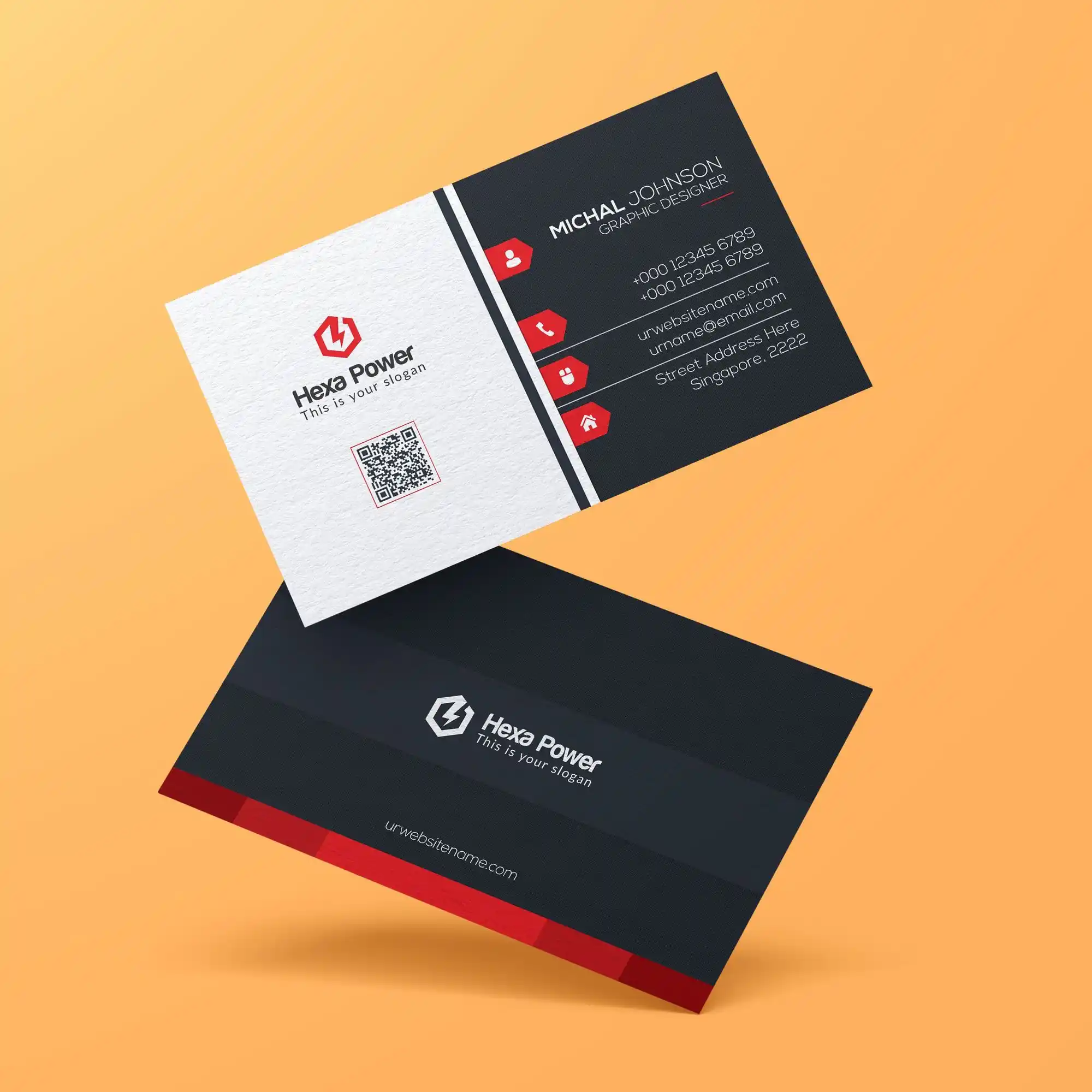
Embossing your logo adds a tactile element that feels premium. It works best on thick, uncoated stock.
A card with a fold or gate creates a mini brochure. It allows more space for a portfolio or contact info.
Soft-touch laminate gives a velvety feel that is luxurious. It’s resistant to fingerprints and smudges.
Using a single bold color for the entire card creates a powerful visual. Pair it with white foil for contrast.
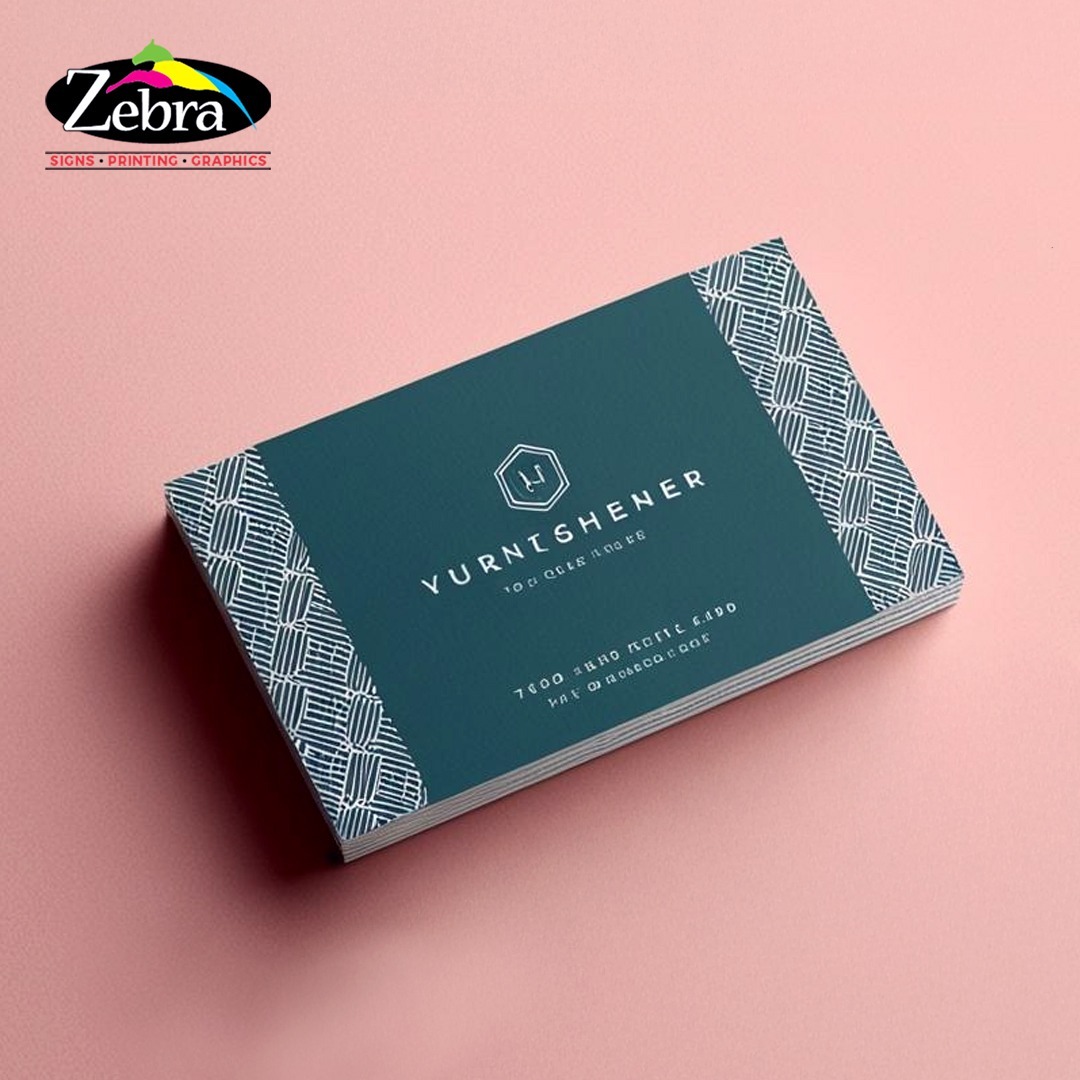
A card with a metallic edge adds a subtle gleam when viewed from the side. It’s a detail that delights.
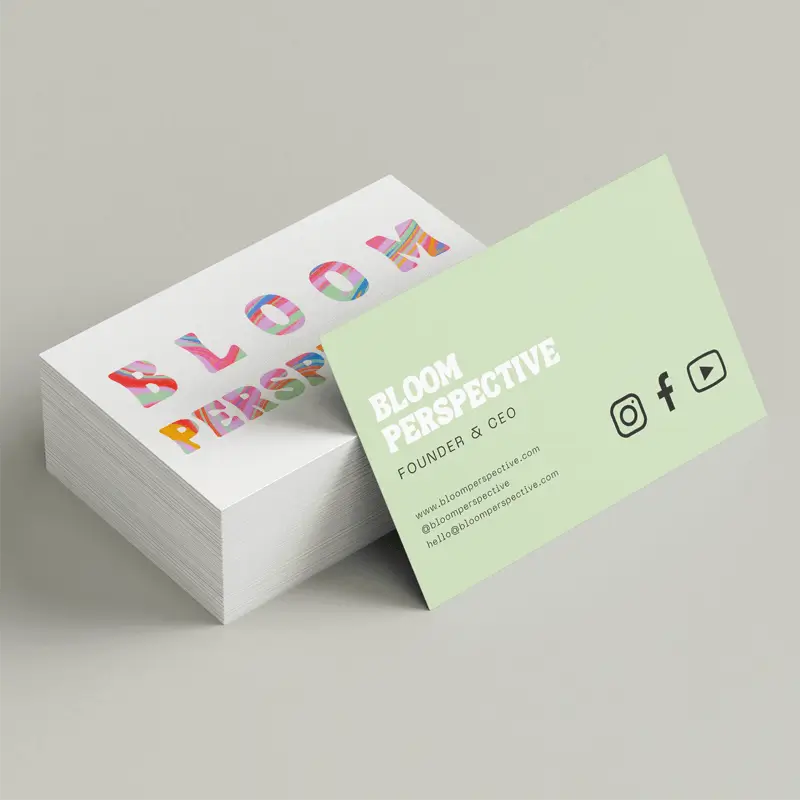
A minimalist white card with raised lettering feels clean and modern. The texture invites the recipient to hold it longer.
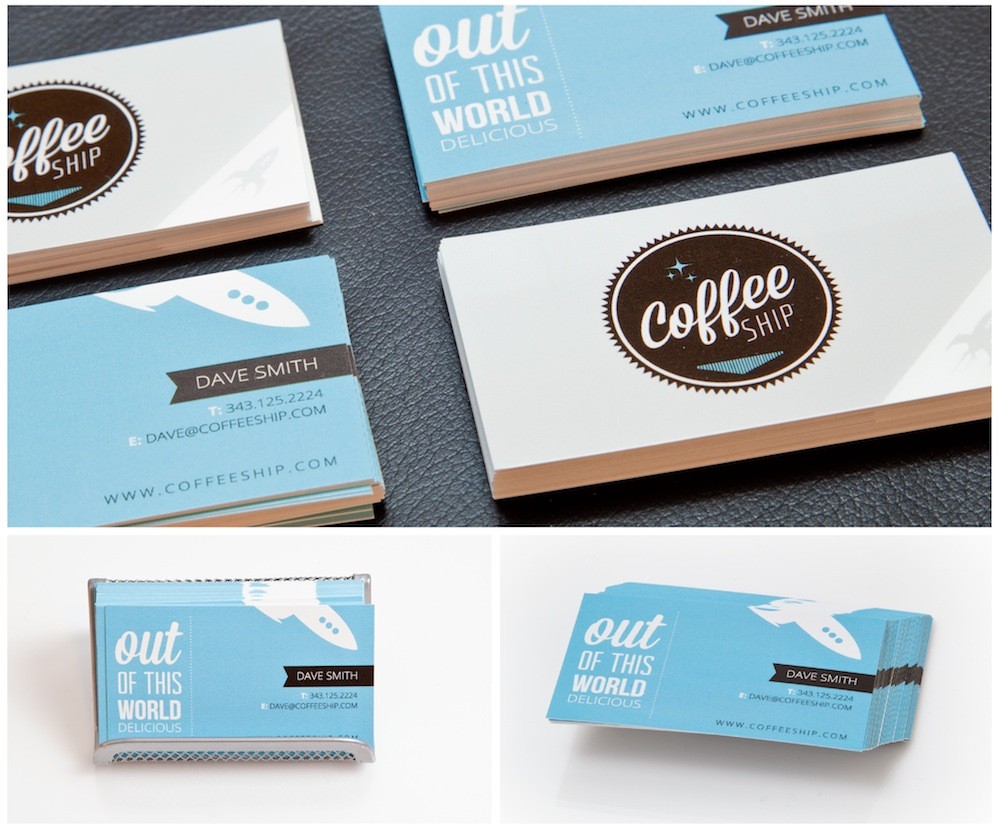
Foil stamping in rose gold catches light beautifully. Use it sparingly on a dark matte background for maximum impact.
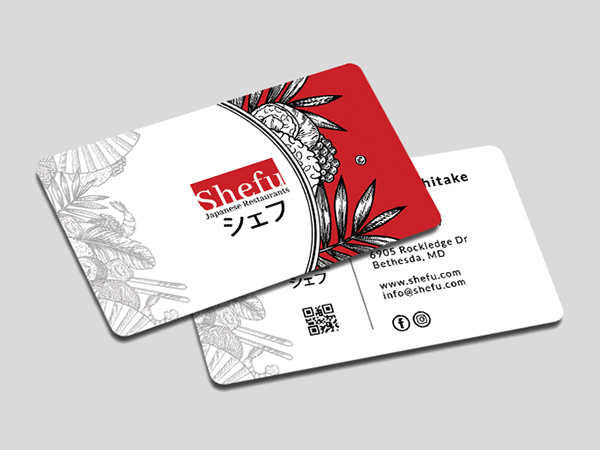
Die-cut cards shaped like your product logo are unforgettable. They show creativity and attention to detail.
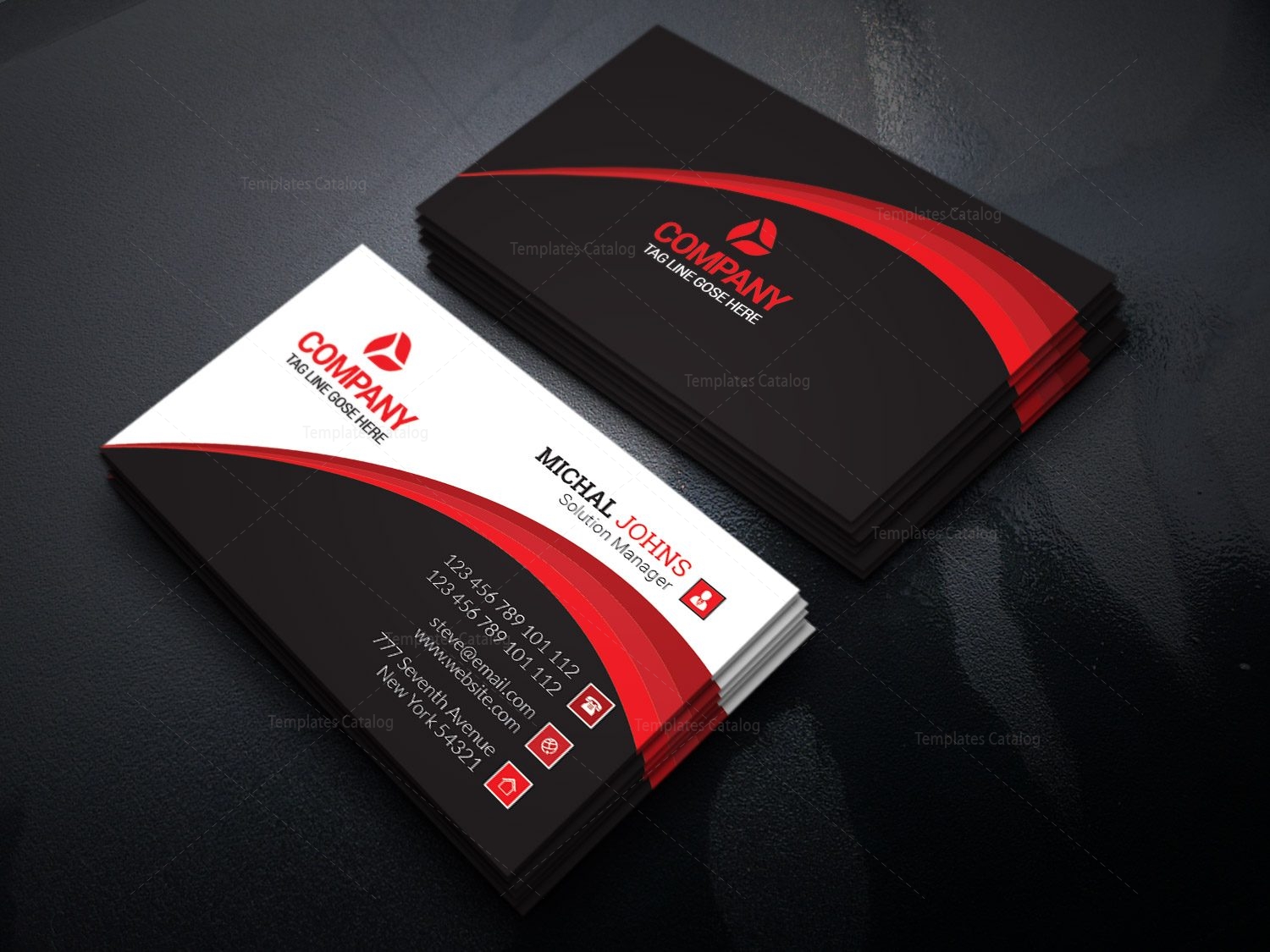
Letterpress printing leaves a deep impression on thick cotton paper. It communicates craftsmanship and quality.
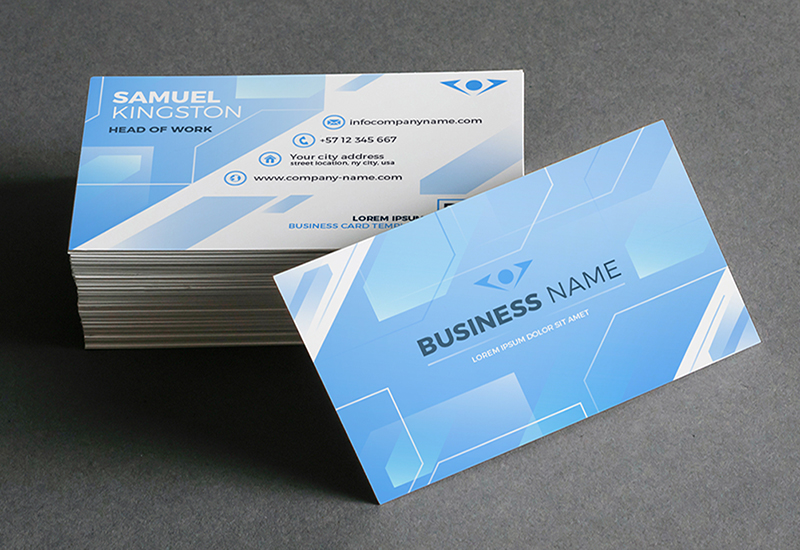
A QR code embedded in a geometric pattern blends tech with art. It’s functional without distracting from the design.
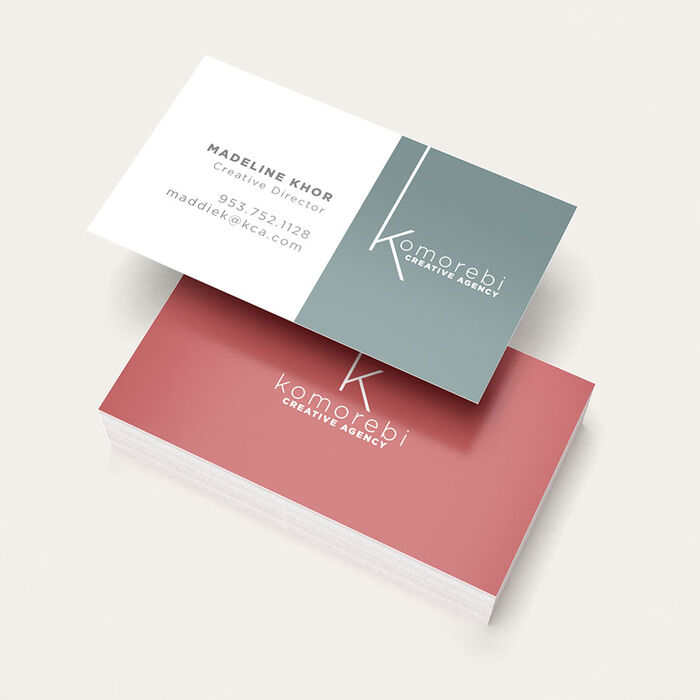
Uncoated paper with a slight tooth feels warm and natural. It’s perfect for brands focused on sustainability.
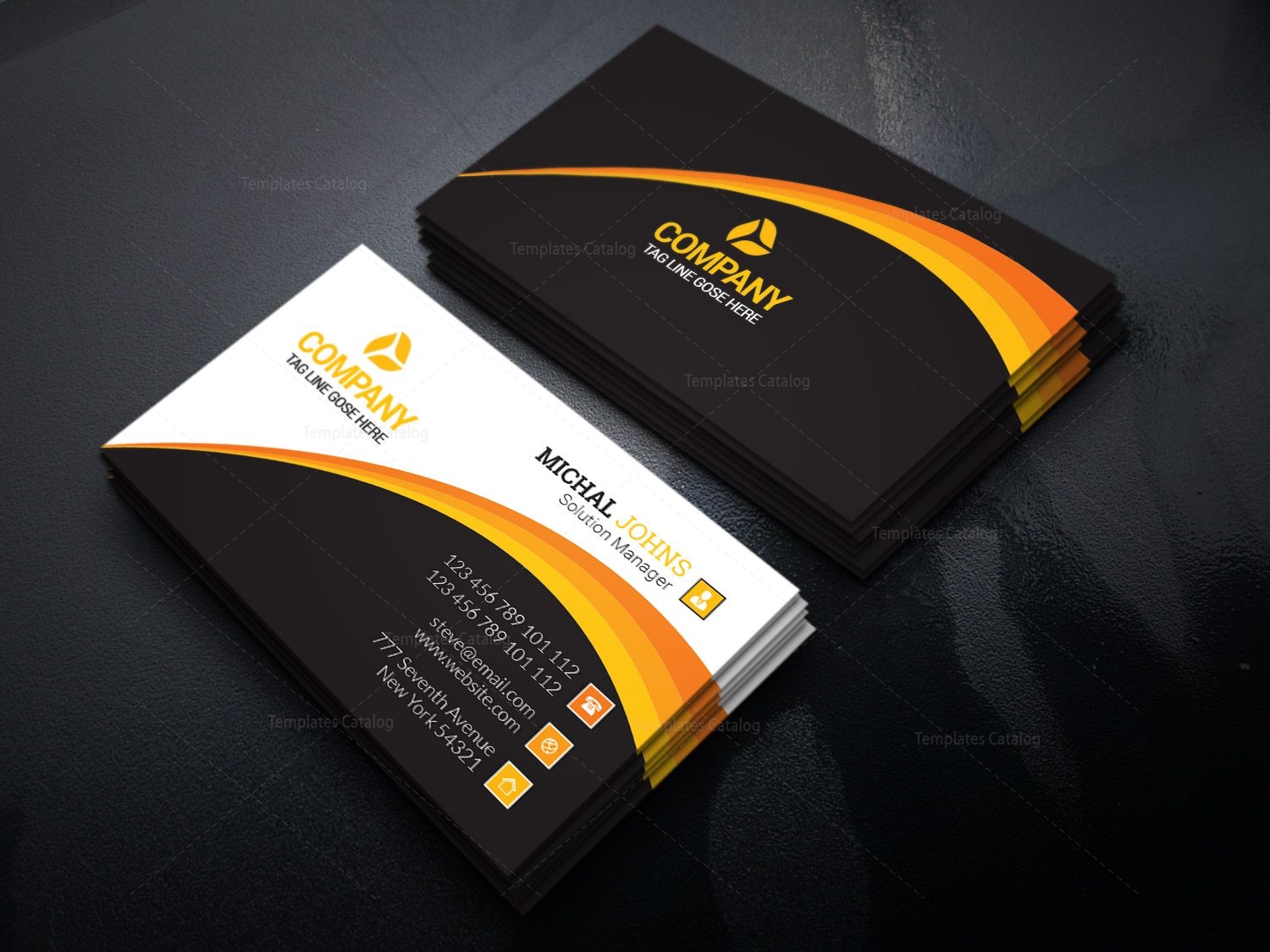
A two-sided card with a solid color on the back creates a bold statement. Keep the front clean and focused.
The Practical Side of Premium Business Cards
Step-by-Step Guide to Designing Your Card
Start with the safety line: keep all text and logos at least 0.125 inches from the trim edge. This prevents critical elements from being cut off during printing.
Choose a paper stock that matches your brand’s personality. For a luxury feel, opt for thick, uncoated paper with a subtle texture like cotton or linen.
Select a finish: matte or dull is preferred over high-gloss for readability and sophistication. Add foil stamping for key details like your name or logo.
Include a QR code that links to your LinkedIn or portfolio. Test it before sending to print to ensure it works.
Review a physical proof if available. Check colors, alignment, and cut lines under good lighting.
What to Avoid in Execution
Avoid using thin fonts or small text below 8pt. They can become illegible when printed, especially with textured paper.
Never place critical design elements near the trim edge. Use the 0.125-inch safety margin to avoid accidental cropping.
Don’t choose high-gloss finish if your card has heavy ink coverage. It can create glare and make text hard to read.
Steer clear of overly complex die-cut shapes. They can weaken the card structure and increase cost without adding value.
Avoid using low-resolution images (below 300 DPI). They will appear pixelated and unprofessional.
Maintenance Tips for Your Business Cards
Store cards in a protective case or box away from moisture and direct sunlight. This prevents warping and fading.
Keep a small stack in your bag or wallet, but rotate them regularly to avoid bending. Replace any cards that show wear.
If using foil stamping, avoid rubbing the foil against rough surfaces. It can scratch or peel over time.
Frequently Asked Questions
What is the best paper weight for a premium business card?
For a substantial feel, choose a paper weight between 14pt and 18pt. This thickness feels sturdy in hand without being too bulky.
Heavier stocks like 32pt are available but may require extra postage if mailing. Always ask your printer for samples.
How do I ensure my QR code prints correctly?
Generate your QR code at a high resolution (300 DPI) and size it to at least 0.75 x 0.75 inches. Test it with multiple devices before finalizing.
Place the QR code on a white background for best contrast. Avoid placing it near the trim edge or a fold.
Can I print different designs on each card?
Yes, services like MOO offer ‘Printfinity’ which allows a unique design on every card in the same order. This is great for showcasing multiple products or services.
Keep in mind that this option may increase cost and turnaround time. Plan your designs carefully to maintain brand consistency.
Choosing premium business cards is an investment in your brand’s first impression. The right combination of paper, finish, and design can set you apart in any networking situation.
Now that you know the practical steps, it’s time to create your own design. Start by sketching your layout and requesting samples from a trusted printer.
In 2026, the most memorable cards are those that engage multiple senses—touch, sight, and even sound. Imagine handing over a card with a subtle embossed logo and a soft matte finish that feels like luxury.
