


Your Bing Maps application is facing a hard deadline. Microsoft retires Bing Maps for Enterprise on June 30, 2028. That means your current maps will stop working unless you act now.
Hiring the right developer isn’t just about fixing a map. It’s about migrating to Azure Maps before the clock runs out. You need someone who knows both systems inside and out.
Why hire Bing Maps developers with Azure migration skills?
The market for Bing Maps talent has shifted completely. As of 2026, the priority is no longer just building map features. It’s about moving your entire mapping system to Azure Maps.
A skilled developer knows the Bing Maps V8 Web Control and REST Services. But the real value comes from experience with the migration process. These developers can save you months of headaches and prevent data loss.
When you hire, look for proven work in JavaScript, C#, or Python. Also check for familiarity with geospatial data and GIS concepts. The best candidates will have a portfolio showing a completed migration from Bing to Azure.
Navigating Bing Maps Developers in 2026: A Strategic Shift
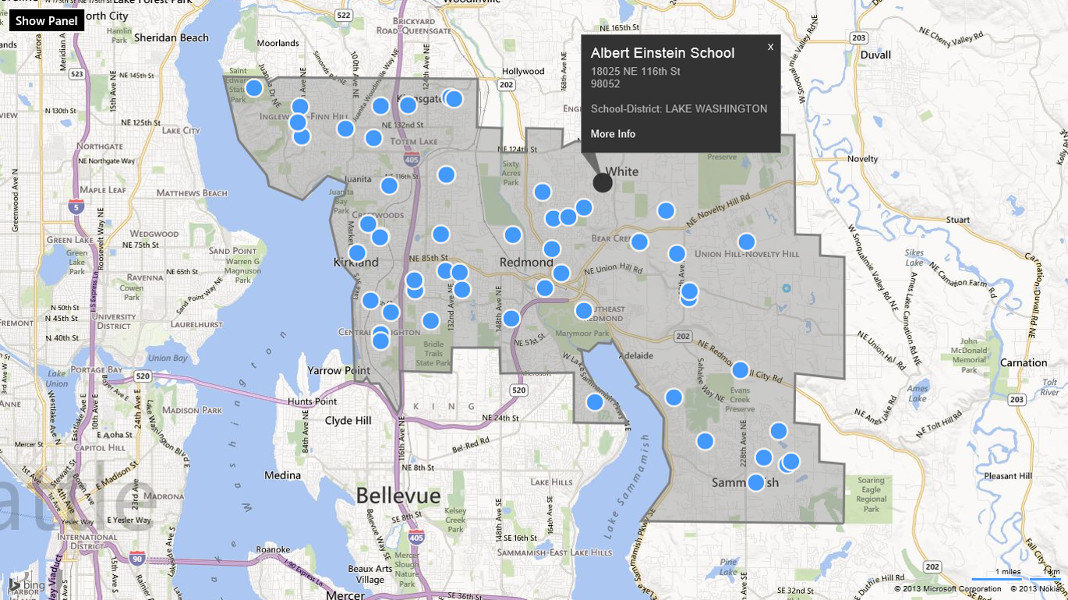
Hiring Bing Maps developers in 2026 requires looking ahead. Bing Maps for Enterprise retires June 30, 2028. Your focus must be on Azure Maps.
| Role | Avg. Annual Salary (US) | Key Skill Focus |
| Bing Maps/Azure Maps Developer | $56,423 | Migration, JavaScript, .NET, Python |
Money Matters.
The average salary for a Bing Maps developer in the US was about $56,423 annually in early 2026. This reflects the specialized skills needed for map integration.
Timing is Everything.
With Bing Maps retiring soon, prioritize developers experienced in Azure Maps migration. This ensures your investment is future-proof. It avoids costly rework later.
Mastering the V8 Control.
Look for Bing Maps V8 Web Control specialists. They understand interactive map interfaces. This skill is vital for current projects and the transition.
Expertise in REST Services.
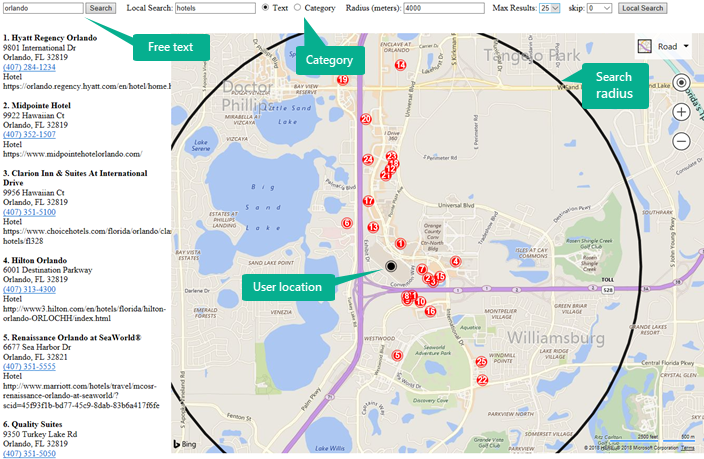
Bing Maps REST Services experts are needed for data access. They handle geocoding and routing. This knowledge is transferable to Azure Maps services.
The Azure Maps Migration Edge.
Azure Maps migration specialists are in high demand. They can seamlessly move your mapping functions. This saves significant time and resources.
Geospatial Acumen for Business.
Hire geospatial developers for complex needs. They build robust enterprise mapping solutions. This ensures your data is visualized effectively.
Seamless Map Integration.
Map integration developers are key for web apps. They embed maps smoothly into your platforms. This improves user experience and data accessibility.
Microsoft Maps Developers: C# .NET Focus.
For Windows applications, seek Microsoft Maps developers skilled in C# .NET. They build powerful desktop mapping tools. This is crucial for existing .NET ecosystems.
JavaScript Developers for Dynamic Maps.
JavaScript map developers create interactive web maps. Their skills are essential for modern user interfaces. This applies to both Bing Maps V8 and Azure Maps.
‘The shift to Azure Maps is not just a platform change; it’s an opportunity to modernize your geospatial strategy.’ – Industry Analyst, 2026
When hiring, assess their understanding of both Bing Maps V8 Web Control and the target Azure Maps platform. Ask about their experience with the migration process itself.
The Verdict: Future-Proofing Your Maps.
Focus on developers with a clear understanding of the Azure Maps transition. This is the most critical factor for long-term success. Avoid developers only skilled in the soon-to-be-deprecated Bing Maps.
For migrating your Bing Maps data and applications, consult Microsoft’s official resources. Understanding the migration path is key. Visit Bing Maps to Azure Maps migration guides. This ensures a smooth transition for your business needs.
Finding the right talent involves looking beyond just Bing Maps API developers. Seek out those who can bridge the gap to Azure Maps. This strategic hiring approach secures your mapping capabilities for years to come. For more on Microsoft’s mapping solutions, explore Bing Maps Portal.
Your 3-Step Action Plan for Hiring Bing Maps Developers in 2026
Step 1: Prioritize Azure Maps Migration Skills
When evaluating candidates, ask directly about their experience with Azure Maps and the migration from Bing Maps. A developer who only knows the old platform will leave you stranded after June 2028.
Step 2: Check for Core Technical Competencies
Look for proven proficiency in JavaScript/TypeScript for the V8 Web Control, plus C# or Python for backend services. Don’t overlook familiarity with GIS concepts like geocoding and spatial queries.
Step 3: Use the Right Hiring Channels
Start with Microsoft’s official partner network or specialized agencies like Volpis for vetted talent. Freelance platforms like Upwork work well for short-term migration projects.
What to Avoid
- Don’t hire a Bing Maps specialist who ignores Azure Maps. The platform is being deprecated, and you need forward-looking expertise.
- Don’t rely solely on low-cost freelancers for complex migrations. You risk code quality and timeline delays that cost more in the long run.
Frequently Asked Questions
What happens if I keep using Bing Maps after June 2028?
Your applications will stop working because Microsoft will shut down the Bing Maps for Enterprise servers. You must migrate to Azure Maps before that date to avoid service disruption.
Can I find developers who know both Bing Maps and Azure Maps?
Yes, many experienced developers have already completed migrations and can handle both platforms. Look for keywords like ‘Bing Maps to Azure Maps migration’ in their profiles.
How much does it cost to hire a Bing Maps developer for a migration project?
Rates vary widely, but expect $50–$150 per hour for a qualified freelancer, or a $56,000+ annual salary for a full-time employee. Complex enterprise migrations may require a team and cost tens of thousands.
Hiring a Bing Maps developer today means investing in someone who can guide your business through the critical transition to Azure Maps. This choice protects your mapping infrastructure from the 2028 shutdown and future-proofs your applications.
Now is the time to update your job descriptions and vet candidates for Azure Maps expertise. Start by posting on LinkedIn or contacting a Microsoft partner to find qualified talent.
Imagine your data visualized on a modern, cloud-native mapping platform that scales with your needs. That future is achievable with the right developer on your team.
