


Running to a notary shop before it closes is a pain, especially when you need a document signed right now. Remote online notarization lets you skip the trip and get it done from your couch. You can connect with a certified notary via video call in minutes, anytime day or night.
This is not some futuristic idea. It is a legal service available today in most states using secure platforms. You just need your phone or computer, a valid ID, and a few minutes to finish the whole process.
How Remote Online Notarization Works in 2026
The process is simpler than you might think. You upload your document, usually a PDF or Word file, to a platform like Notarize or OneNotary. Then you verify your identity by showing your government-issued ID and answering a few security questions from a system called Knowledge-Based Authentication, or KBA.
After identity check, you join a live encrypted video call with a licensed notary. They watch you sign the document electronically, then apply their digital seal and signature. The whole thing takes about 5 to 10 minutes. A typical retail session costs $25 for the first seal, with extra seals around $10 each.
Major platforms like Notarize, powered by Proof, offer 24/7 access and are accepted nationwide. OneNotary charges $25 per session and $10 for each additional notarization, with a $49 monthly plan for frequent users. DocuSign Notary is built for high-volume business needs. These services work for personal documents, real estate closings, and even out-of-state transactions, though you should check if the receiving office accepts eRecording for property deeds.
The Future of Notarization is Online
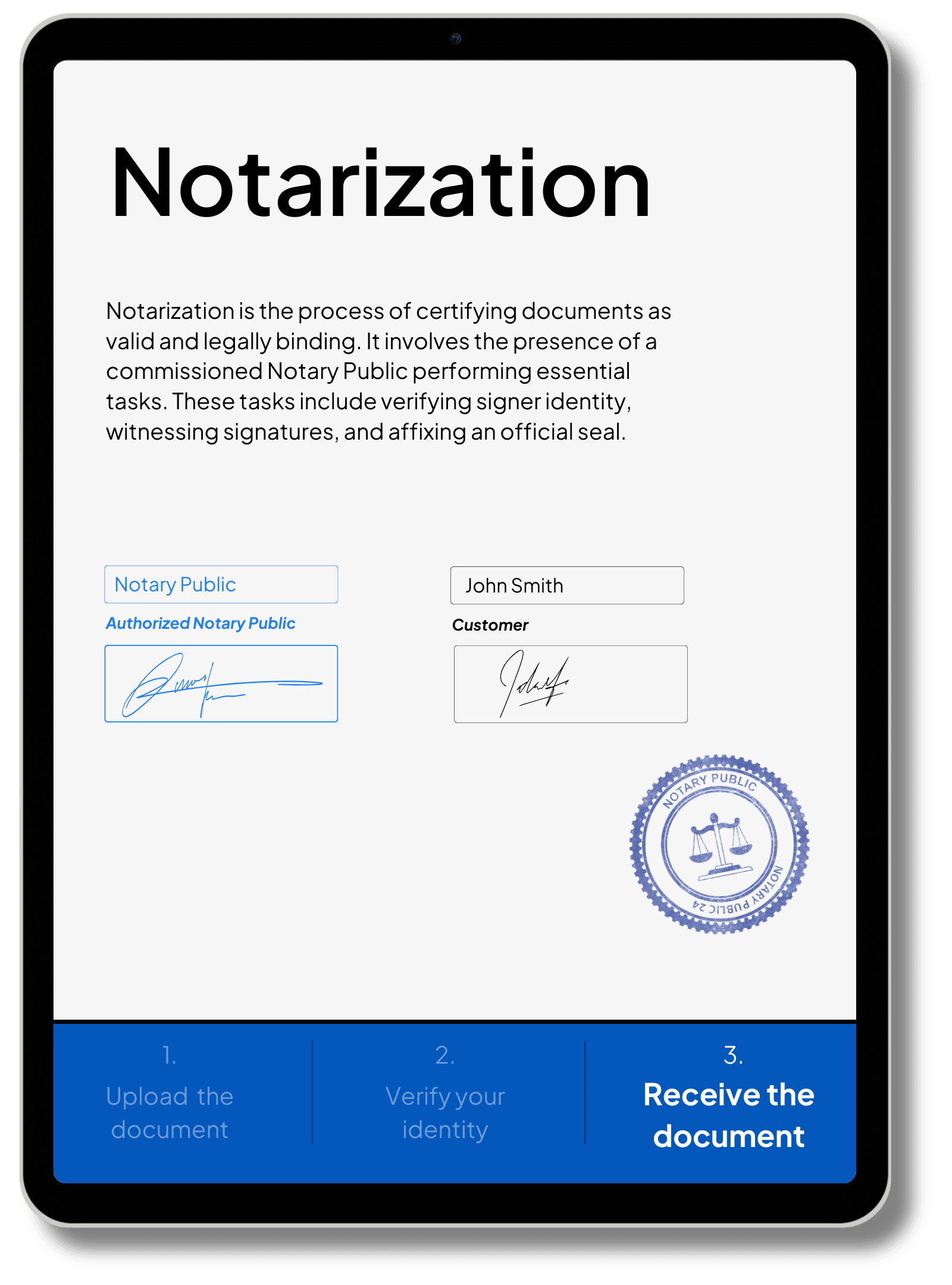
Remote Online Notarization, or RON, is changing how we legally notarize documents in 2026. It lets you do this from anywhere using your computer or smartphone. All you need is a webcam and an internet connection. This service is available all day, every day, making it super convenient.
The process is simple and secure, designed for today’s busy world. Instead of visiting a notary’s office, you connect digitally. This saves time and hassle, especially for important legal papers. It’s a modern solution for modern needs.
| Service | Average Cost (Initial Seal) | Availability | Key Features |
|---|---|---|---|
| Individual Retail Notarization | $25 | 24/7/365 | Nationwide access, Retail integrations |
| OneNotary (Business) | $49/month (Subscription) | 24/7 | User-friendly, Corporate plans |
| NotaryLive | Varies by need | 24/7 | Secure, Personal to Enterprise |
| DocuSign Notary | Varies by volume | Business Hours/Pools | High-volume, Business operations |
Remote Online Notarization Explained
Remote Online Notarization (RON) is a legal process allowing documents to be notarized using audio-visual technology. This means you can get a document officially stamped and signed by a notary public without being in the same room. It’s a secure way to handle legal paperwork remotely. This technology is fully compliant with state laws in 2026.
Read also: Need an Online Texas Notary Service? Do It From Your Couch
The core of RON is ensuring the notary can positively identify the signer and witness their signature. This is done through a secure online platform. It’s a vital step for maintaining the integrity of legal documents in the digital age. Many people are now using digital notary services for their convenience.
The entire process typically takes between 5 to 10 minutes.
How RON Platforms Work
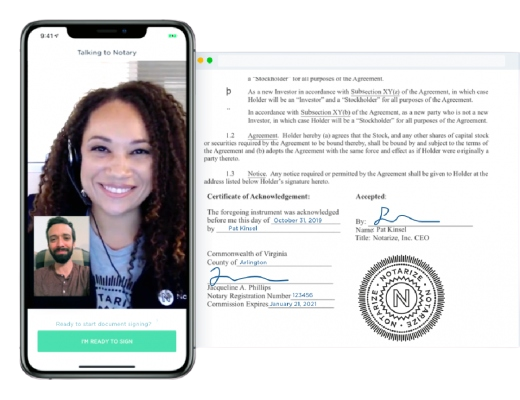
RON platforms act as the bridge between you and a certified notary public. You start by uploading your document, usually as a PDF or DOCX file. Then, you go through an identity verification process. This ensures the person signing is who they claim to be. It’s a critical part of the remote notarization process.
Next, you connect with a live notary via a secure video conference. During this call, the notary will guide you through signing the document. They will then apply their digital signature and electronic seal. This makes the notarization legally valid. These RON platforms are designed for ease of use.
Digital Notary Services for Legal Documents
Legal documents, from real estate deeds to affidavits, require official notarization. Digital notary services offer a modern alternative to traditional methods. They ensure that these important documents meet all legal requirements. This is crucial for their validity in court or for official record-keeping.
Read also: Need a Russian Document Translation Service? Compare Top Rated Options
These services are particularly useful for individuals who need a document notarized quickly or cannot easily travel. The use of online document signing with digital seals provides a clear audit trail. It confirms the document’s authenticity and the signer’s intent. This is a major advantage for legal notarization online.
Virtual Notary vs. Traditional Notary
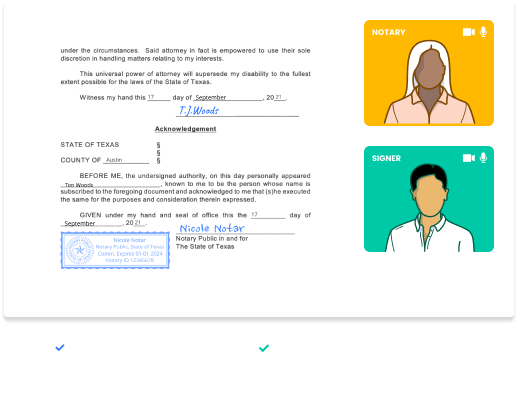
A traditional notary requires you to be physically present with the notary. You present your ID, sign the document in front of them, and they apply their seal. A virtual notary, using RON, achieves the same legal effect but through a live video call. The notary verifies your identity and witnesses your electronic signature remotely.
The main difference is location. With a virtual notary, you can be anywhere with an internet connection. This makes it far more accessible than finding a notary during business hours. Both methods provide the same level of legal assurance for your documents. The key is the notary’s certification and adherence to state laws.
Online Document Signing with Video Conference
The online document signing experience via video conference is straightforward. After uploading your document and verifying your identity, you join a live video session. The notary will confirm your identity again and instruct you on where to sign electronically. This ensures the process is done correctly and legally.
During the video conference, you can ask the notary questions. This interaction is similar to an in-person meeting. Once you sign, the notary adds their digital signature and seal. The notarized document is then usually available for download immediately. This is a core feature of secure online notarization.
Identity Verification for Secure Notarization
Identity verification for notarization is paramount in RON. Platforms use multiple methods to confirm you are who you say you are. This typically involves presenting a valid, government-issued photo ID to the camera. You might also need to answer security questions based on your personal history.
This multi-layered approach prevents fraud and ensures the integrity of the notarization. It’s designed to be as secure, if not more secure, than traditional methods. The system requires your device to have a camera and microphone. You will also need the last four digits of your Social Security number.
Knowledge-Based Authentication in E-Notary
Knowledge-Based Authentication (KBA) is a common security measure used in e-notary services. After uploading your ID, you may be asked a series of questions. These questions are drawn from public records and your personal credit history. They are designed to be difficult for anyone else to answer correctly.
Successfully answering these KBA questions adds another layer of certainty. It confirms your identity beyond doubt. This is a critical component of ensuring remote online notarization is secure and reliable. It helps protect against identity theft.
Out-of-State Notarization via Remote Process
RON platforms generally allow for out-of-state notarizations. Most states recognize notarizations performed remotely in other states. This is known as interstate legal recognition. However, it’s always wise to confirm with the receiving institution. This is especially true for property deeds and eRecording.
Some local governments or specific institutions might have their own rules about accepting electronically recorded documents. Always check if the county or office where the document will be filed accepts eRecording. This ensures your document is processed without issues. The goal is seamless document handling.
The Expert Verdict: RON is Here to Stay
In 2026, Remote Online Notarization is no longer a novelty; it’s a standard. The convenience, security, and accessibility it offers are unmatched. For individuals and businesses alike, RON streamlines critical legal processes. It saves time and reduces the friction associated with traditional notarization.
Expect RON services to become even more integrated into everyday life. As technology advances and more states enact supportive laws, its adoption will only grow. It represents a significant leap forward in how we manage and validate important documents digitally. This is the future, and it’s already here.
Read also: 45 Personalized Stamps for Business That Save You Time & Look Pro
Your 3-Step Action Plan for Remote Notarization
You can complete a remote online notarization from your home computer or phone in under 10 minutes. Follow these three steps to get your document notarized today.
Step 1: Choose Your Platform
Select a RON service that fits your needs. For a single document, use Notarize or NotaryLive for $25 per seal. For frequent use, consider OneNotary’s $49 monthly subscription.
Step 2: Prepare Your Documents and ID
Have your unsigned document ready as a PDF or DOCX file. You will also need an unexpired government-issued photo ID and the last four digits of your Social Security number.
Step 3: Complete the Video Session
Upload your document, verify your identity through KBA questions, and connect with a live notary via encrypted video call. Sign electronically and download your notarized document with the digital seal.
Common mistake: Forgetting to check if the receiving institution accepts eRecordings for property deeds. Always confirm before proceeding.
Frequently Asked Questions
Is a remote online notarization legally valid in all states?
Yes, remote online notarizations are recognized nationwide under the Revised Uniform Law on Notarial Acts. However, for property deeds, confirm that the county recorder’s office accepts eRecordings.
What if I don’t have a webcam or microphone?
You must have a device with a camera and microphone to complete the video session. Most smartphones and laptops built after 2015 meet these requirements.
Can I notarize a document for someone else remotely?
Yes, but each signer must complete their own identity verification and video session. You cannot share your session with another person.
Remote online notarization is a secure, fast, and legally recognized way to notarize documents from anywhere. You save time and travel costs while getting the same legal protection as in-person notarization.
Start your first session today by choosing a platform like Notarize or OneNotary. Have your ID and document ready, and you will be done in minutes.
The future of document signing is here, blending convenience with ironclad security. You are now equipped to navigate this digital shift with confidence.
