


You have a folder full of beats and melodies sitting on your hard drive. That music could be earning you money every month instead of collecting digital dust. Selling stock music is one of the most straightforward ways to turn your craft into passive income.
Many composers think they need a big following or a record deal to make money from their tracks. That is simply not true. Platforms like Pond5 and AudioJungle let anyone upload and start selling royalty free music today.
How to Sell Royalty Free Music and Build a Passive Income Stream
To make money selling music online, you need to understand the two main licensing models. Non-exclusive platforms like Pond5 let you keep your rights and set your own prices, while subscription libraries like Canva Music Creator pay you based on how many times your track is downloaded. Both can work, but you should pick one to focus on first.
Your catalog needs to be searchable. That means using precise metadata, including genre, mood, tempo, and instrument tags. A track tagged as ‘uplifting corporate background’ will sell better than one tagged just ‘music’. Register your tracks with a Performance Rights Organization like ASCAP or BMI to collect broadcast royalties when your music plays on TV or YouTube.
Selling Your Music in 2026: A Composer’s Roadmap

The digital music landscape is always changing. Selling stock music online offers a way to earn money. It can provide a steady income stream. This guide shows you how to succeed.
| Platform | Model | Avg. Cost to Start | Potential Earnings |
| Pond5 | Non-exclusive | $0 (Free upload) | Artist-set pricing, lower per-sale margin |
| AudioJungle | Exclusive/Non-exclusive | $0 (Free upload) | Tiered payouts, competitive market |
| Canva | Element Creator | $0 (Free upload) | Shared revenue, volume-based |
| Payhip | Direct Sales | $0 – $30/month | 100% minus fees, high margin |
Get Your Music Licensed
Licensing stock music means others pay to use your songs. You grant them rights for a fee. This is how you make money selling music online. Many platforms handle the sales for you. They take a percentage. This is a common way to sell royalty free music.
Think about the types of music people need. Video editors often look for background music licensing. Podcasters need intro and outro tunes. Game developers seek unique scores. Having a diverse catalog helps.
Read also: 52 Customizable Folders That Will Organize Your Life in 2026
These platforms act as your storefront. They connect you with buyers globally. This makes selling music online accessible. It is a key part of stock music licensing.
You need to understand how these libraries work. This leads to building a strong music library.
Build Your Music Library
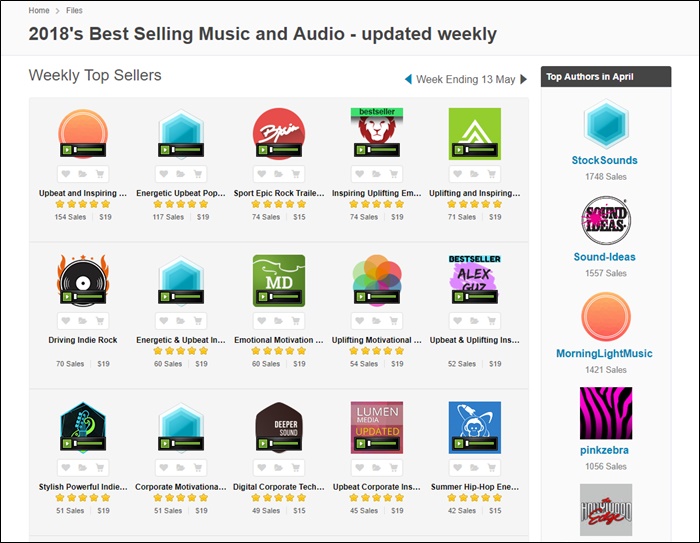
A large catalog is important. Aim for hundreds of tracks. This increases your chances of sales. It builds a consistent passive income stream. More tracks mean more opportunities for downloads.
Focus on instrumental music. Many users need music without vocals. This broadens your market. It makes your music usable in many projects. This is crucial for selling instrumental music.
Keep your tracks organized. Use clear naming conventions. This helps you manage your work. It also helps buyers find what they need.
Building this library takes time. Treat it like a business. Consistent effort pays off. This is how you build a music library.
Selling Instrumentals on AudioJungle
AudioJungle is part of the Envato network. It is a popular place for stock music. You can sell music here as an exclusive or non-exclusive artist. Exclusive artists get higher royalty rates. Non-exclusive artists have broader reach.
The market is competitive. You need high-quality tracks. Your music should be well-mixed and mastered. Buyers expect professional sound. This is why quality matters.
Understand their payout structure. It is tiered. The more you sell, the higher your percentage. This encourages consistent uploads. It is a key factor for audiojungle contributors.
Research what sells well. Look at popular tracks. Adapt your style if needed. This helps you stand out. It is a smart strategy for composers.
Now, let’s talk about sync licensing.
Sync Licensing for Composers

Sync licensing means your music is paired with visuals. This includes films, TV shows, and ads. It is a lucrative area. Composers for stock music often do this.
You can get paid upfront. You can also earn performance royalties. This depends on the deal. It is different from just selling downloads.
Understand the terms of the agreement. Read contracts carefully. Know your rights. This protects your work. It is vital for composers.
This type of licensing requires networking. Building relationships helps. It can lead to bigger opportunities. It is a step beyond basic stock music.
Good metadata is essential for discovery.
Metadata Tips for Stock Music
Metadata is information about your music. This includes titles, descriptions, and keywords. It helps buyers find your tracks. Good metadata is crucial for searchability.
Be precise with your tags. Use terms buyers would search for. Think like a video editor. What words would they use?
Use descriptive titles. Avoid generic names like ‘Track 1’. A title like ‘Uplifting Corporate Pop’ is better. It tells buyers what to expect.
Write clear descriptions. Explain the mood and genre. Mention potential uses. This helps buyers decide. It is a key part of metadata for stock music.
Accurate metadata boosts your sales. It makes your music discoverable. This is vital for success.
Pond5 offers another great platform.
Pond5 Contributor Strategies
Pond5 is a non-exclusive marketplace. This means you can sell your music elsewhere too. You set your own prices for tracks. This gives you control.
Upload high-quality audio files. They must be professionally produced. Pond5 has specific technical requirements. Meet them to avoid rejection.
Use a variety of keywords. Think broadly and specifically. Include genre, mood, and instrumentation. This helps buyers find your work.
Promote your Pond5 portfolio. Share links on social media. Let people know you have music available. This drives traffic to your tracks.
Pond5 is a good option for composers. It offers flexibility. It is a solid choice for pond5 sellers.
Let’s explore passive income.
Passive Income from Music Libraries
Passive income means earning money with less ongoing effort. Stock music libraries can provide this. Once uploaded, your music can sell repeatedly.
Subscription libraries are a good example. Users pay a monthly fee. They can download many tracks. You earn a share of that revenue. It is based on downloads.
This model requires volume. You need many tracks to earn significantly. Hundreds of tracks are ideal. This creates a steady income flow.
It is not ‘get rich quick’. It requires consistent work upfront. But the long-term rewards can be substantial. This is the power of passive income music.
Protecting your work is essential.
Copyright Registration for Music
Copyright protects your original music. It gives you exclusive rights. You must register your songs. This is done with the U.S. Copyright Office. It is a vital step.
Registration provides legal proof of ownership. It is required to file a lawsuit for infringement. This is important for copyright music registration.
Do this before you distribute your music. It ensures your rights are secured. This prevents others from stealing your work. It is a foundational step.
Understand the fees involved. Registration has a cost. It is a small investment for big protection. This is a smart move for composers.
This protects your intellectual property. It is a key part of selling music.
Expert Verdict: The Future of Selling Stock Music
Selling stock music in 2026 is viable. The market is crowded, but demand is high. AI tools can help create music faster. But human creativity remains key. Niche markets are growing.
Focus on quality and consistency. Build a large, diverse catalog. Optimize your metadata meticulously. Understand different licensing models. Protect your copyrights diligently.
Treat this as a serious business. Network with other creators. Stay updated on platform changes. Your music can generate income for years.
Start uploading today. Your music deserves to be heard and licensed.
Your 3-Step Action Plan to Start Selling Stock Music
Step 1: Build Your Foundation
Create 10 to 20 high-quality, full-length instrumental tracks in trending genres like lo-fi, cinematic, or corporate pop. Register each track with a PRO like ASCAP or BMI before uploading to any platform.
Step 2: Choose Your Platforms Wisely
Upload your non-exclusive tracks to Pond5 and AudioJungle for broad reach, then apply to Canva’s Element Creator program for ambient loops. Set competitive prices on Payhip for direct sales with zero commission.
Step 3: Optimize Metadata for Discovery
Title each track with descriptive keywords like ‘Uplifting Corporate Pop 60s’ and fill all tag fields with mood, genre, and instrumentation terms. Write a clear description mentioning the track’s BPM, key, and ideal use cases like podcast intros or YouTube vlogs.
Frequently Asked Questions
Do I need to copyright my music before selling it?
Yes, register your copyright with the U.S. Copyright Office before uploading to any platform. This protects your intellectual property and allows you to pursue legal action if someone steals your track.
How much money can I realistically make selling stock music?
Earnings vary widely; a single track can earn anywhere from $5 to $500 per sale depending on the platform and license type. Building a catalog of 100+ tracks typically generates a few hundred dollars per month in passive income.
Should I sign exclusive or non-exclusive deals?
Start with non-exclusive agreements to maximize your track’s exposure across multiple platforms. Exclusive deals offer higher per-sale royalties but lock you into one marketplace, limiting your reach.
Selling stock music in 2026 is a viable way to turn your compositions into a steady income stream. By following the strategies outlined here, you can position yourself for success in this growing market.
Now it’s time to open your DAW and create your first batch of commercially viable tracks. Upload them to at least two platforms today to start generating passive revenue.
Imagine your music playing behind a viral TikTok video or a major brand’s commercial campaign. That future is within reach when you treat your catalog like a business.
