

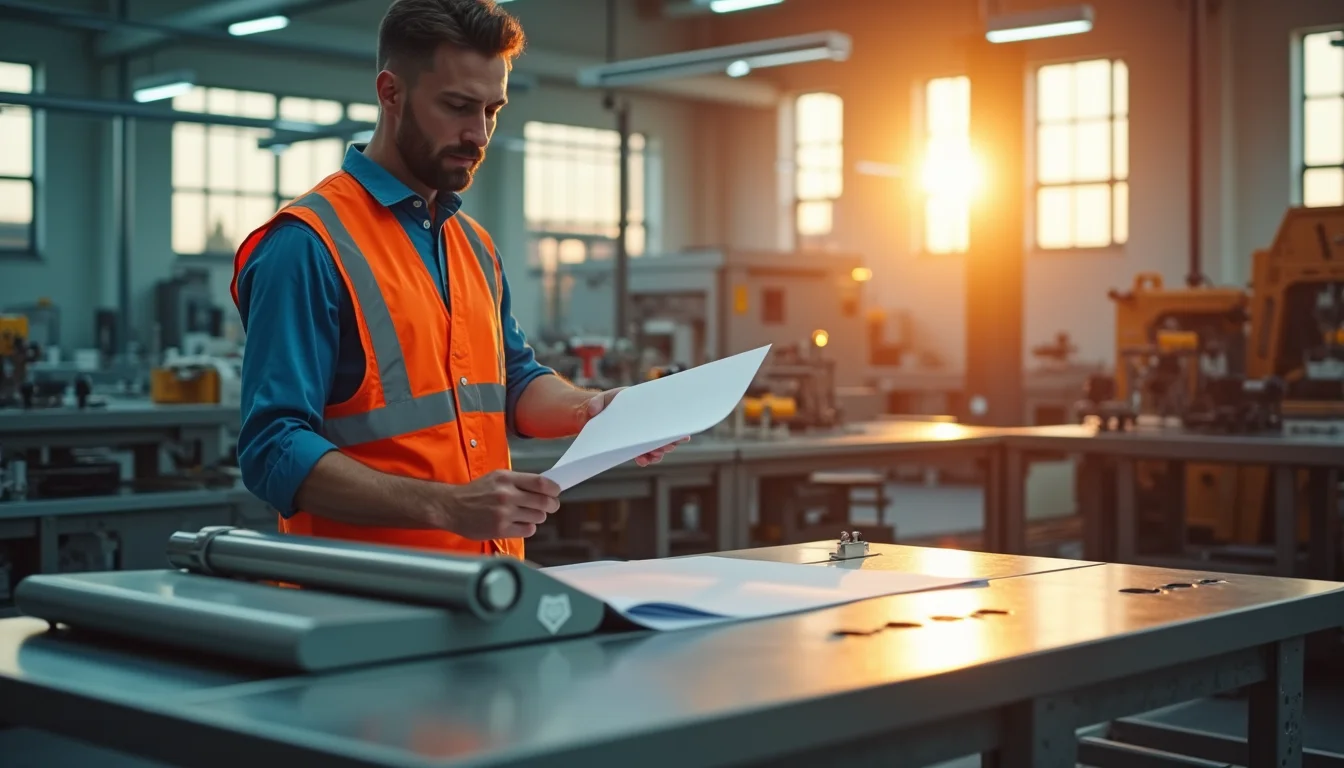
You have a stack of reports that need to look professional, but stapling just makes them flop around. A wire-o binding machine solves that by creating documents that lay flat and turn 360 degrees. It is the secret to presentations that impress and manuals that last.
Forget flimsy comb bindings or expensive perfect binding. Wire-O gives you a clean, durable finish that looks like a pro did it. And the best part? You can do it yourself in minutes, without a huge investment.
Manual vs. Electric Wire-O Binders: Which One Fits Your Workflow?
When you shop for a wire binding machine, the biggest choice is between manual and electric models. A manual machine is perfect for small offices or low volume, usually binding up to 120 sheets with a 3:1 pitch. You punch by pulling a lever, which is simple and affordable.
For higher volume, an electric machine saves your arms and time. It punches through up to 280 sheets using a 2:1 pitch, and some models even have disengageable pins to avoid half-holes on odd paper sizes. Prices for a solid electric model start around $200, while manual ones can be under $50.
The Professional Finish: Understanding Wire-O Binding Machines
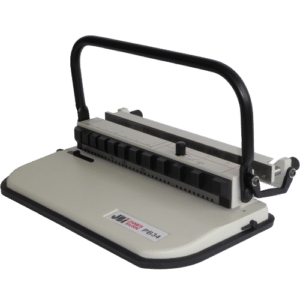
Wire-O binding machines create documents with a polished, professional look. They use a special metal double-loop wire to hold pages together. This binding method allows documents to lay perfectly flat or even fold back 360 degrees. This makes them ideal for reports, presentations, and custom calendars where ease of use is important.
Choosing the right machine depends on your needs. Key features like pitch and sheet capacity are crucial. Understanding these specifications helps ensure you get a machine that fits your volume and document type. This technology offers a durable and attractive way to present your work.
| Specification | Details |
| Binding Style | Twin-loop metal wire |
| Document Lay-Flat Ability | Yes, 360-degree flip |
| Common Pitches | 3:1 (3 holes/inch), 2:1 (2 holes/inch) |
| 3:1 Pitch Capacity | Up to 120 sheets, 32 loops (11-inch) |
| 2:1 Pitch Capacity | 135-280 sheets, 21 loops (11-inch) |
| Advanced Features | Disengageable pins for custom punching |
| Machine Types | Manual, Dual-Pitch, Hybrid, Commercial Electric |
Manual Wire-O Binders for Small Projects
Manual Wire-O binders are excellent for low-volume needs. They are budget-friendly and easy to operate. These machines are perfect for small offices or home use where occasional binding is required. You gain control over each step of the binding process, ensuring precision for each document.
Read also: Where to Find Spiral Bound Printing Near Me in 2026
They typically require manual effort to punch holes and close the wire. This makes them a great starting point for anyone new to document binding. Despite being manual, many models offer robust construction for lasting performance. Look for ergonomic designs that reduce user fatigue during operation.
Electric Wire-O Binders for High Volume
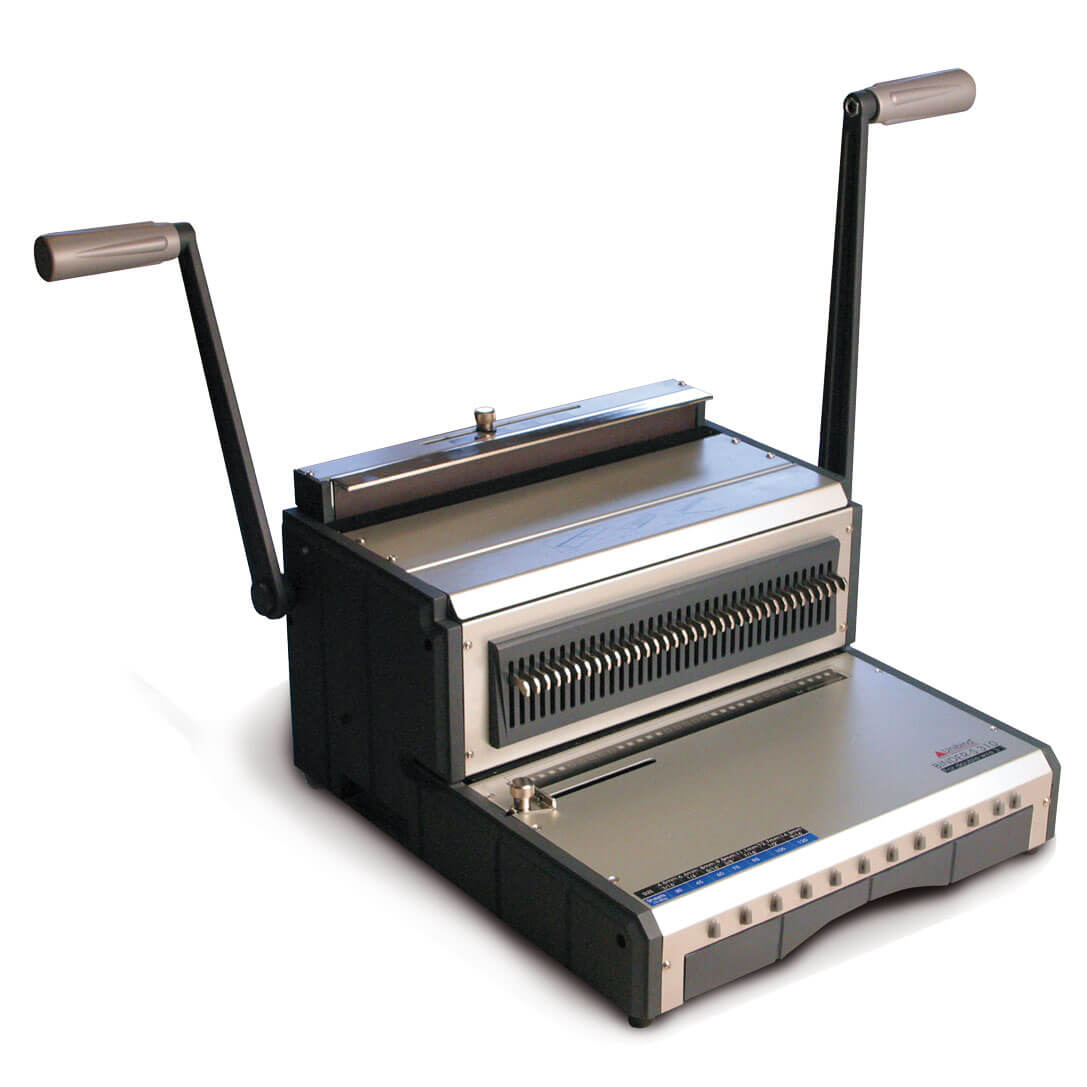
For businesses with higher production demands, electric Wire-O binders are a necessity. These machines automate the punching and closing processes. This significantly speeds up binding times and reduces labor costs. They are designed for continuous use in busy environments.
Modern electric models in 2026 boast improved energy efficiency and digital controls. This allows for precise adjustments and consistent results. Investing in an electric binder is key for maintaining workflow and output quality when dealing with large quantities of documents. These are often part of commercial wire binding equipment.
3:1 Pitch Wire Binding Machines Explained
A 3:1 pitch machine is the most common for general document binding. It creates three holes per inch, resulting in a neat, consistent pattern. This pitch is ideal for documents with fewer pages, typically up to 120 sheets. The smaller holes and tighter loop spacing provide a sleek appearance.
This type of machine is versatile and widely used for reports, manuals, and presentations. It offers a good balance between page capacity and the number of binding loops used. Many entry-level and mid-range machines feature this pitch, making them accessible for many users. You can find great options for office use in this category.
2:1 Pitch Wire Binding Machines for Larger Documents
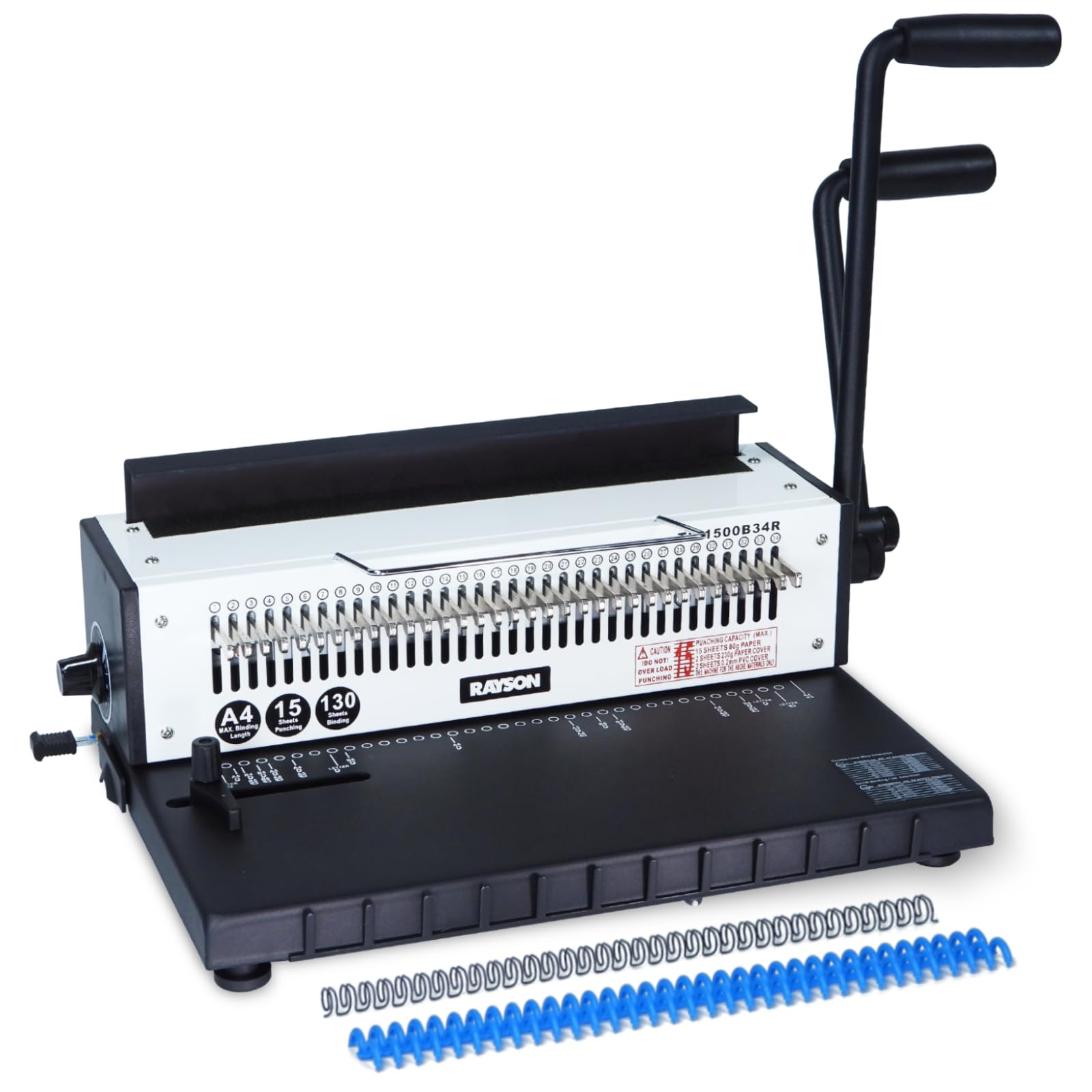
When you need to bind thicker documents, a 2:1 pitch Wire-O binding machine is the solution. With two holes per inch, it creates larger holes spaced further apart. This allows the machine to accommodate more pages, from 135 up to 280 sheets. The sturdier binding can handle heavier paper stocks and larger volumes.
The wider hole spacing is also beneficial for documents that need to withstand more handling. It provides extra strength to the binding spine. While offering greater capacity, the aesthetic is slightly different from 3:1 pitch, with fewer, larger loops visible. This is crucial for binding machine price considerations if capacity is your main driver.
Dual-Pitch Wire Binding Machines for Versatility
Dual-pitch machines offer the best of both worlds. They can handle both 3:1 and 2:1 pitch binding. This provides maximum flexibility for various document sizes and thicknesses. You can switch between pitches as needed, making it a highly adaptable piece of equipment.
Many dual-pitch models include disengageable pins. This feature allows you to customize the punching pattern. You can avoid half-holes on smaller or custom-sized paper, ensuring a clean finish every time. This makes them a top choice for professional print shops and businesses with diverse binding needs.
The ability to disengage specific punch pins is a significant advantage. It allows for clean, professional document finishing on a wider range of paper sizes, including A5 and B5, without unsightly partial holes.
Best Wire Binding Machine for Office Use
For a typical office environment, a manual or electric dual-pitch machine often hits the sweet spot. Consider your monthly binding volume. If it’s low, a sturdy manual binder is cost-effective and reliable. For moderate to high volume, an electric model will save significant time.
Look for ease of use and durability. A machine that is intuitive to operate and built to last will provide the best return on investment. Features like jam prevention and easy wire insertion can also enhance the user experience. Reviews often highlight user-friendliness as a key factor.
Commercial Wire Binding Equipment for Professionals
Commercial-grade machines are built for heavy-duty, high-volume production. These are typically electric or semi-automatic systems. They offer speed, efficiency, and the ability to bind hundreds or even thousands of documents daily. Durability and advanced features are standard.
These machines often have larger footprints and higher price points. They are designed for print shops, large corporations, and binding services. Investing in commercial equipment ensures consistent quality and throughput for demanding production schedules. Their robust construction minimizes downtime.
Wire Binding Machine Price and Value
The price of a Wire-O binding machine varies greatly. Manual models can start around $100-$300. Electric and commercial machines can range from $500 to several thousand dollars. The wire itself is also a recurring cost, typically priced per piece or per box.
When evaluating the wire binding machine price, consider the total cost of ownership. This includes the machine, supplies, and maintenance. For businesses, the increased efficiency and professional output often justify the investment. Compare features and capacity against the cost to find the best value for your specific needs.
For businesses, the upfront cost of a quality Wire-O binding machine is an investment in professional presentation and operational efficiency. Long-term value often outweighs the initial price tag.
The Future of Wire Binding in 2026
By 2026, Wire-O binding machines continue to evolve. Electric models are becoming more energy-efficient and user-friendly, with integrated digital interfaces for precise control. Manual binders focus on enhanced ergonomics and robust, long-lasting construction.
The trend is towards greater automation and customization. Expect to see more machines with advanced features like automatic wire insertion and improved disengageable pin systems. These advancements ensure that Wire-O binding remains a premier choice for creating high-quality, durable, and professional-looking documents in any setting.
Your 3-Step Action Plan to Wire-O Mastery
Step 1: Know Your Volume
Assess how many documents you bind per month. For under 500, a manual model works fine; for over 500, invest in an electric machine.
Step 2: Choose Your Pitch
Stick with 3:1 for thin documents under 120 sheets. Switch to 2:1 for thick manuals or calendars up to 280 sheets.
Step 3: Test the Disengageable Pins
Make sure your machine lets you disable pins for non-standard paper sizes. This prevents ugly half-holes and keeps your documents clean.
Frequently Asked Questions
Can I use any wire binding element with any machine?
No, you must match the wire size to your machine’s pitch and document thickness. Check the manufacturer’s compatibility chart before purchasing.
How do I fix a jammed punching mechanism?
First, unplug the machine and gently clear any stuck paper using tweezers. Avoid forcing the handle or you may damage the dies.
What is the average lifespan of a manual wire-o binder?
With proper care, a quality manual binder can last 10 to 15 years. Regular cleaning and lubrication of moving parts are essential.
Choosing the right wire-o binding machine transforms your documents from ordinary to exceptional. You now have the knowledge to select a model that matches your workflow and budget.
Take the next step by visiting a local supplier to test the feel of a manual punch or the smooth action of an electric model. Your hands will tell you which machine is right.
Imagine your next quarterly report lying flat on a client’s desk, the metal loops gleaming under office lights. That polished finish is now within your reach.
